
The city of music
The capital of Austria, Vienna, lies on the Danube River and is surrounded by the Vienna Woods. This city with a rich history boasts many historical and cultural attractions. Strolling through the streets of Vienna, you will see buildings built in the Baroque architectural style reminiscent of the Habsburg monarchy. Home to many famous composers and thinkers, this city was the artistic, musical and intellectual center of the region. The most influential of these are Beethoven, Strauss, Mozart, Haydn, and Schubert. The city is often referred to as the “City of Music” (Stadt der Musik). The city’s magnificent palaces, such as the Belvedere or Schönbrunn, reveal the time, elegance and beauty of the Renaissance and Baroque eras to our eyes.
A Baroque pearl
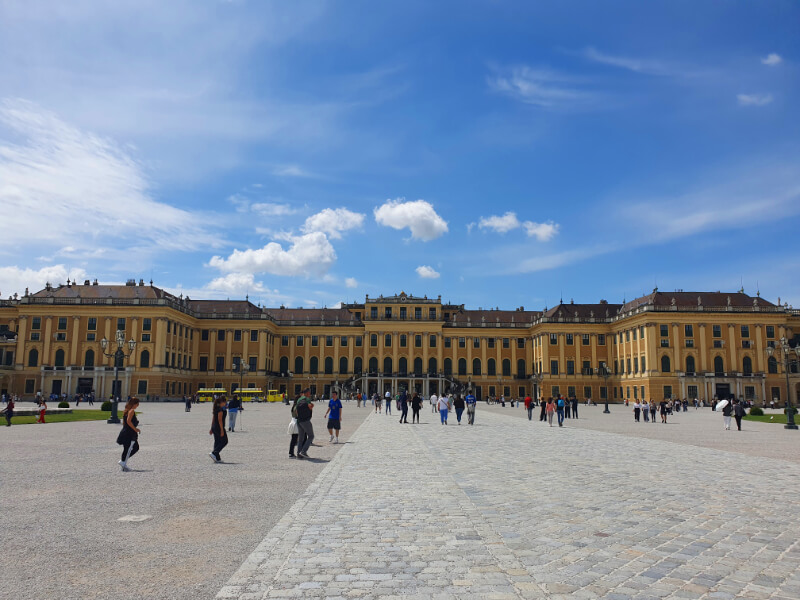
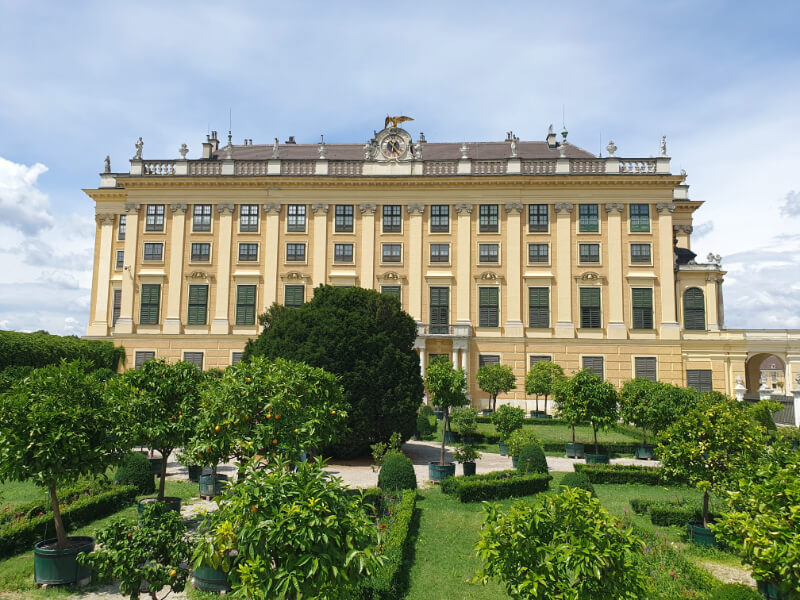
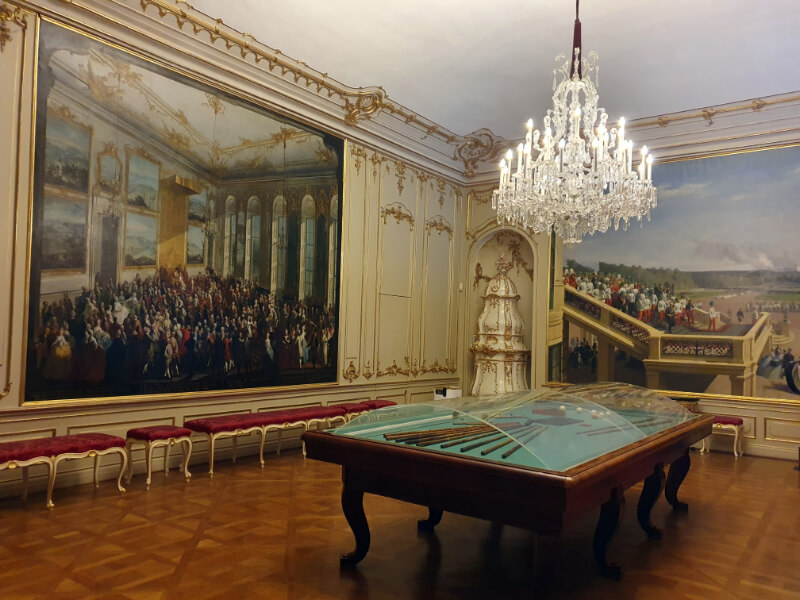
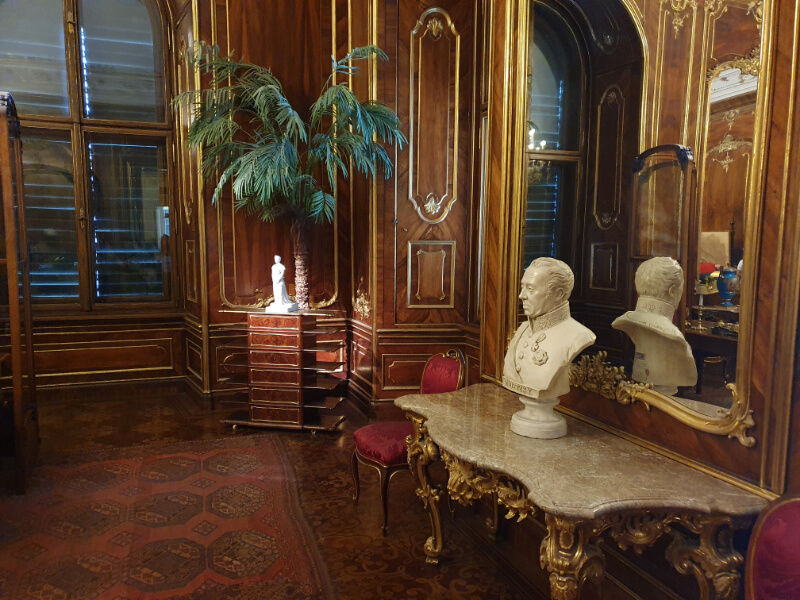
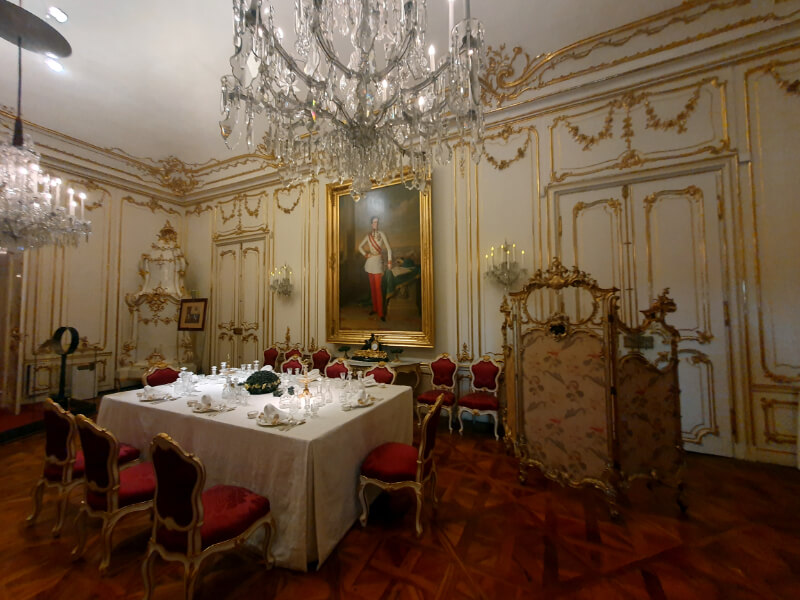
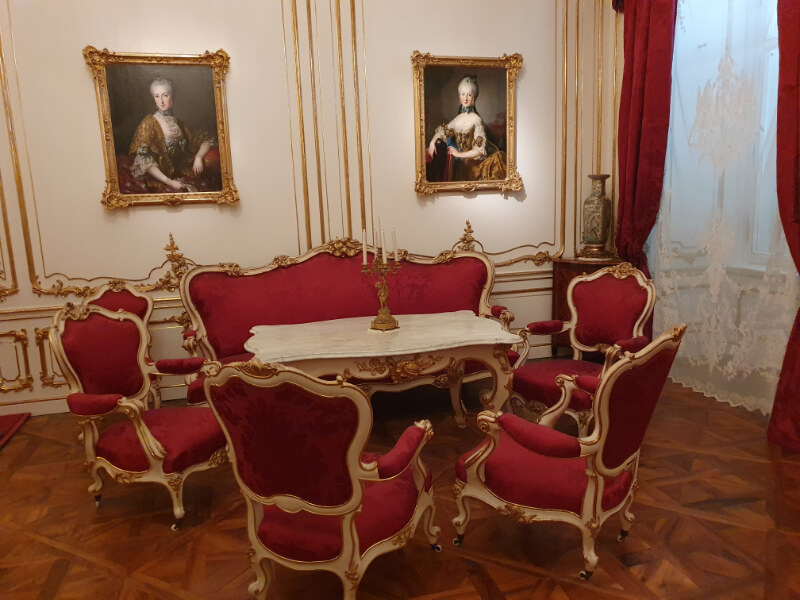
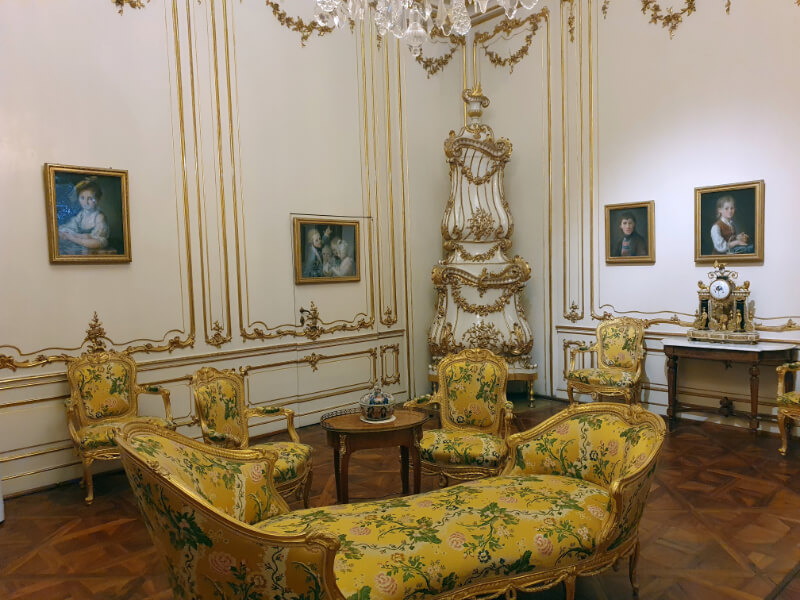
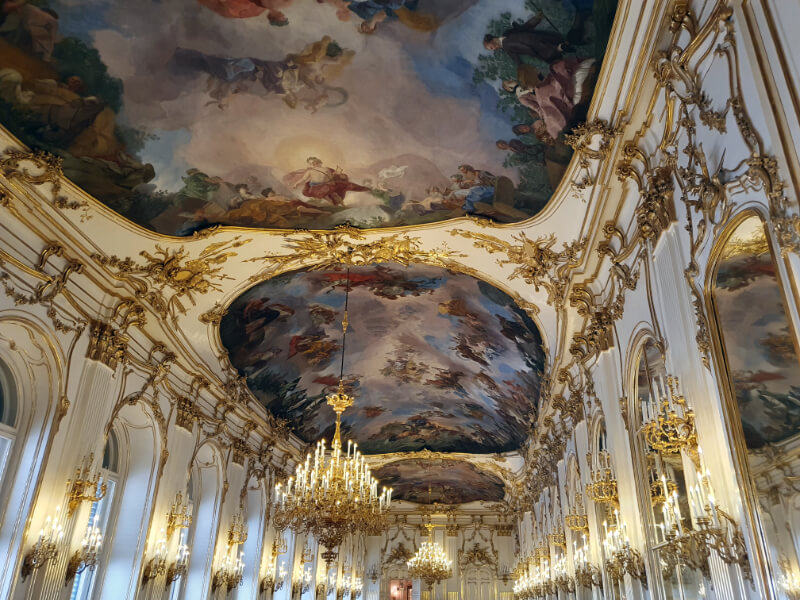
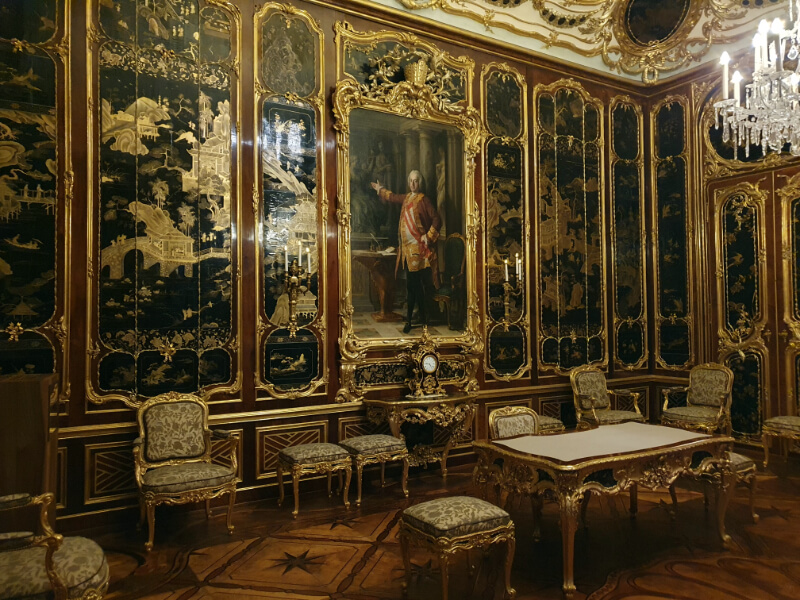
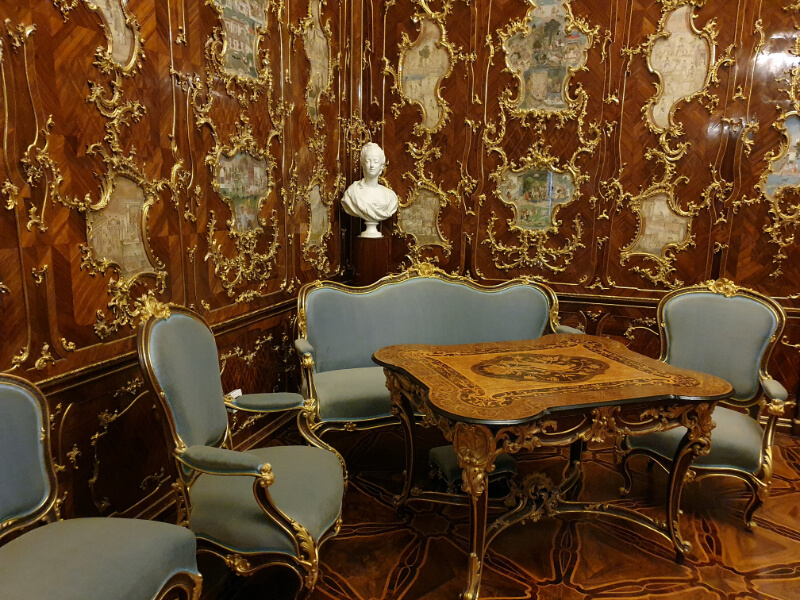
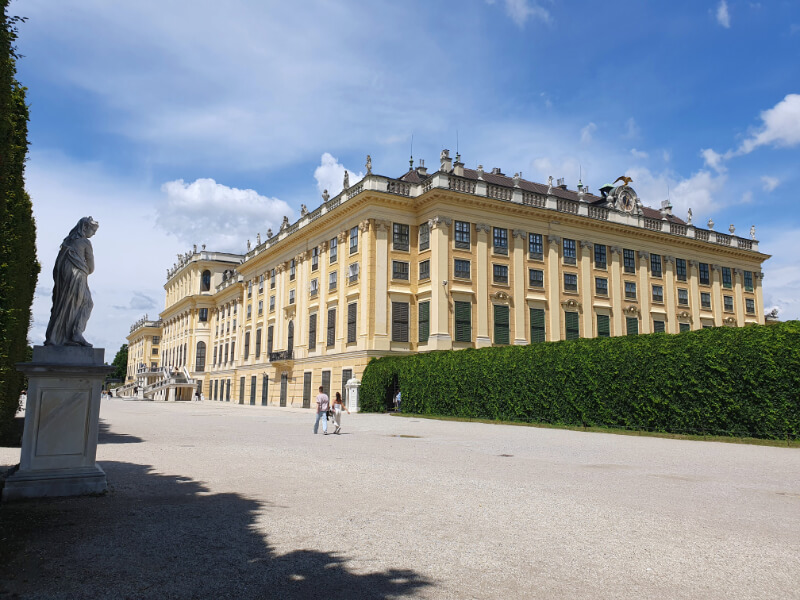
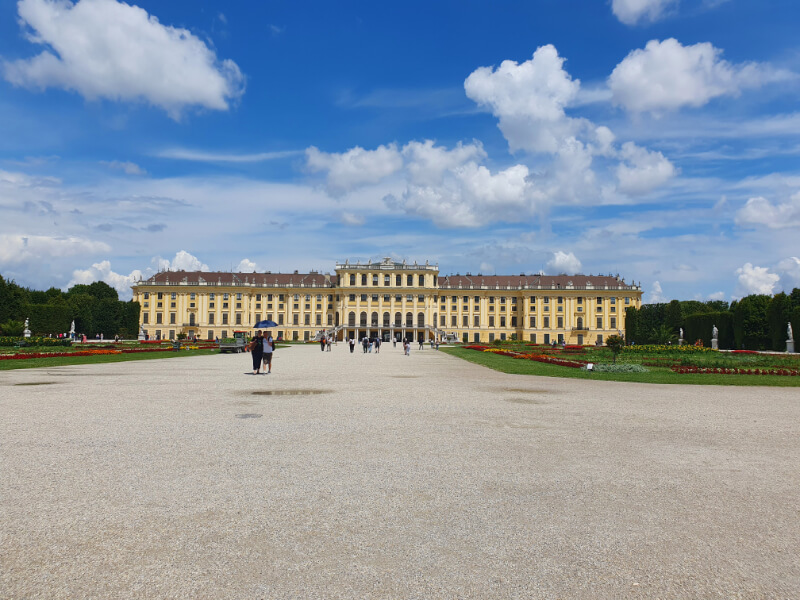
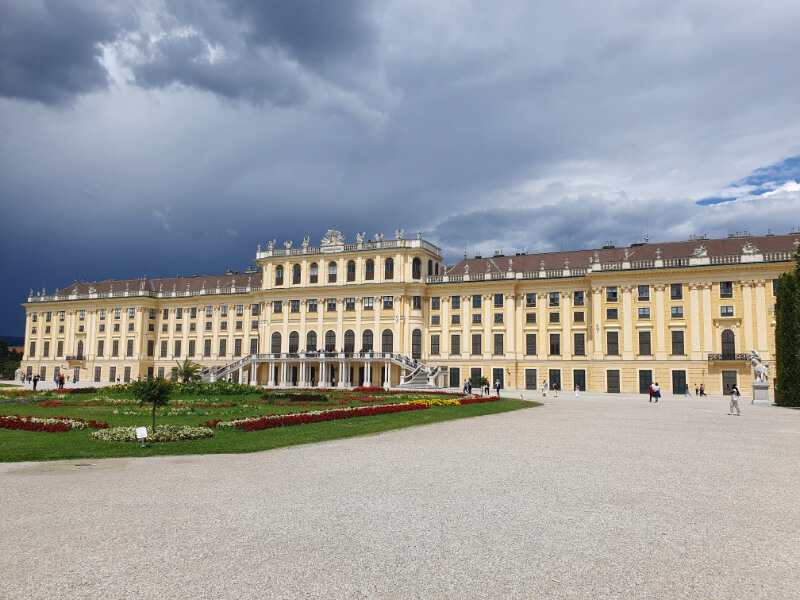
Schönbrunn Palace was built in the Baroque architectural style in the 17th century. Architect Johann Bernhard Fischer von Erlacht was commissioned to design the imperial hunting lodge. The elements of the Baroque architectural style, in contrast to the harmony of the Renaissance, create a dramatic atmosphere, overflow, splendor and the illusion of movement. Its intricate decorations, the detail and multitude of curved forms create a sense of dynamic movement. Its ceiling paintings, decorated with ornate gilded frescoes, have mythical and biblical themes. The harmony of form and decoration elevates these impressive spaces to a royal level. This vast, elegant and dignified complex became the permanent summer residence of the imperial family.
“My mission in life is not merely to survive, but to thrive; and to do so with some passion, some compassion, some humor, and some style.”
– Maya Angelou
Significant historical figures
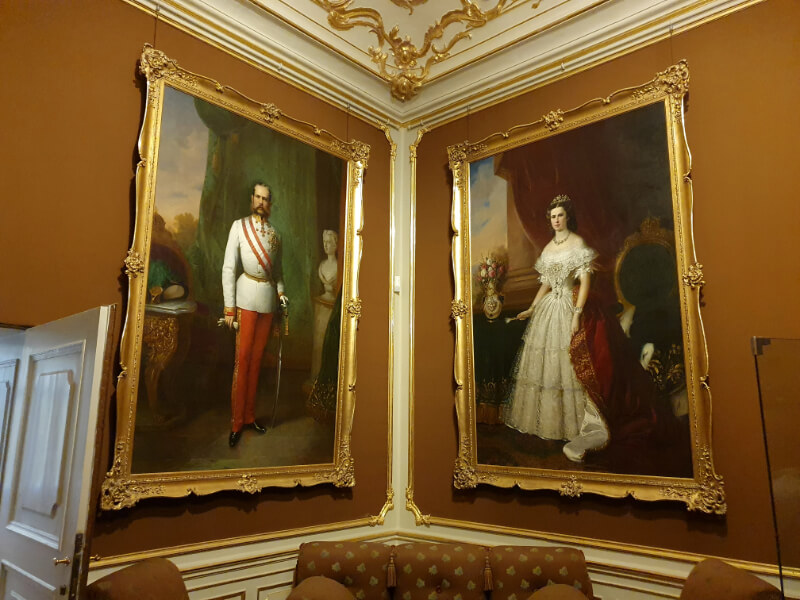
Many important historical figures have visited and spent long periods of time here. Napoleon often stayed here during his campaigns. Mozart played here in the castle’s Hall of Mirrors at the age of 6. Maria Theresa played a key role in giving the castle its current form so that it could become the summer residence of the Habsburgs. Emperor Franz Joseph was born here. His mother raised him from childhood for his future imperial role. During his reign, Emperor Franz Joseph and Empress Elisabeth (Sissi) moved into the apartments in the west wing overlooking the courtyard and lived there until his death.
The imposing castle park
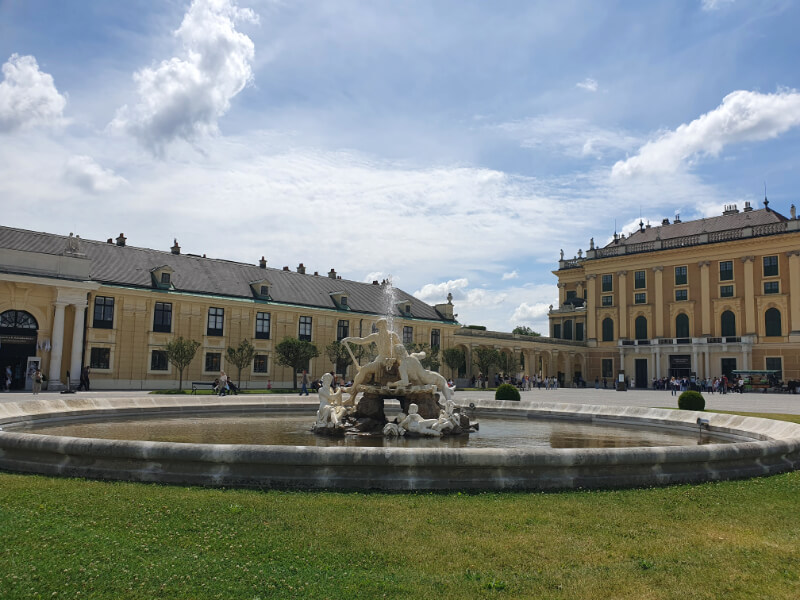
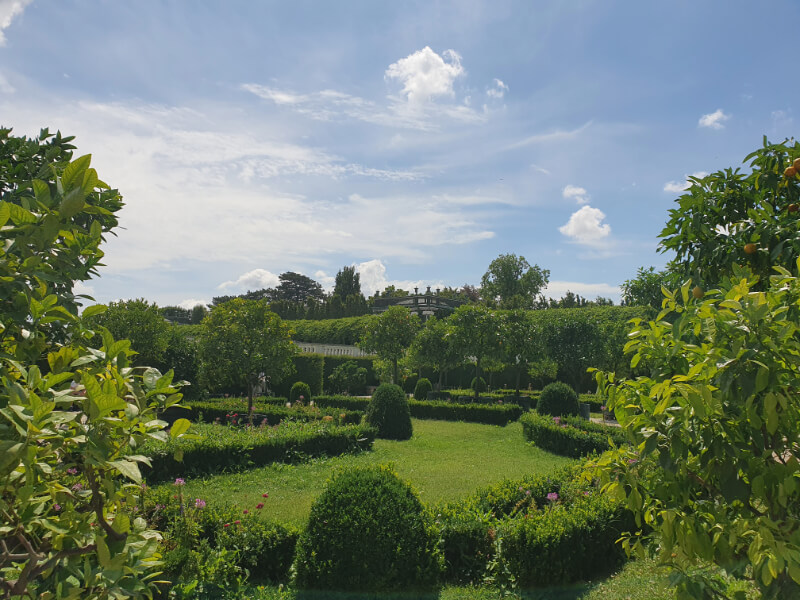
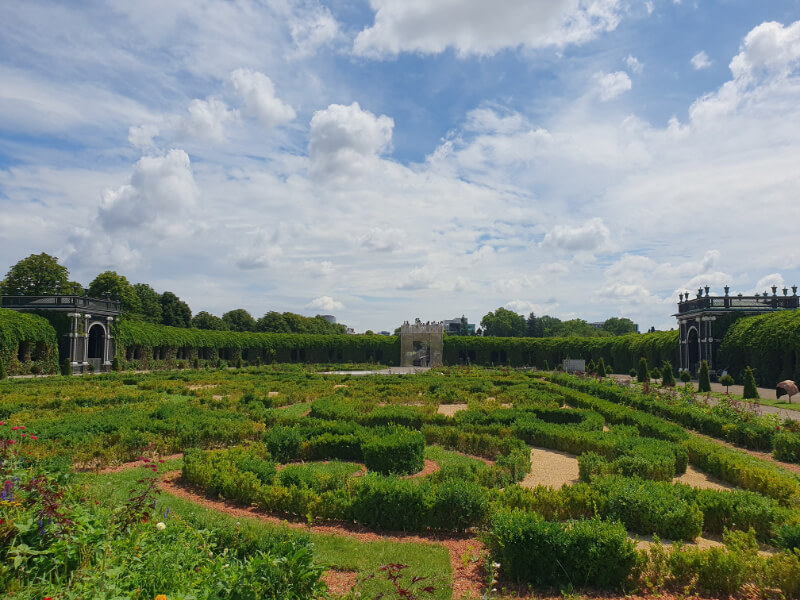
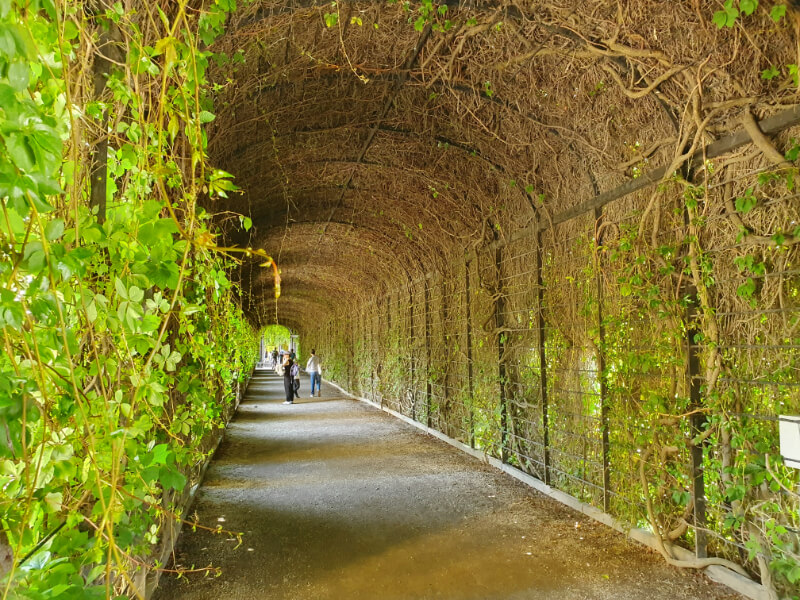
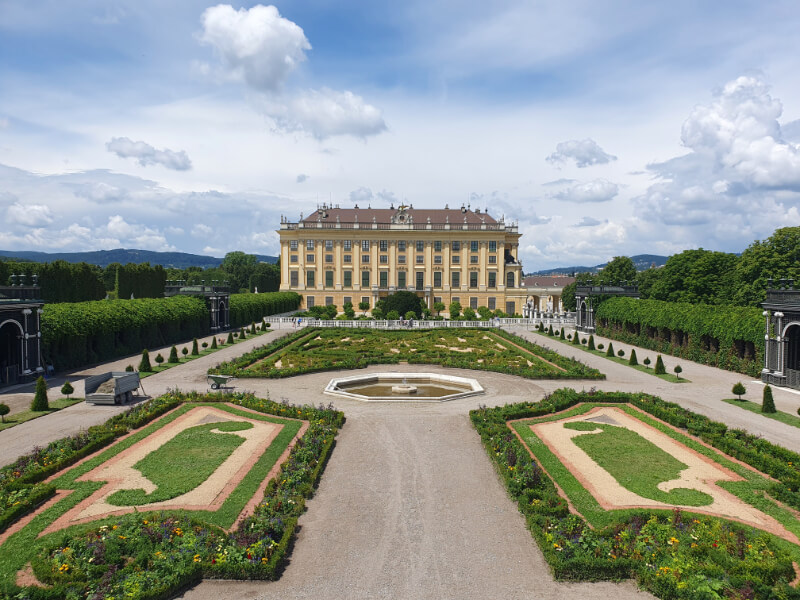
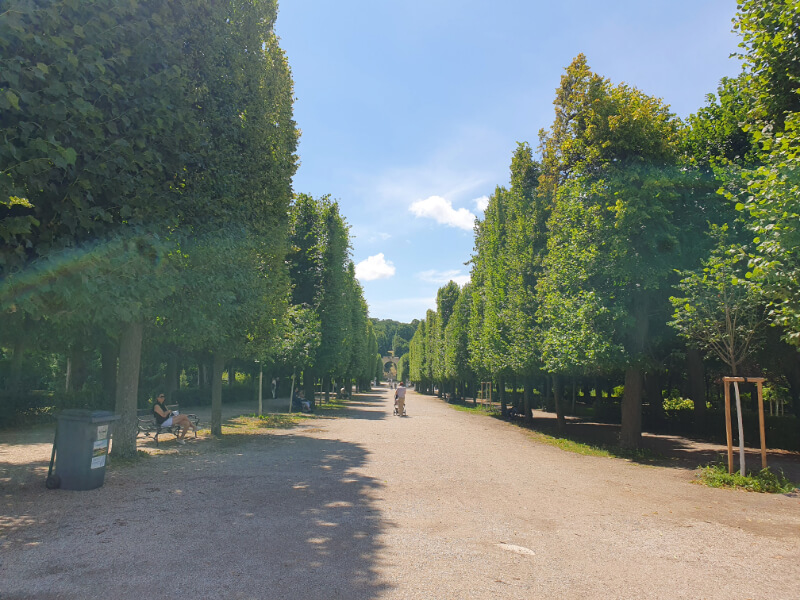
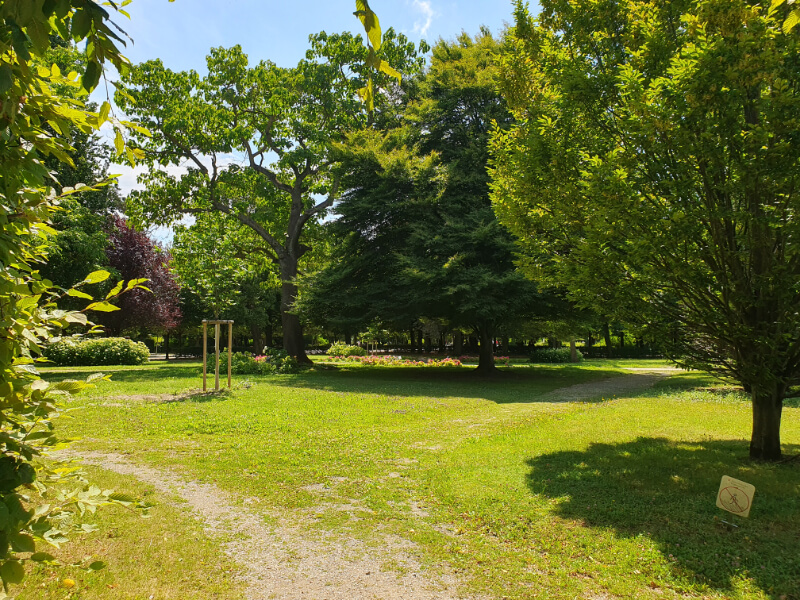
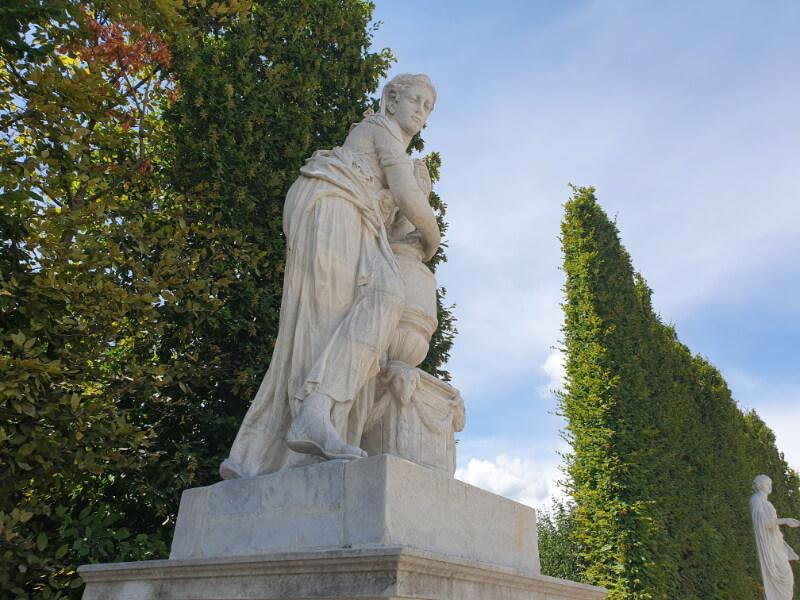
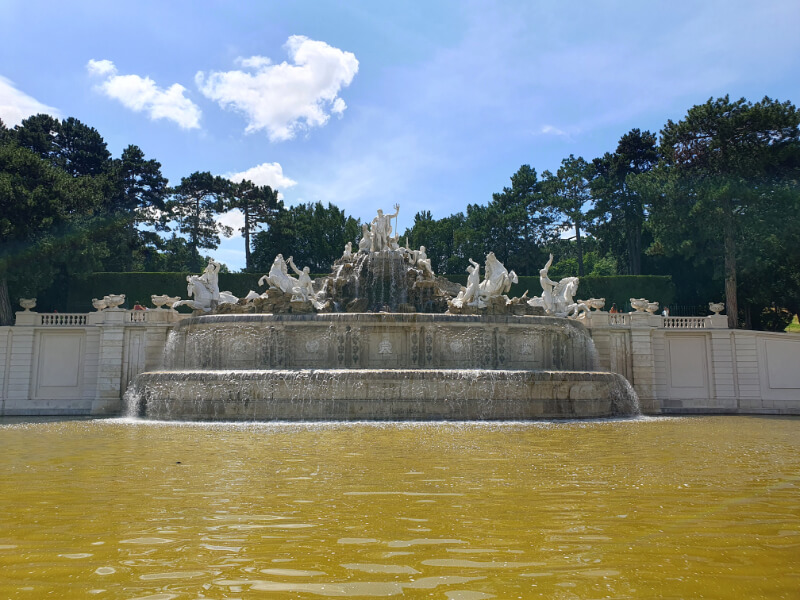
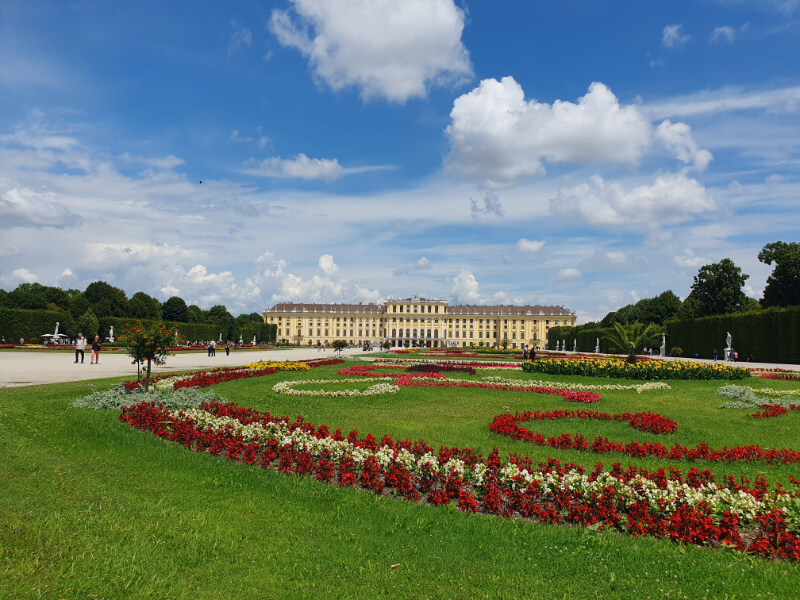
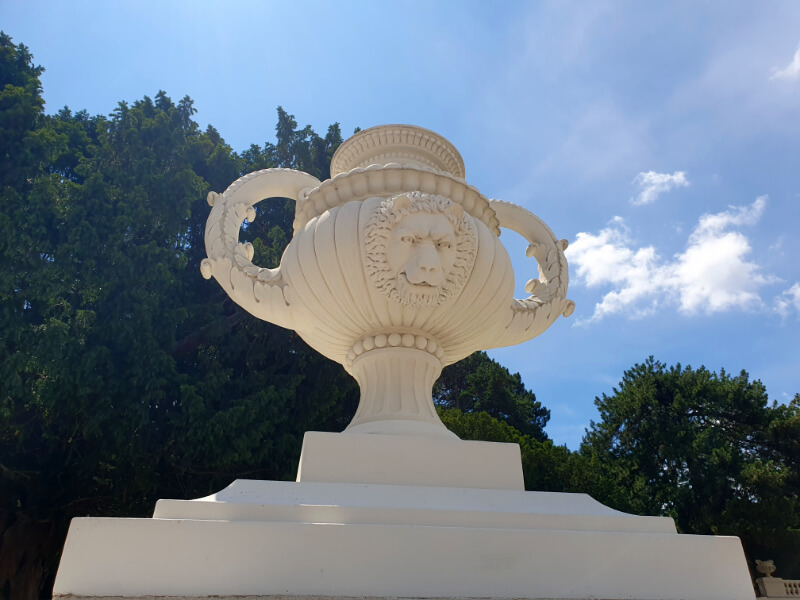
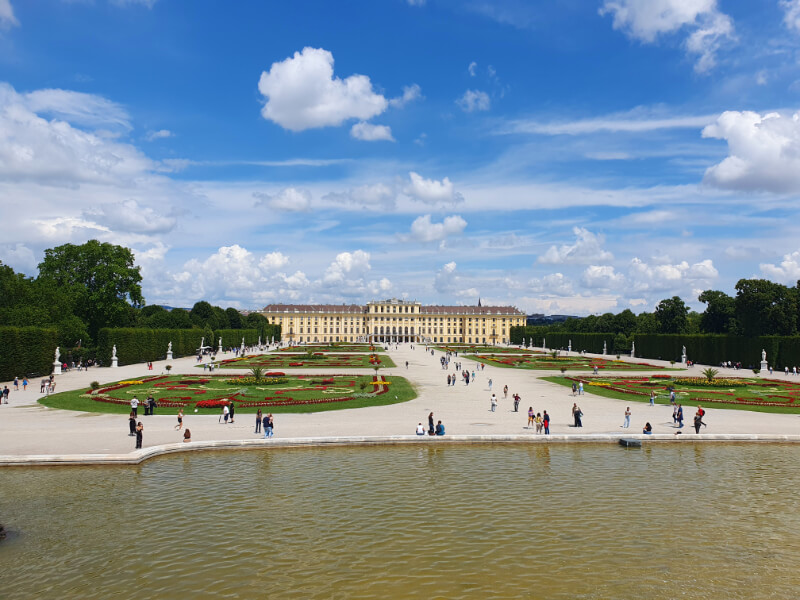
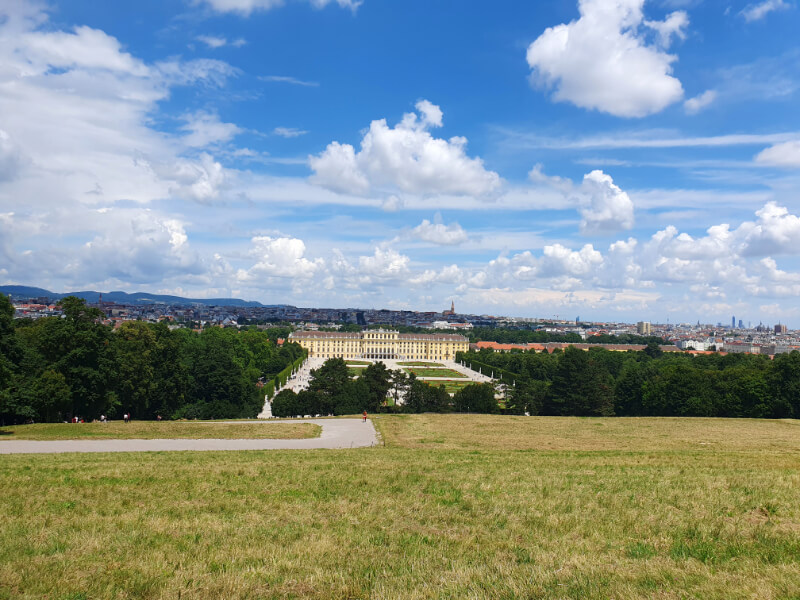
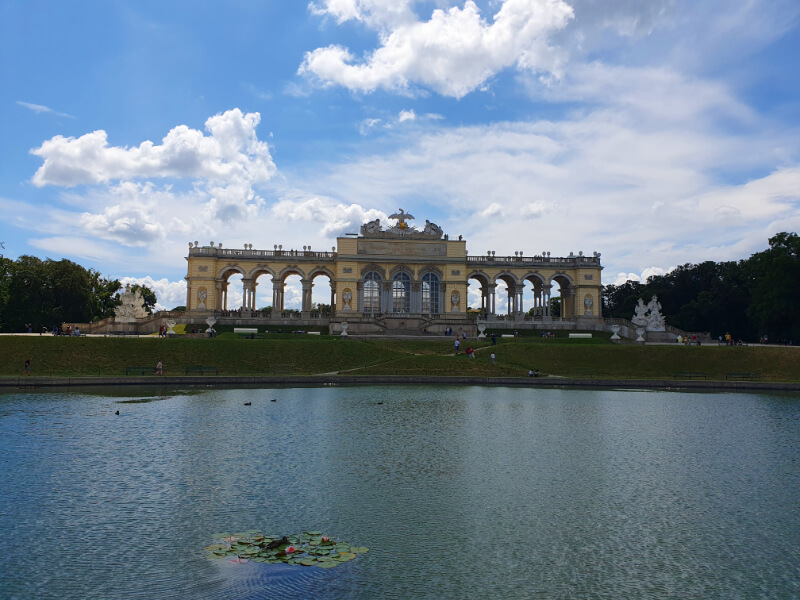
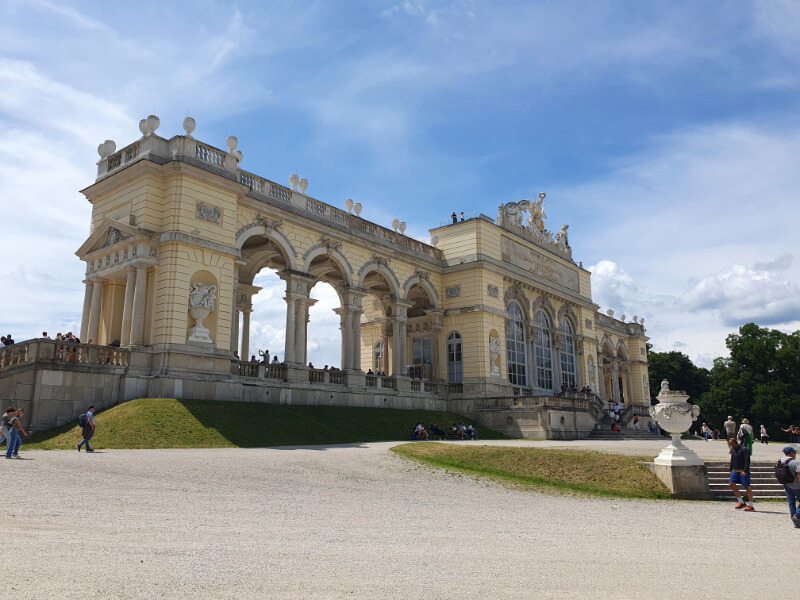
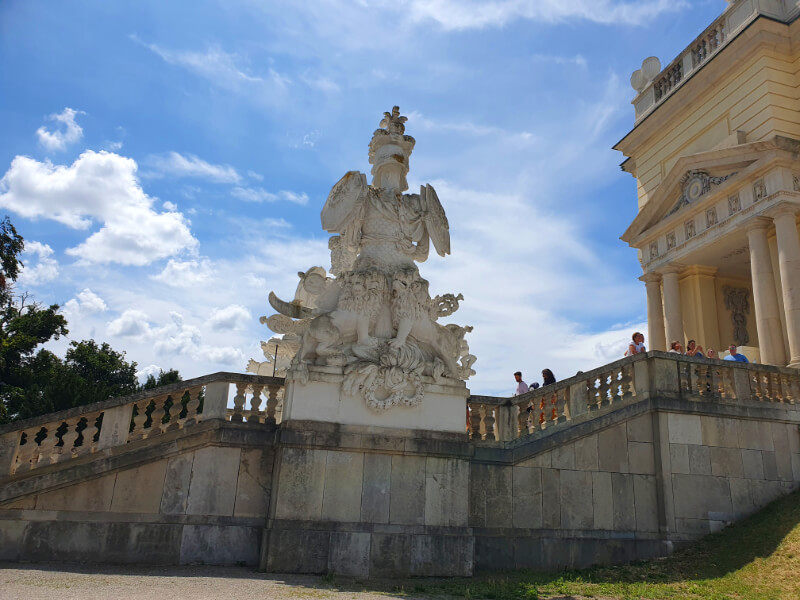
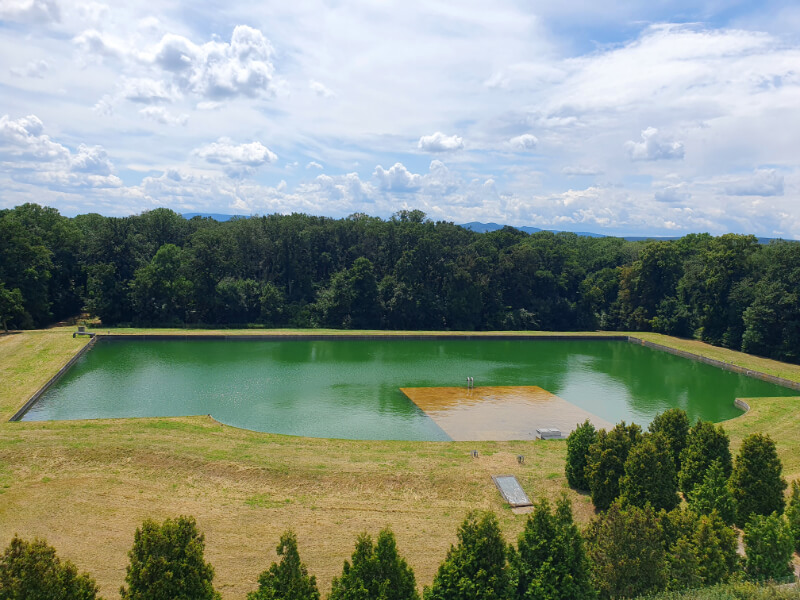
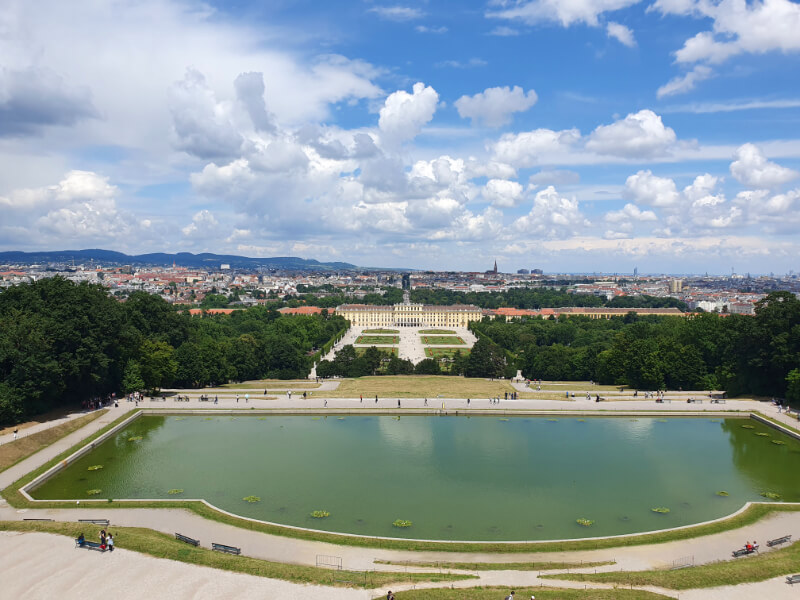
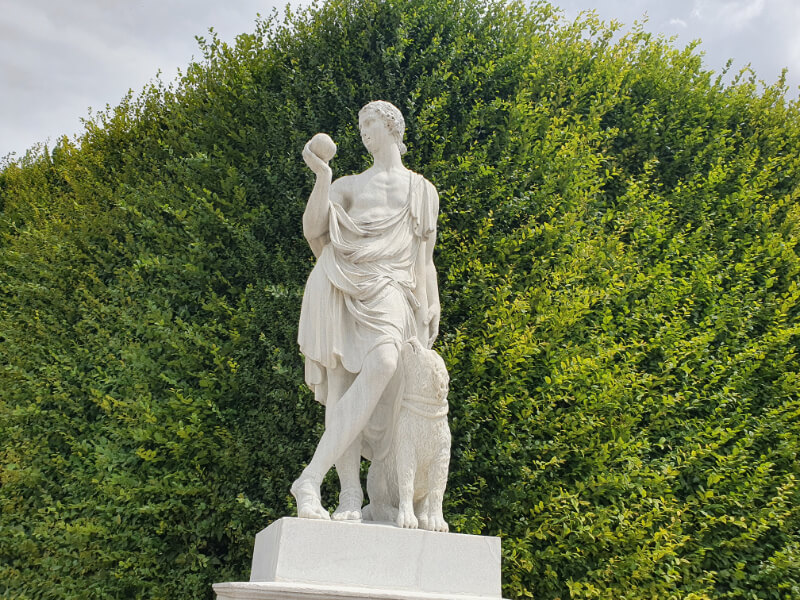
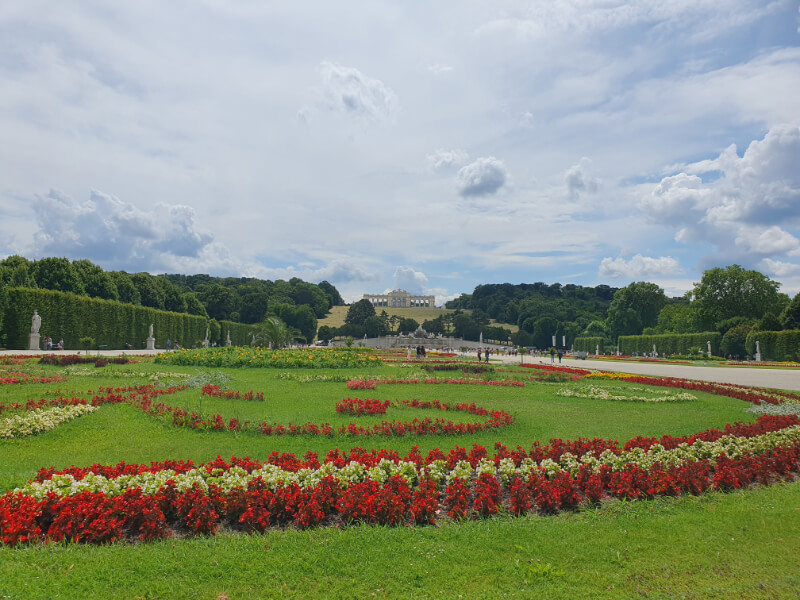
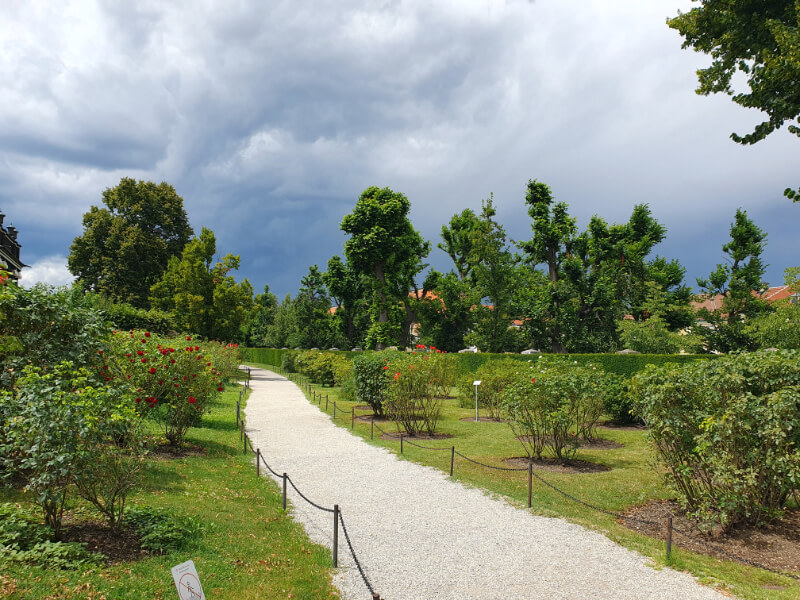
The castle park was designed in the Baroque style. The layout of the garden emphasizes wealth, elegance and magnificent views. Its monumental size, flower beds are arranged in symmetrical geometric shapes. The hedges are regularly trimmed, which can be up to 5 meters high. Among them, there are often hidden buildings, pavilions, statues. In the park, we can find many statues and fountains with mythical and biblical themes. The Neptune Fountain in the center of the garden is such a splendor, which is decorated with a group of marble statues. At the highest point of the park stands the Gloriette, a triumphal arch-shaped structure adorned with decorative sculptures. From its upper terrace, a beautiful, breathtaking, and downright majestic view opens up of the Schönbrunn estate and Vienna.
“Throughout human history, in any great endeavour requiring the common effort of many nations and men and women everywhere, we have learned – it is only through seriousness of purpose and persistence that we ultimately carry the day. We might liken it to riding a bicycle. You stay upright and move forward so long as you keep up the momentum.”
– Ban Ki-moon