
Village with an imposing chateau
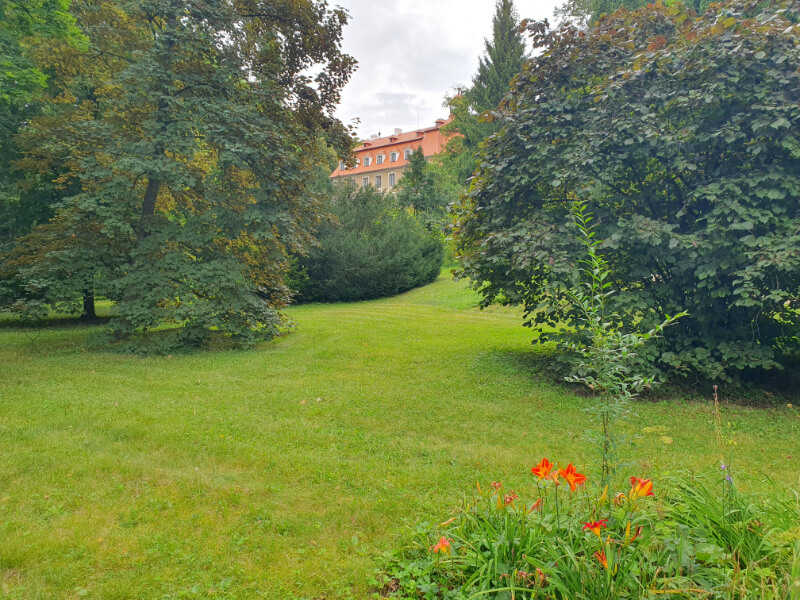
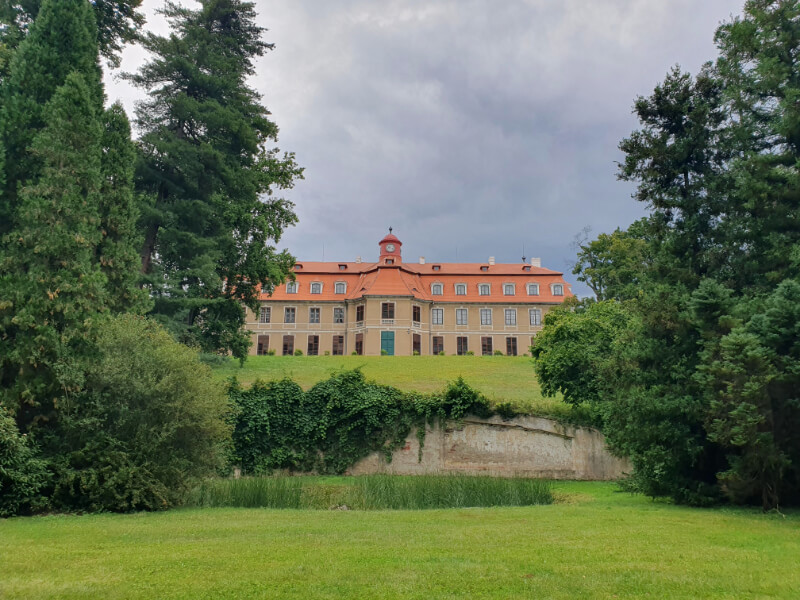
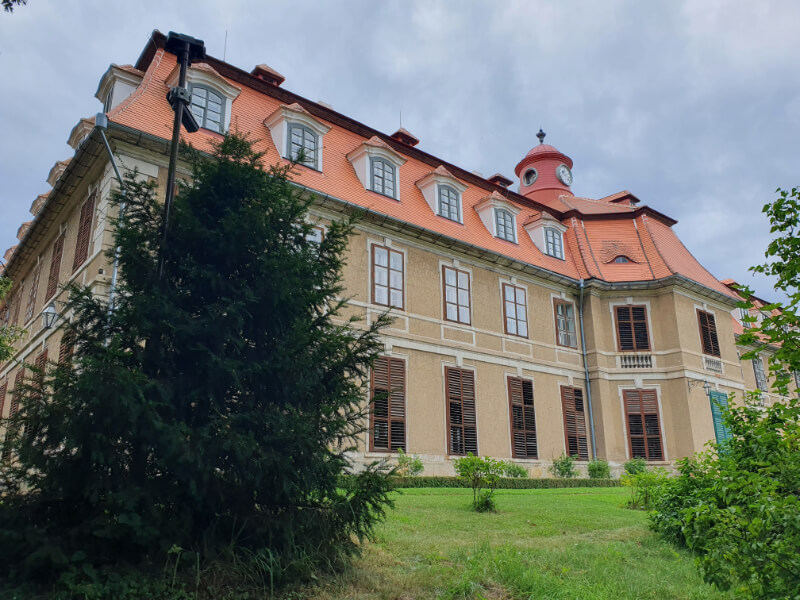
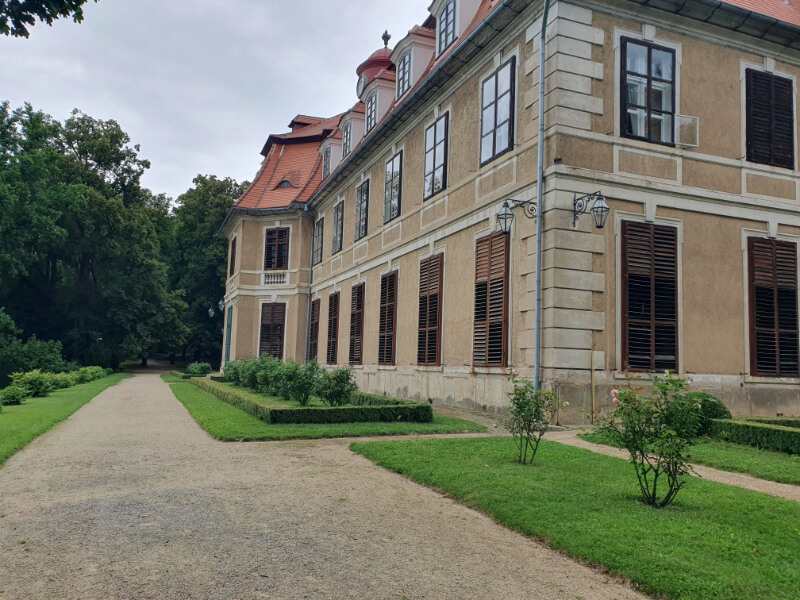
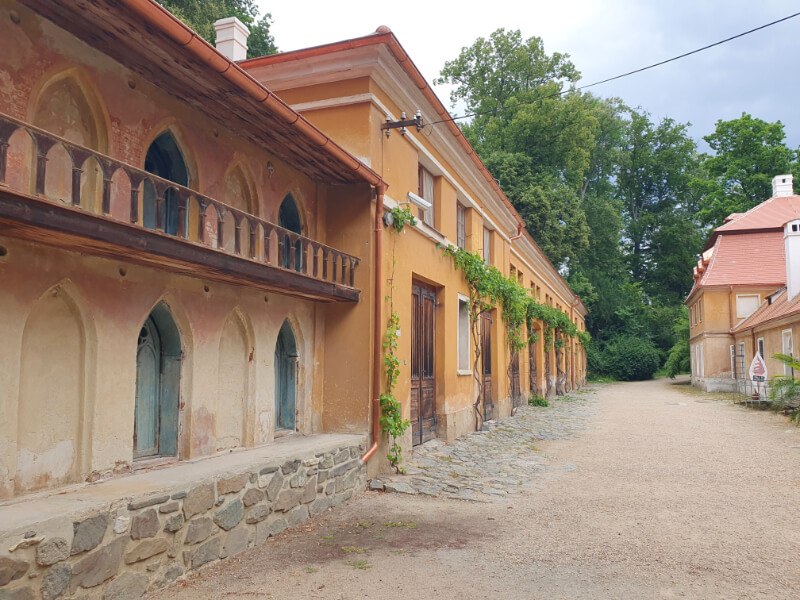
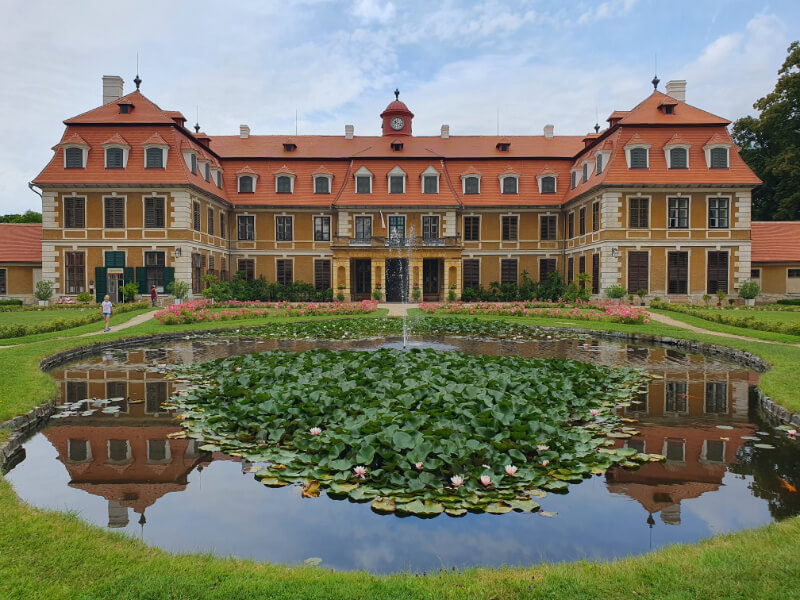
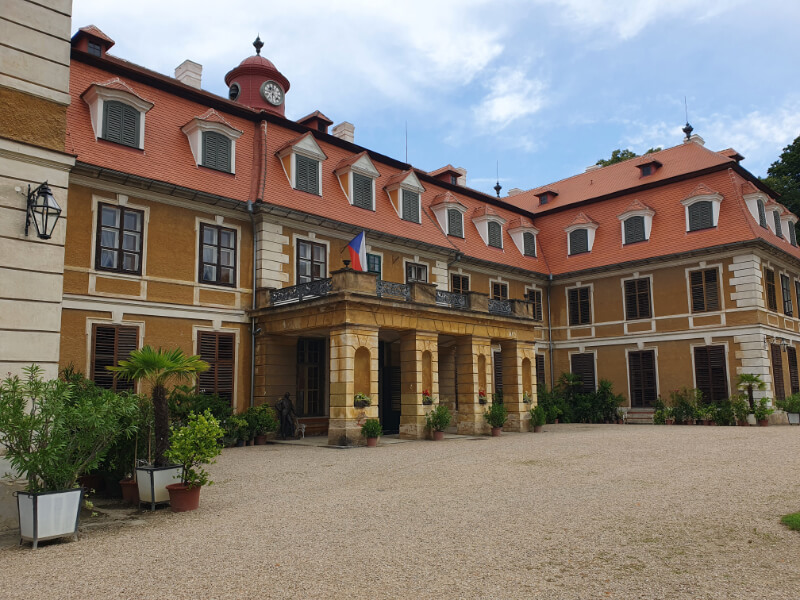
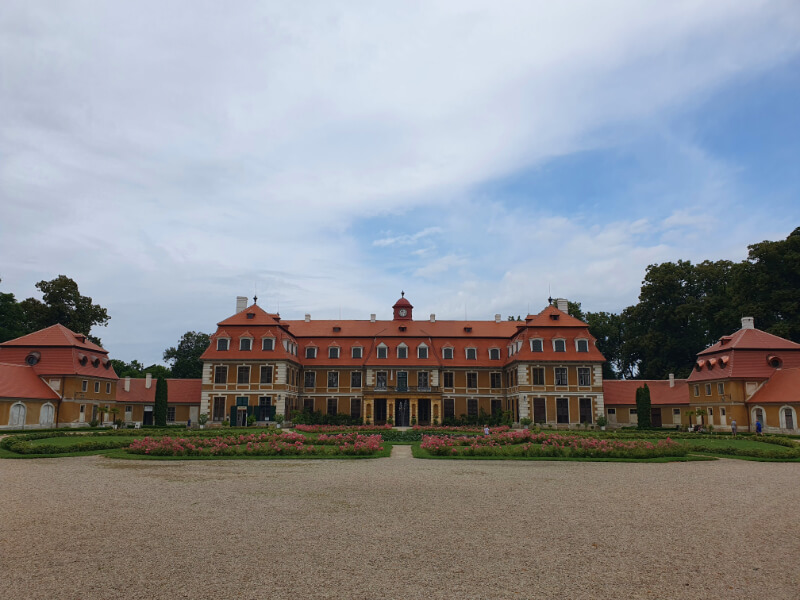
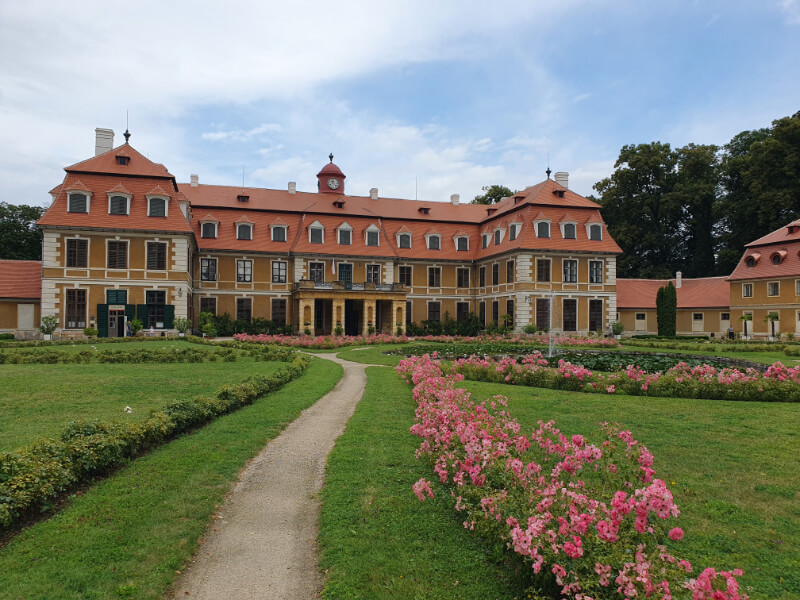
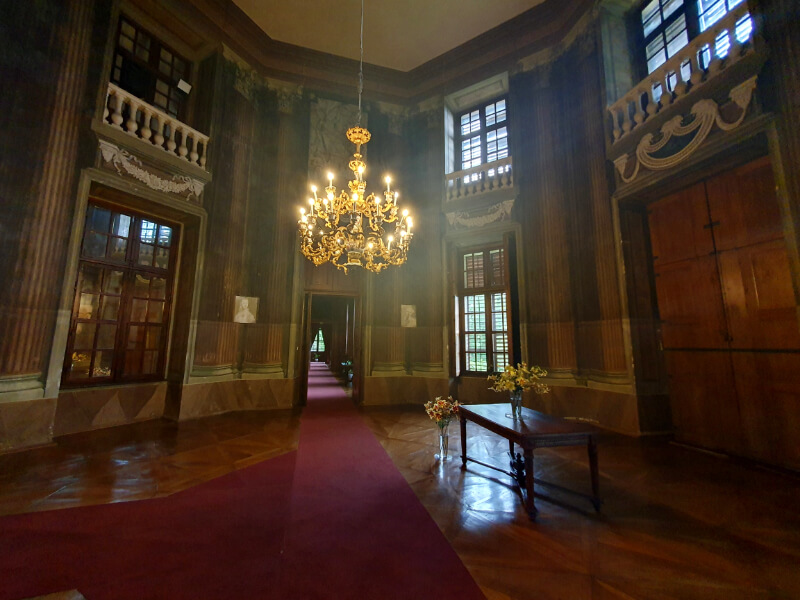
The village of Rájec, part of the town of Rájec-Jestřebí, is located in the South Moravian region, 22 kilometers from Brno and 6 kilometers from Blansko. The first written mention of the town dates back to 1141, but the town probably has an even older history. The city’s landmarks include All Saints’ Church, Statue of Archangel Raphael, Statue of Saint Florian, Two crucifixes and, of course, the impressive castle, Chateau Rájec nad Svitavou or its german name is Schloss Raitz. The Svitava River flows close to the castle, which is also reflected in its name. Rajec nad Svitavou Castle is an aristocratic residence built in the early French neoclassical style. It was built by the members of the noble Salm family in 1763-69 based on the plans of the Viennese architect Isidor Amando Marcel Canevala.
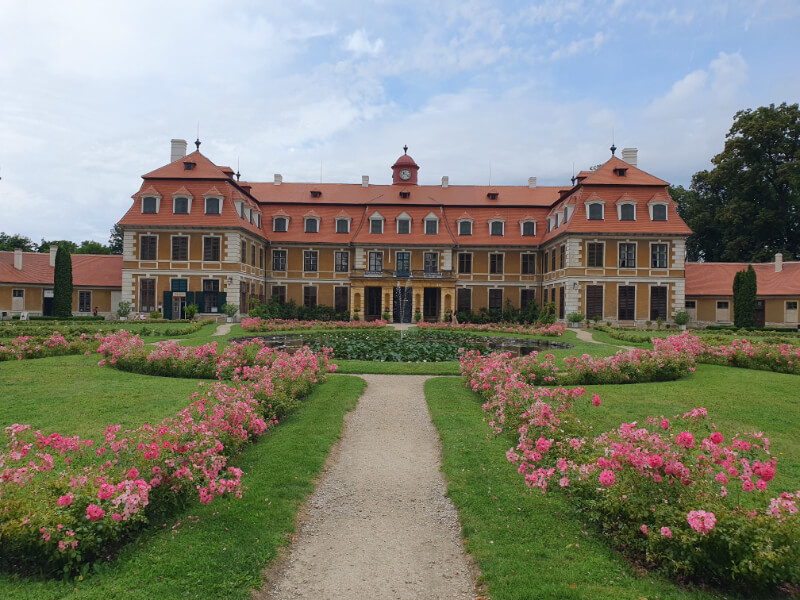
A romantic castle park
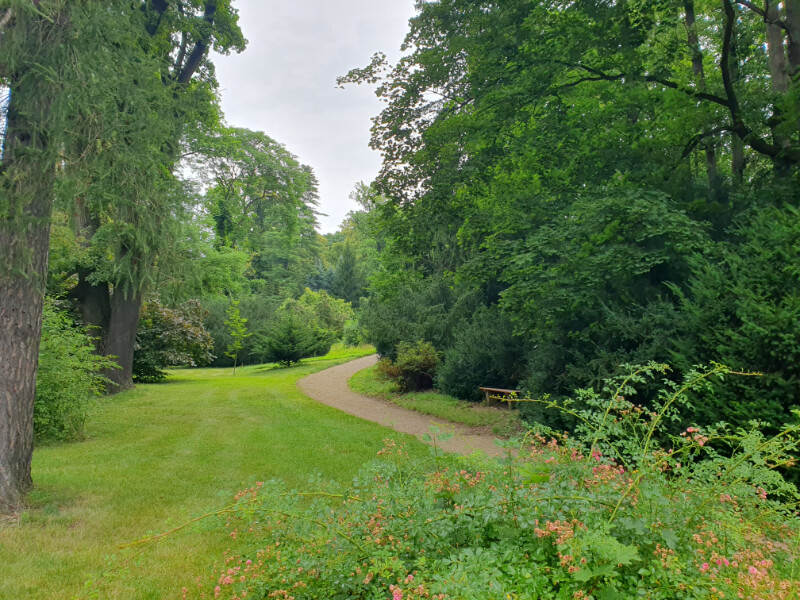
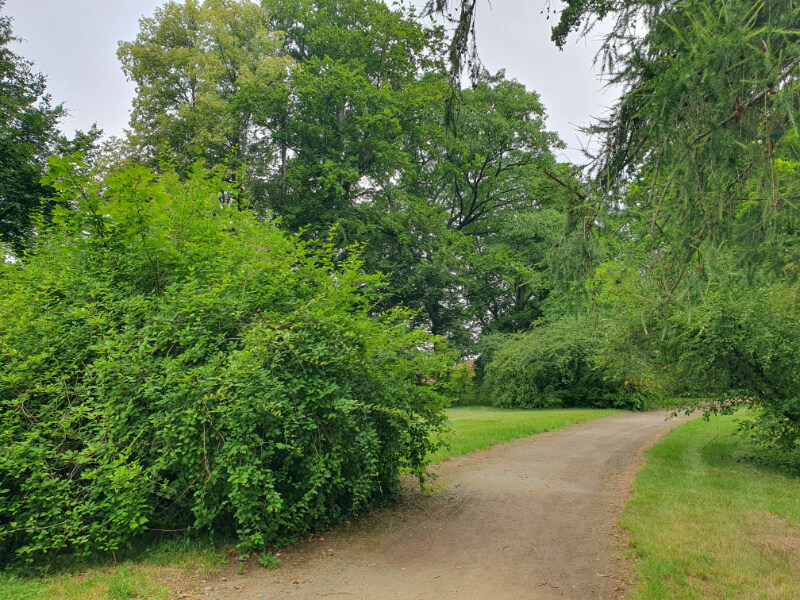
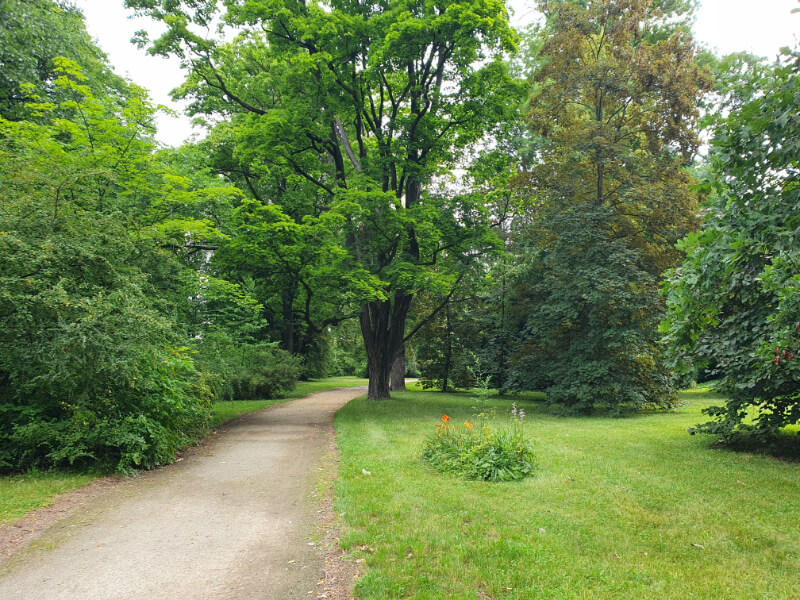
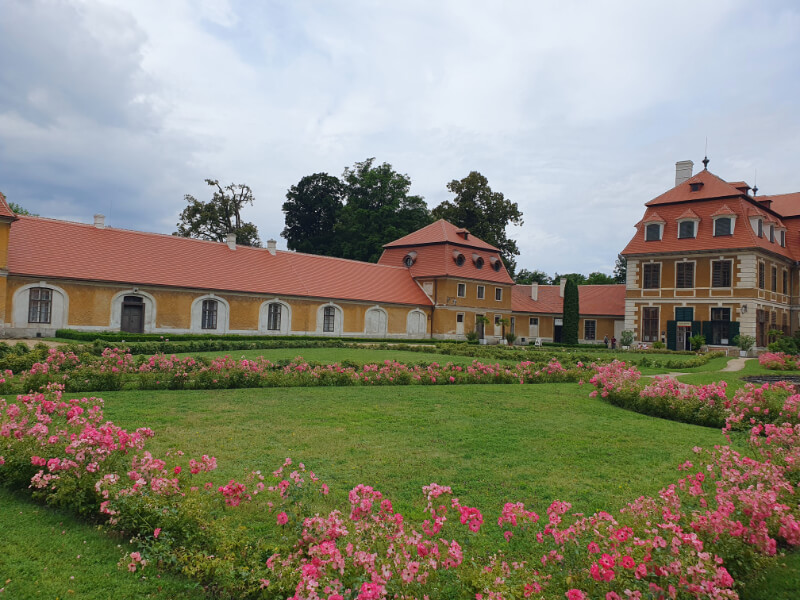
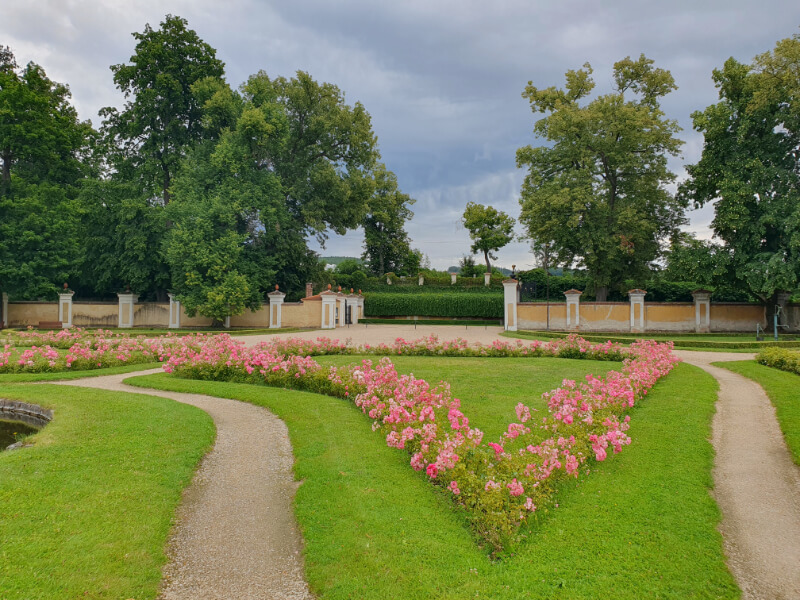
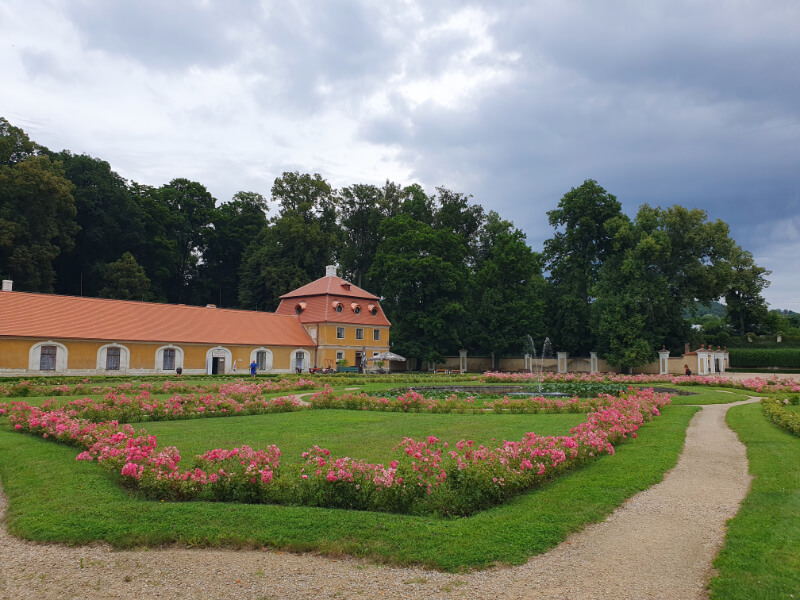
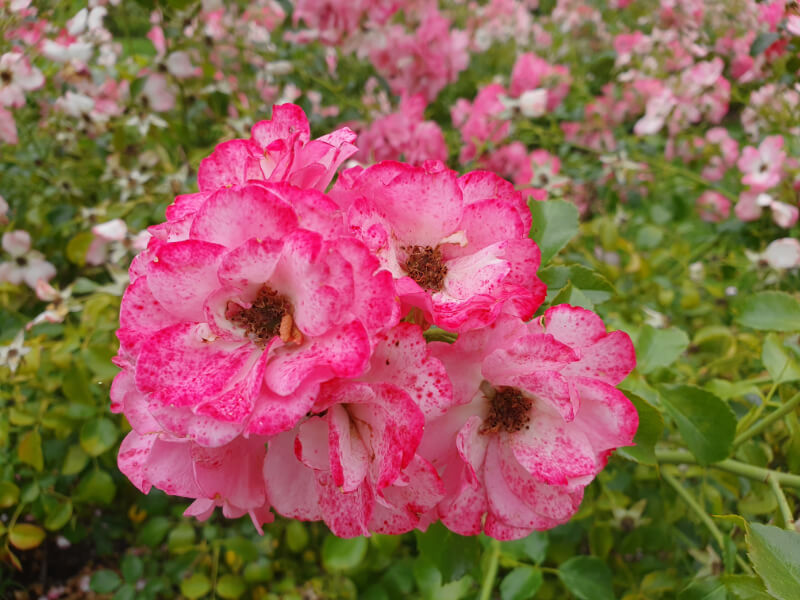
The castle garden, as a tribute to the romanticism of the time, is a large, 14-hectare ornamental park, in a free landscape layout, surrounded by a fence. The Salm noble family expanded it to its current size. The park’s garden paths invite you to stroll and explore the garden. Its paths feature numerous rare trees, flowers, and three interconnected lakes with a waterfall. Part of the castle’s horticulture is the unique camellia collection, from which an exhibition is held every year.
Collection of the noble Salm family
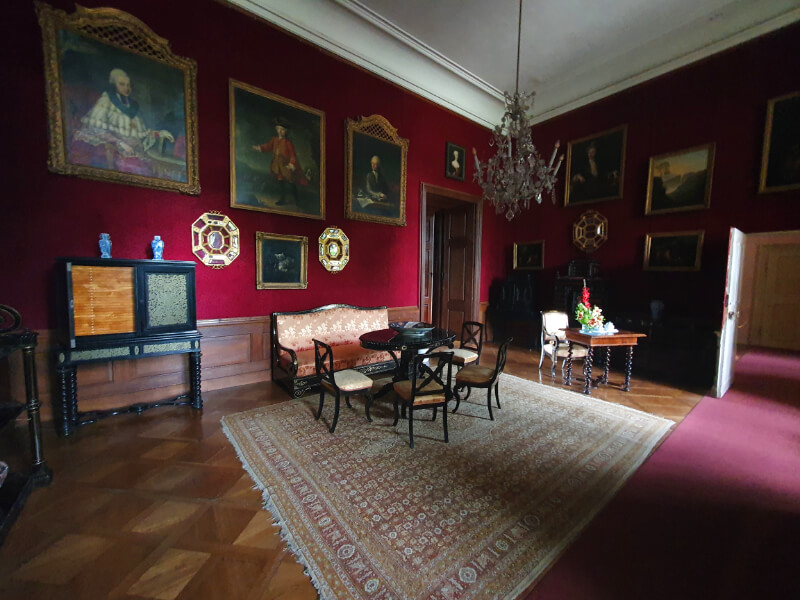
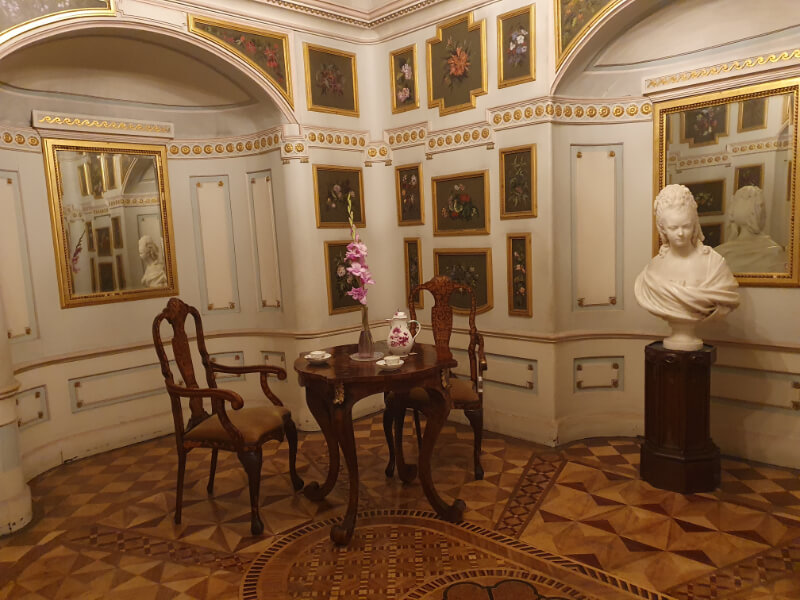
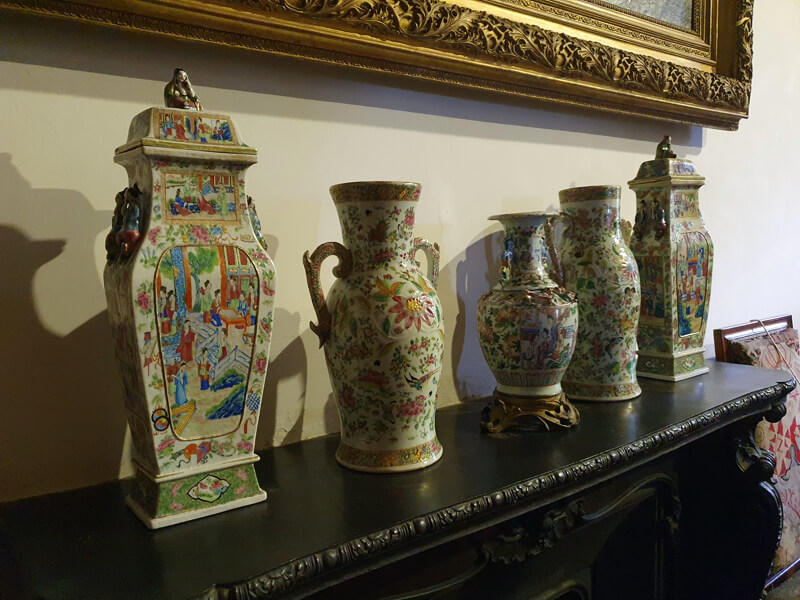
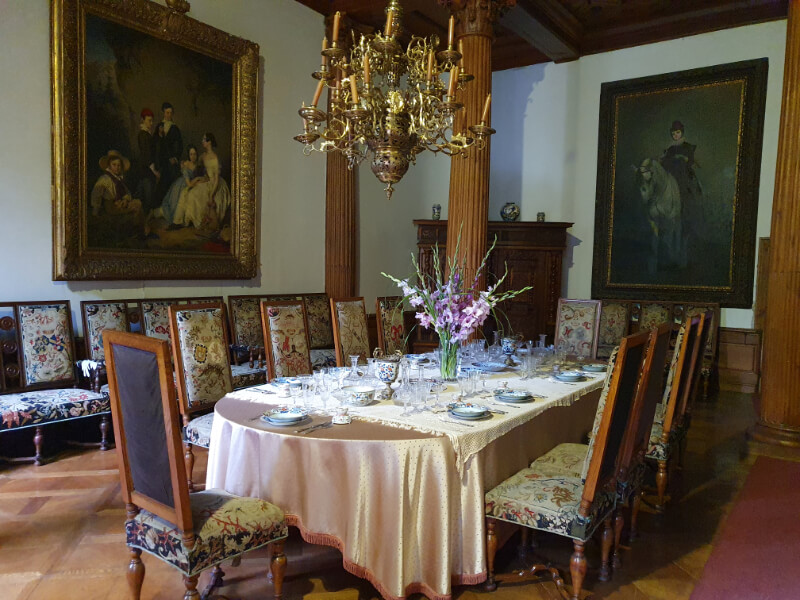
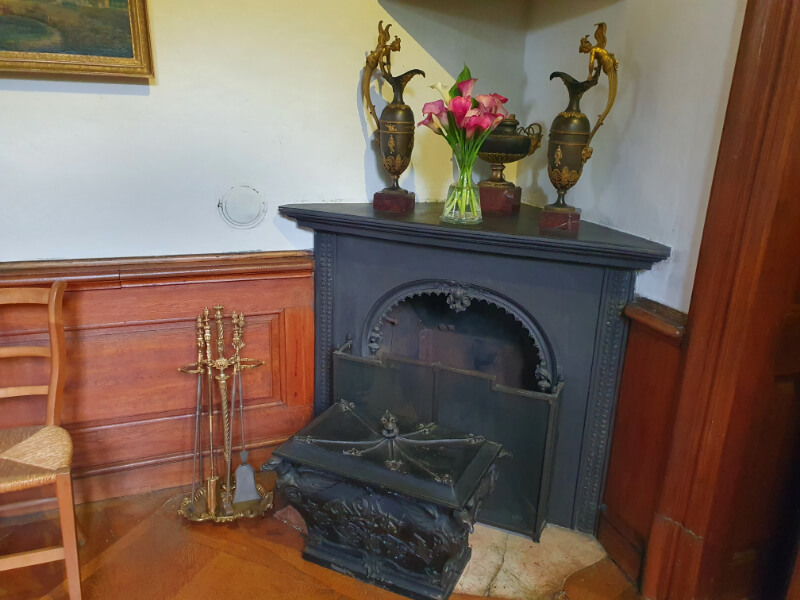
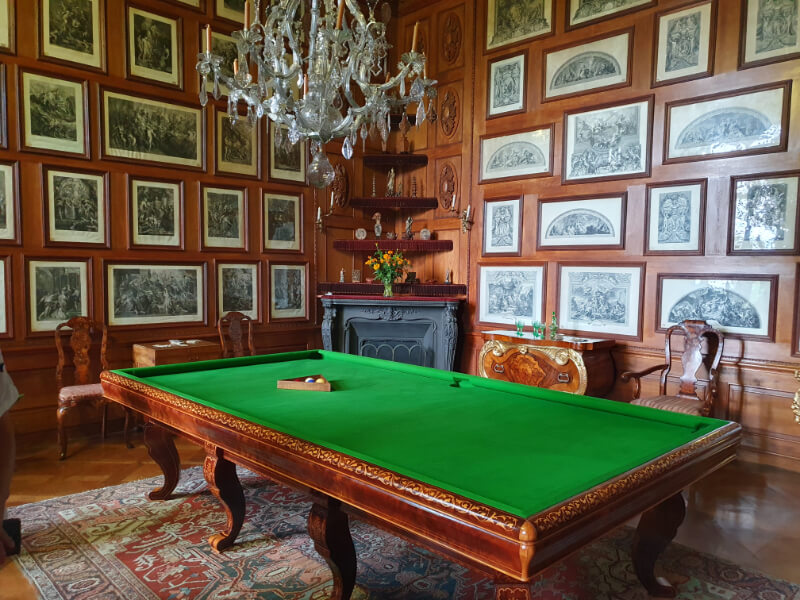
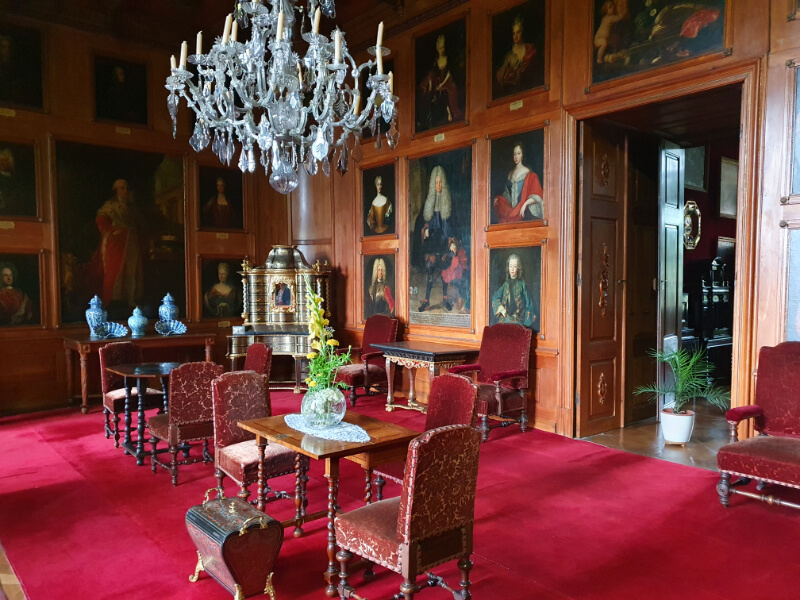
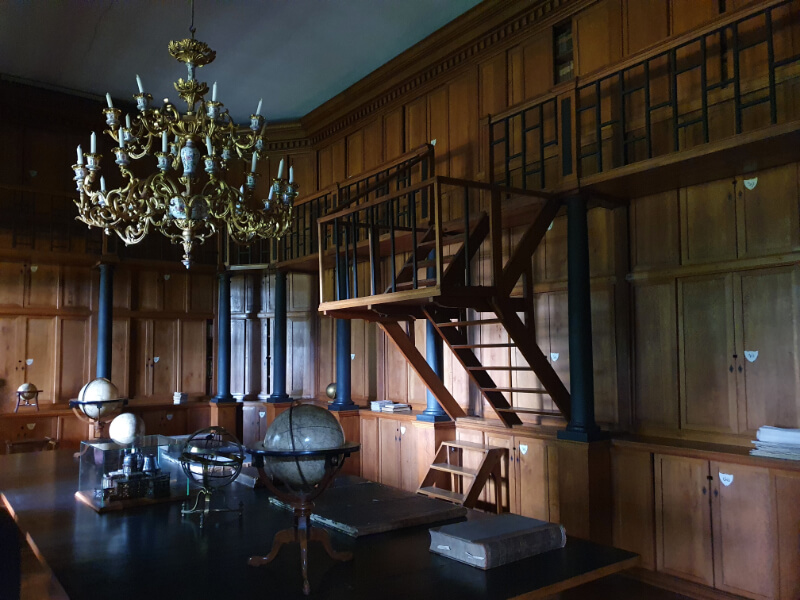
The castle is decorated with ornaments and furnishings from the Salm family’s collecting activities. Ebony furniture, oriental porcelain and crystal glasses and special gilded chandeliers, in which a coffee set made of Hungarian Herend porcelain is built. Dutch and Flemish Baroque paintings, works by Italian and French artists, German and Austrian Romantic painters, and masterpieces of Czech painting. The library here contains sixty thousand volumes, available in eleven languages. It is one of the largest castle libraries in the Czech Republic, containing literature and educational works from many fields.
“Change does not roll in on the wheels of inevitability, but comes through continuous struggle. And so we must straighten our backs and work for our freedom. A man can’t ride you unless your back is bent.”
– Martin Luther King, Jr.