
Mikulov historical town
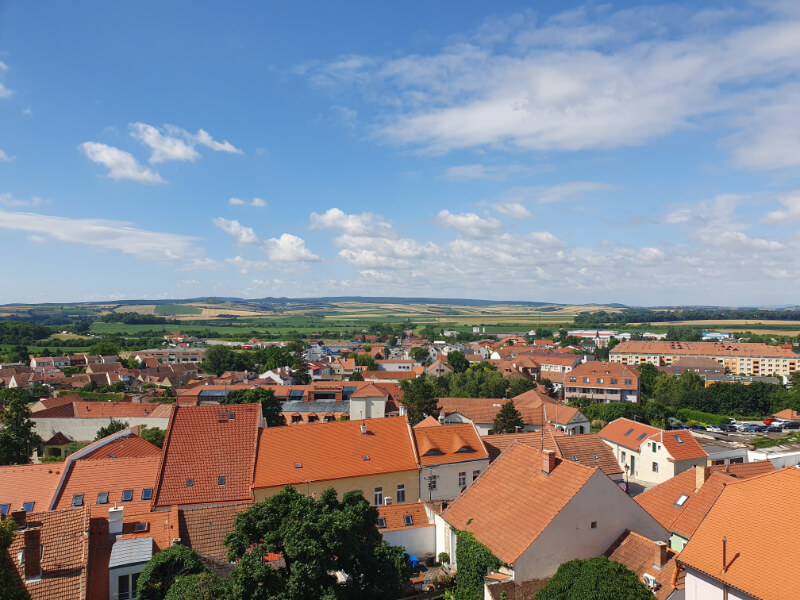
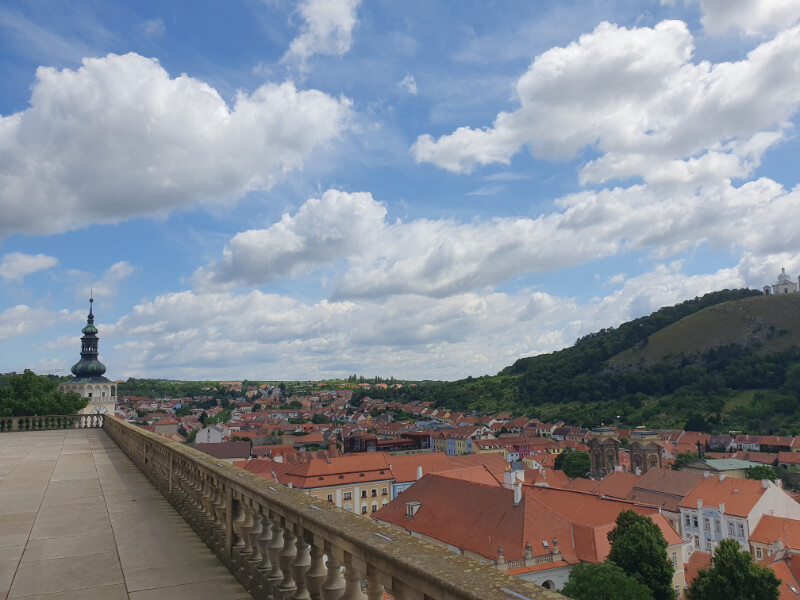
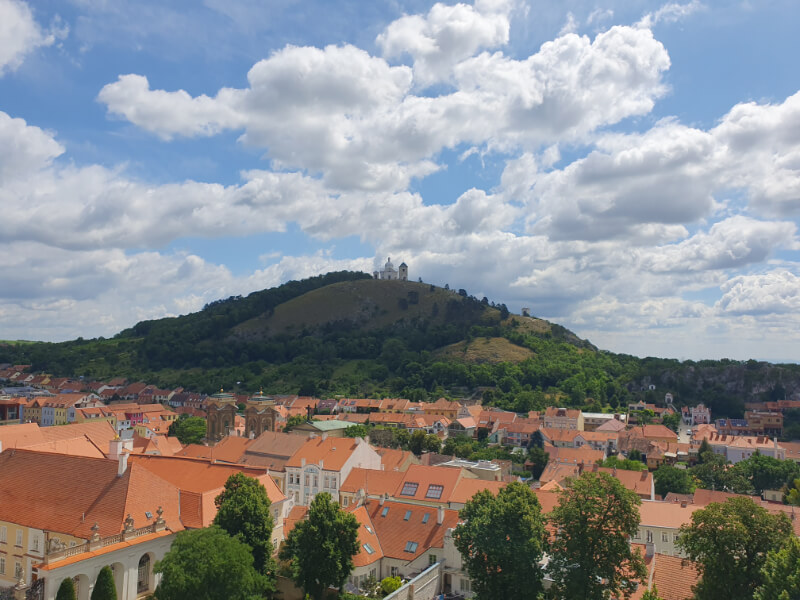
The South Moravian region of the Czech Republic is surprisingly rich in attractions. I recently visited the historic town of Mikulov, located 42 kilometers (~26.1 miles) from Brno in the Břeclav district near the Austrian border. Much of it lies within the Pálava Nature Reserve. Pálava is the driest and hottest area of the Czech Republic, with an almost Mediterranean feel. This stunningly beautiful landscape is rich in flora and fauna. Its large area consists mainly of agricultural land and vineyards.
Pálava Nature Reserve
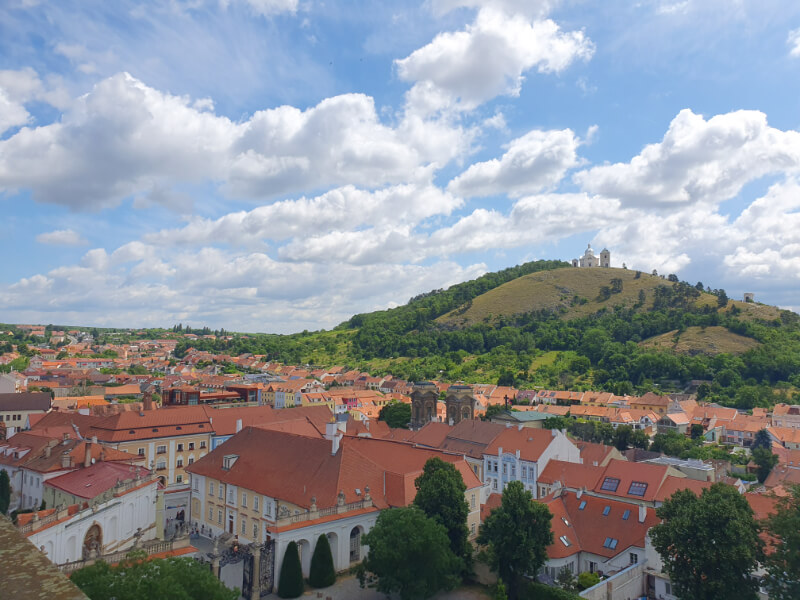
The Pálava Nature Reserve also includes archaeologically significant sites from the 13th and 14th centuries. These include the Holy Hill (Svatý Kopeček), Orphans’ Castle (Sirotčí hrádek), the Maidens’ Castles (Dívčí hrady) and the Archeopark in Pavlov. The archaeological park provides an insight into how people lived in prehistoric times. How they hunted and created their first works of art, such as the Venus of Dolní Věstonice. This is a ceramic statuette depicting a naked female figure, which is estimated to have been made between 31,000 and 27,000 years ago. The find was found in the Dolní Věstonice Paleolithic site in the Moravian Basin. It is one of the oldest known ceramic objects in the world.
“There is no end to education. It is not that you read a book, pass an examination, and finish with education. The whole of life, from the moment you are born to the moment you die, is a process of learning.”
– Jiddu Krishnamurti
History of the castle
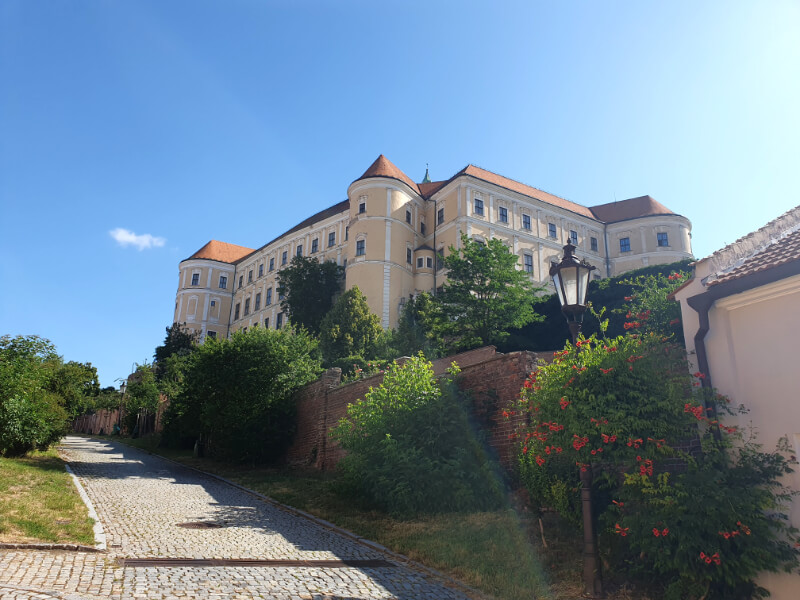
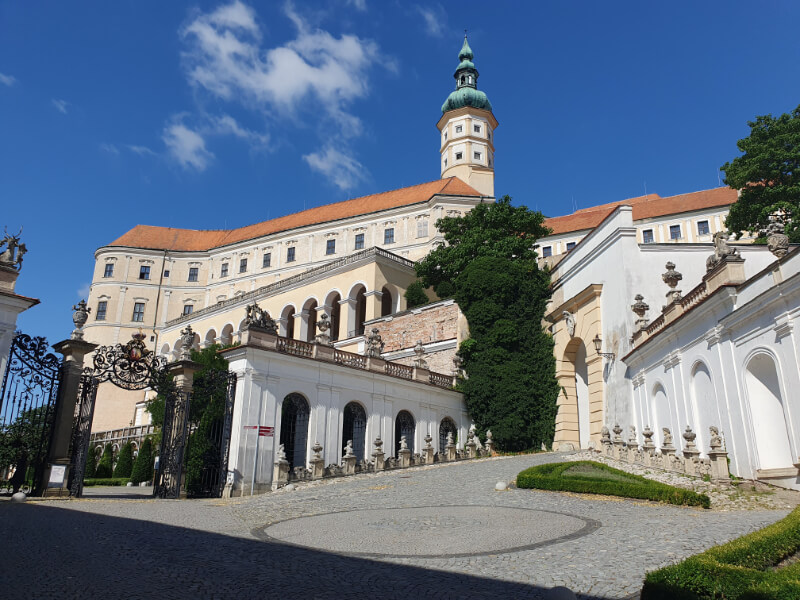
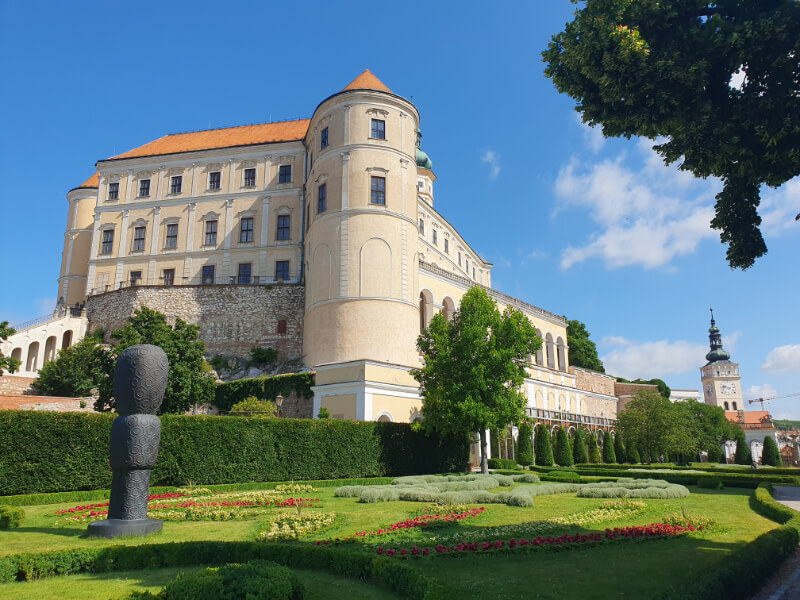
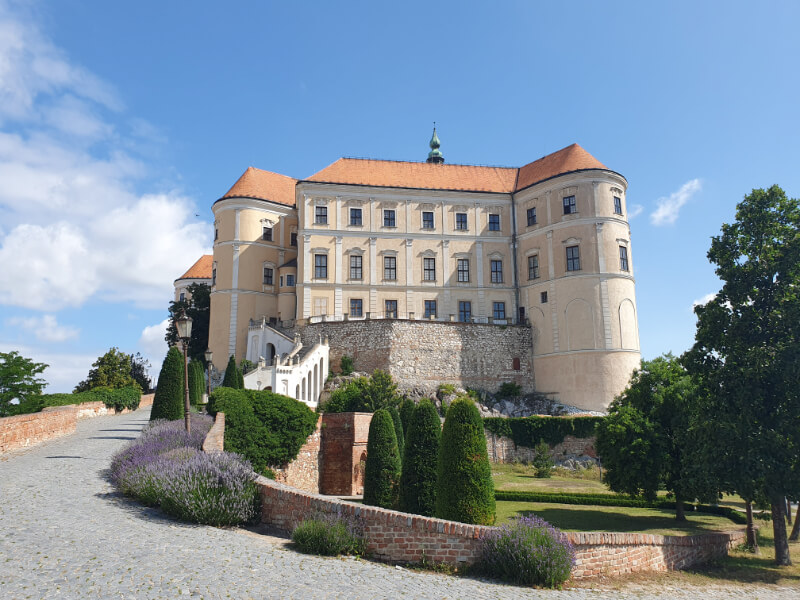
The original stone castle on the Mikulov cliff was built in the 13th century. In German, Chateu Mikulov is called Nikolsburg. In the time of its existence, it underwent several transformations and renovations. During the World War, the anthropological collection of the Moravian Museum (Dietrichstein Palace, Anthropos, Bishop’s Courtyard) was safely housed here. However, at the end of the Second World War, a fire of mysterious origin broke out, when the entire castle burned down. Unfortunately, many anthropological finds stored here were also destroyed in the fire. At that time, the castle naturally underwent an extraordinary complete renovation.
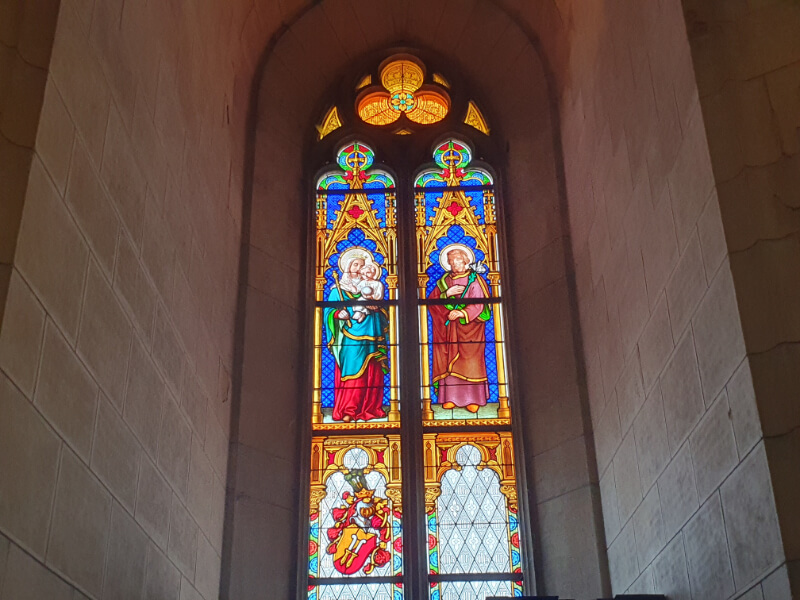
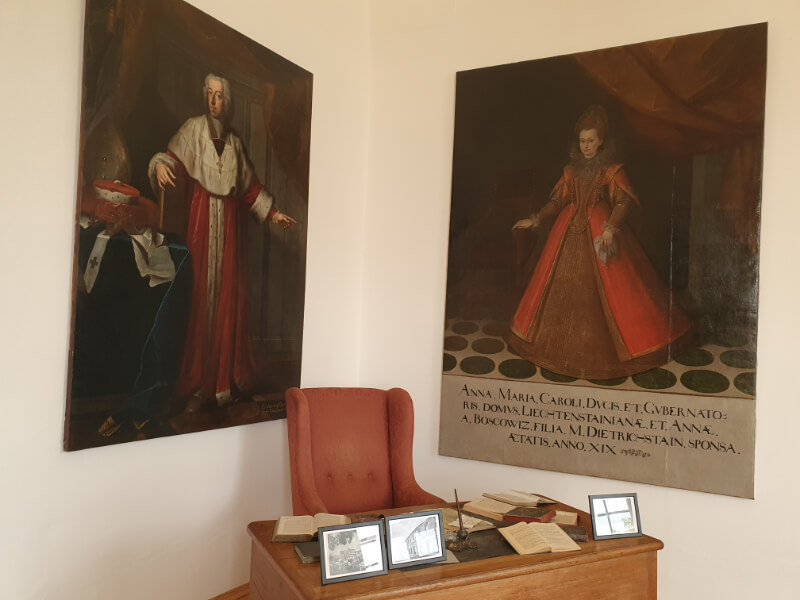
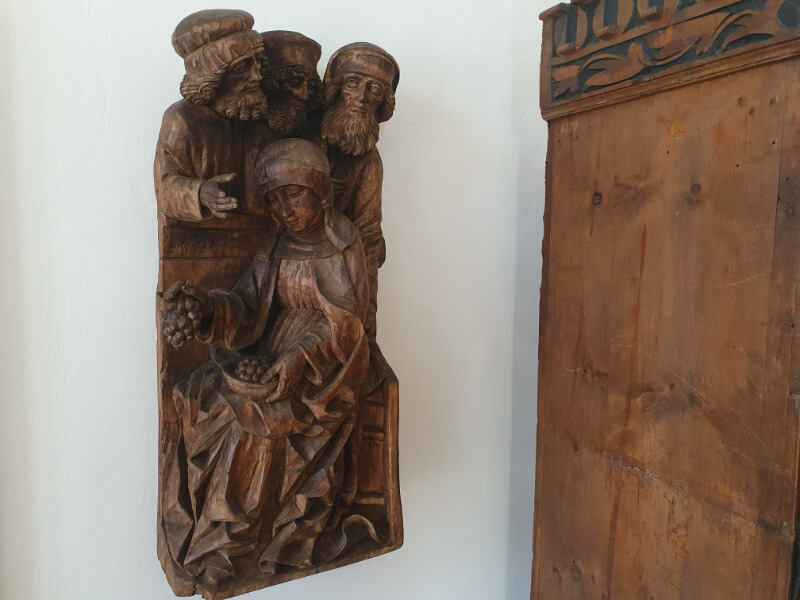
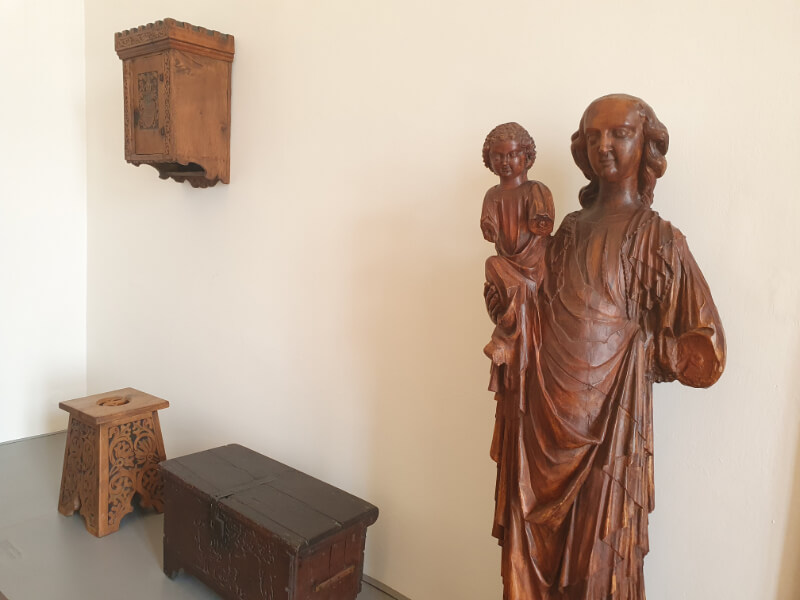
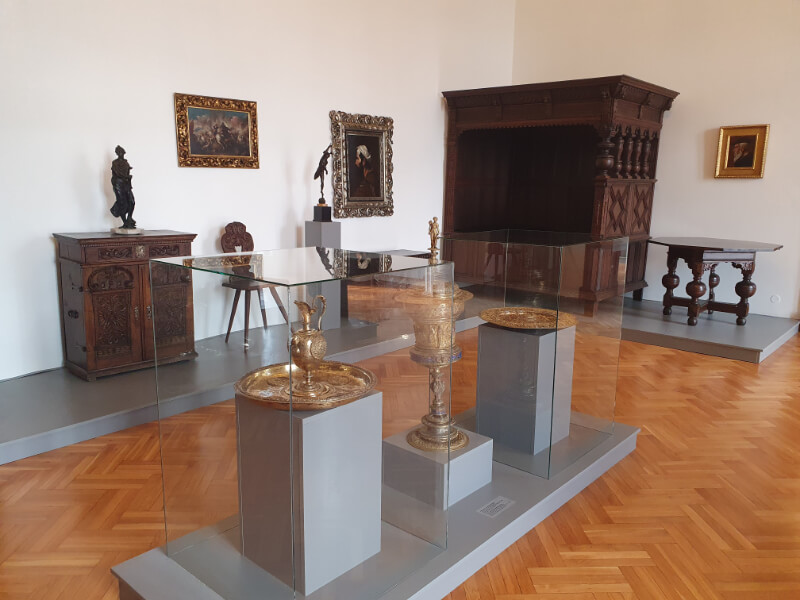
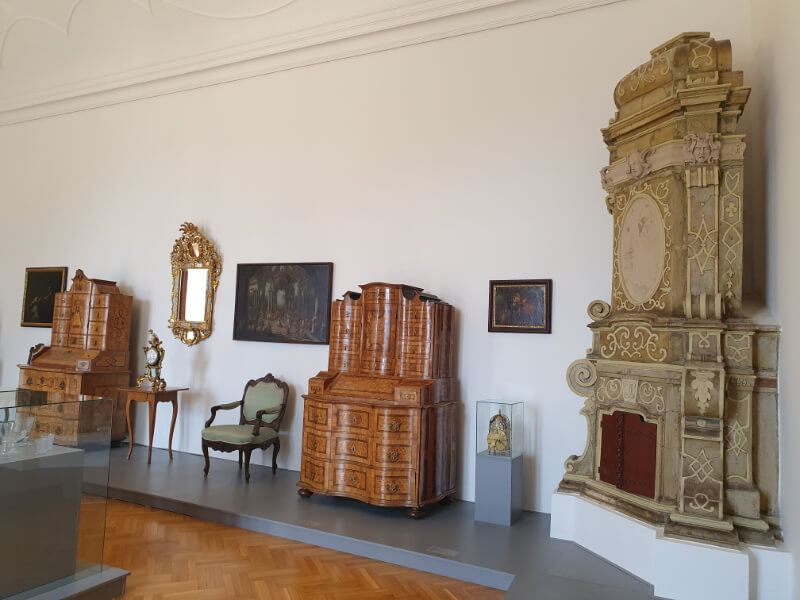
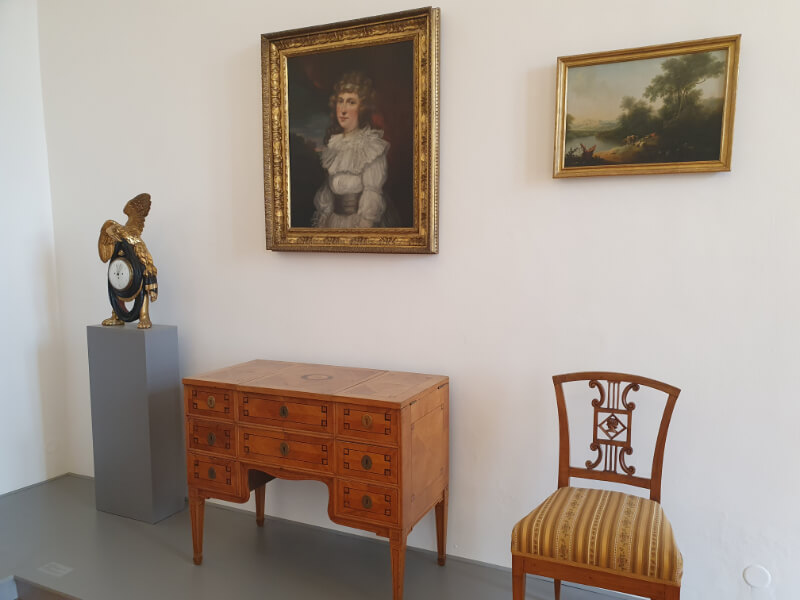
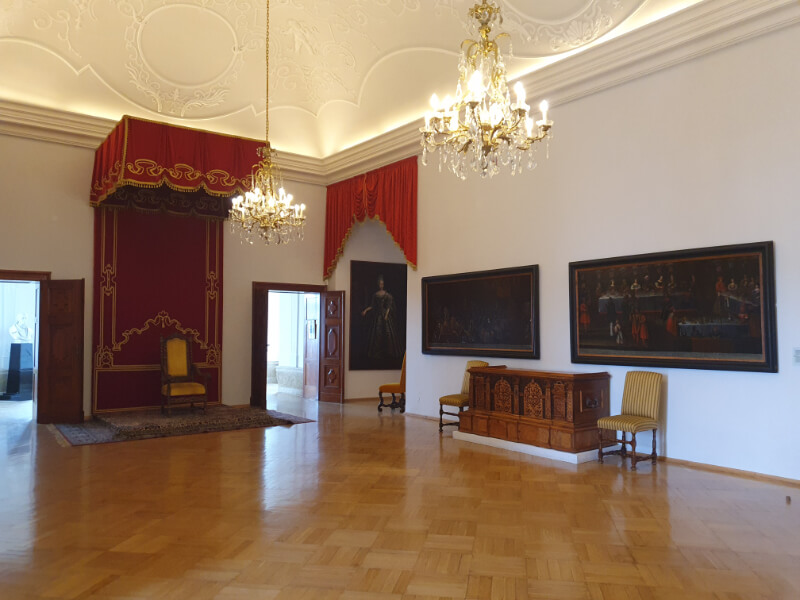
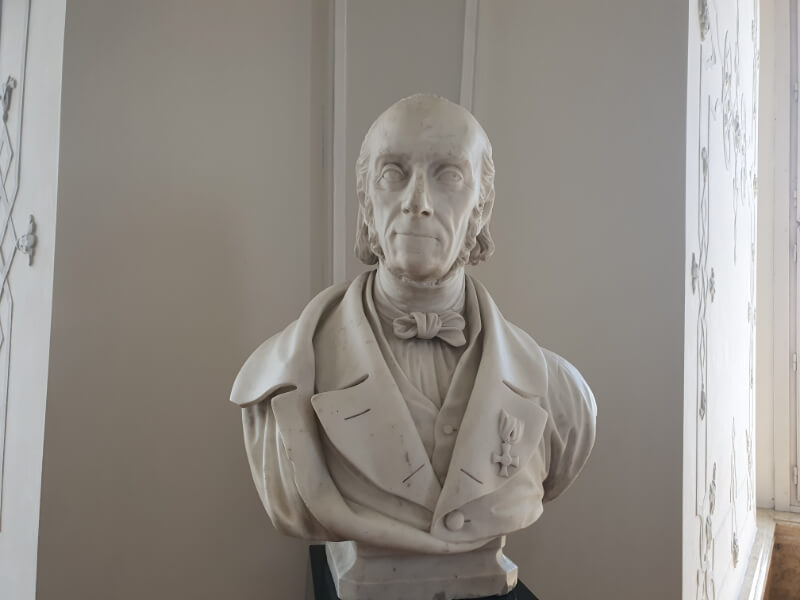
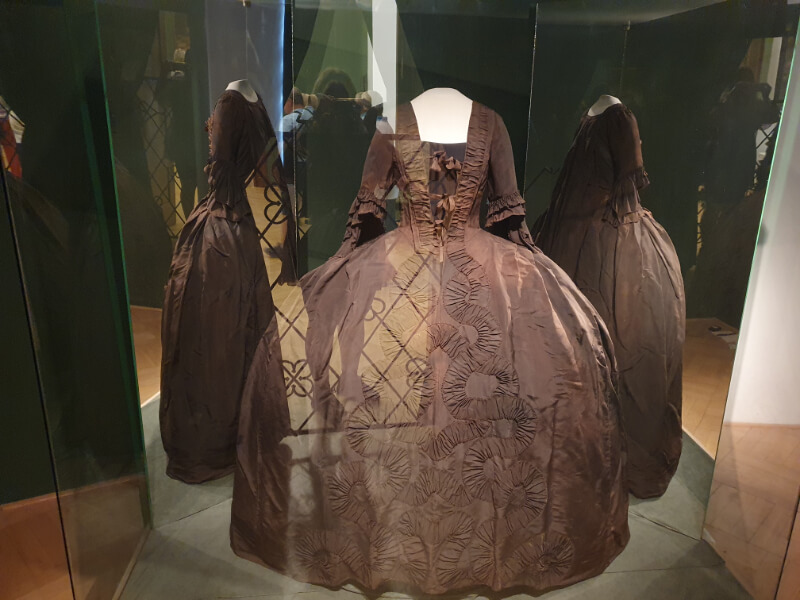
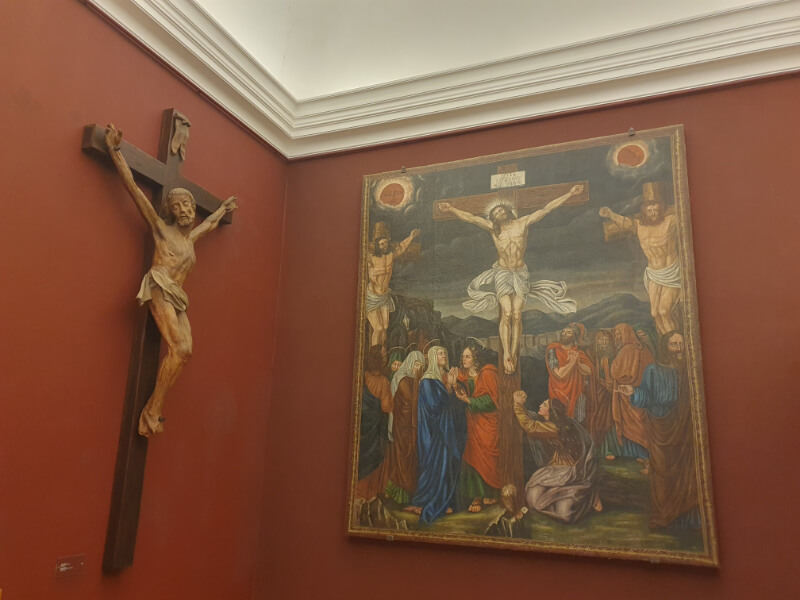
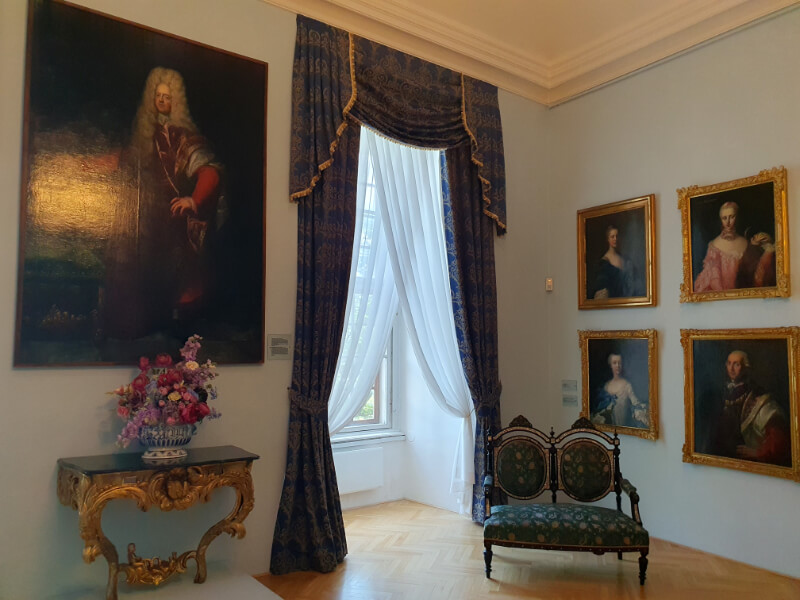
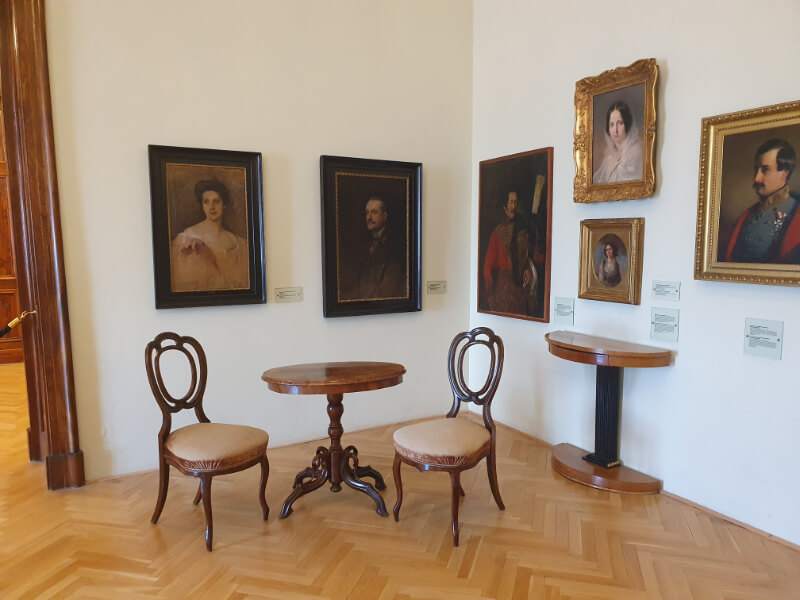
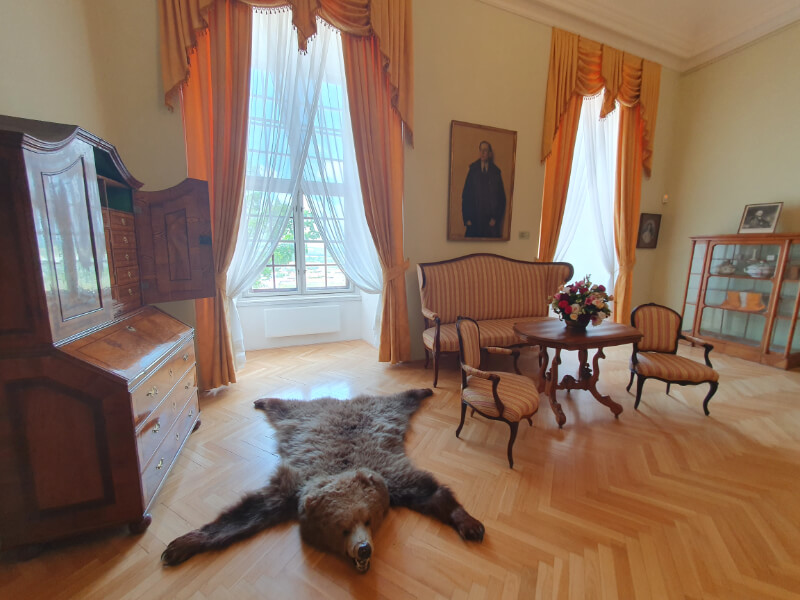
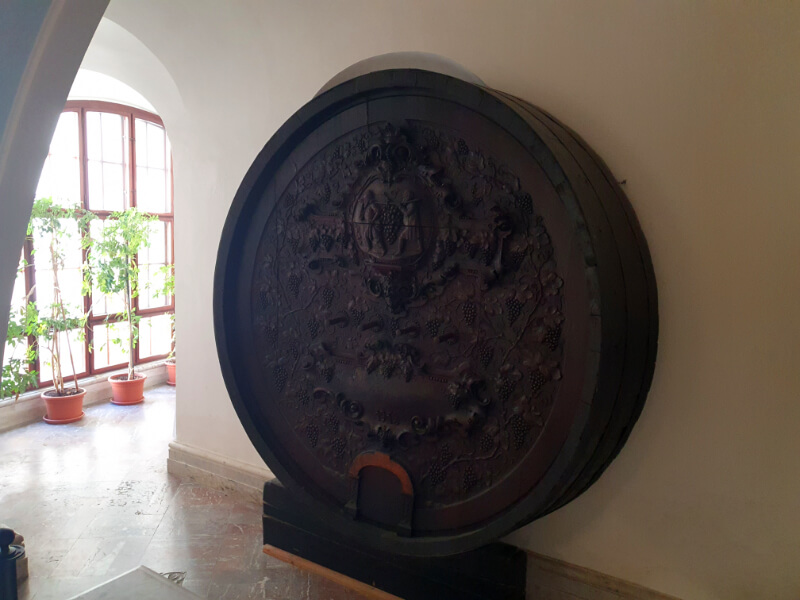
The estate was originally donated by Emperor Maximilian II to Adam von Dietrichstein. Today, the castle houses paintings from the Dietrichstein family collection, a library and a huge wine barrel. This is the Mikulov Regional Museum. Over the years, many prominent historical figures have visited here, such as Napoleon Bonaparte, and it was here that Franz von Dietrichstein and Gabriel Bethlen signed the Nikolsburg Peace Treaty.
Architecture and structure
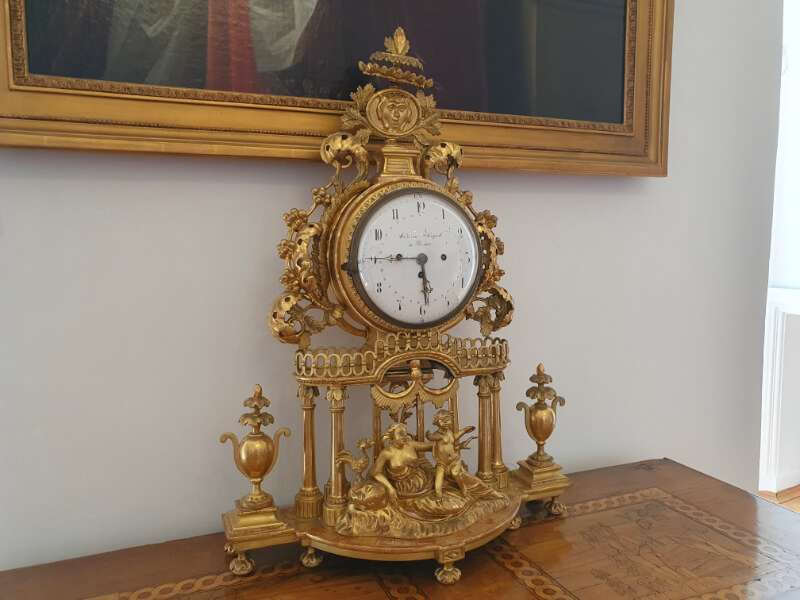
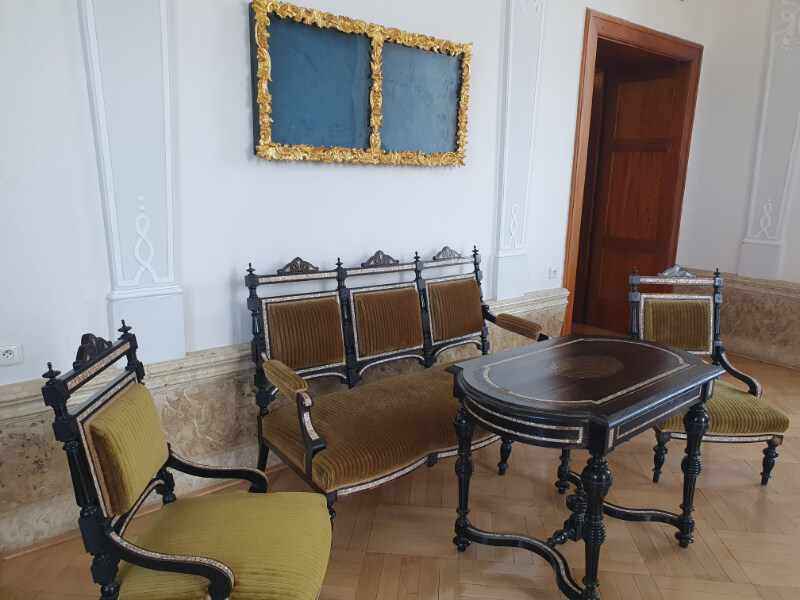
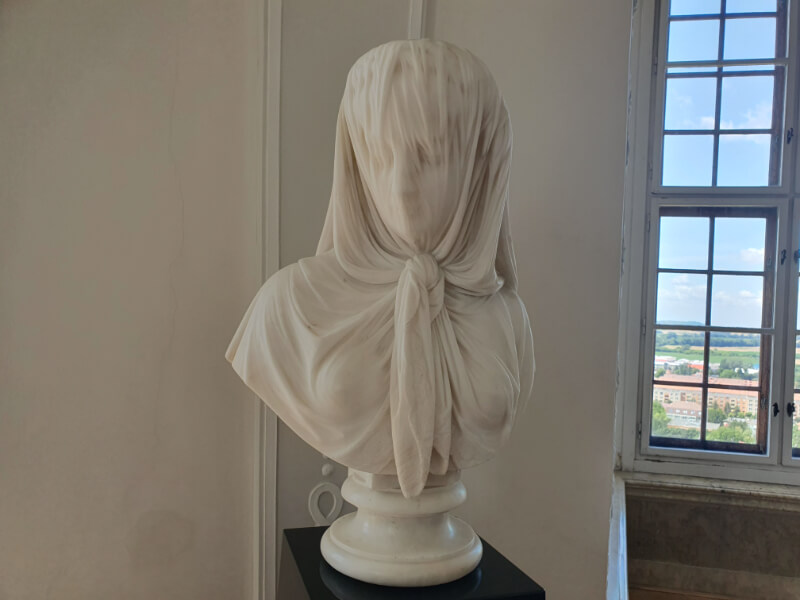
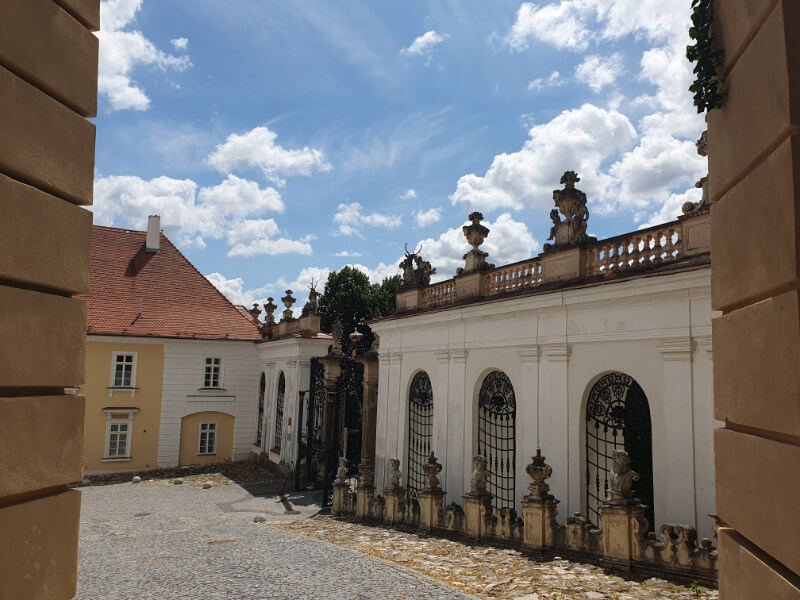
Chateau Mikulov was built in the Baroque architectural style. Baroque architecture is characterized by complex and overcrowded decorations and curved forms. There are many unusual and unique compositions, sculptures and relief decorations. We can often find religious and mythological elements, expensive materials such as marble and gold. Quite spacious interiors, where even the ceiling painting is intended to create the illusion of a larger space. This monumentality symbolizes greatness and power.
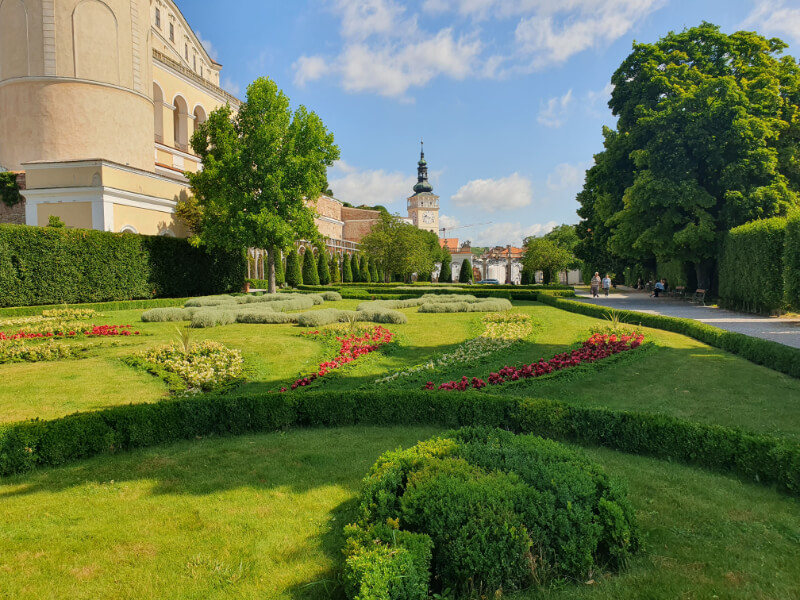
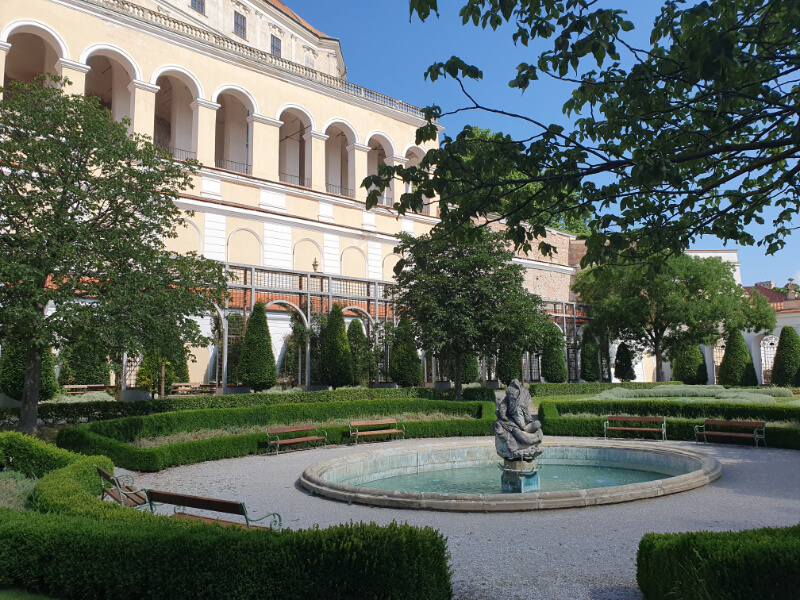
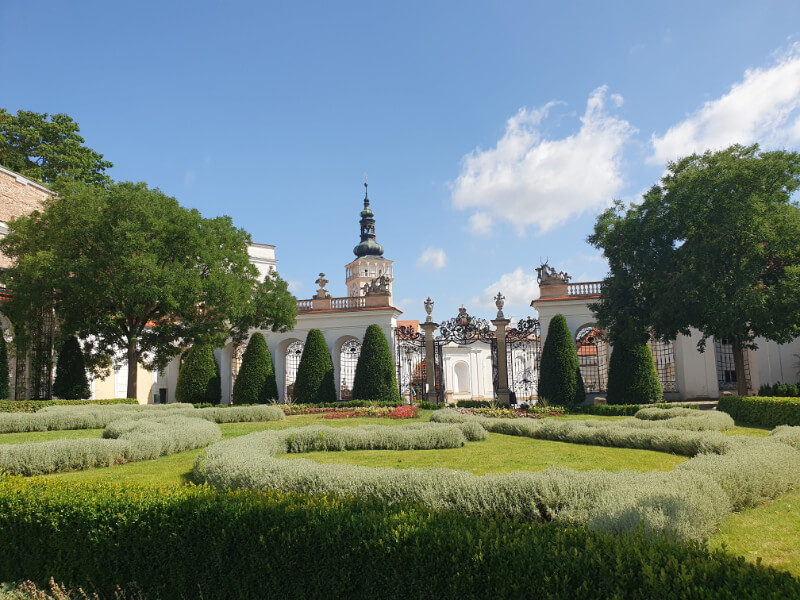
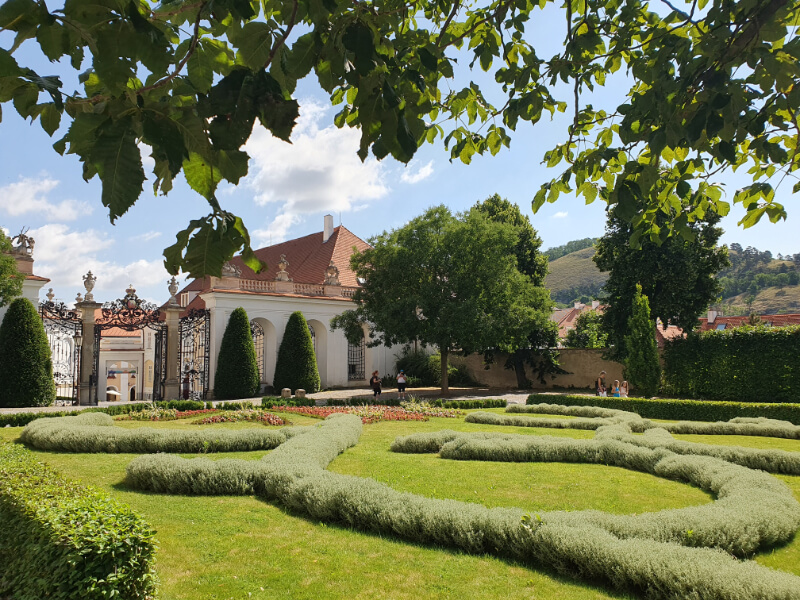
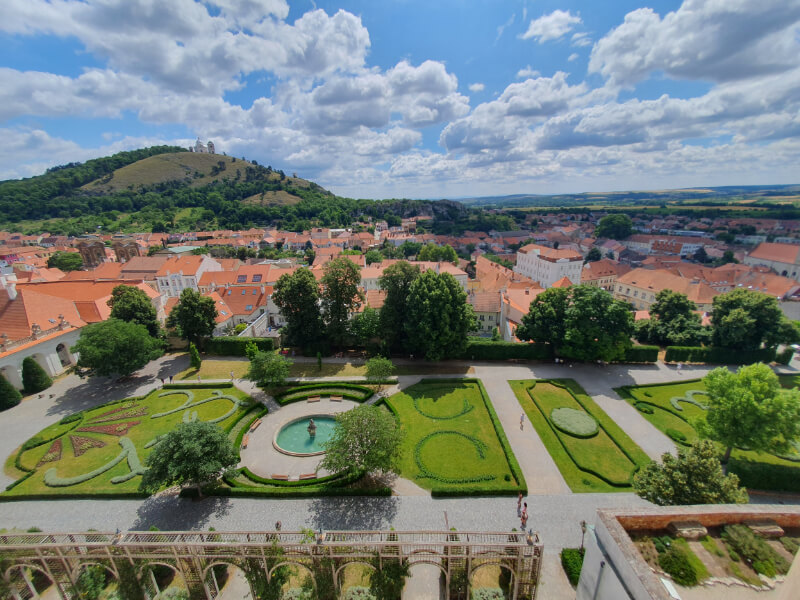
The castle garden is located in the southern wing of the castle. Its oldest part was founded by Adam von Dietrichstein in the 16th century. The garden is a unique multi-level garden, created in an elegant combination of Baroque design and modern garden design. Its varied terraces are decorated with flower beds and herbs. In the center of the garden is a picturesque fountain decorated with a stone statue. The entire garden is characterized by geometric patterns and symmetry. From the castle terrace, the beauty of the castle garden and the surrounding landscape is breathtaking.
“Stay true to yourself, yet always be open to learn. Work hard, and never give up on your dreams, even when nobody else believes they can come true but you. These are not cliches but real tools you need no matter what you do in life to stay focused on your path.”
– Phillip Sweet