
Long historical past
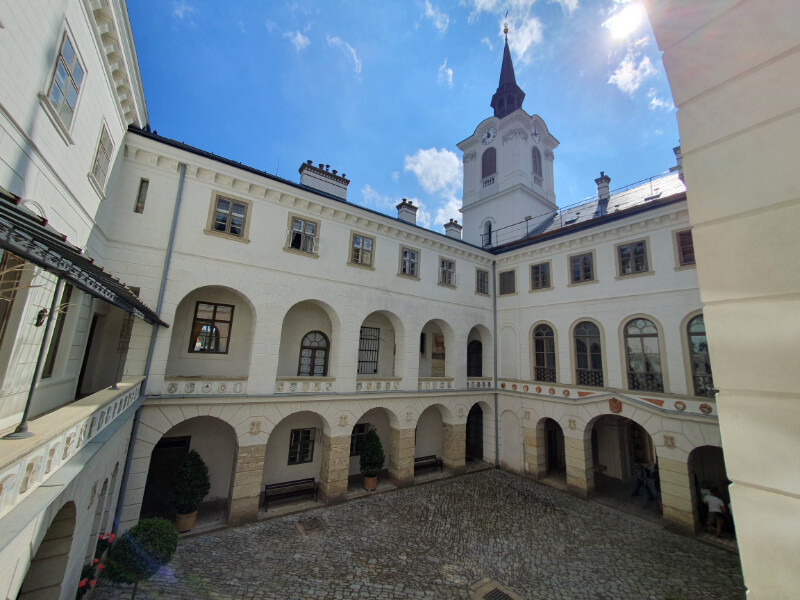
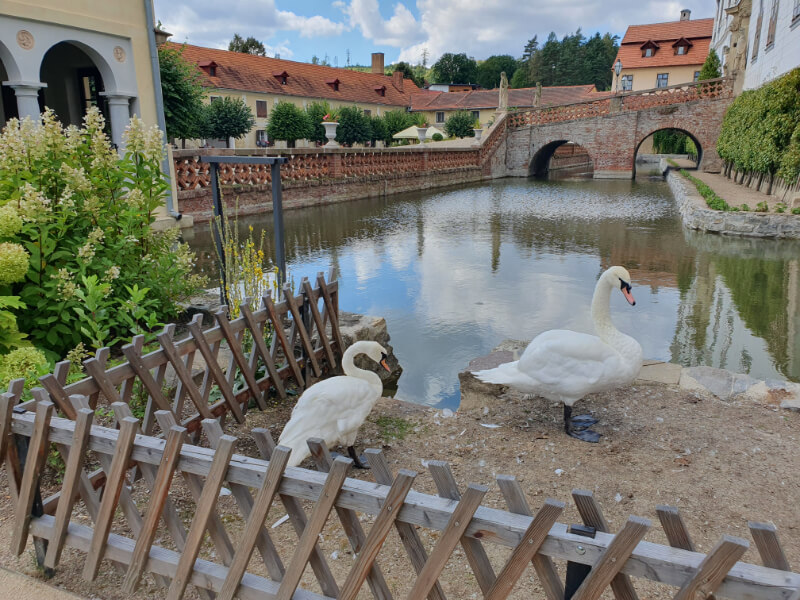
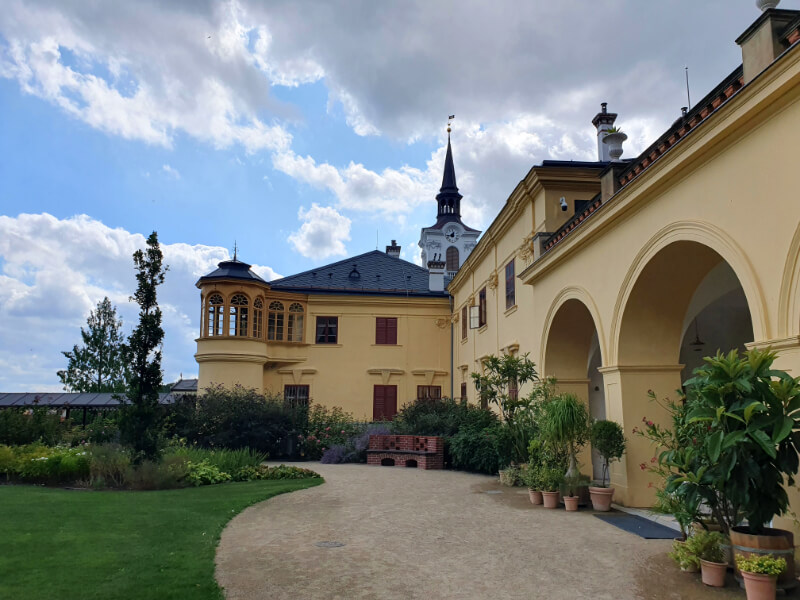
The impressive Chateau Lysice is located in the South Moravian town of Lysice, just 30 kilometers (~18.6 miles) from Brno. In the 15th century, a Renaissance water fortress stood on the site of the present-day castle, which belonged to the lords of Kunštát. In later years, it was owned by the Pernštejn family, then by the Černčičtí of Kácov family, and only then did it come into the possession of the noble family of Březnicki of Náchod in the 17th century. Their family rebuilt the water fortress into a Renaissance castle with inner courtyards and arcades. During the reign of the next two owners, Jan Arnost Montrochier and George Scelepsényi, no major changes were made to the chateau.
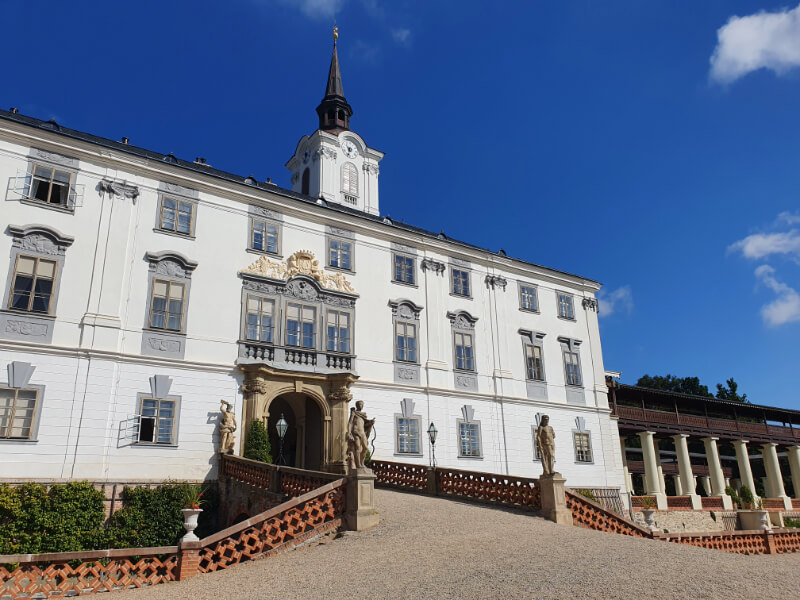
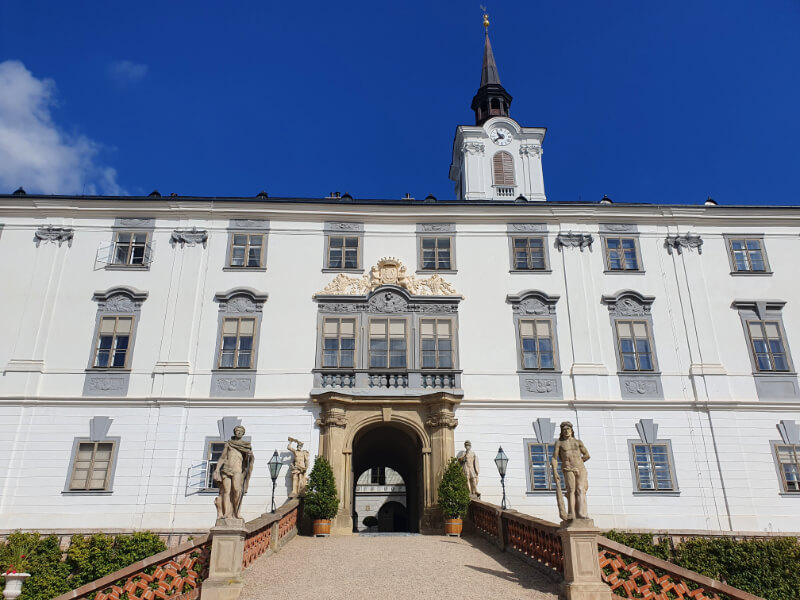
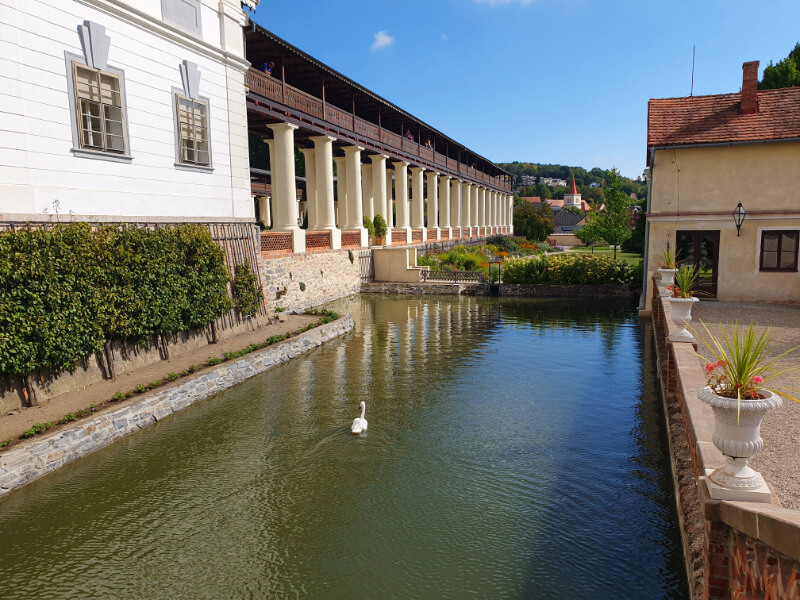
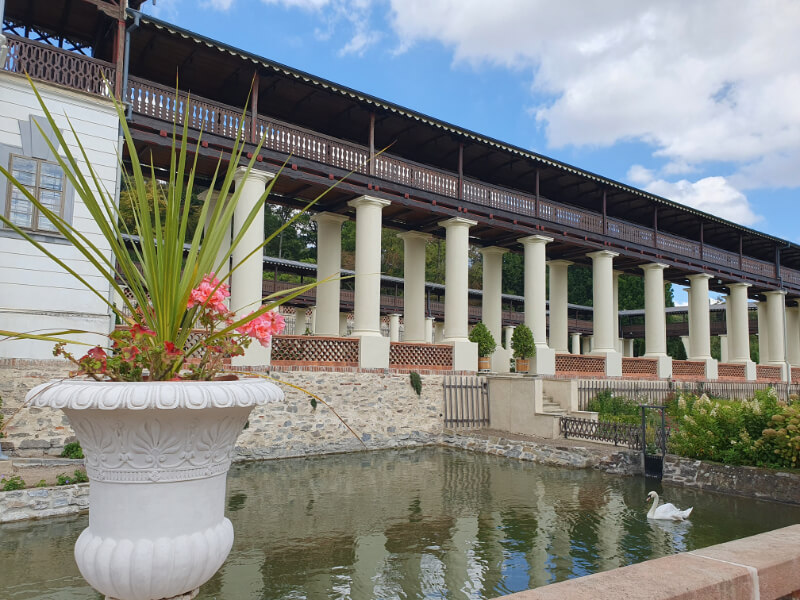
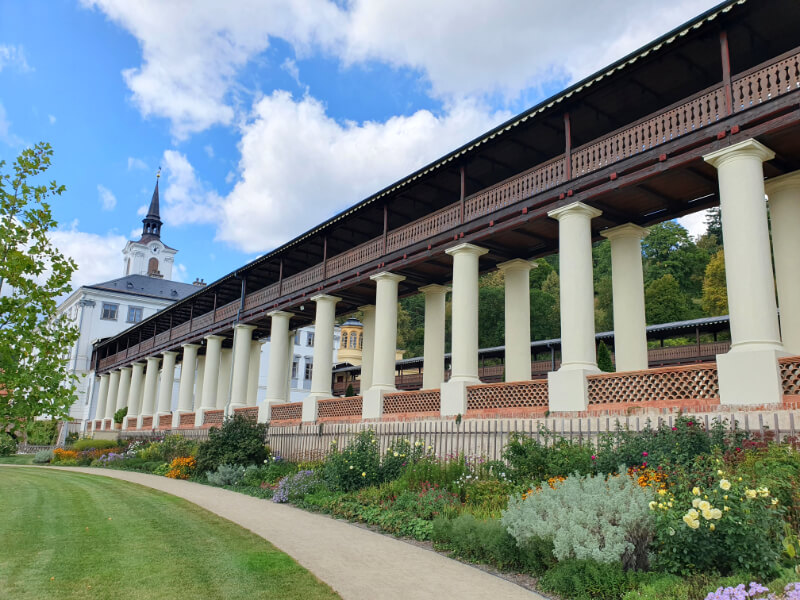
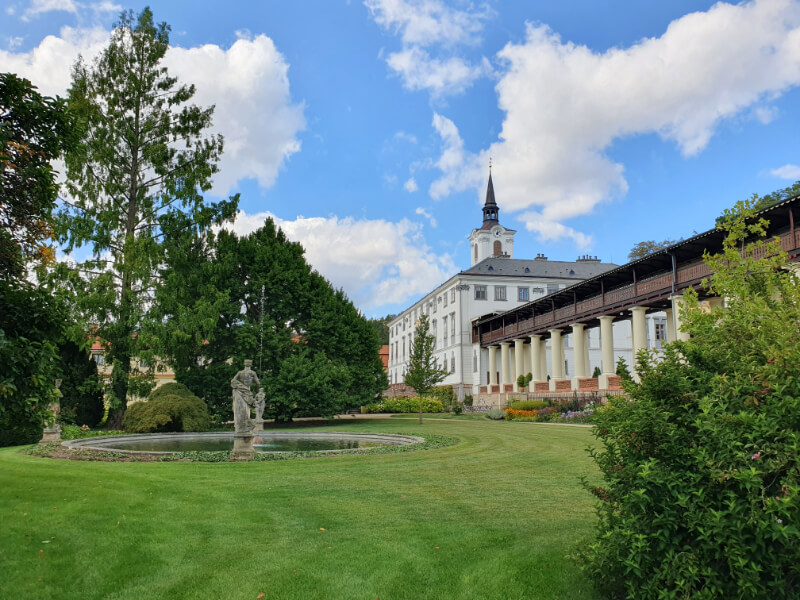
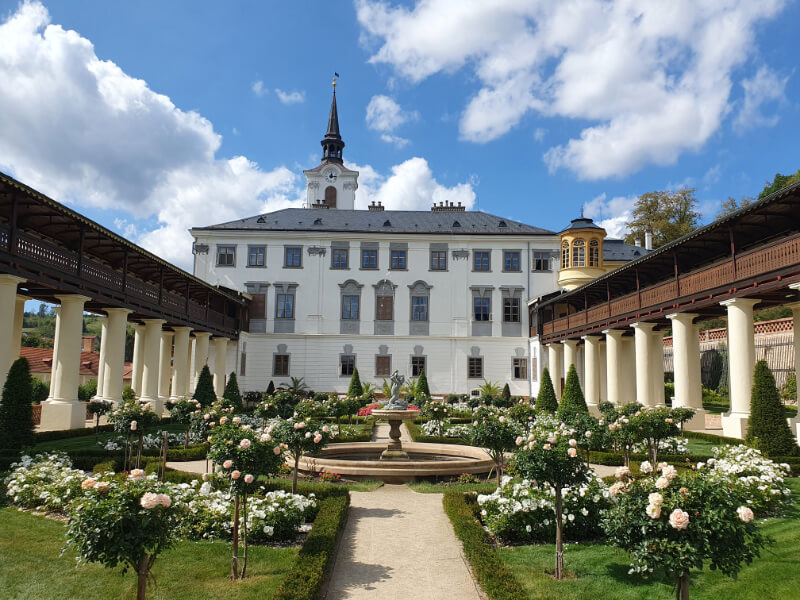
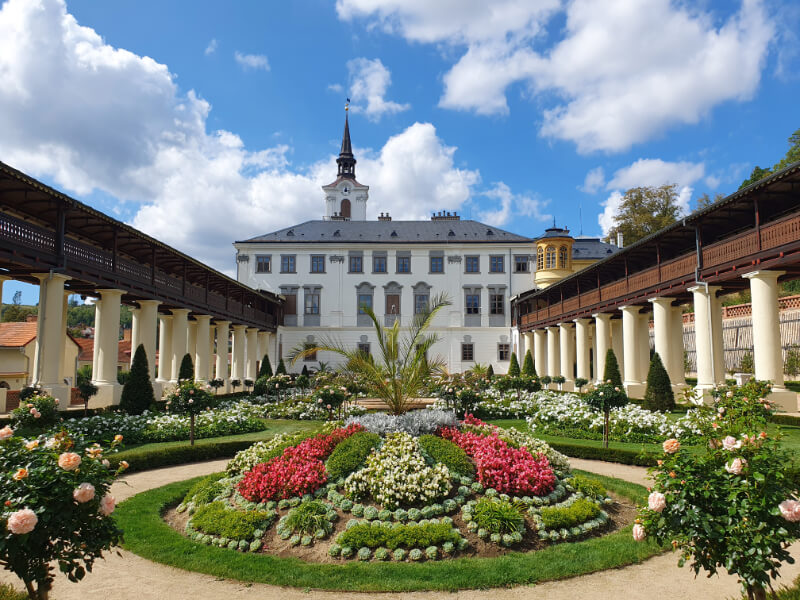
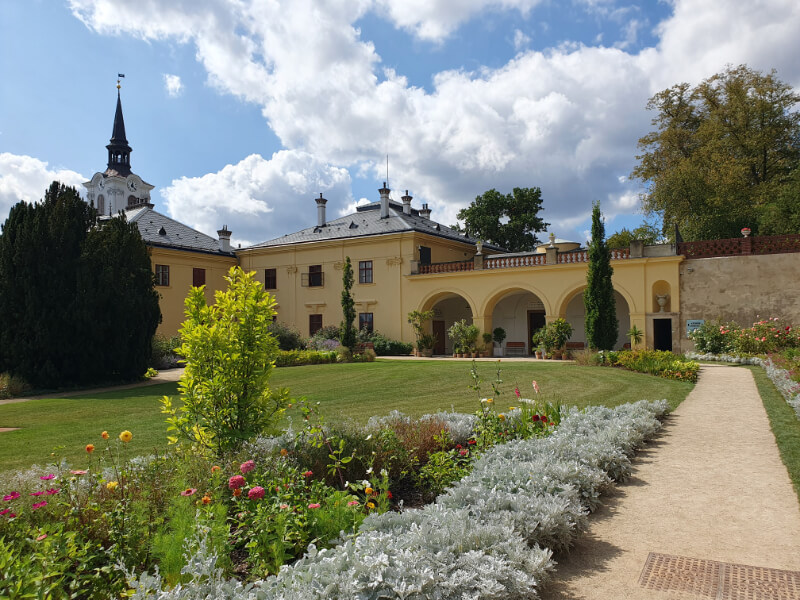
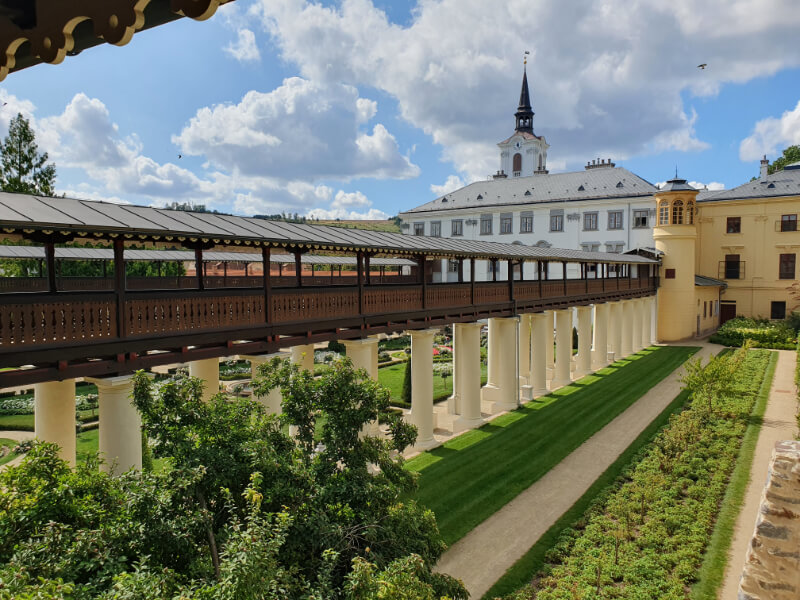
However, in the 18th century, when the estate became the property of the Hungarian noble family of the Counts Serényi, Baroque reconstructions began at the initiative of Antonín Amatus Serényi. I would like to note here that since this Hungarian noble family immigrated to Moravia, the Czechs already consider the Serényi dynasty to be a Czech noble family. Under the leadership of the Serényi family, the Baroque facades of the southern and eastern wings, the Renaissance gallery and the colonnade with a covered pergola in the castle garden were completed. The owners who followed the Serényi family, the Dietrichštejn, Piatiové z Drnovic and Dubští of Třebomyslice families, although they contributed to the enrichment of the furniture and valuables of the interior, did not carry out any significant renovations to the castle.
“Architecture is about trying to make the world a little bit more like our dreams.”
– Bjarke Ingels
Stylish interiors
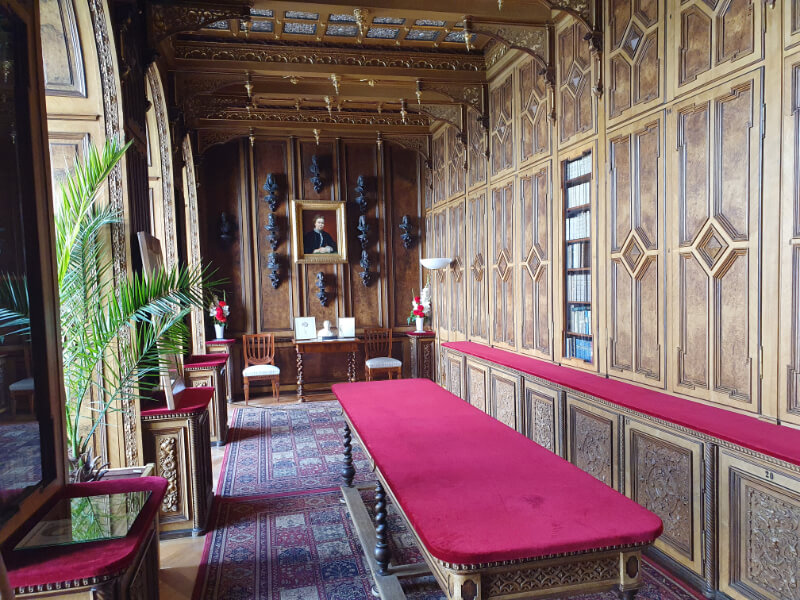
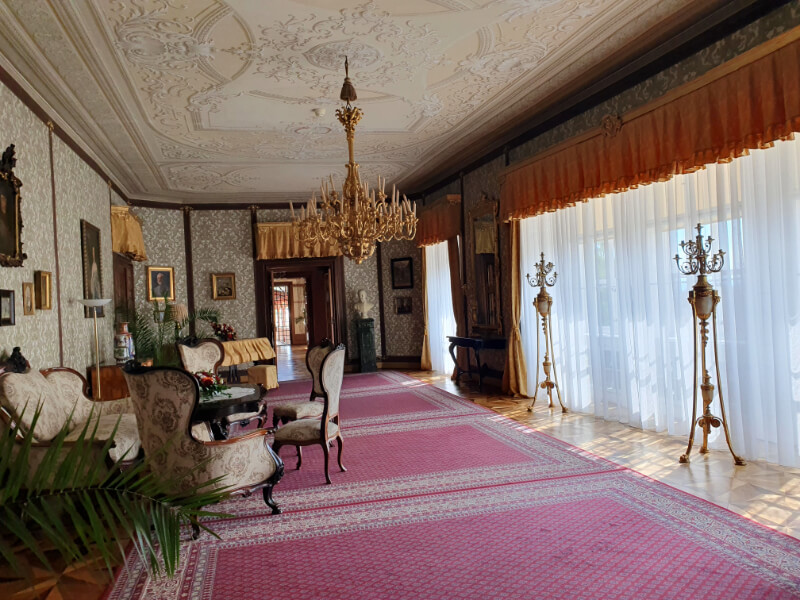
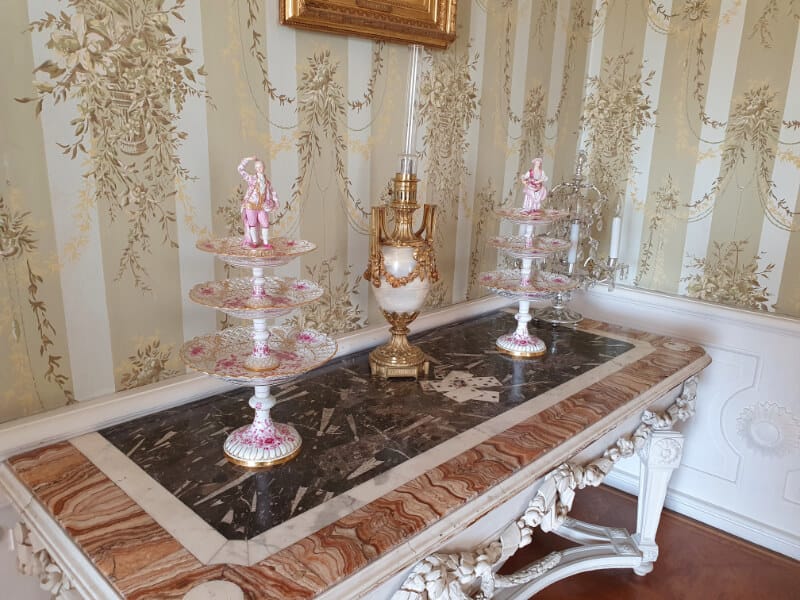
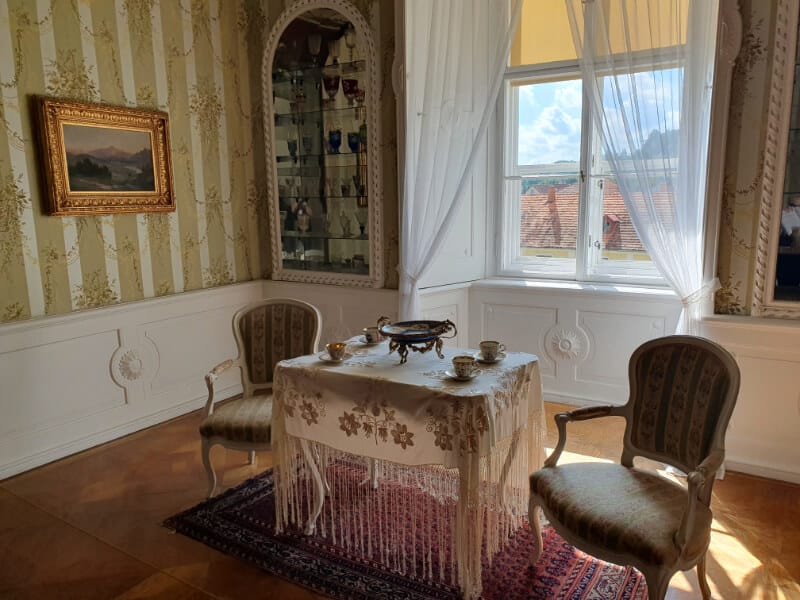
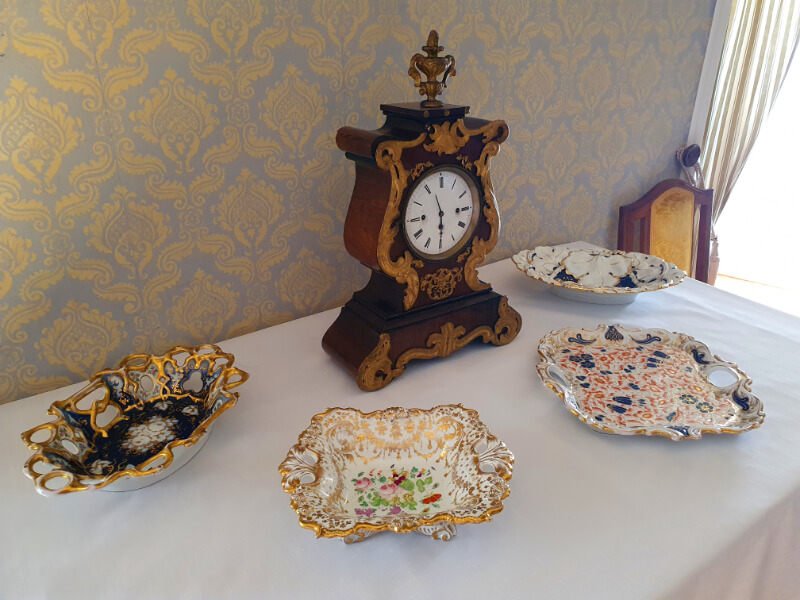
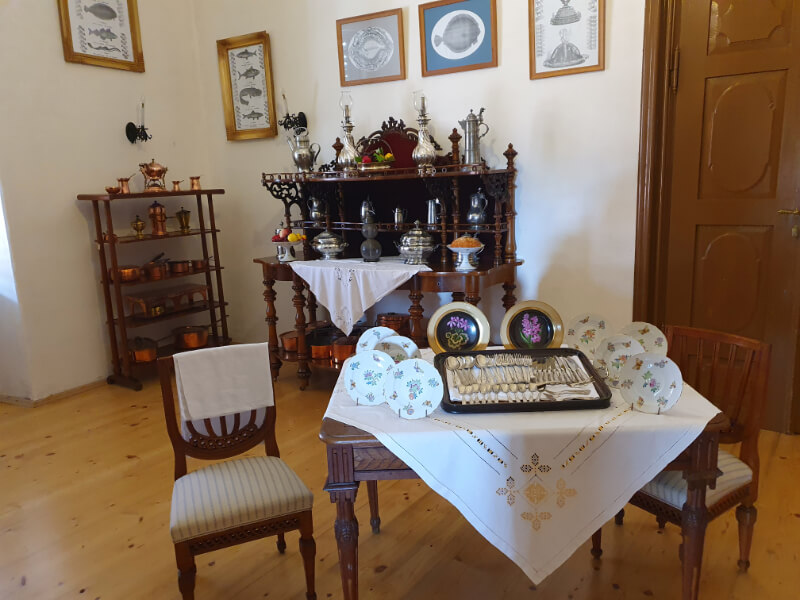
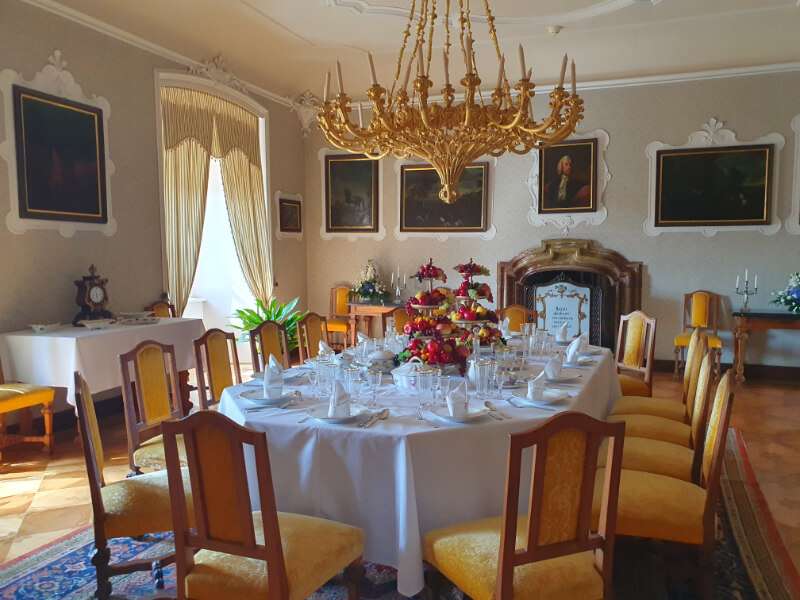
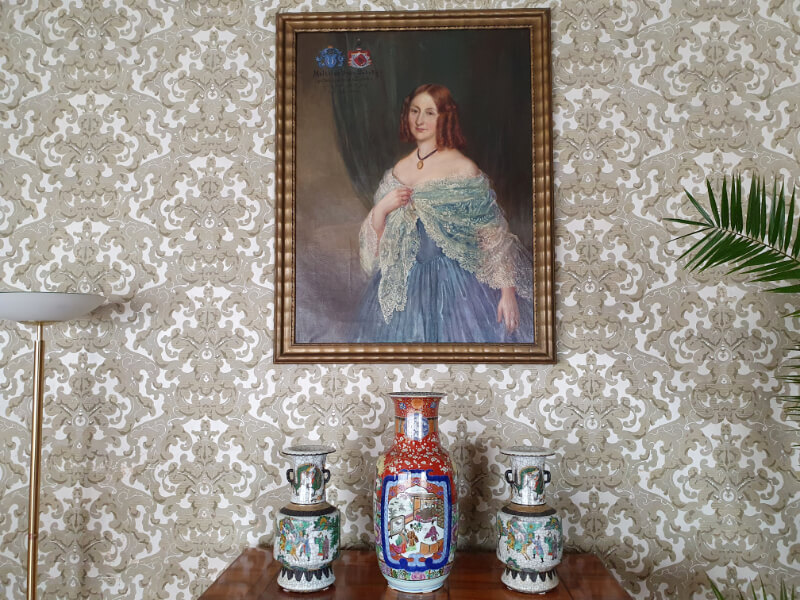
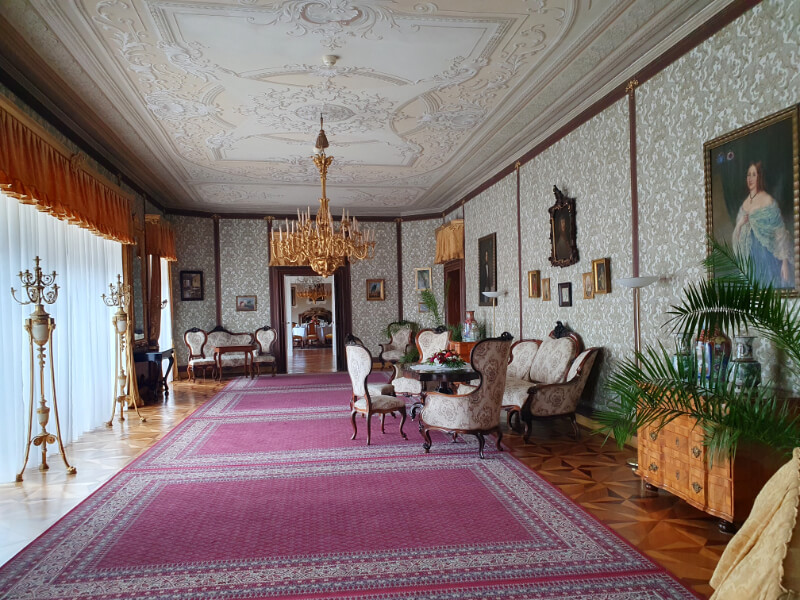
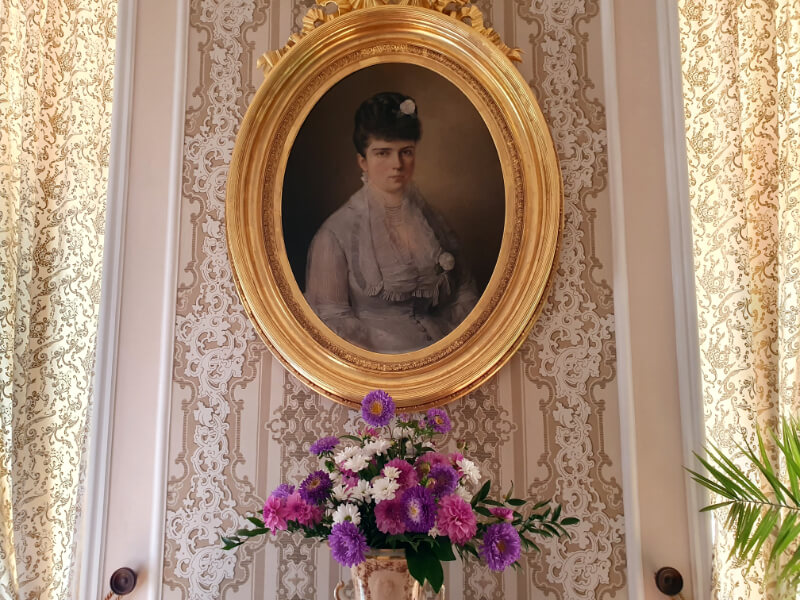
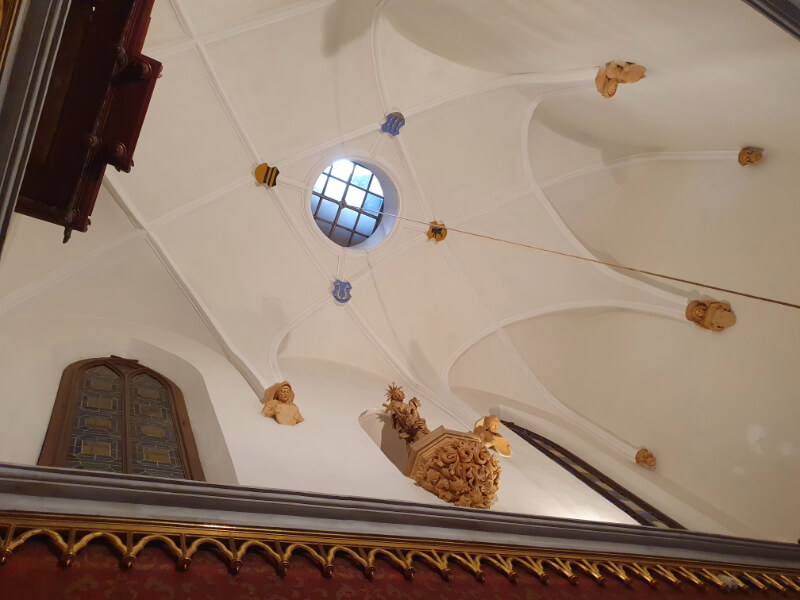
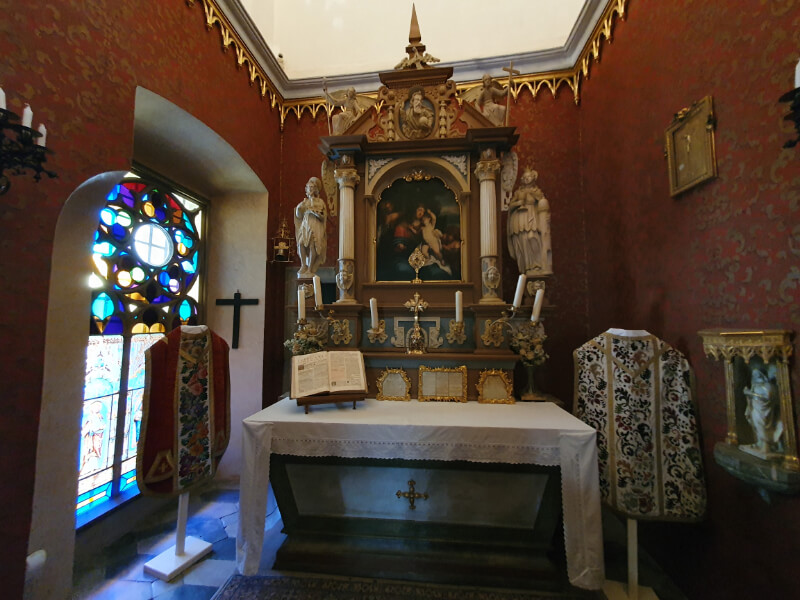
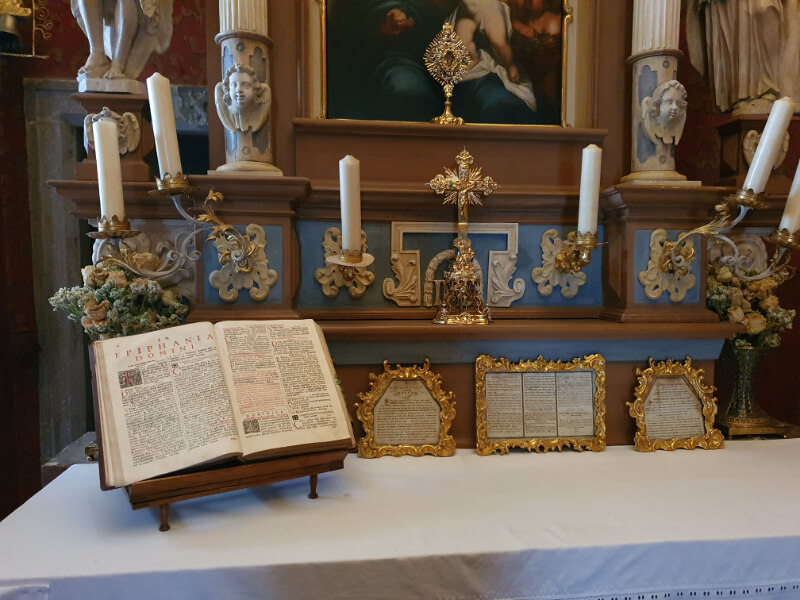
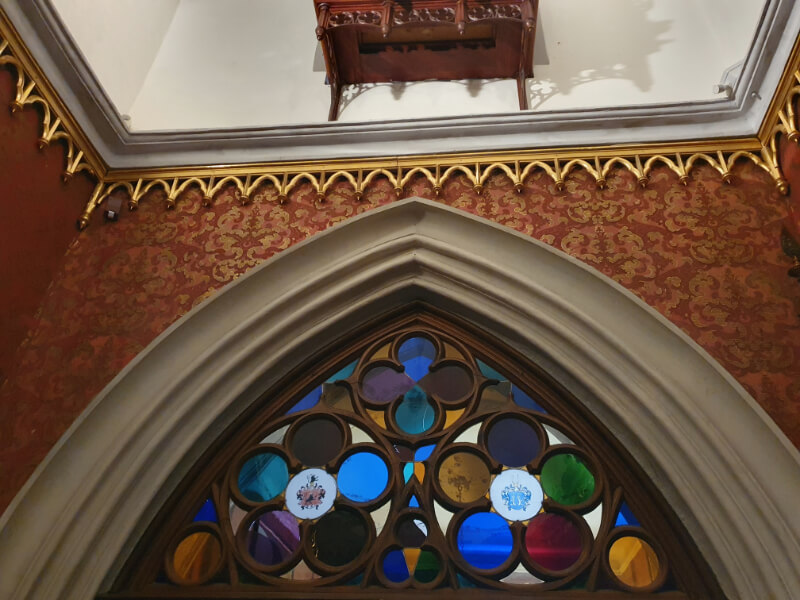
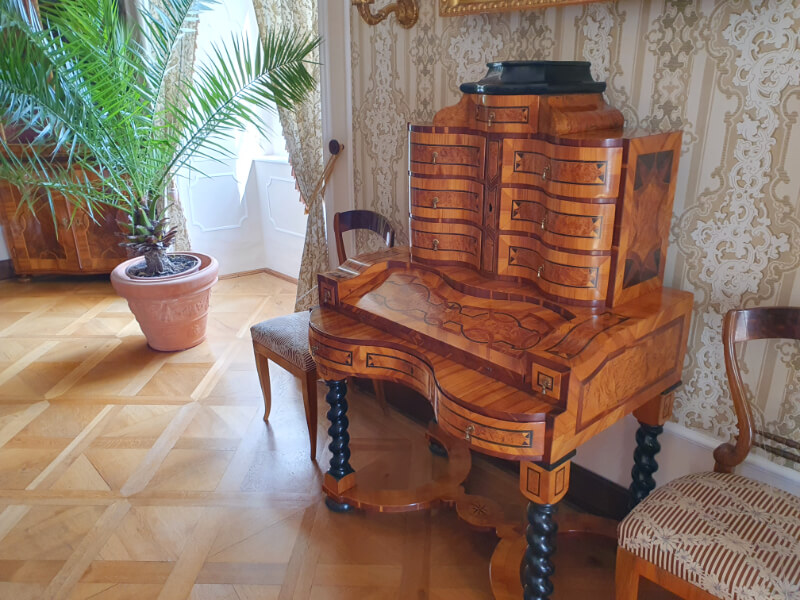
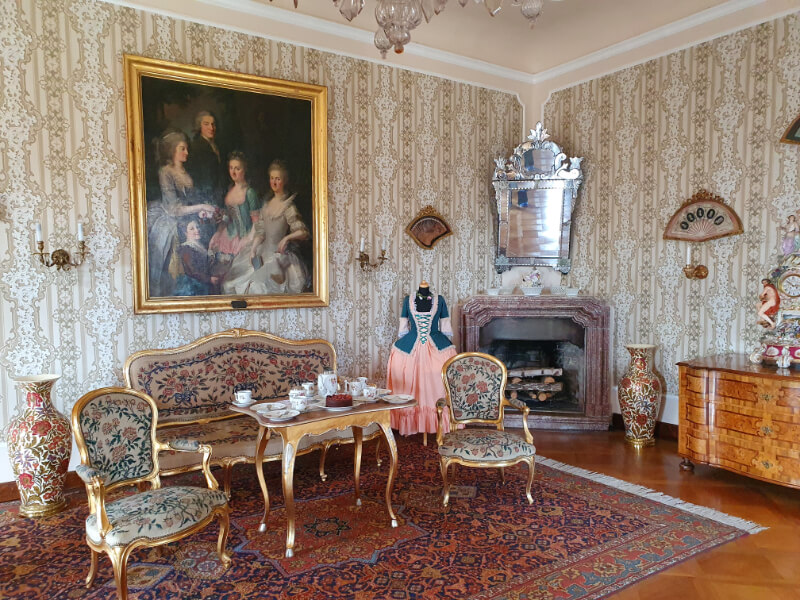
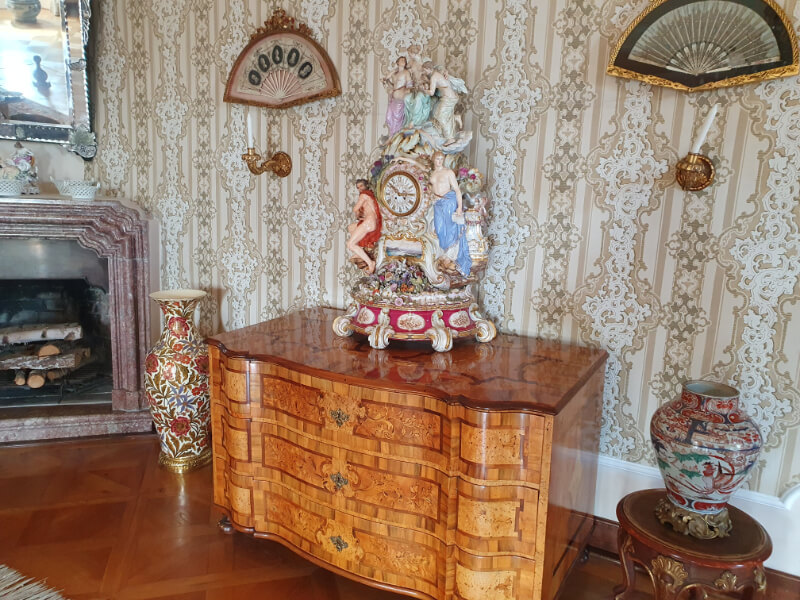
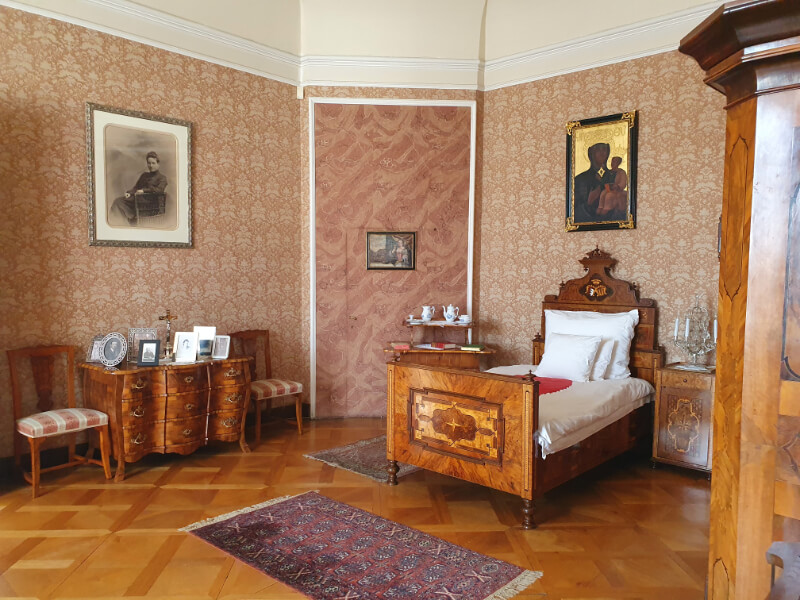
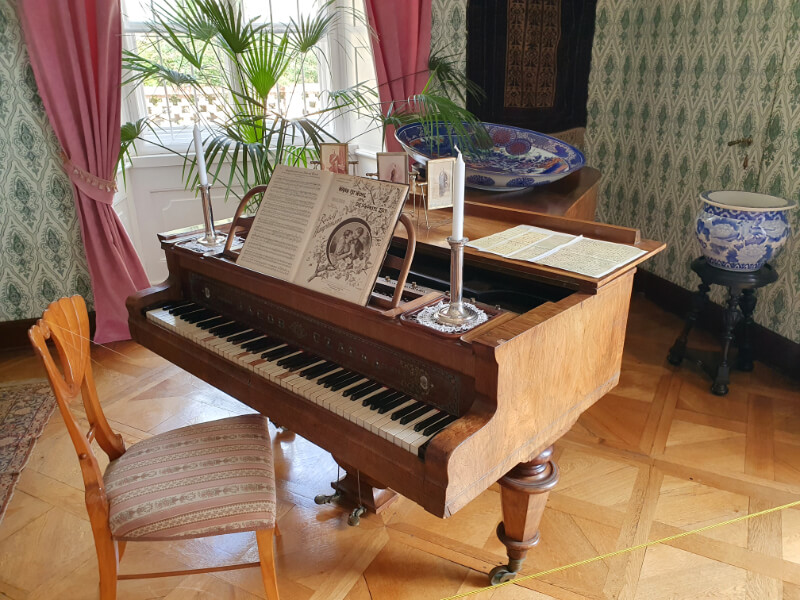
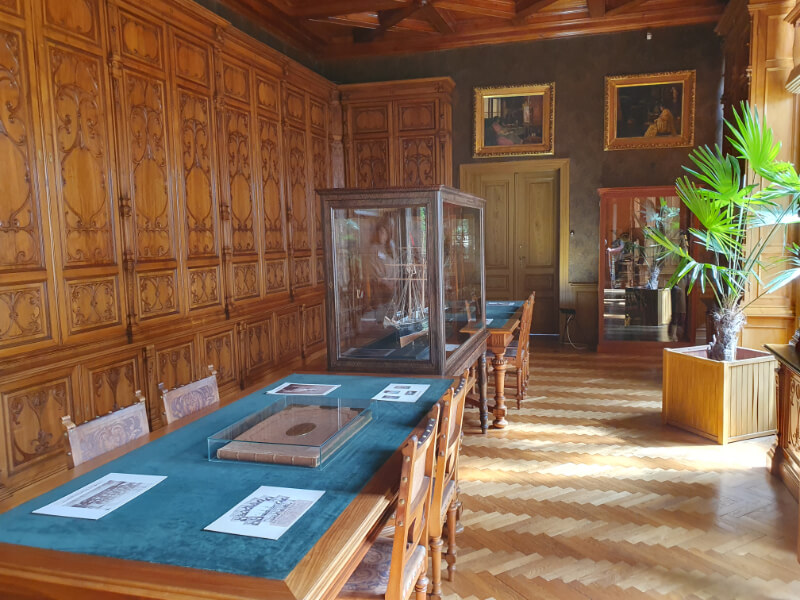
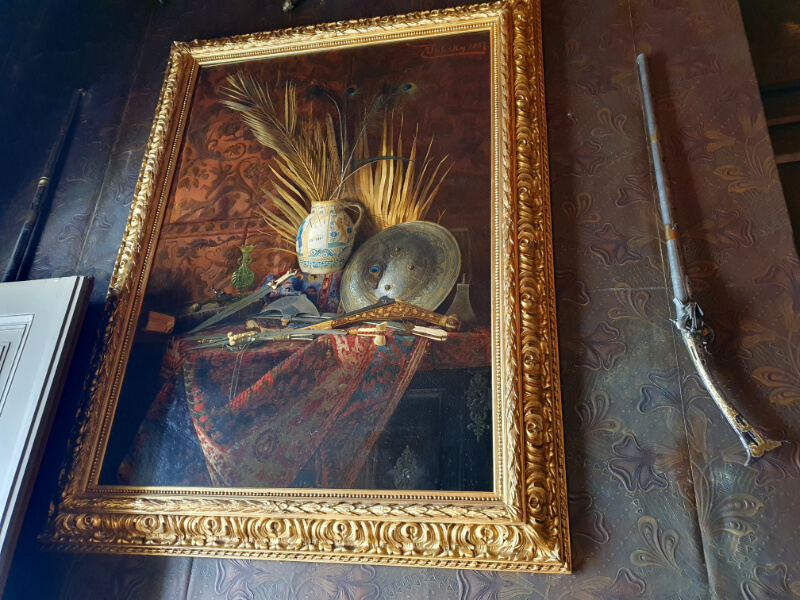
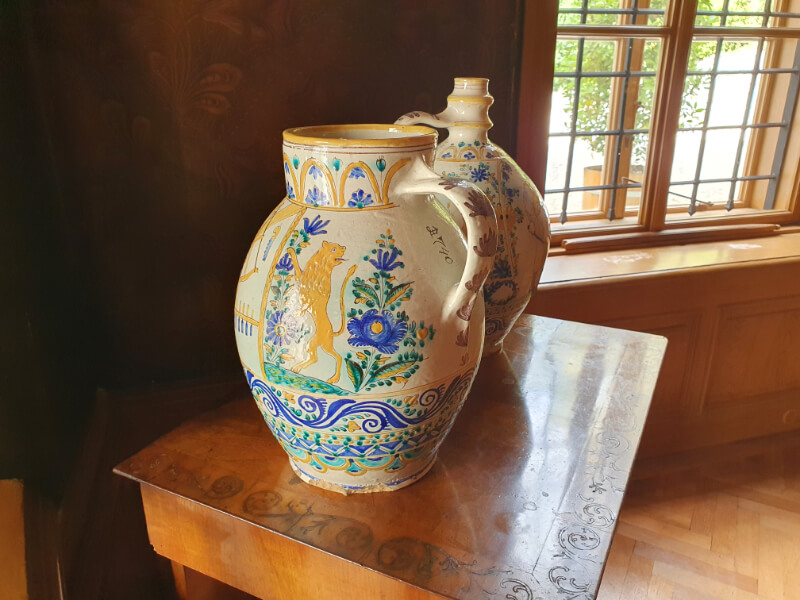
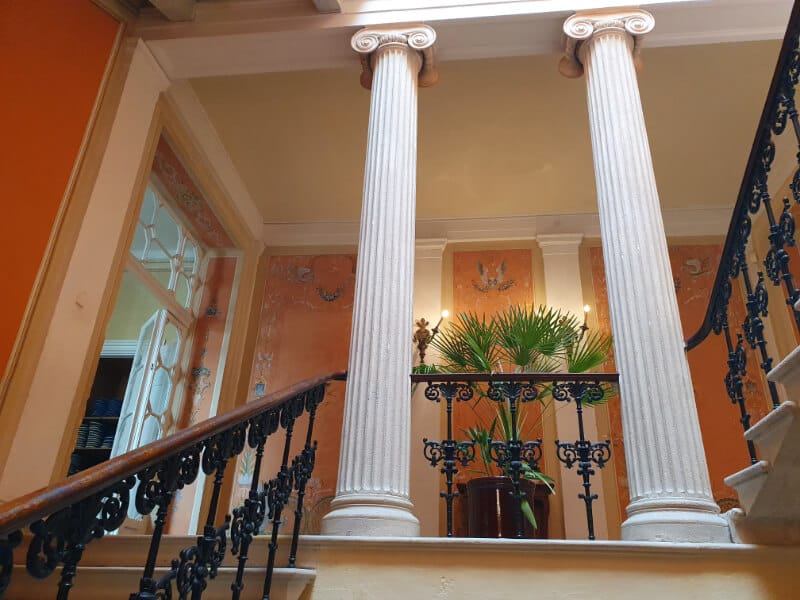
Chateau Lysice is a castle in the Baroque architectural style. Most of its interior was built in the 19th century and is decorated in historicizing, Renaissance and Art Nouveau styles. At the entrance, there is a mosaic floor made of red, white and green marble and a white Carrara marble statue. Its rooms and elegant salons are richly decorated and furnished with artistically carved Baroque furniture upholstered in textile. We can see the masterpieces of colored and gilded engraved glass by Czech glassmakers and the oriental porcelain collection is also impressive. In many paintings, we can see portraits of members of the noble families who once lived here, including paintings of the Serényi family. The speciality of the chateau is that it also houses one of the largest reconstructed armories in Moravia with 2,000 weapons.
Baroque castle garden
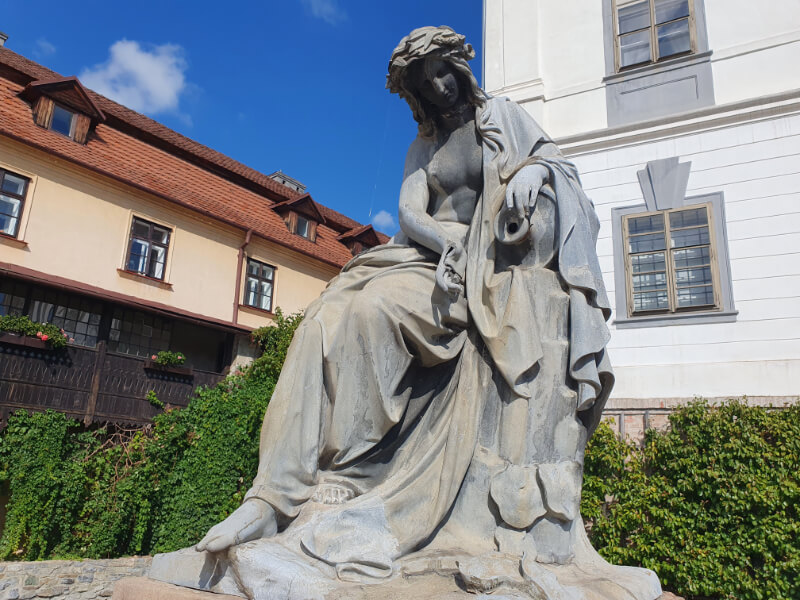
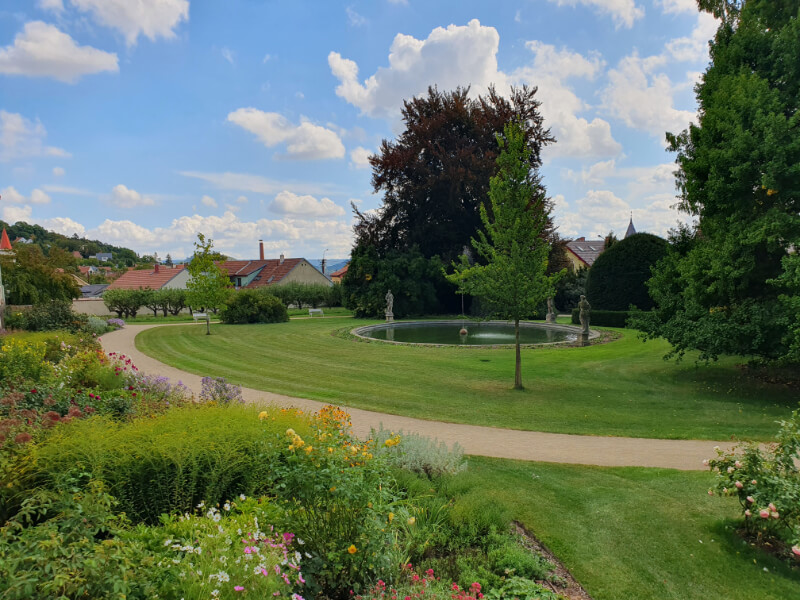
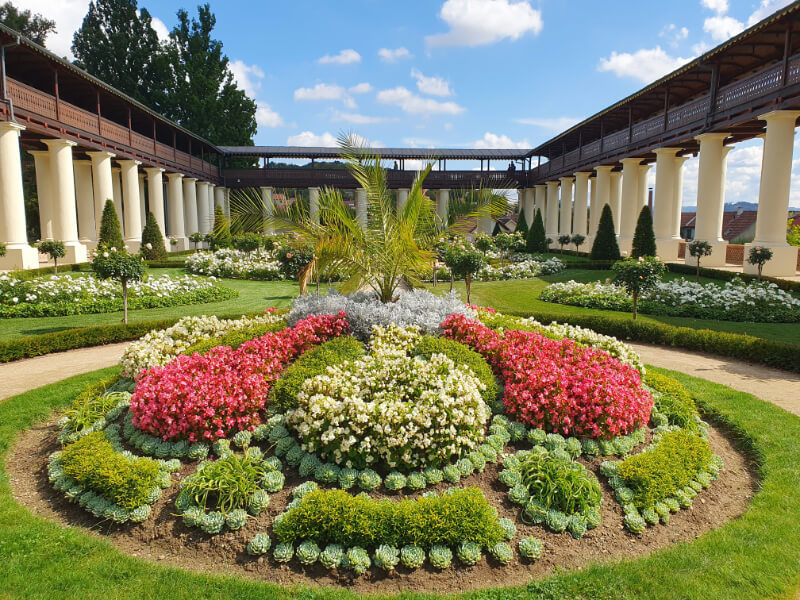
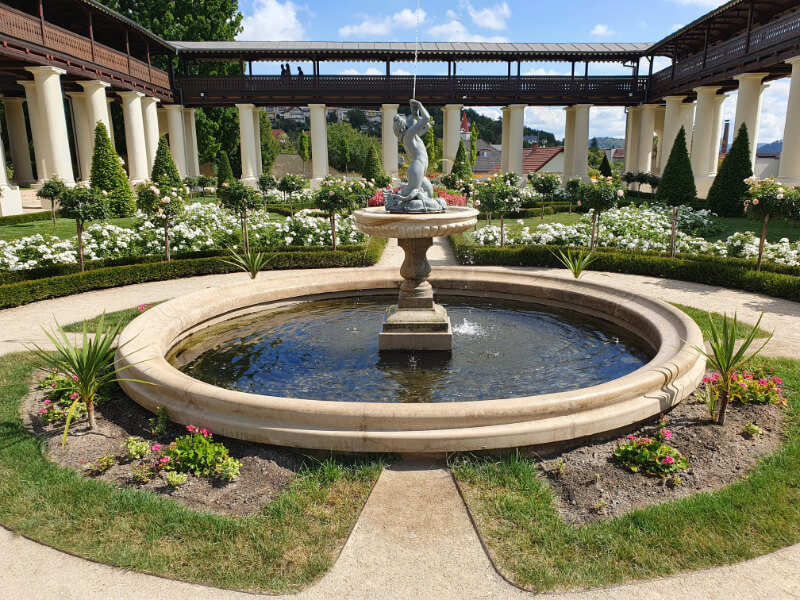
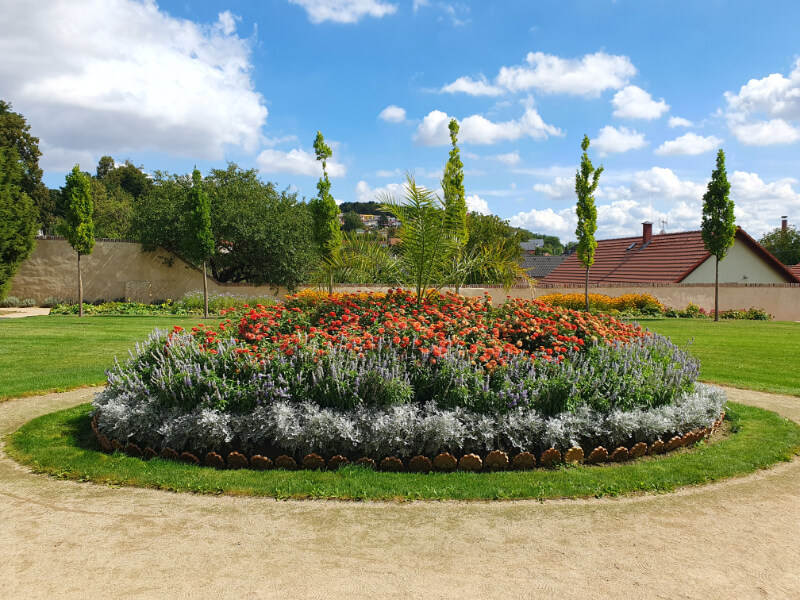
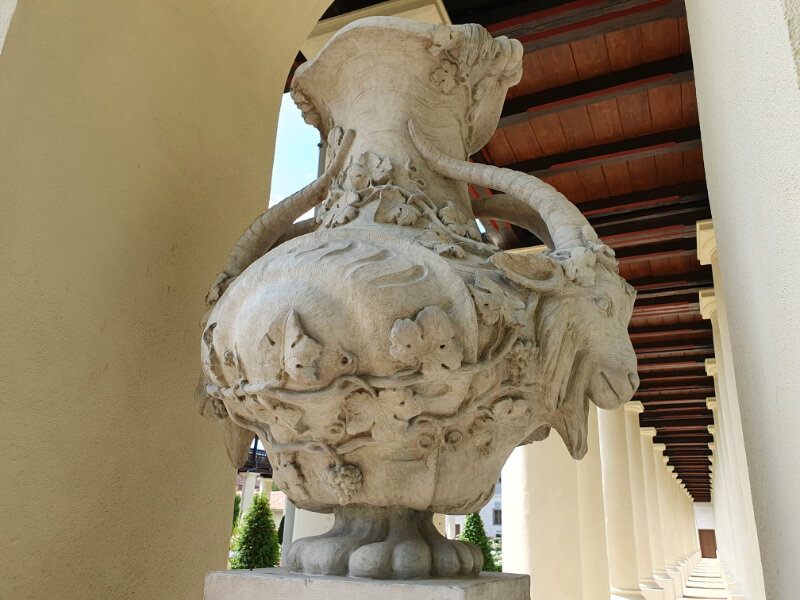
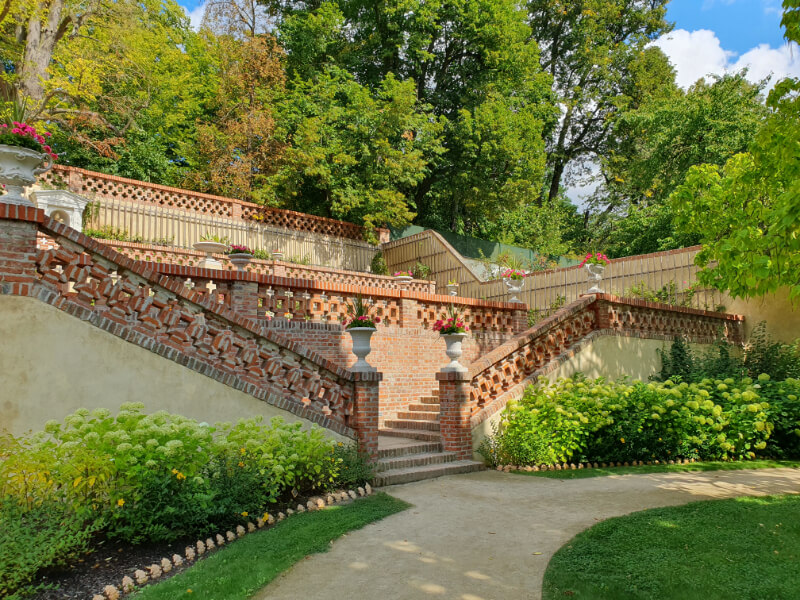
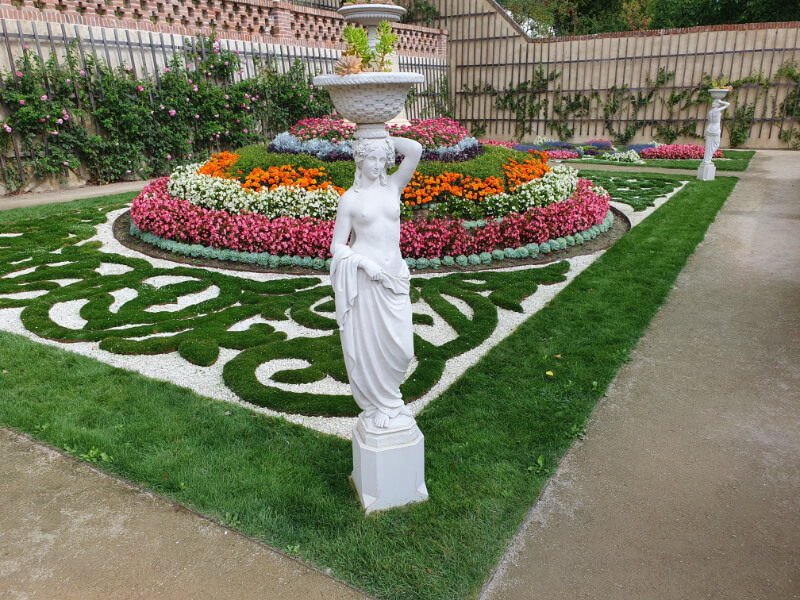
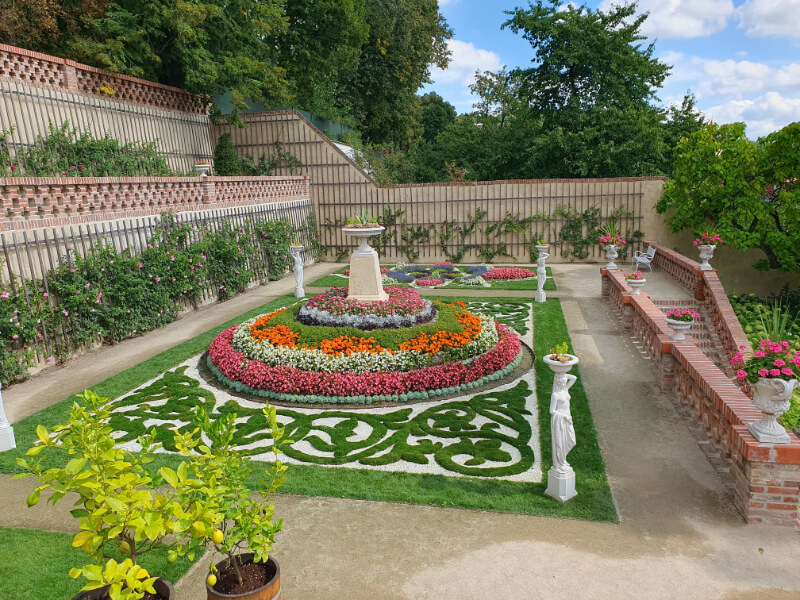
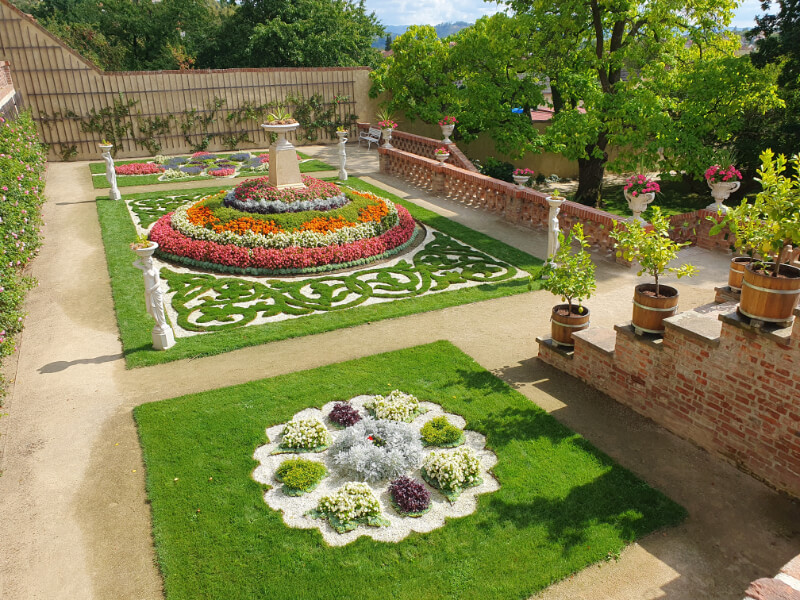
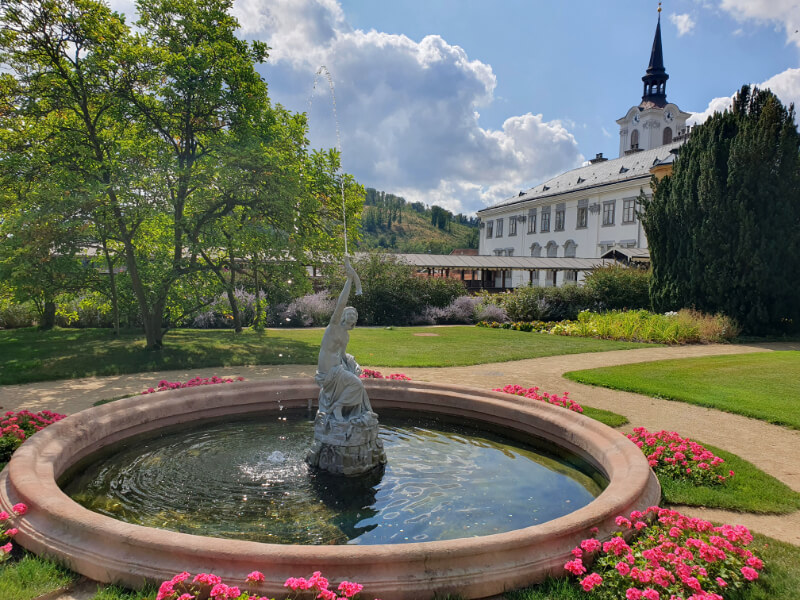
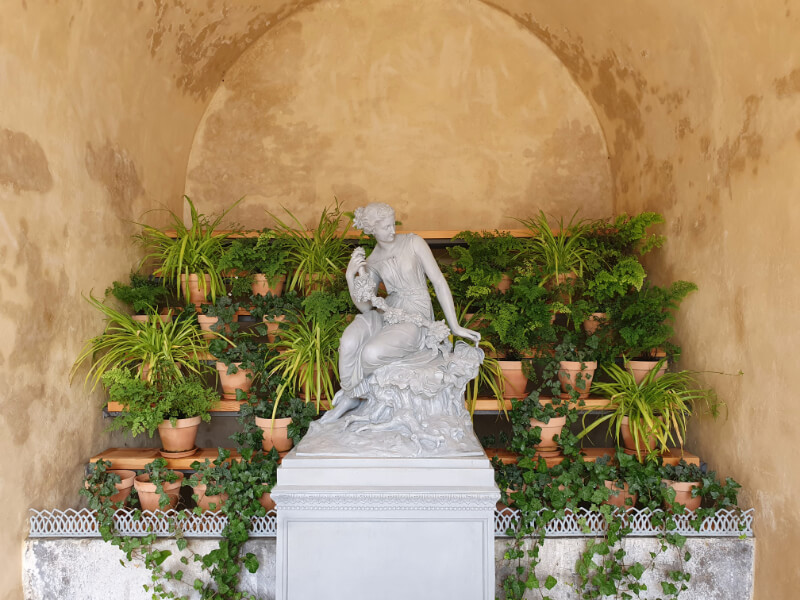
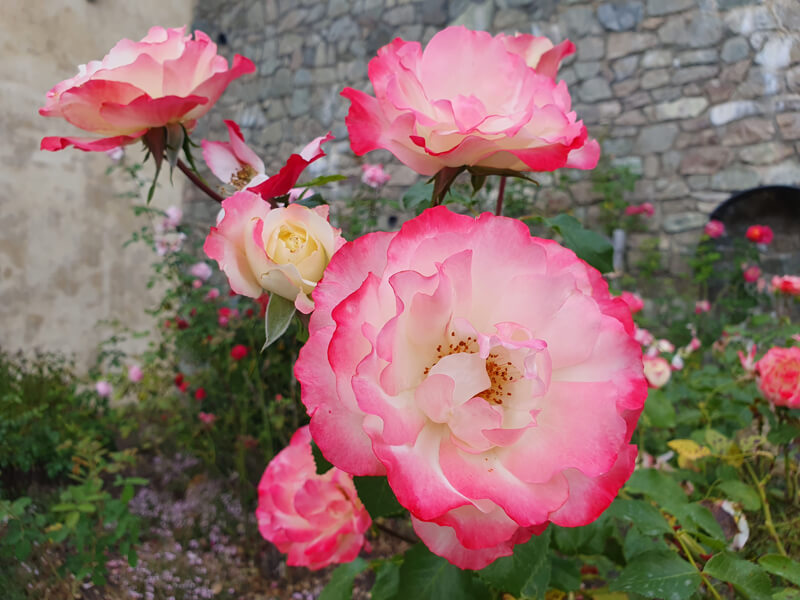
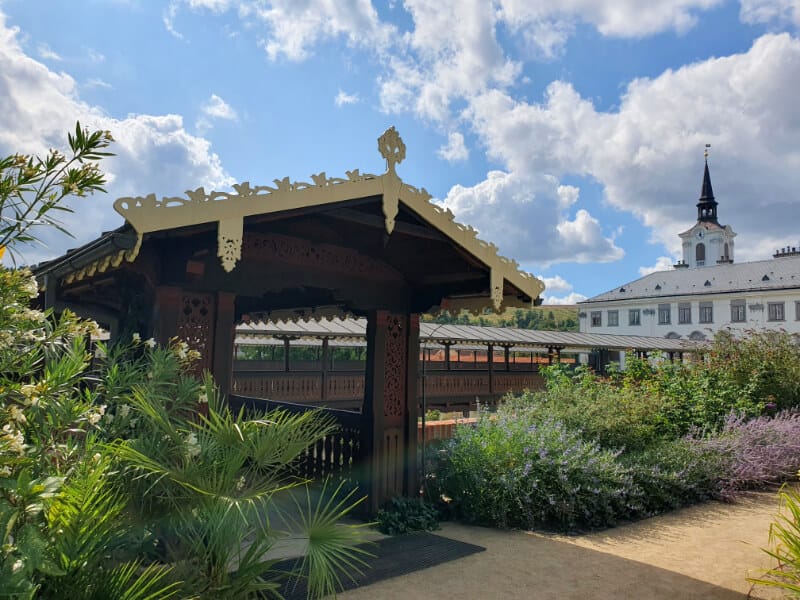
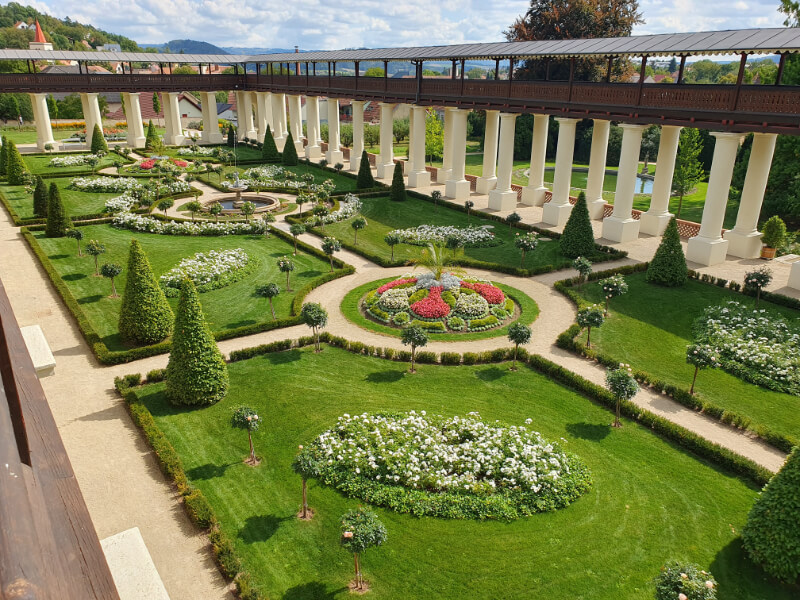
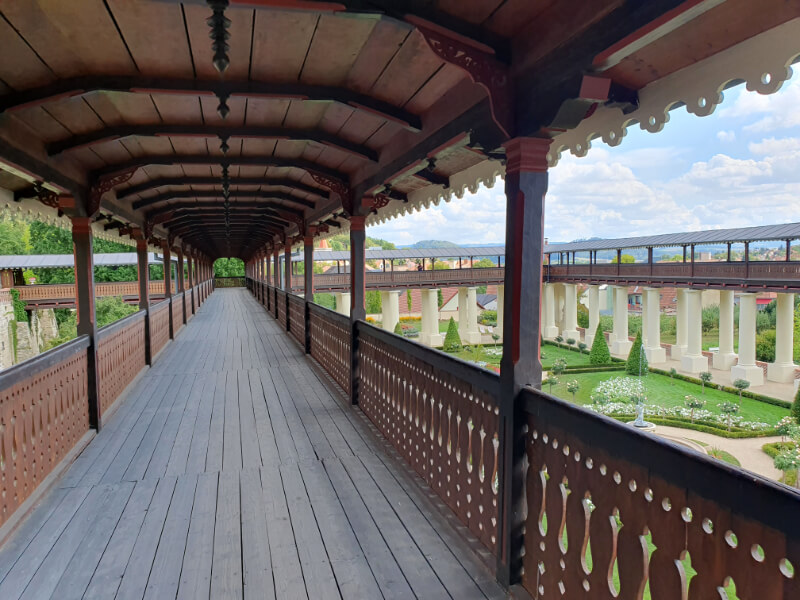
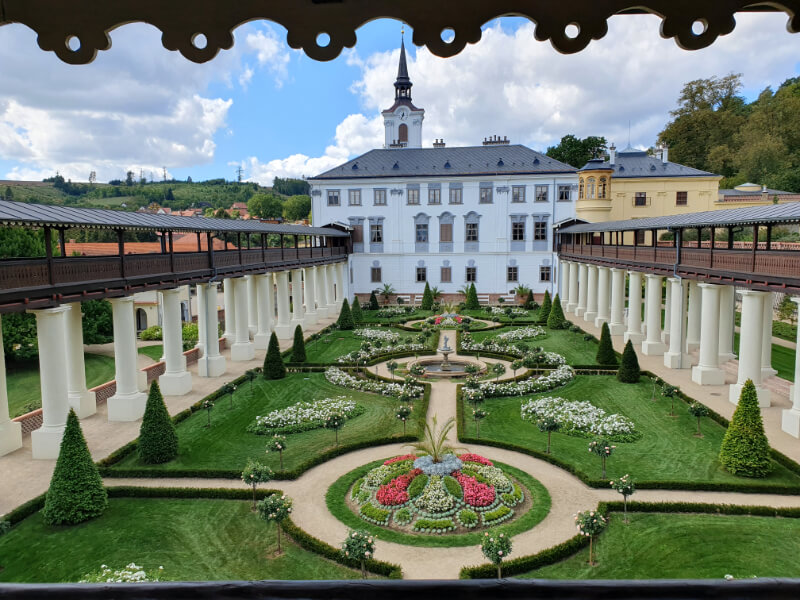
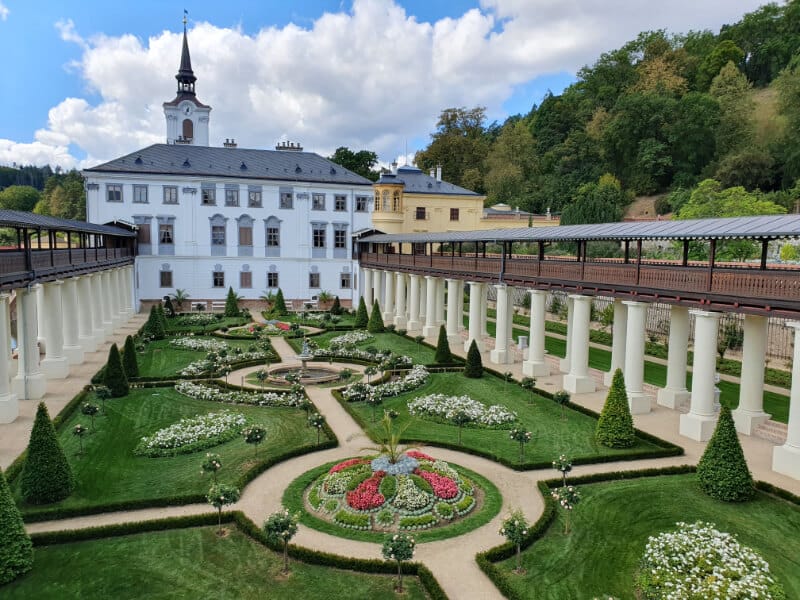
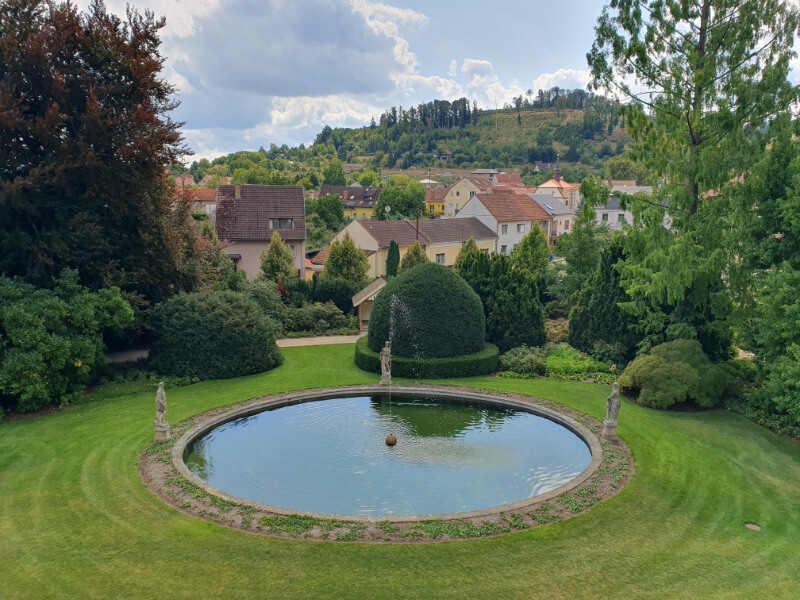
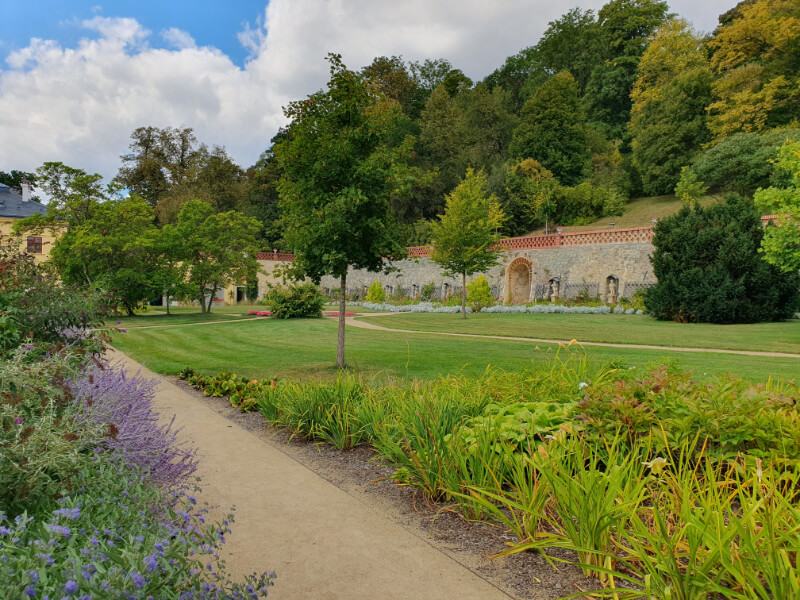
The impressive Baroque castle garden was probably founded in the 17th century. It is laid out in a terraced layout, decorated with terracotta vases, statues and elegant fountains. The flower beds are arranged in regular geometric shapes, forming patterns similar to embroidery and are bordered by low clipped hedges. The areas between the plants are filled with white pebbles to create a contrast with the green. Its elegant walkways feature arbors decorated with climbing roses, garden pavilions and picnic areas. There are also greenhouses and orangeries in the garden area. Its botanical collection features a variety of flowering plants, including beautiful roses and special exotic trees. You can also see a unique fig tree house with a sliding roof in the castle’s horticulture. The most unique feature of the garden is the colonnade with a covered pergola, which offers a stunning view of the castle and the breathtakingly beautiful flower garden.
“It is art that makes life, makes interest, makes importance… and I know of no substitute whatever for the force and beauty of its process.”
– Henry James