
A unique Renaissance pearl
My exploration of South Moravia is not over yet. Last time, halfway to Lysice, I caught sight of Bučovice on the train. Bučovice is located only 29 kilometers (~18.02 miles) from Brno, on the northern edge of the Ždánický Forest. The town was probably founded in the 12th century, lying on an important route from Brno to Hungary, which was significant both from a commercial and military point of view. In the 15th century, the Bučovice fortress was occupied by the Hungarian king and the Austrian duke Matthias Corvinus. Later, the owners changed frequently. In the 16th century, together with the Nemotice estate, it also came into the possession of Tas of Ojnice. Thanks to the richest Moravian aristocrat of the time, Jan Šember Černohorský of Boskovice, the town began to develop rapidly. Craftsmanship began to flourish. The town was famous for its pottery. Fish ponds were built and fish farming began. In addition, vineyards were planted and the town became a wine town in the Morava wine region.
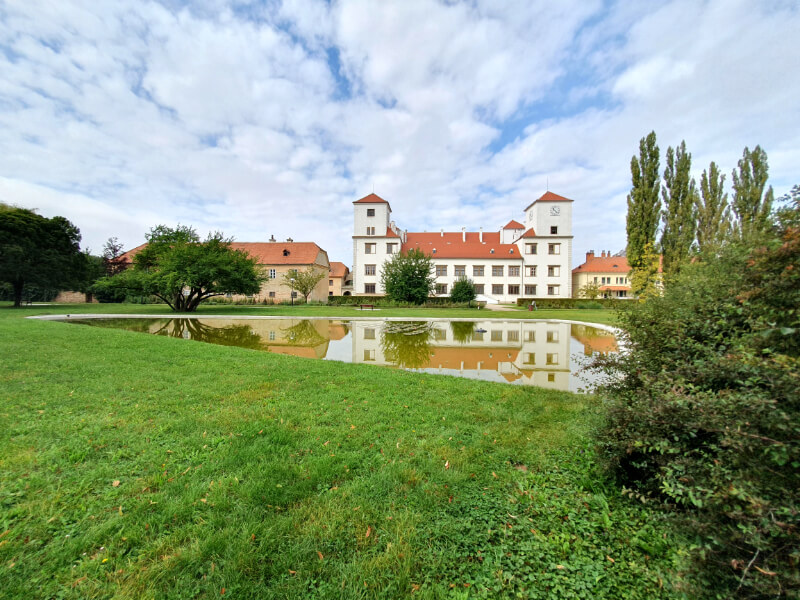
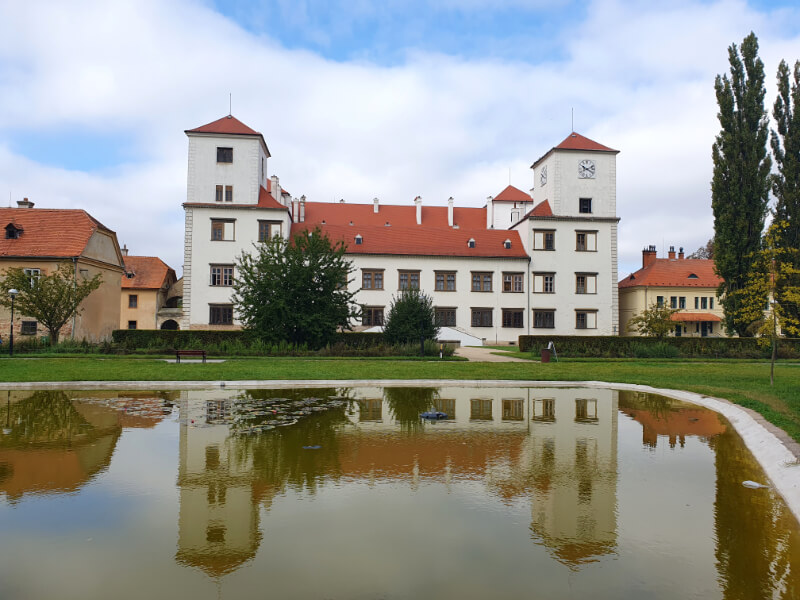
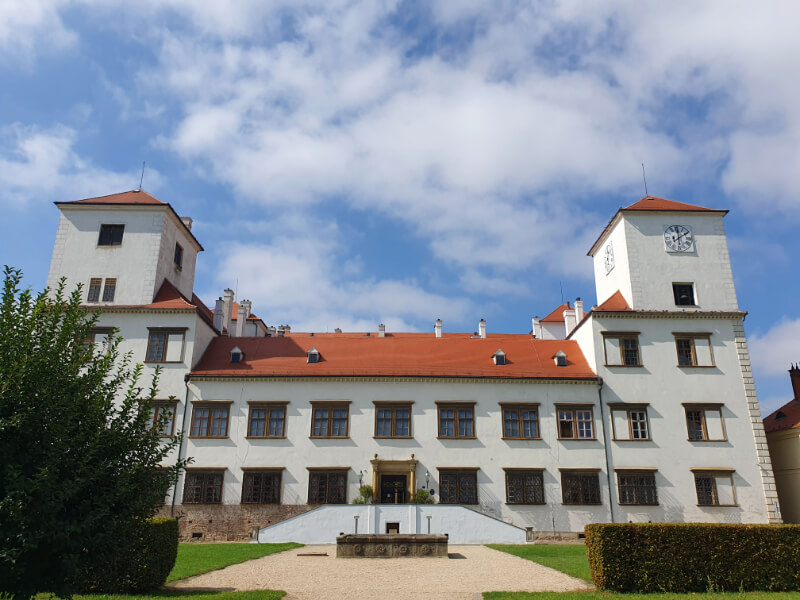
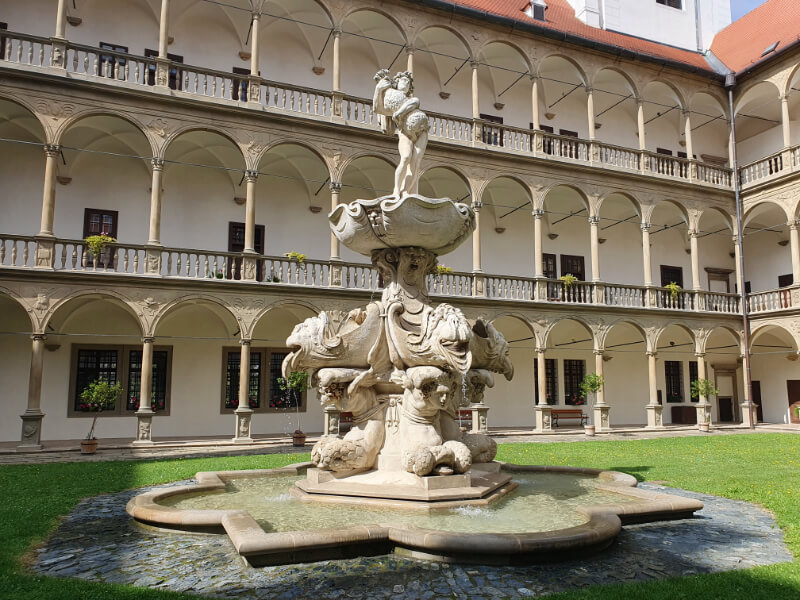
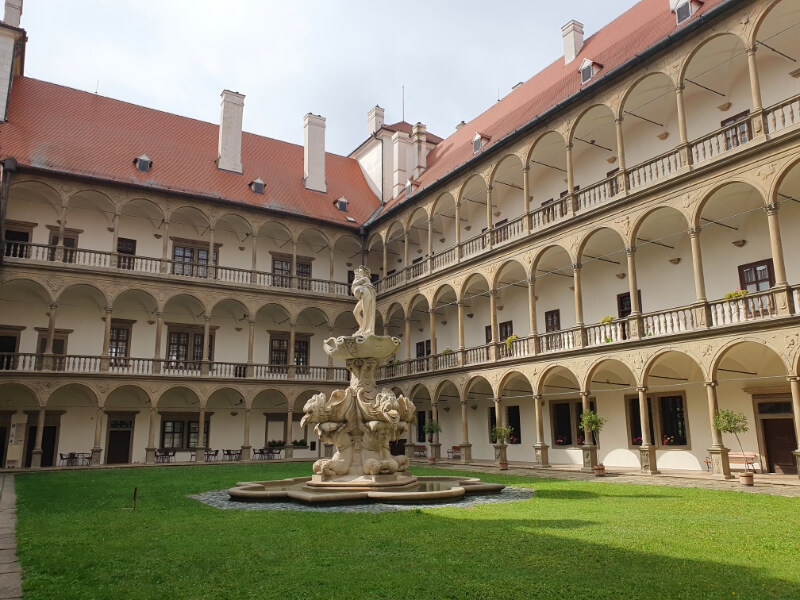
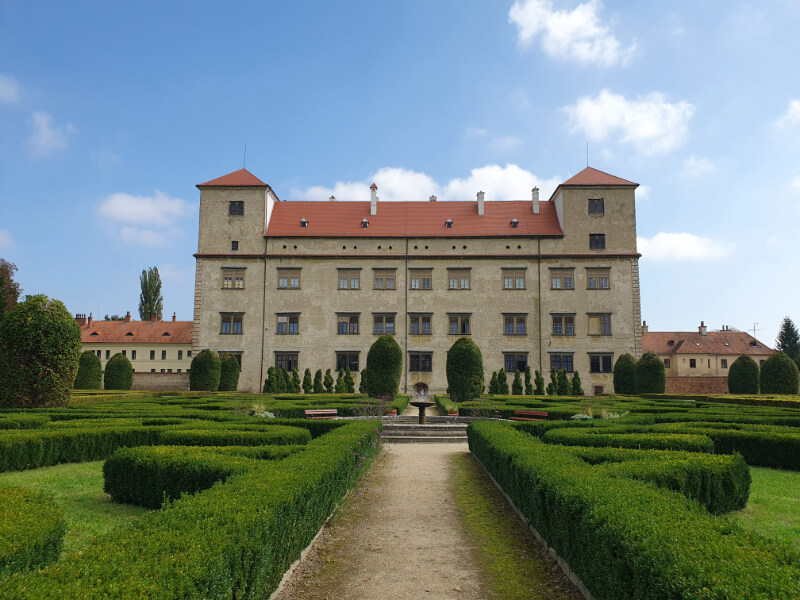
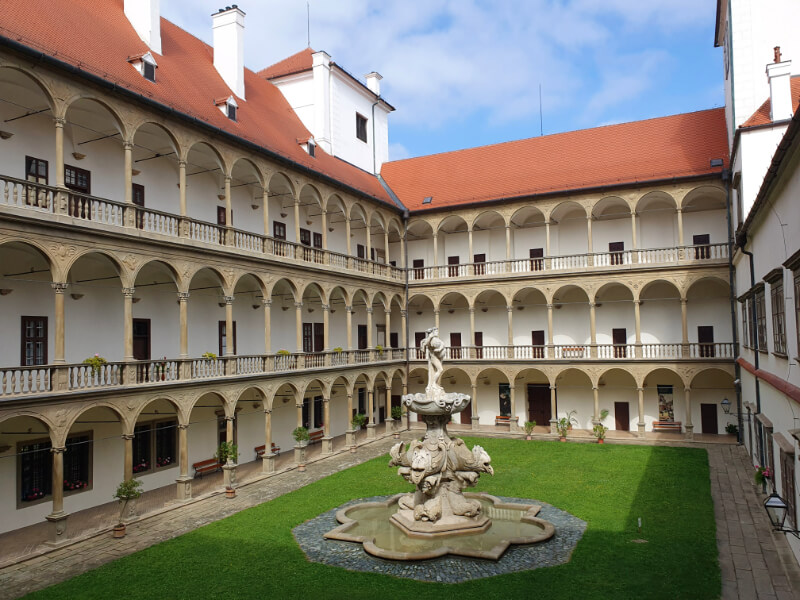
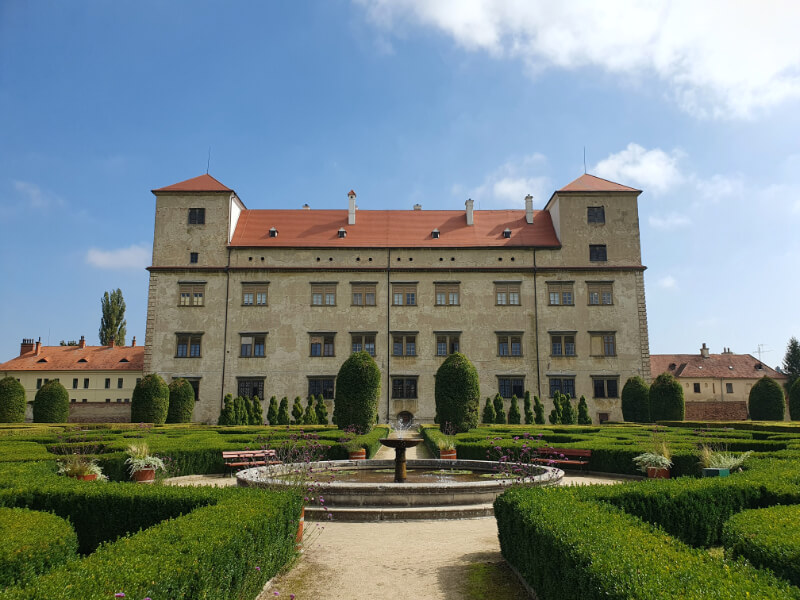
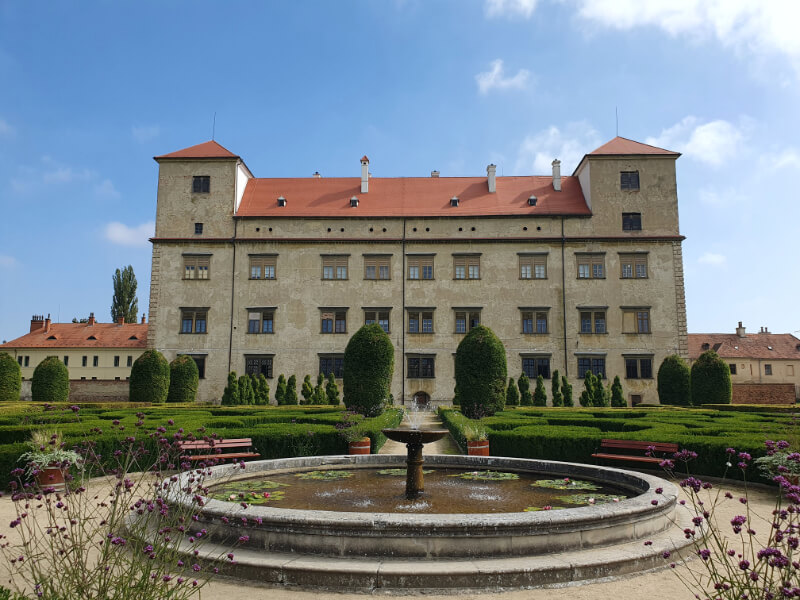
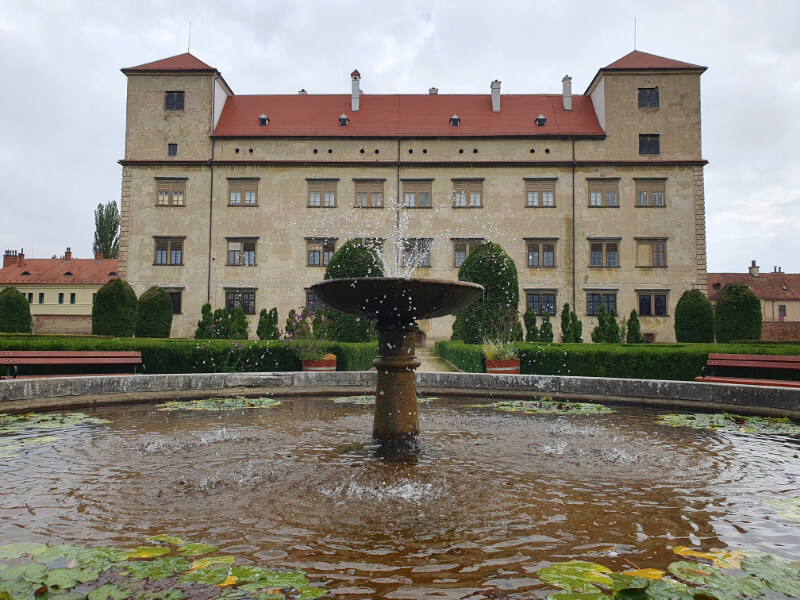
Jan Šember Černohorský studied in Italy and Vienna. He was fond of horses, was an expert in horses and an excellent rider. In the third quarter of the 16th century, he built a completely new Italian-style Renaissance residence, Chateau Bučovice. His education, culture and passion for art are also reflected in the masterful decoration of the chateau he built. The chateau is a late Renaissance “palazzo in fortezza” style building. It has a four-winged, spacious inner courtyard, which is bordered by a three-story arcade on three sides. Among its columns are Ionic, Roman and Corinthian, and each pedestal is decorated with different reliefs. Among them we can see war motifs, coats of arms, musical instruments, fantastic animals and creatures.
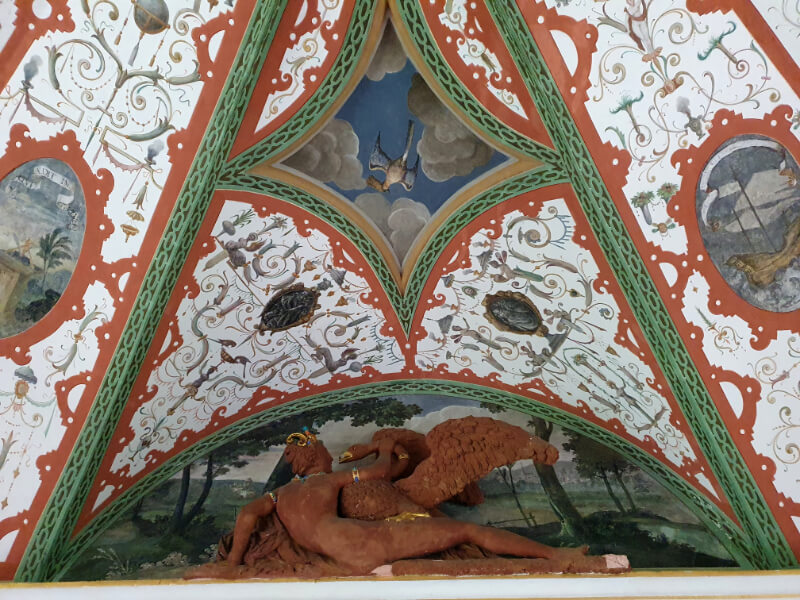
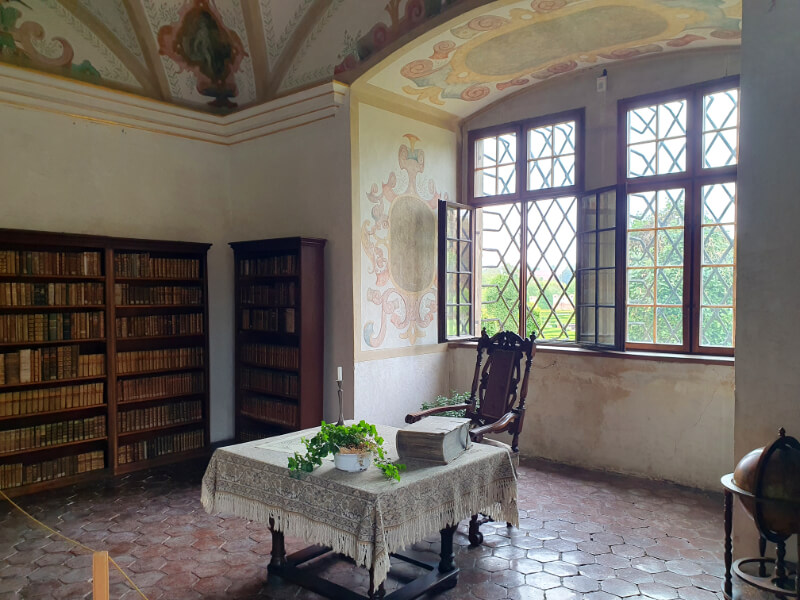
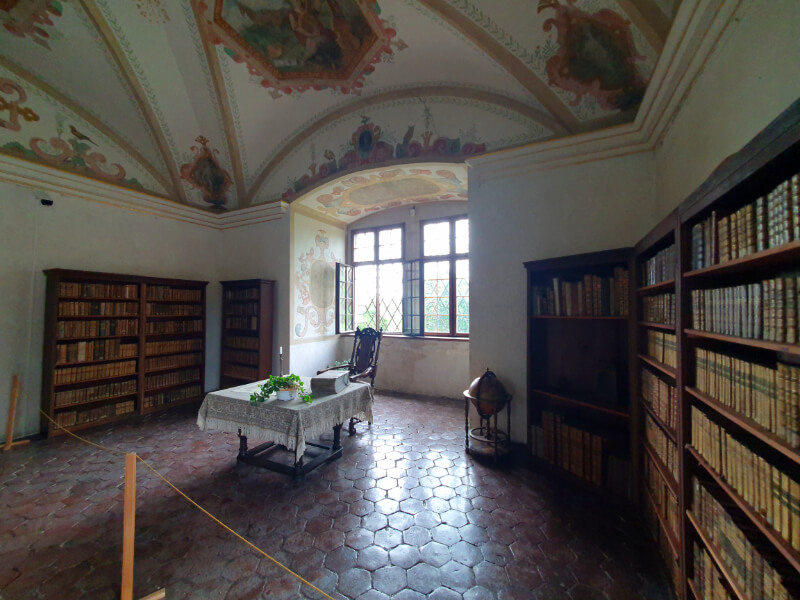
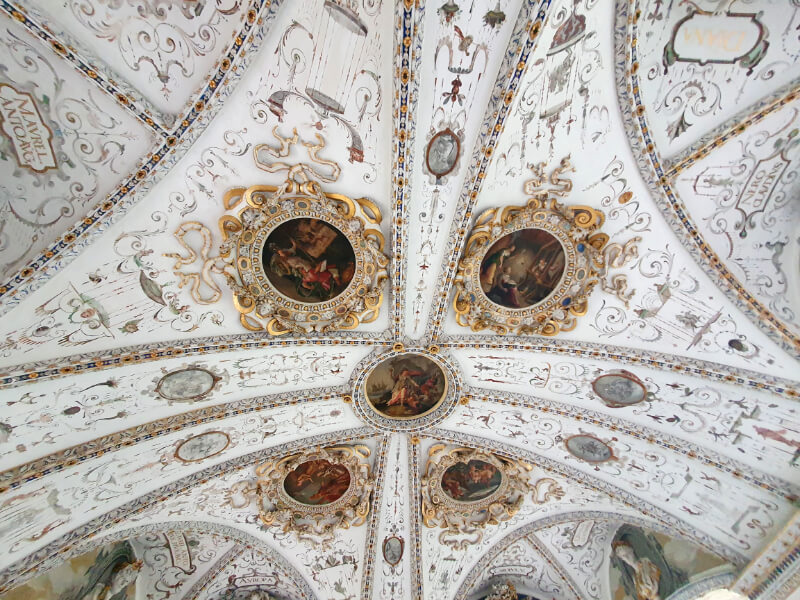
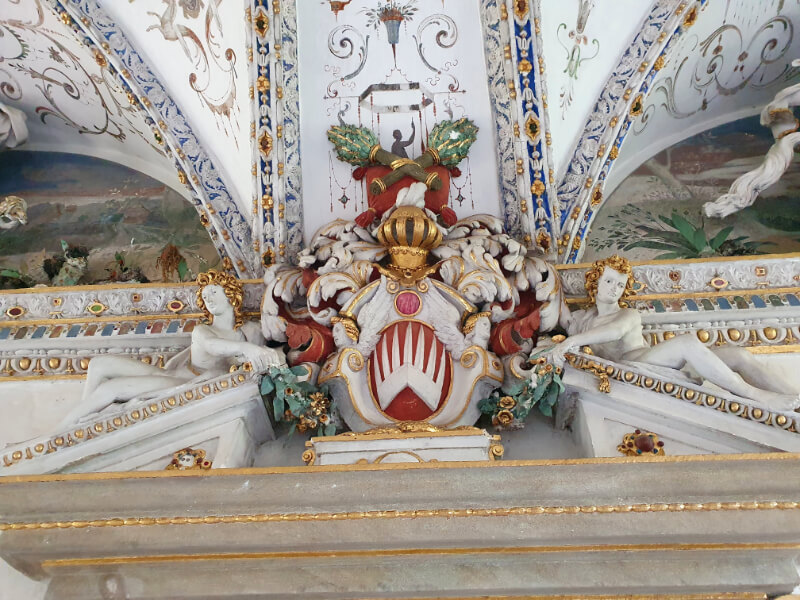
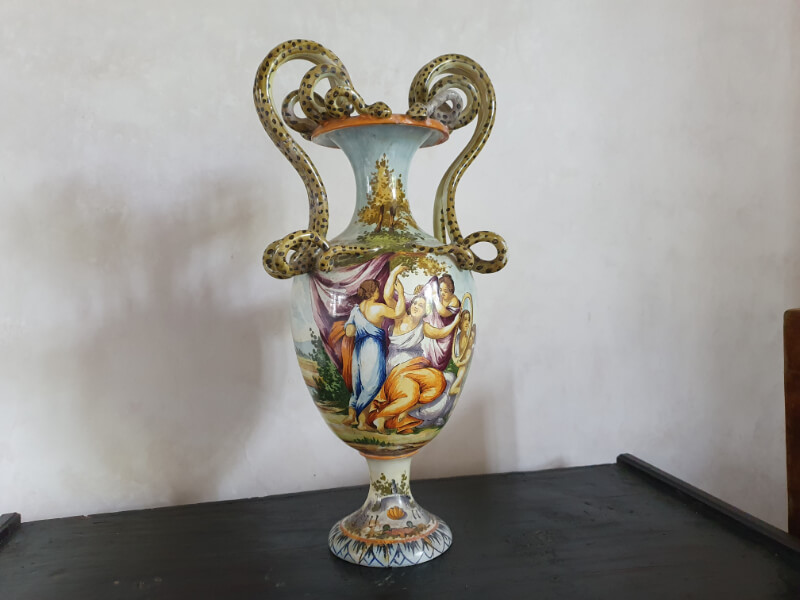
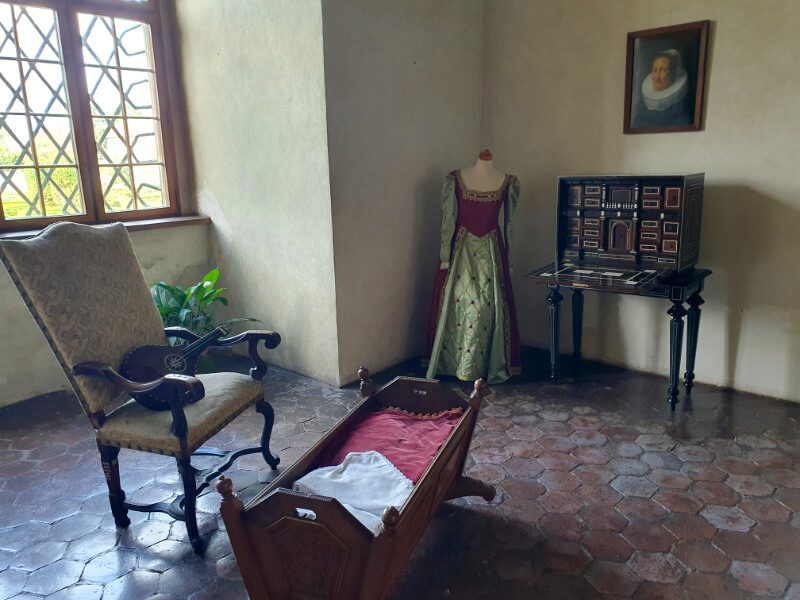
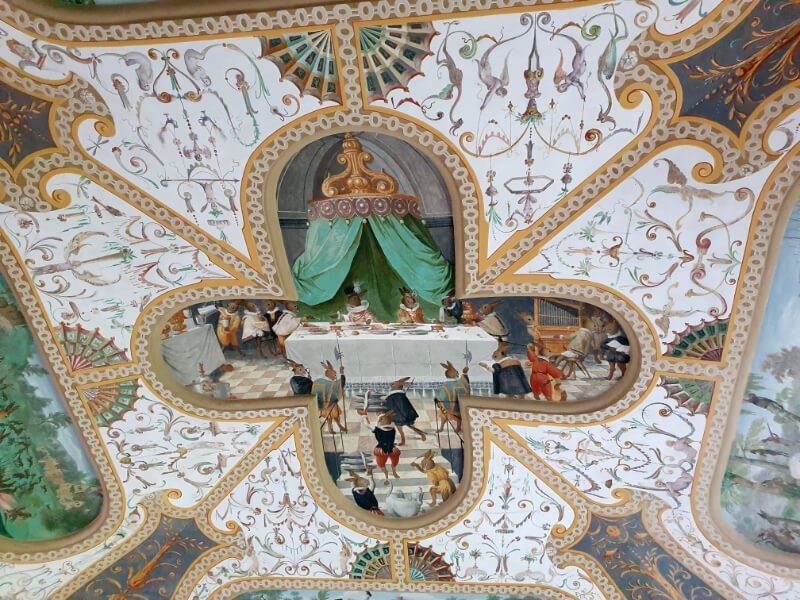
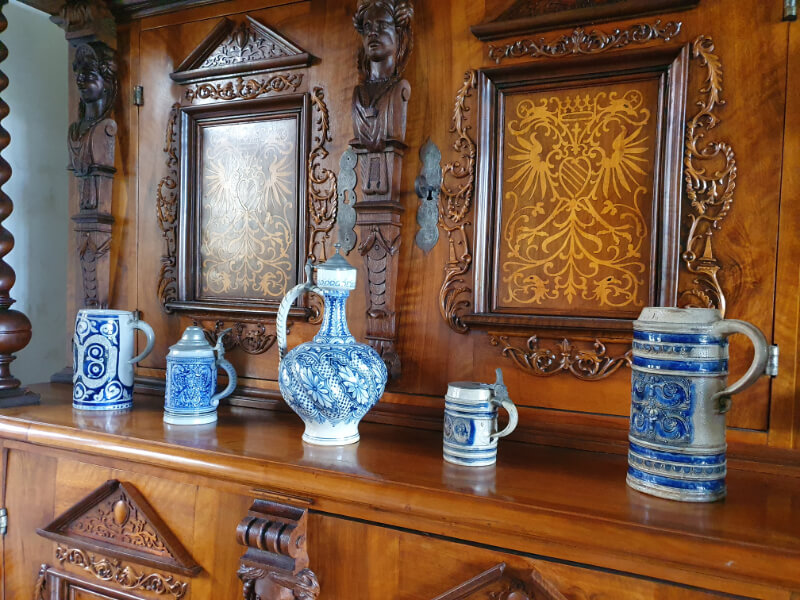
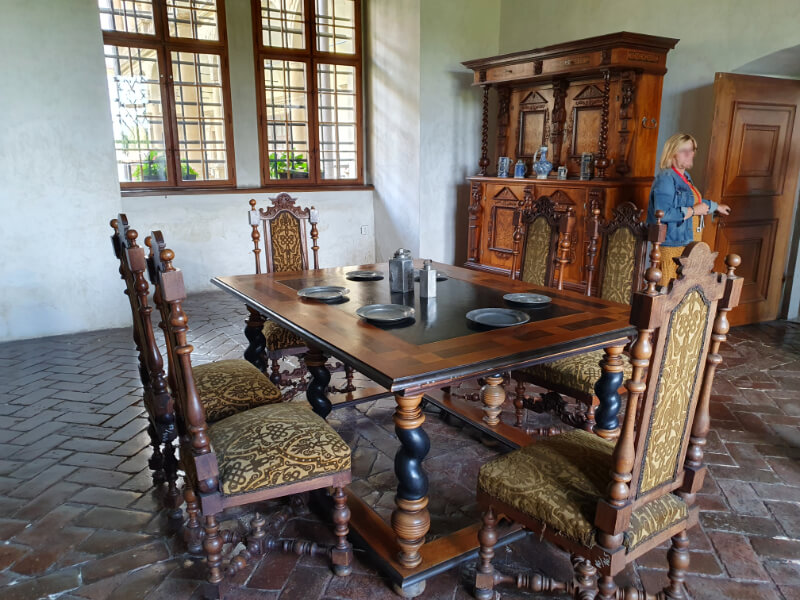
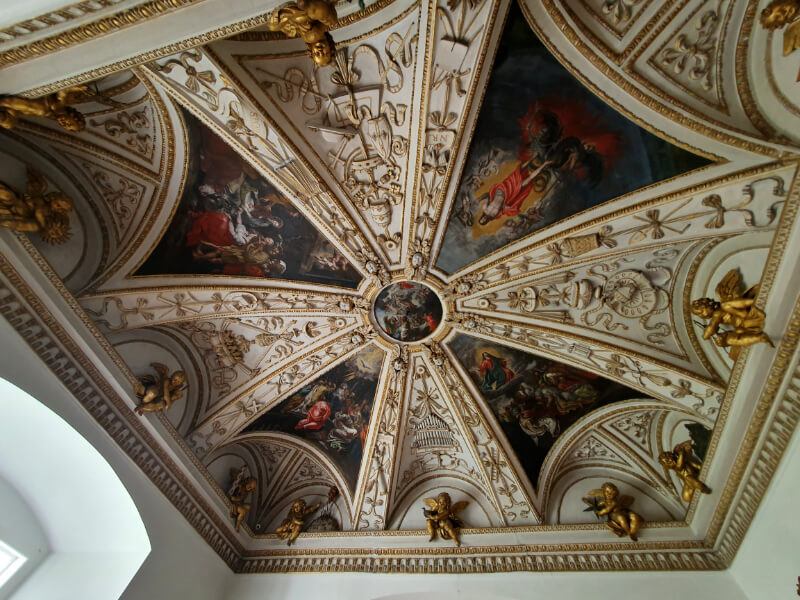
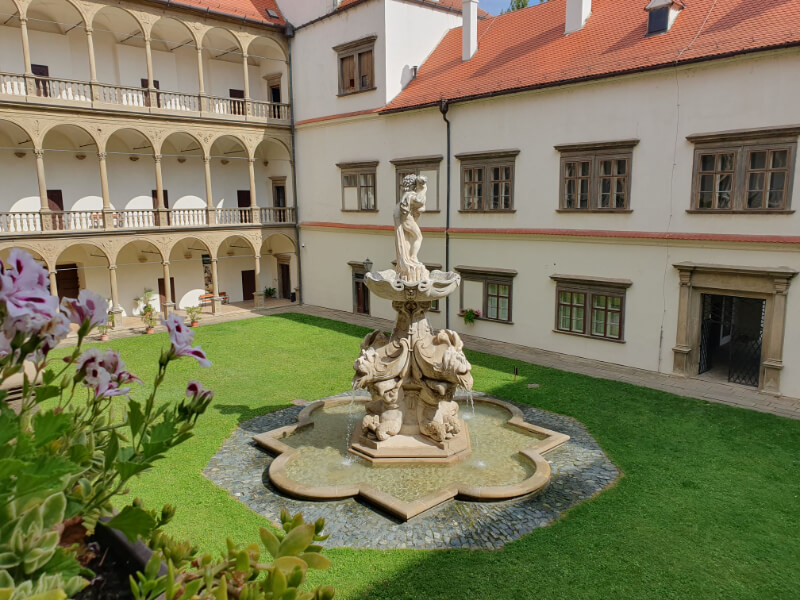
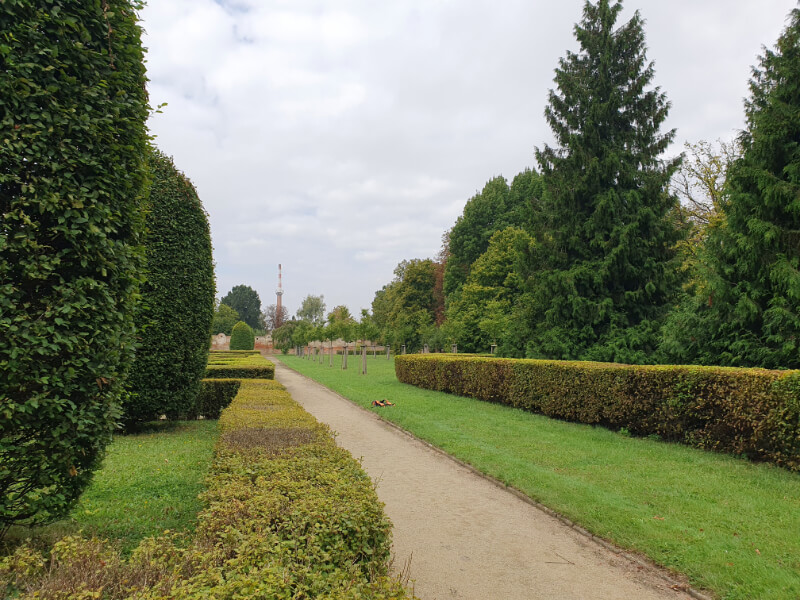
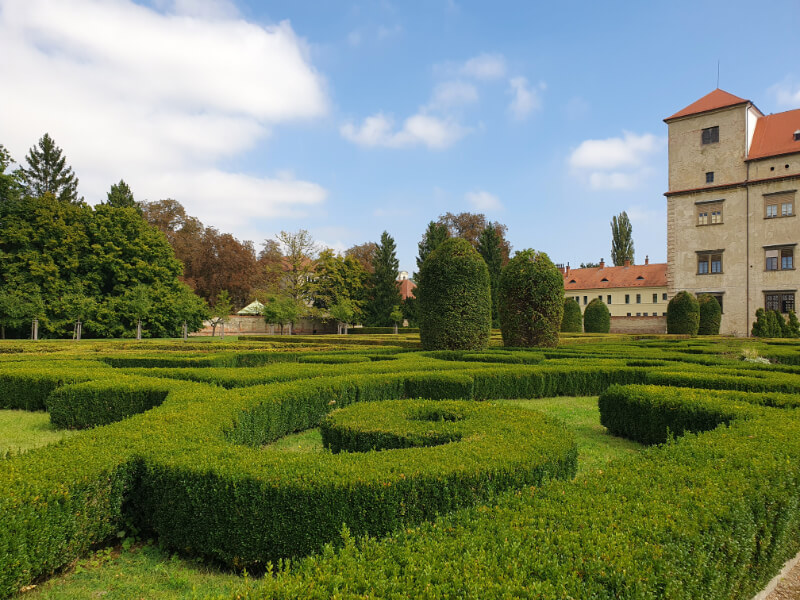
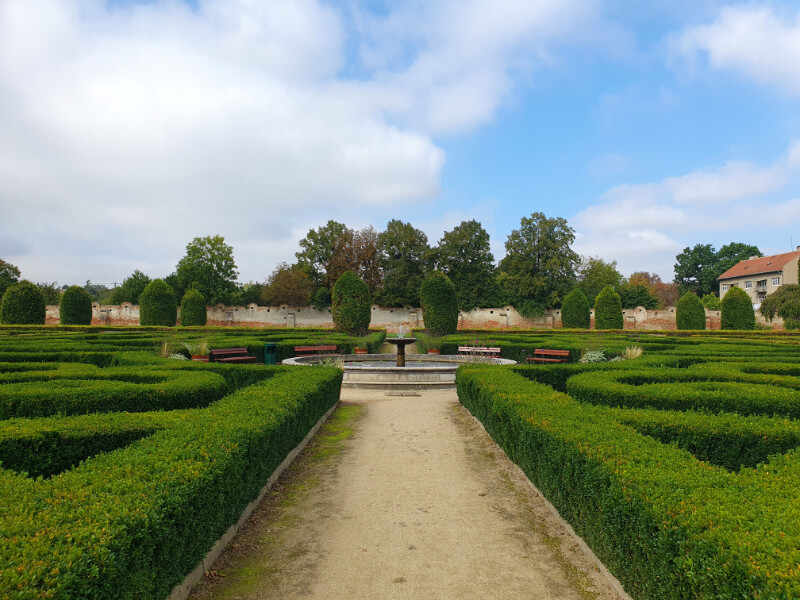
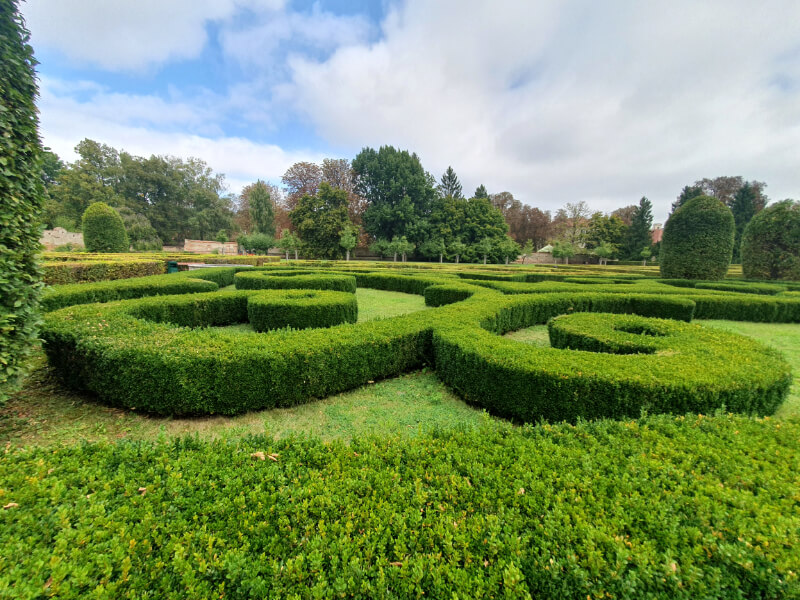
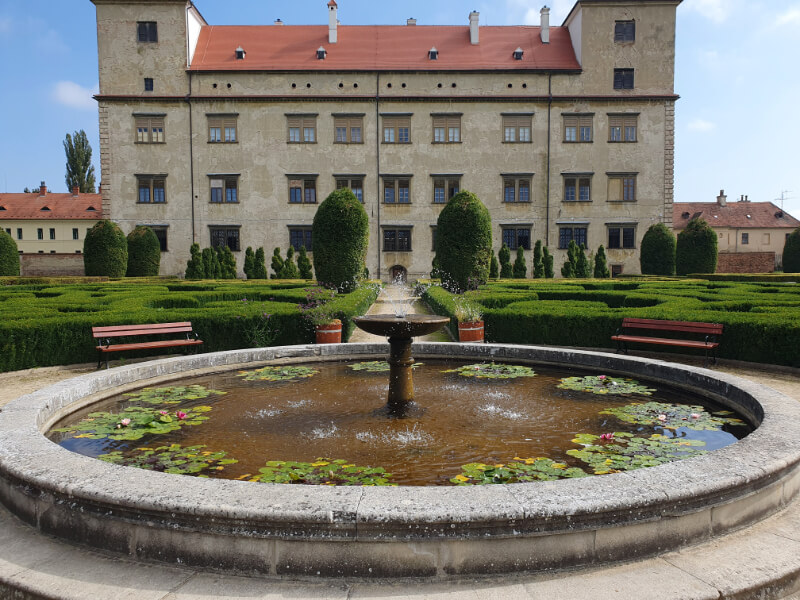
The Černohorský family later died out in the male line, their daughters married into the Lichtenstein family, so the estate came to the Lichtenstein family, which also contributed significantly to the development of Bučovice. In the 17th century, a Baroque renovation was initiated at the chateau with the participation of Giovanni Giacomo Tencalla. He had the Mannerist fountain in the middle of the courtyard made. The halls of the chateau are breathtaking. It has elaborate, rich decoration. Its wall and ceiling paintings depict birds, rabbits, ancient scenes, Roman emperors and biblical figures and events. The chateau garden can be accessed from the inner courtyard. Its 17.5-hectare area is surrounded by a wall. The garden has a geometric layout, with boxwood and hornbeam decorations, lawns and fountains.
“Architecture is the learned game, correct and magnificent, of forms assembled in the light.”
– Le Corbusier