
The wonderful Vienna
I have returned to the heart of Austria: Vienna. This beautiful Austrian capital on the Danube is the country’s cultural, economic, and political center. It is also the nation’s largest city, with a population of nearly two million. Its rich history dates back to the Roman military camp of Vindobona. It underwent significant development during the Middle Ages and later became the center of the vast Habsburg Monarchy. The city served as the seat of the Habsburg emperors and eventually became the capital of the Austro-Hungarian Empire.
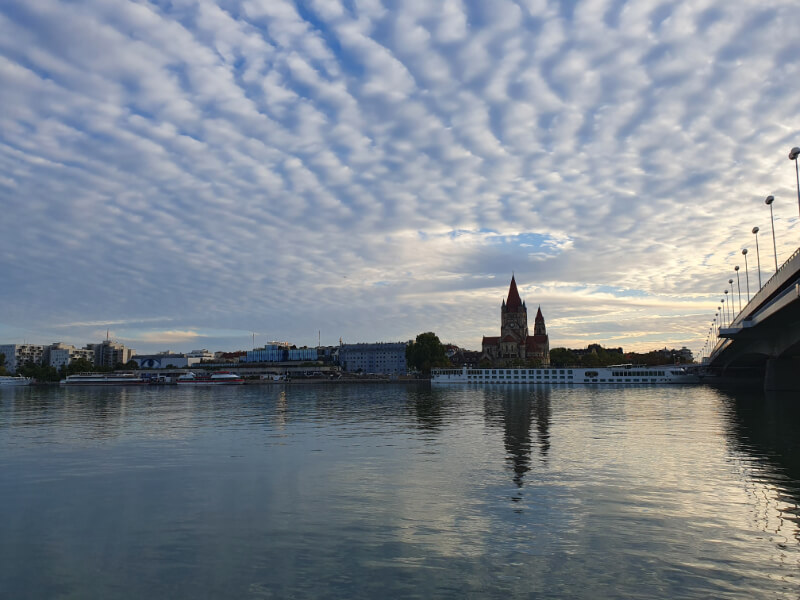
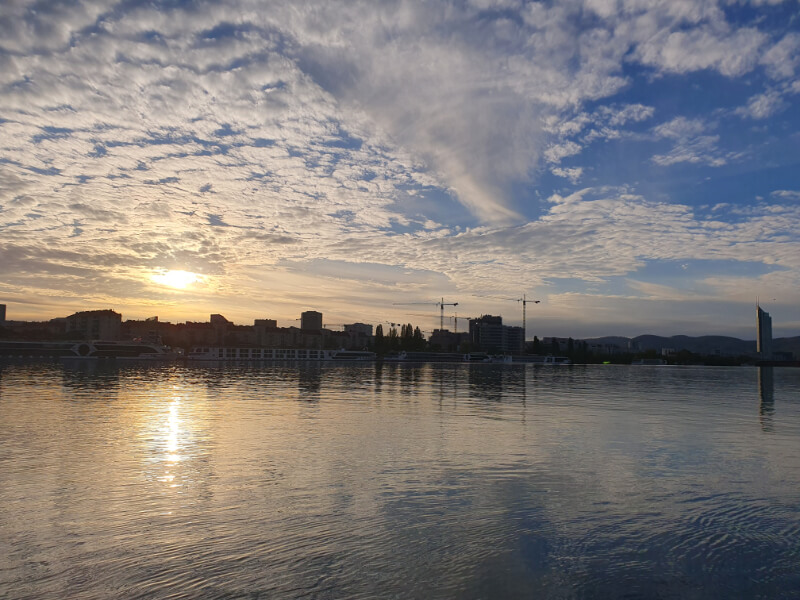
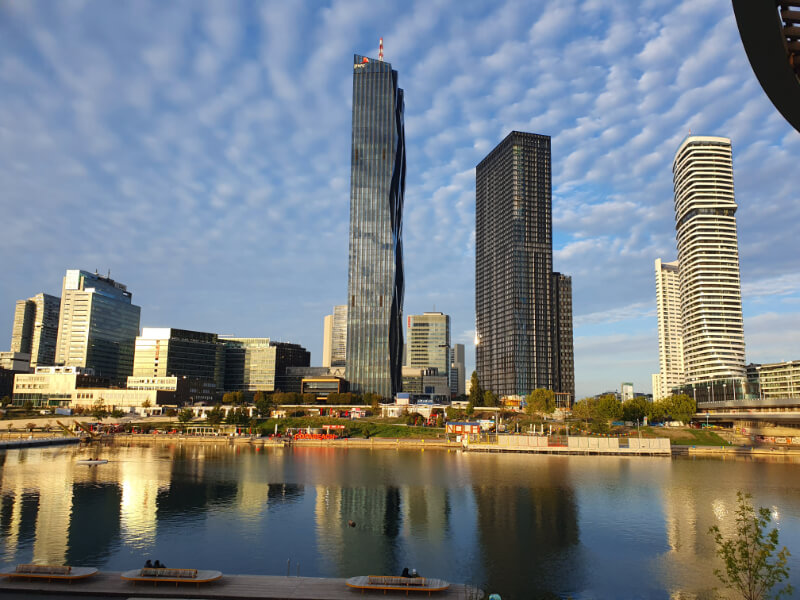
Vienna is also renowned for its imperial architecture; standout examples include Schönbrunn Palace, the Hofburg, and St. Stephen’s Cathedral. The city is closely linked to legendary classical musicians such as Mozart, Beethoven, Schubert, and Strauss. In the late 19th and early 20th centuries, Vienna emerged as a major hub for art, architecture, and philosophy.
Today, Vienna is celebrated for its high quality of life, extensive public transport network, museums, historic buildings, coffee house culture, and green spaces. It is also home to international organizations such as the United Nations (UN) and OPEC. You may have already encountered the city in my previous articles, where I wrote about Christmas in Vienna, Schönbrunn Palace, and Belvedere Palace.
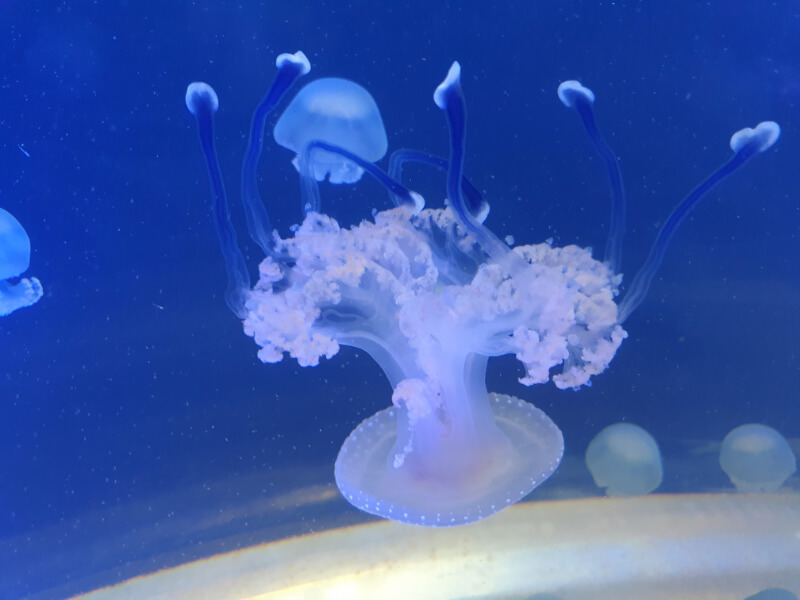
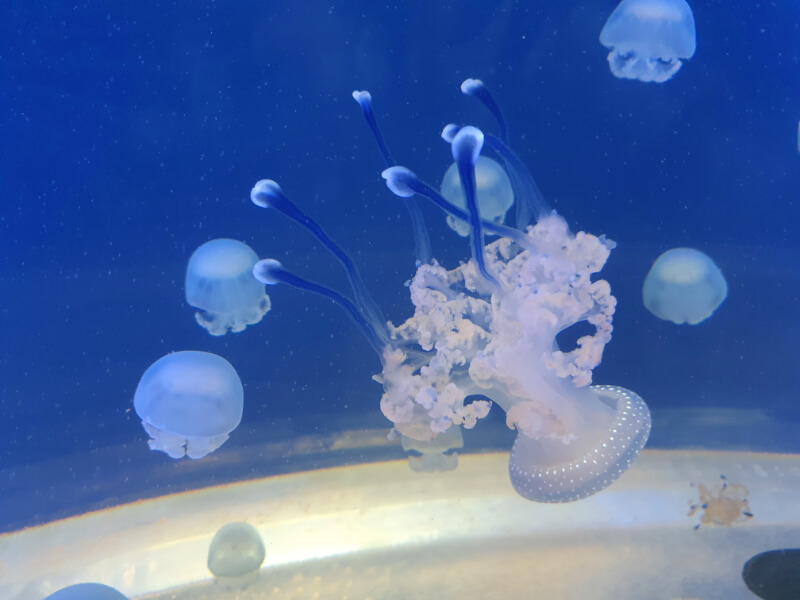
“The streets of Vienna are paved with culture, the streets of other cities with asphalt.”
– Karl Kraus
From the Flak Tower to the Aqua Terra Zoo
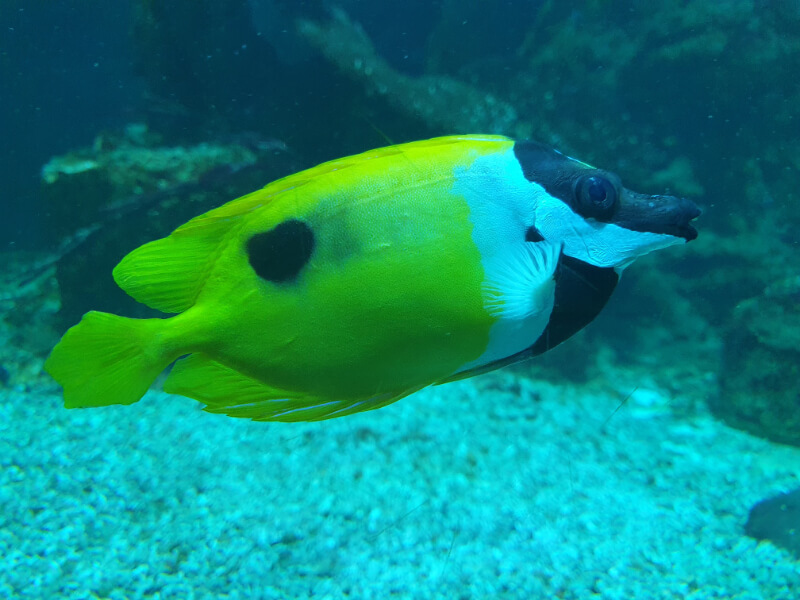
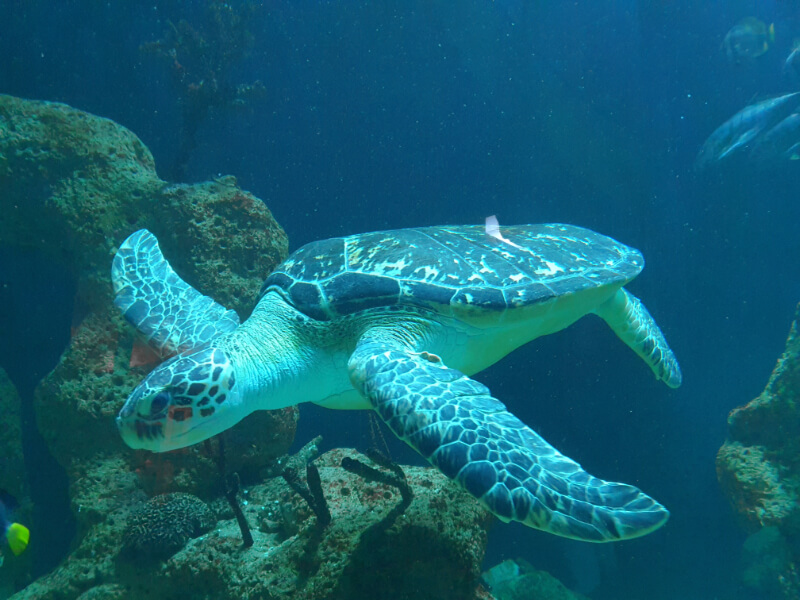
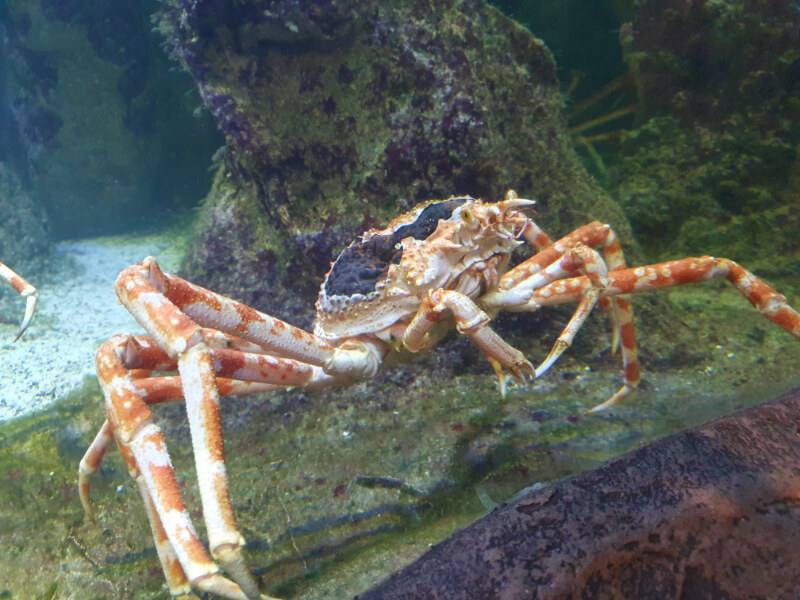
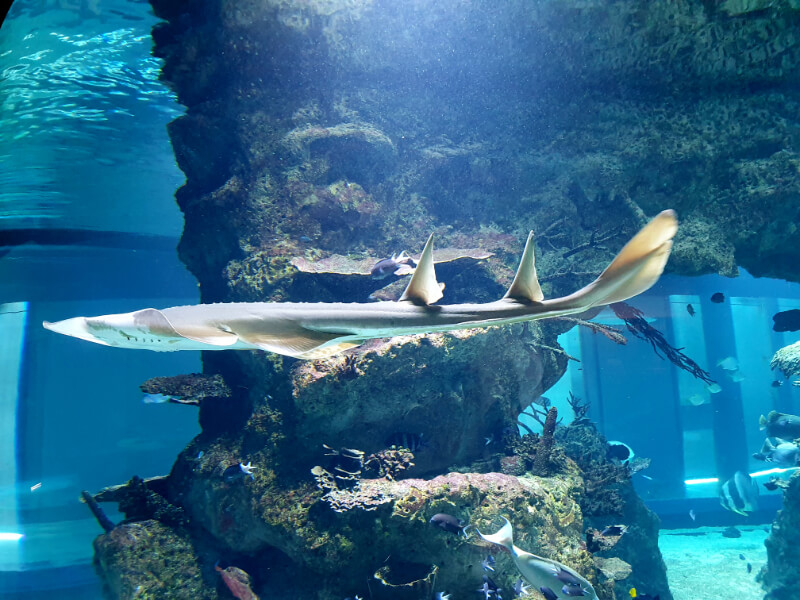
Haus des Meeres is one of Vienna’s most unique aquariums. It is an 11-story Aqua Terra Zoo housed in a converted World War II anti-aircraft tower. Spanning a floor area of approximately 5,000 square meters (about 54,000 square feet), it is home to ten thousand animals. Interestingly, the building itself is part of the exhibition.
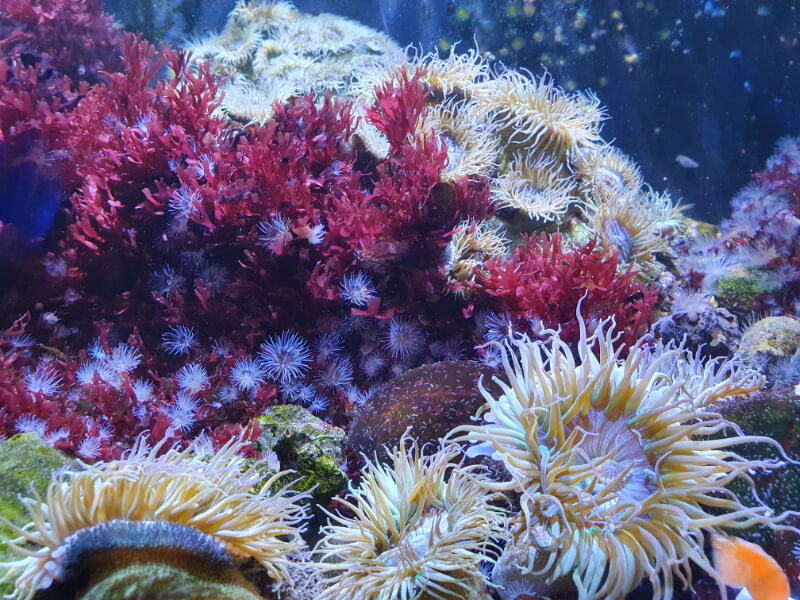
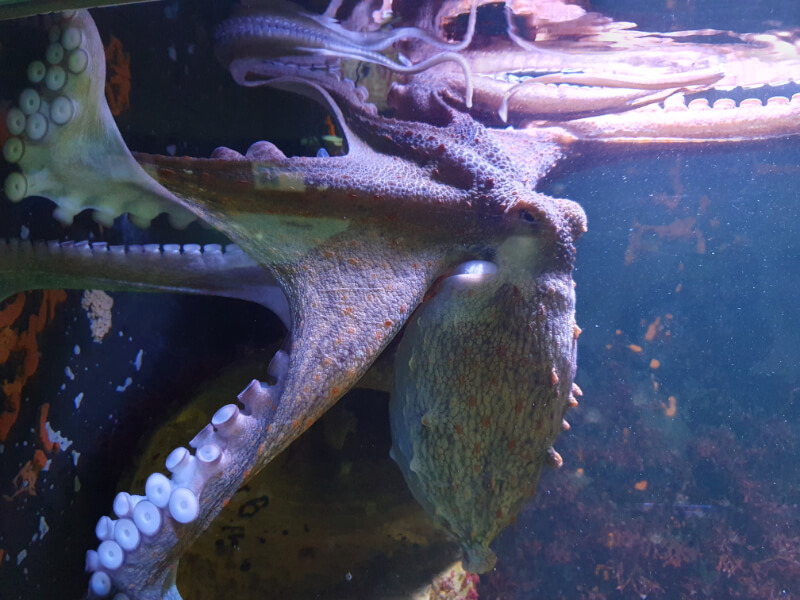
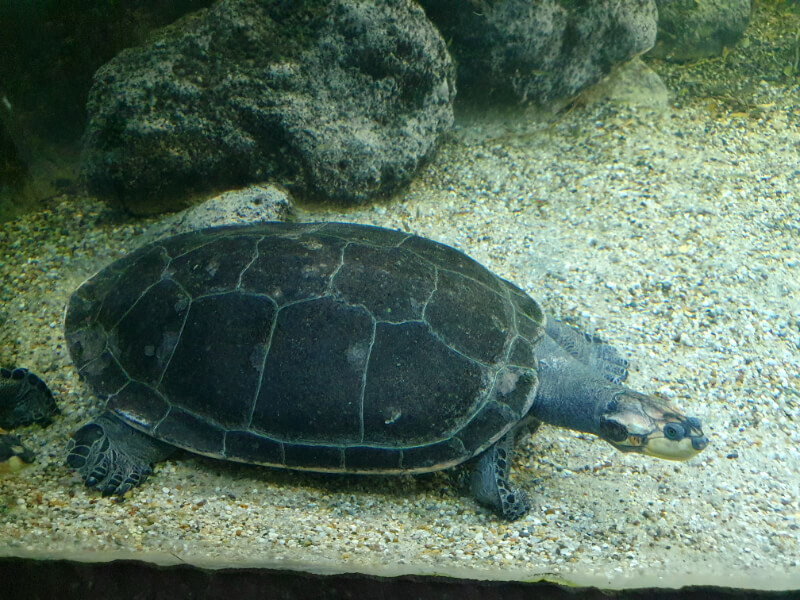
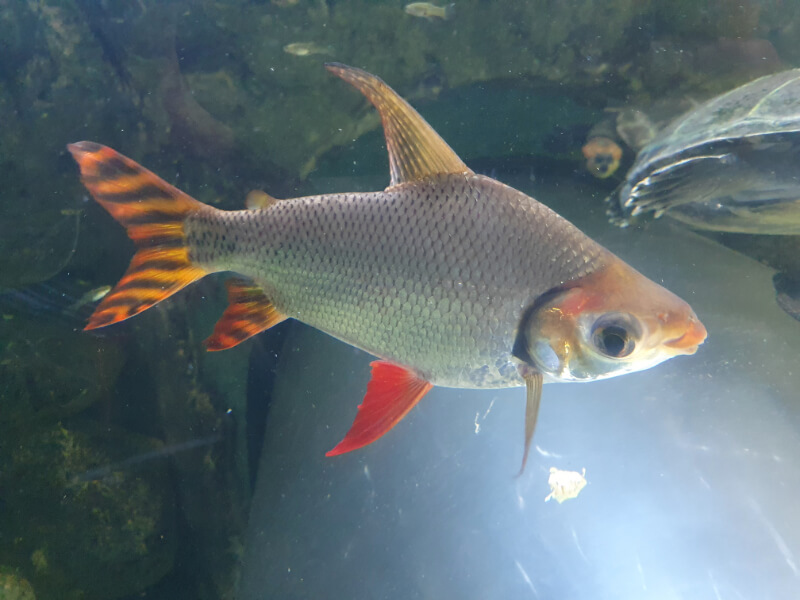
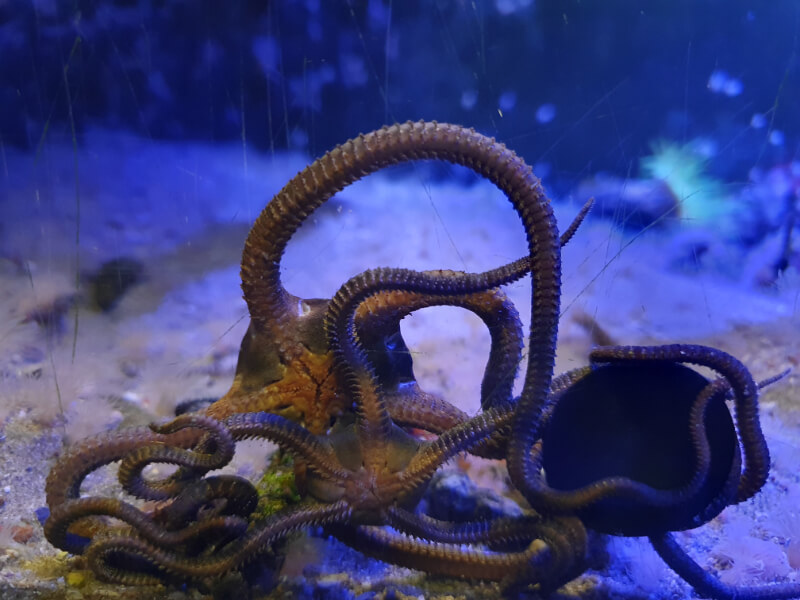
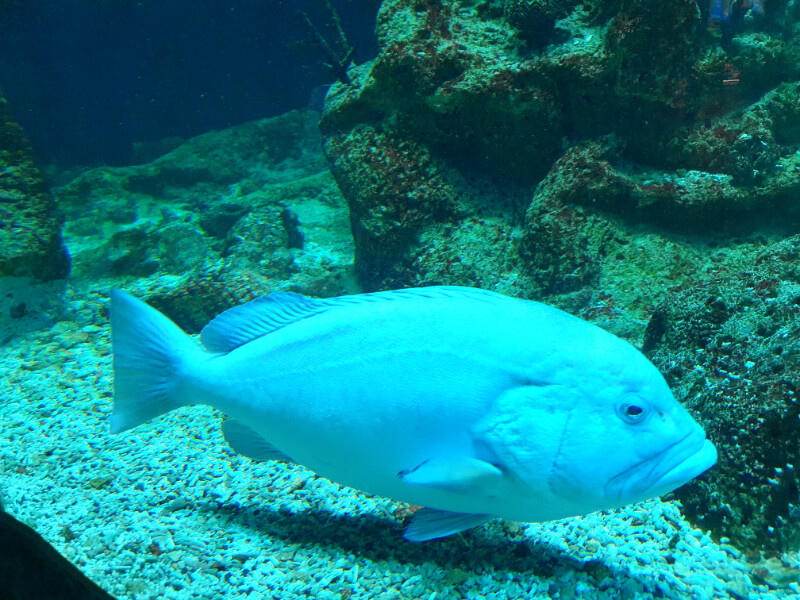
The Flakturm (Flak Tower) located in Esterházypark was built in just ten months during World War II. The primary function of this massive reinforced-concrete anti-aircraft tower was to coordinate the city’s air defense and house anti-aircraft weaponry. The structure is incredibly robust; originally designed for wartime purposes, one of the major challenges regarding its later repurposing was that it had never been intended to serve as a zoo or a public building. After the war, the tower stood empty; rather than demolishing it, a new function was sought for the structure.
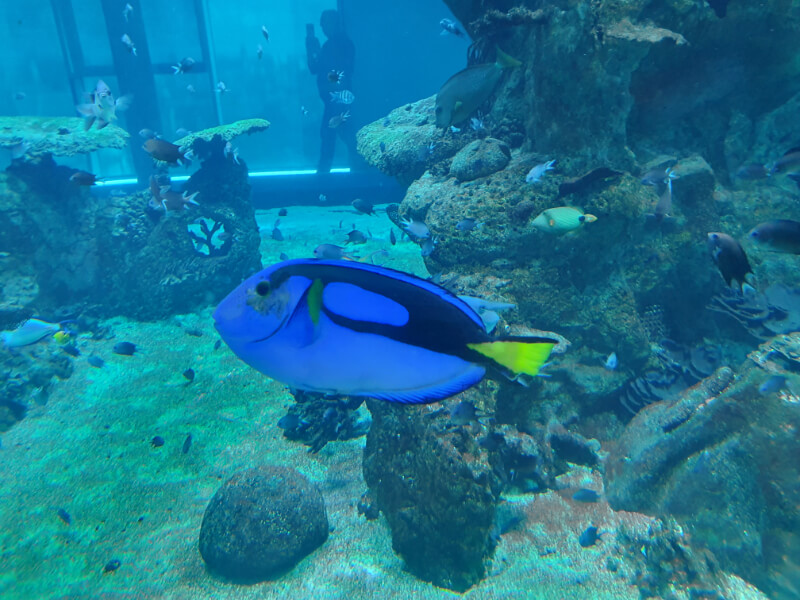
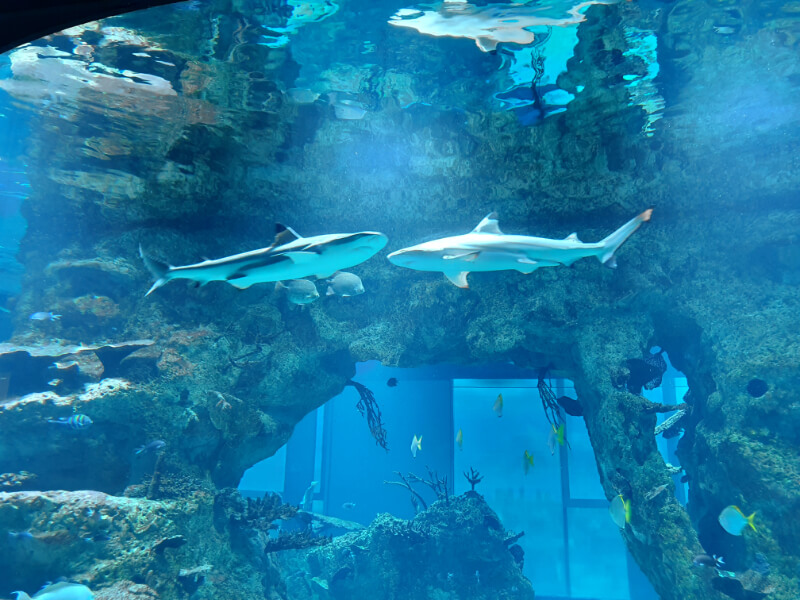
Meanwhile, in 1957, an organization called Gesellschaft für Meeresbiologie (Society for Marine Biology) was founded with the aim of establishing an institution dedicated to marine life within the former Flakturm. The idea of establishing a marine biology and educational center inside a concrete wartime bunker was a unique approach for its time. The first permanent saltwater exhibit opened in 1958, though at that stage, only 40 small aquariums were in operation. Since some of the equipment was second-hand, the facility frequently struggled with maintenance issues and financial difficulties—problems so severe that, by around 1965, closure was being considered.
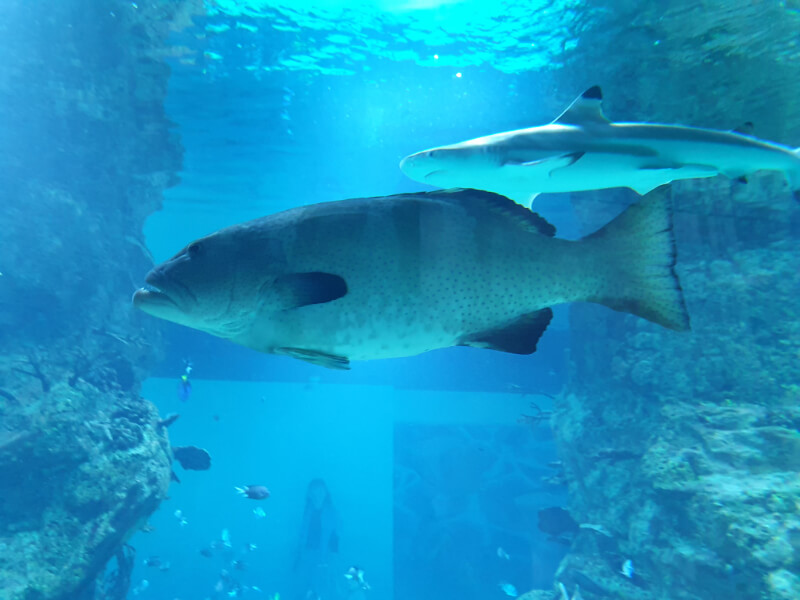
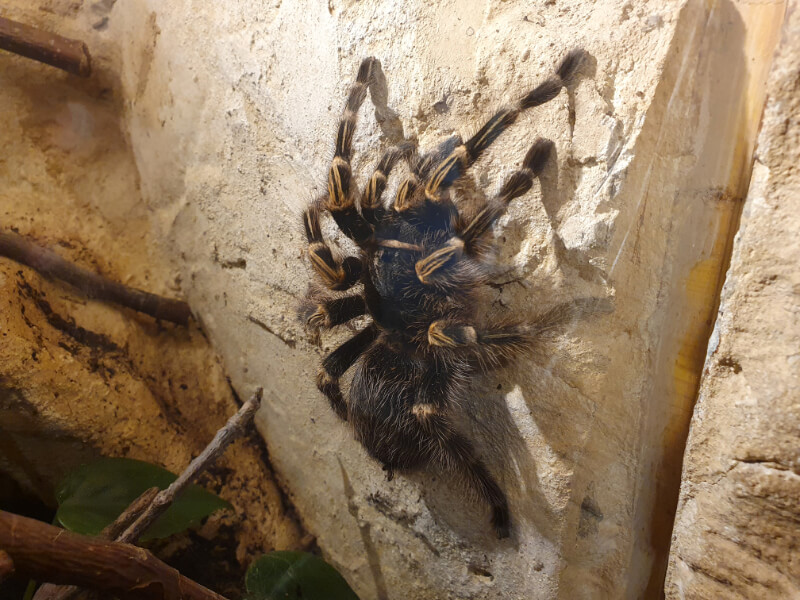
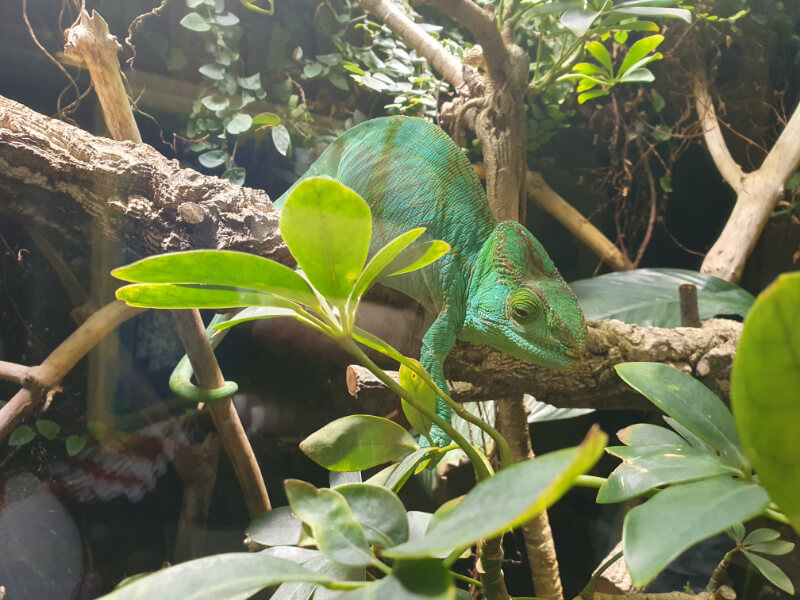
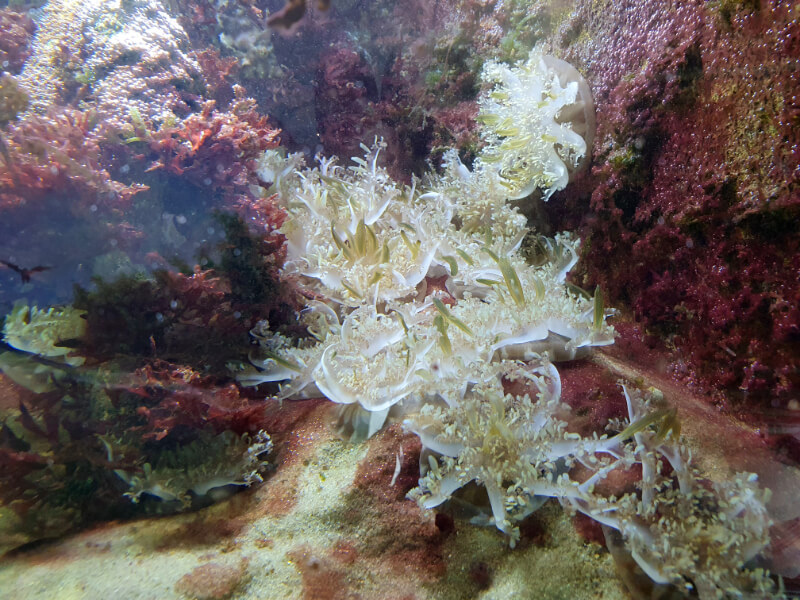
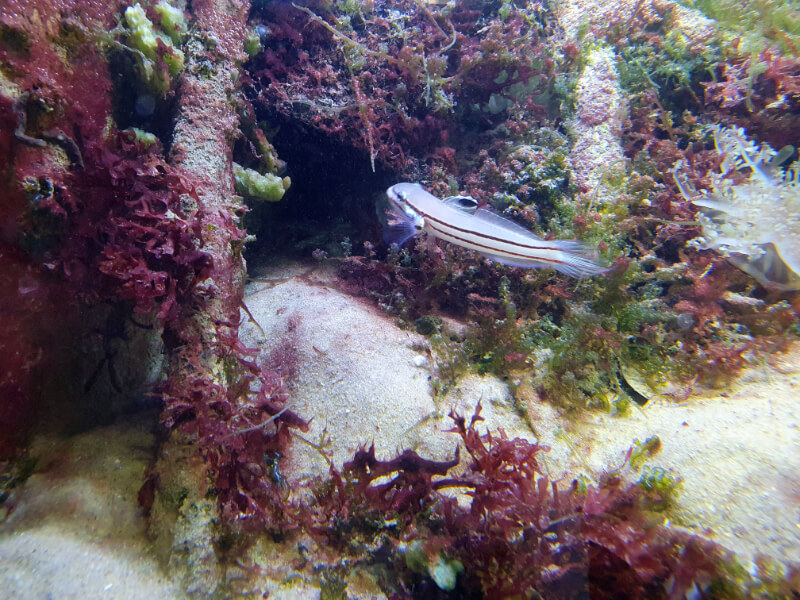
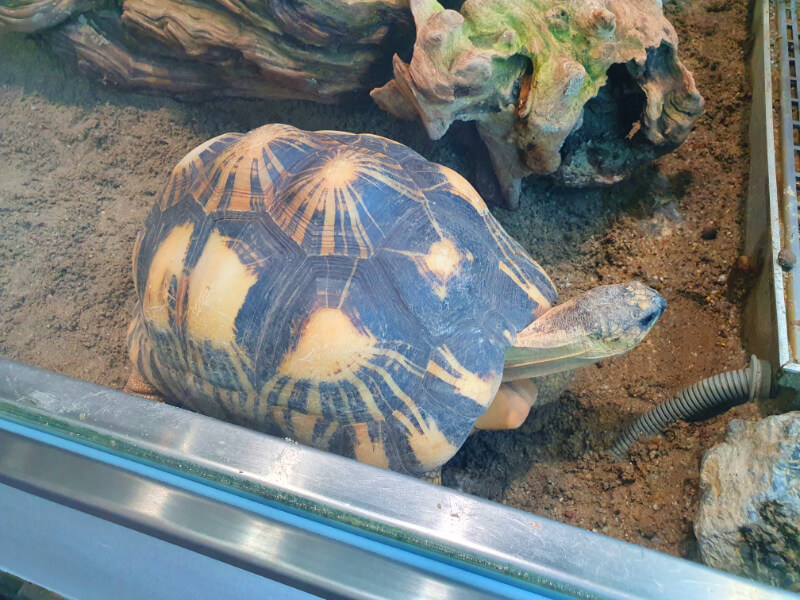
Nevertheless, further expansions began in 1966, with more floors and rooms being taken over for the aquariums. In 1968, for instance, a large 5,000-liter (1,321 gallon) saltwater tank was installed, what was a significant upgrade at the time. It was no longer merely a marine aquarium; the collection expanded to include freshwater fish, reptiles, amphibians, birds, and mammals, followed later by tropical vegetation and jungle-like habitats. It gradually transformed into an Aqua Terra Zoo, showcasing both land and aquatic animals. In 1998, an elevator reaching the rooftop level was installed, while the building itself was increasingly adapted for zoo purposes.
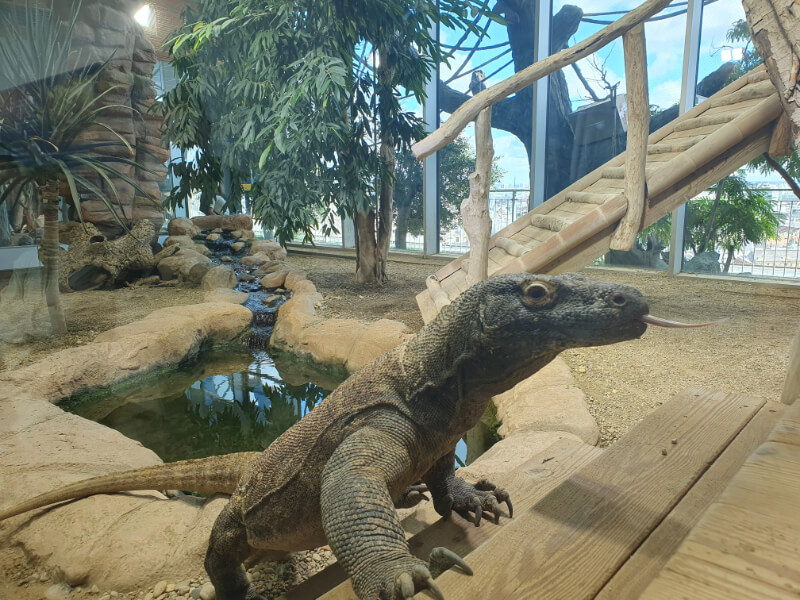
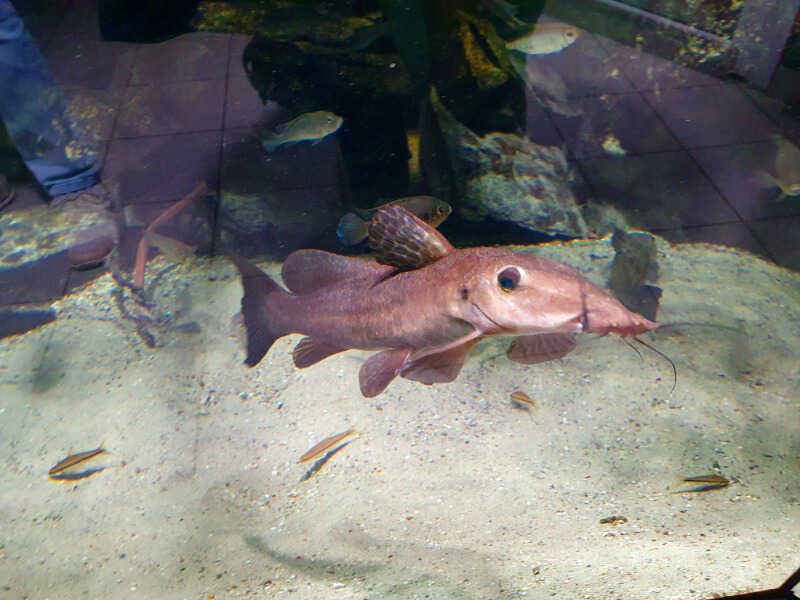
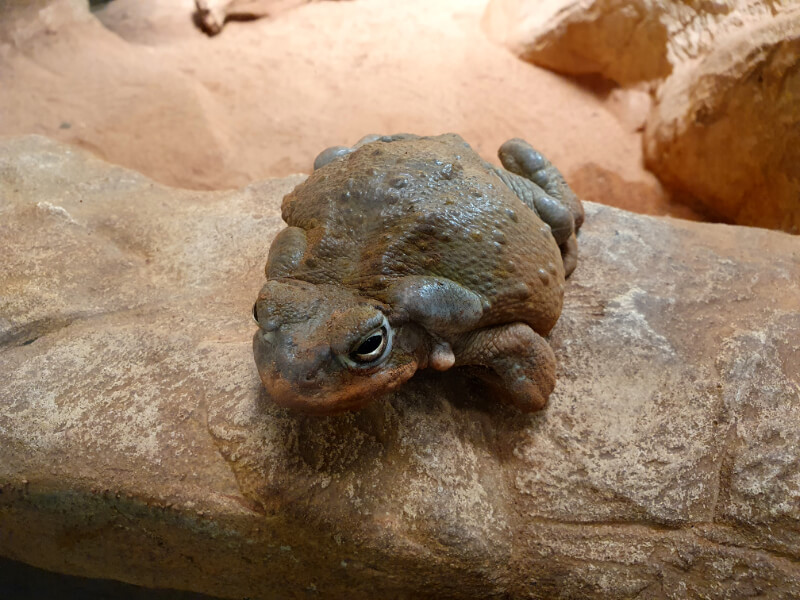
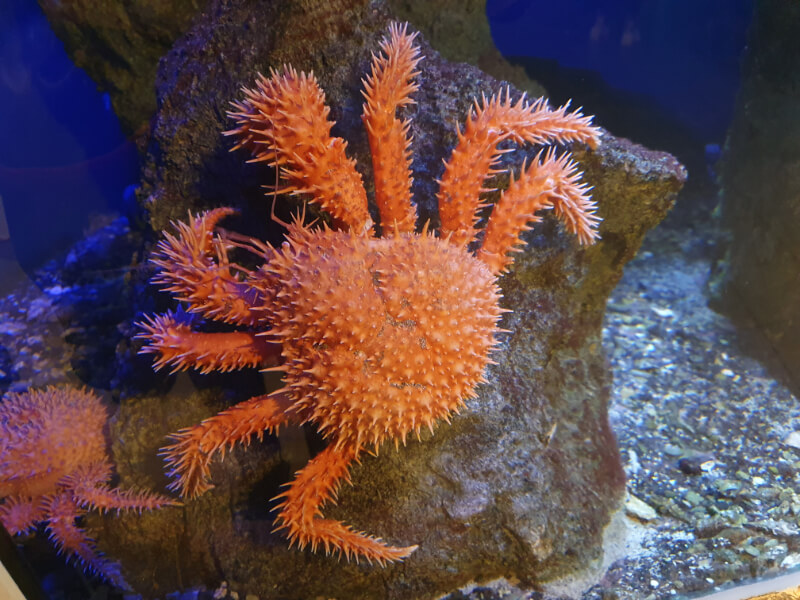
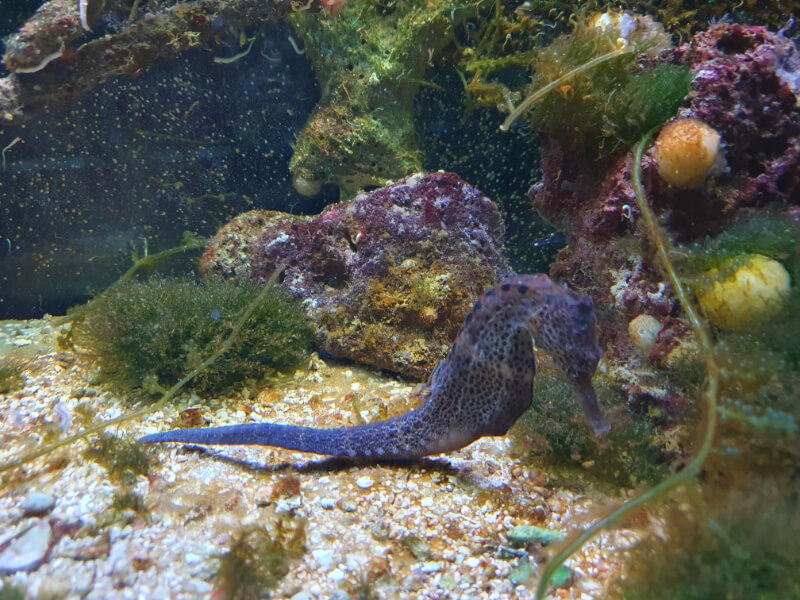
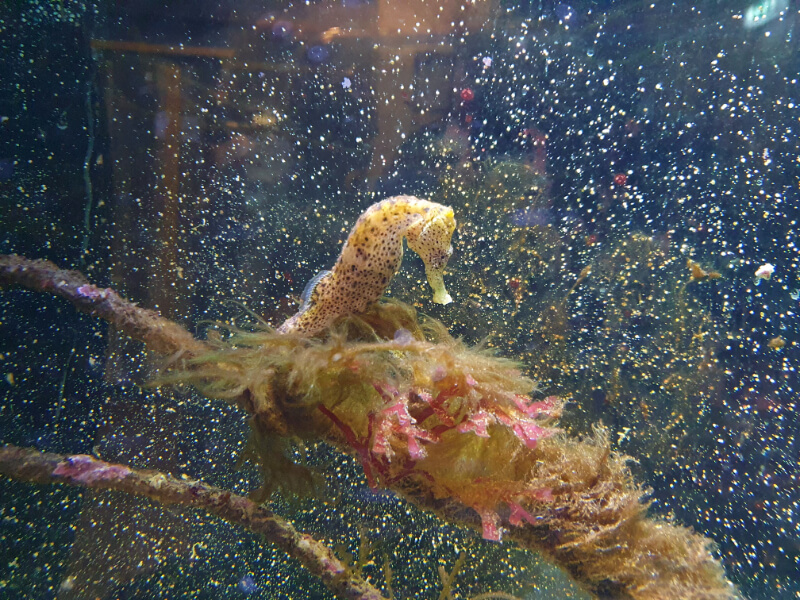
By 2007, the Haus des Meeres had officially become a zoo. It was at this time that Haus des Meeres Betriebs GmbH was established, and the organization adopted the name it had already developed: Haus des Meeres – Aqua Terra Zoo. Previously, the institution had been primarily operated by an association, but its size and scope of activities had grown to resemble those of a major zoological organization. It was no longer merely an aquarium but a scientifically managed zoo.
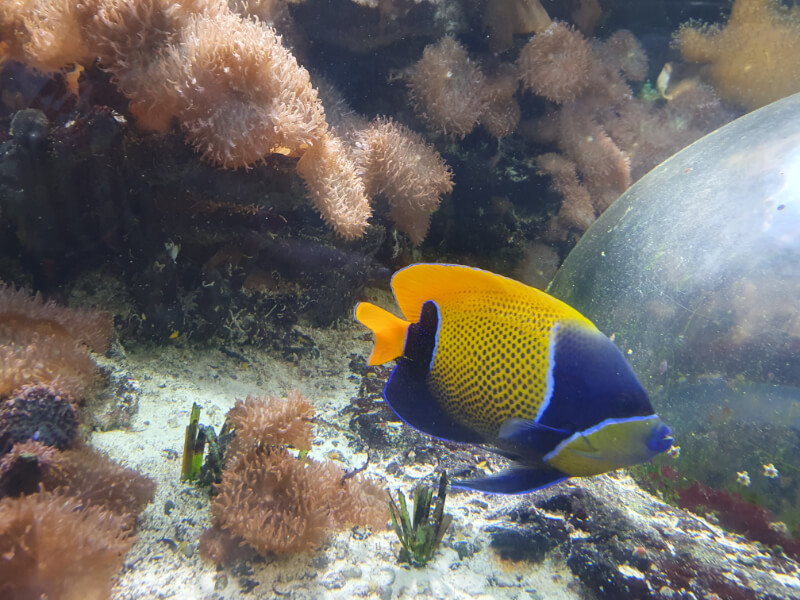
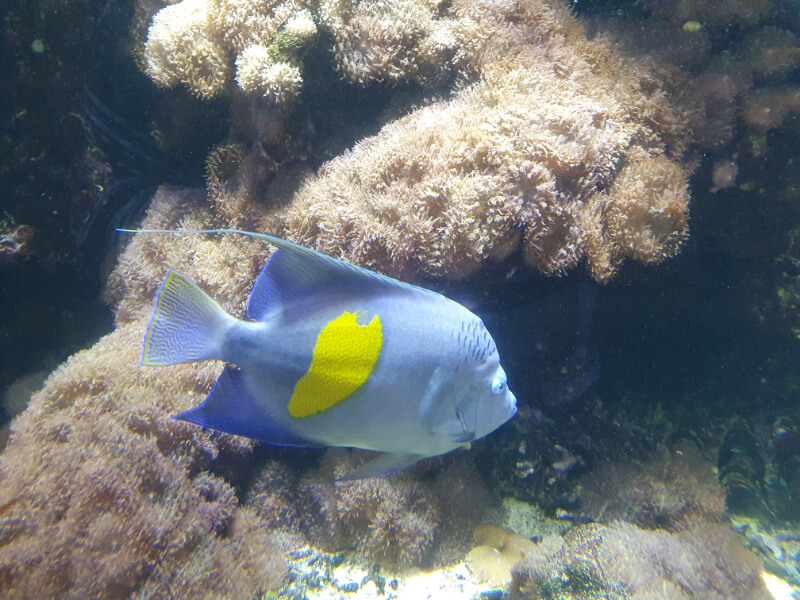
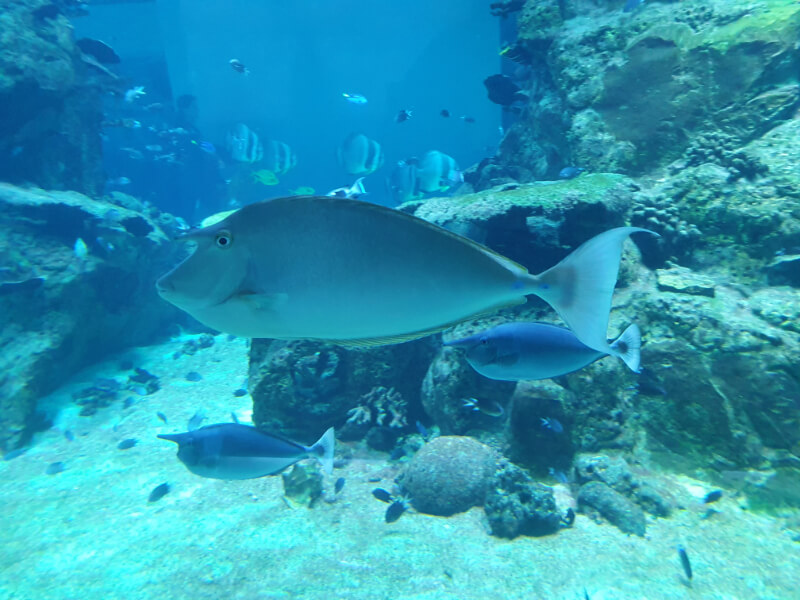
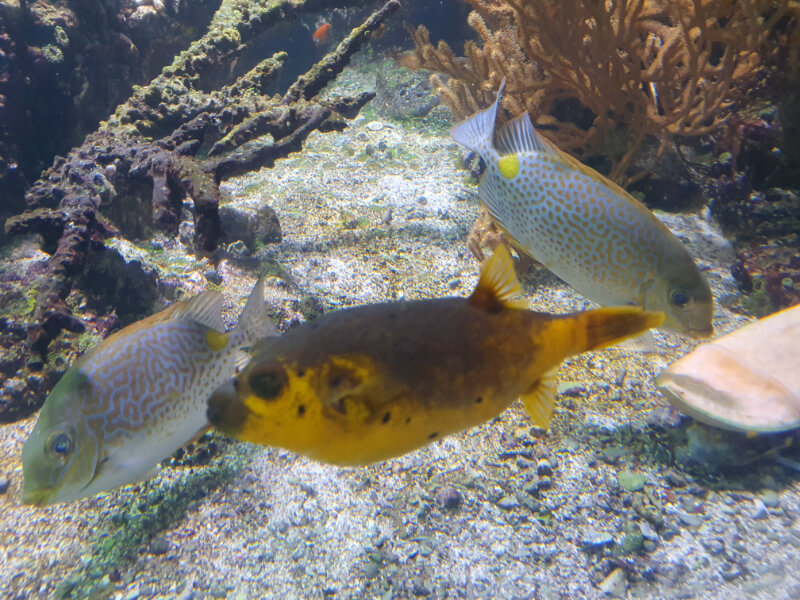
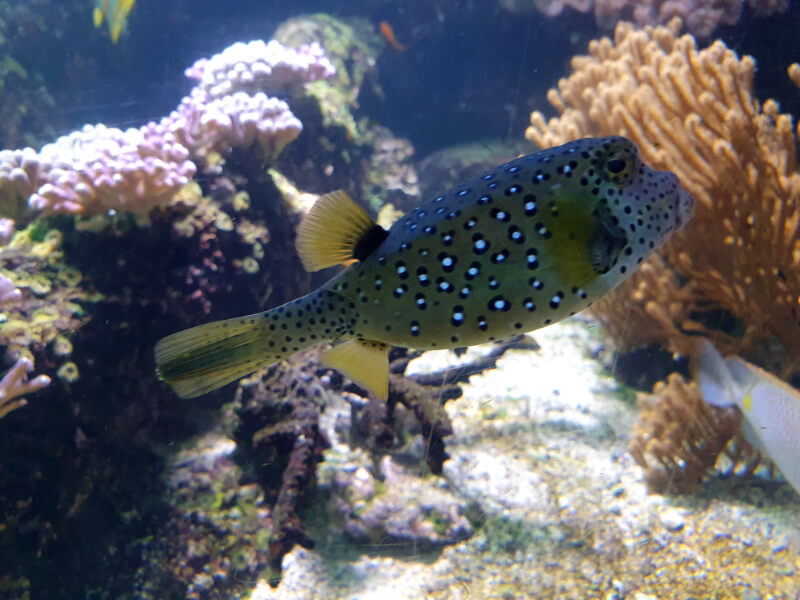
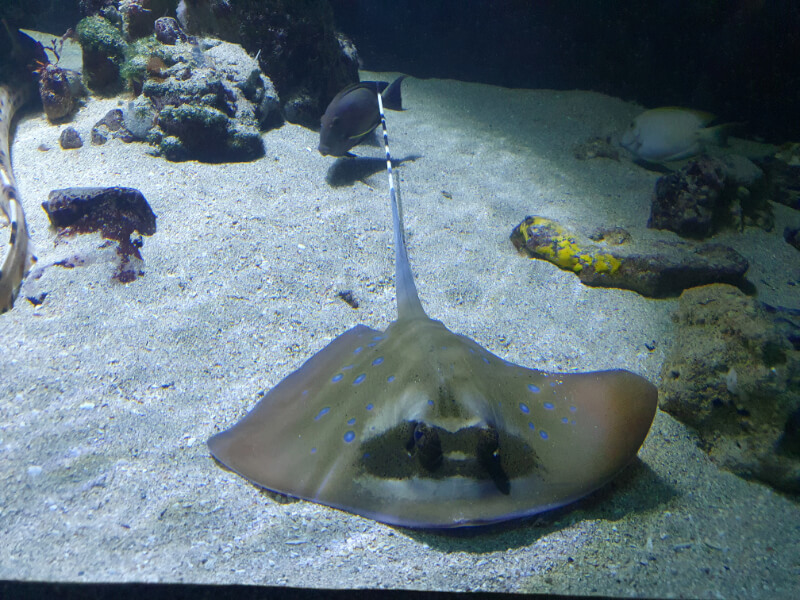
In 2013, the Haus des Meeres Private Foundation and the non-profit Haus des Meeres – Aqua Terra Zoo GmbH were established. A more effective organizational structure was created, dividing tasks into three areas. The first is Zoo GmbH, which operates the zoo itself. Its responsibilities include animal husbandry and breeding, veterinary and zoological work, research, nature and species conservation, education, and the presentation of exhibits to visitors. The second organizational function is performed by Betriebs GmbH. It handles building management, technical maintenance, investments, marketing, events, the shop, catering services, and the Flakturm Museum. The third component is the Private Foundation (Privatstiftung), a public-benefit foundation dedicated to the long-term survival and development of the entire institution.
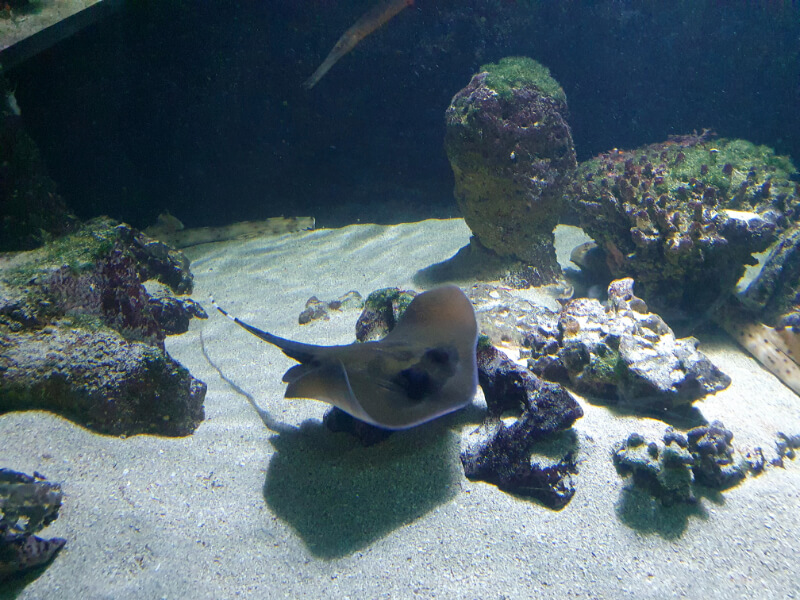
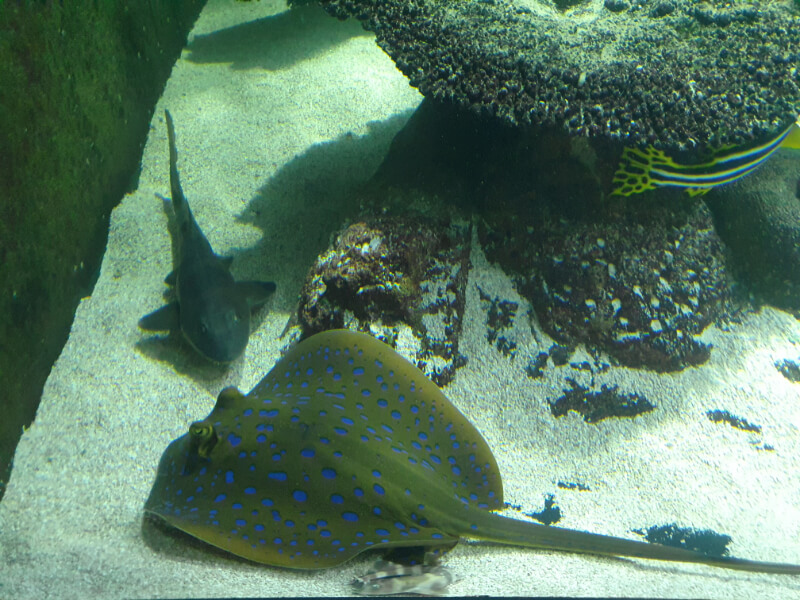
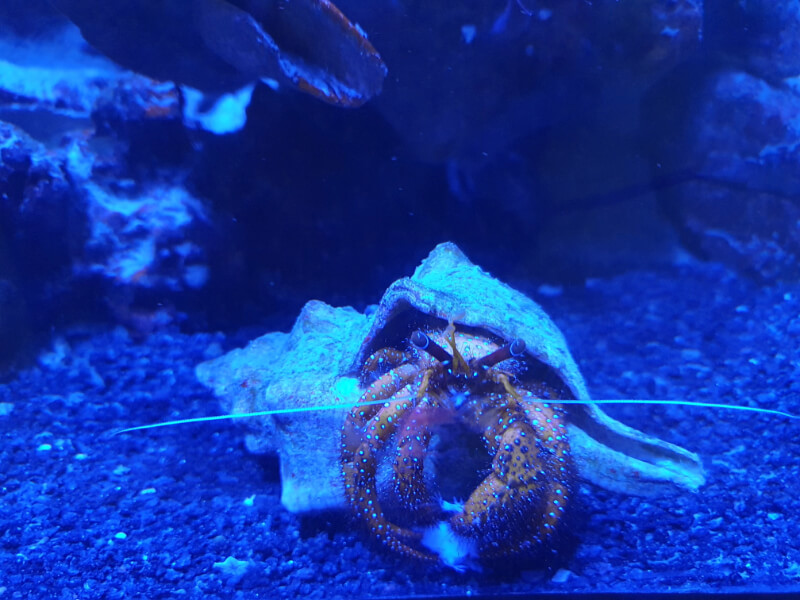
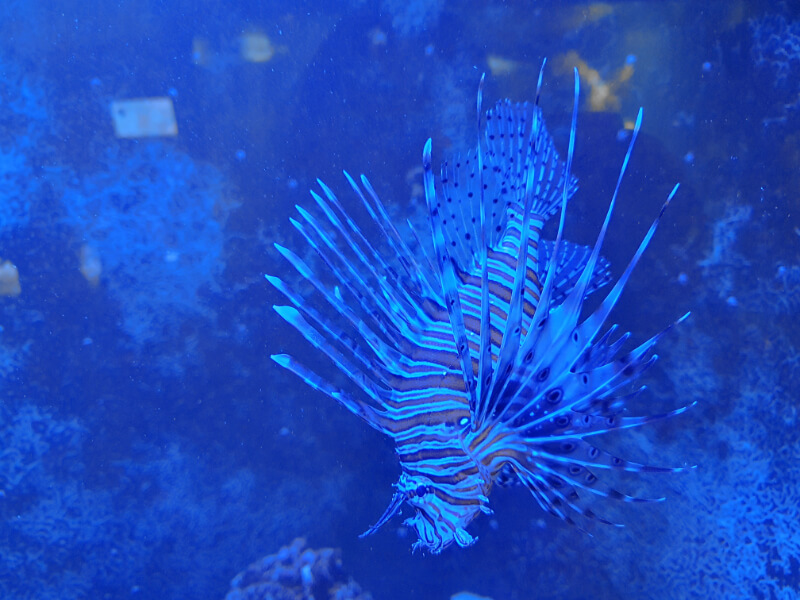
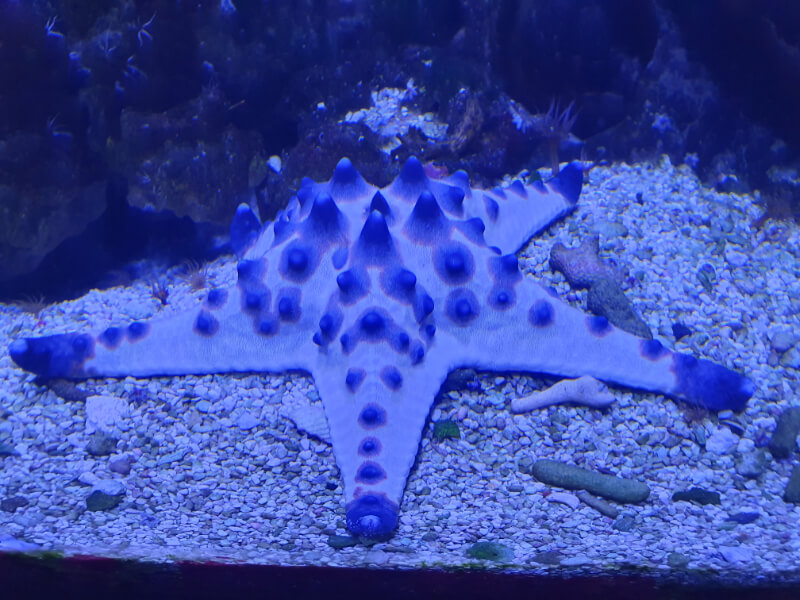
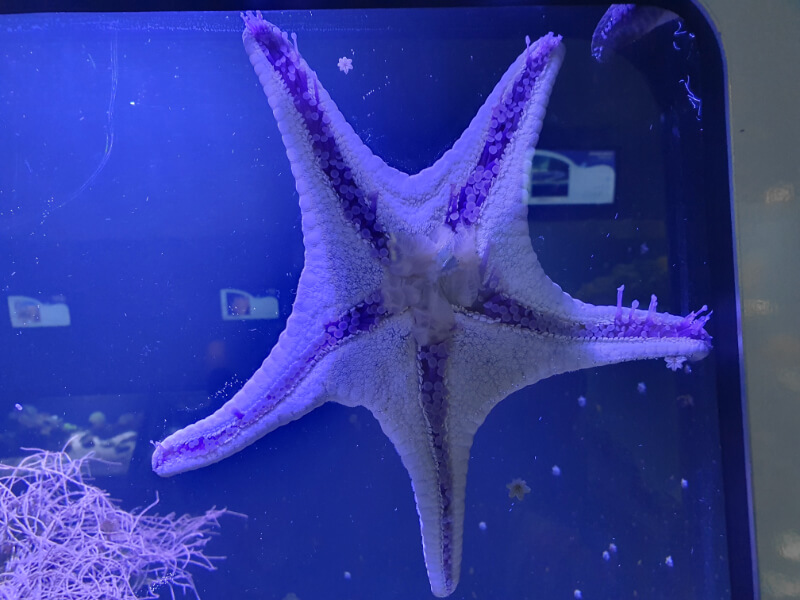
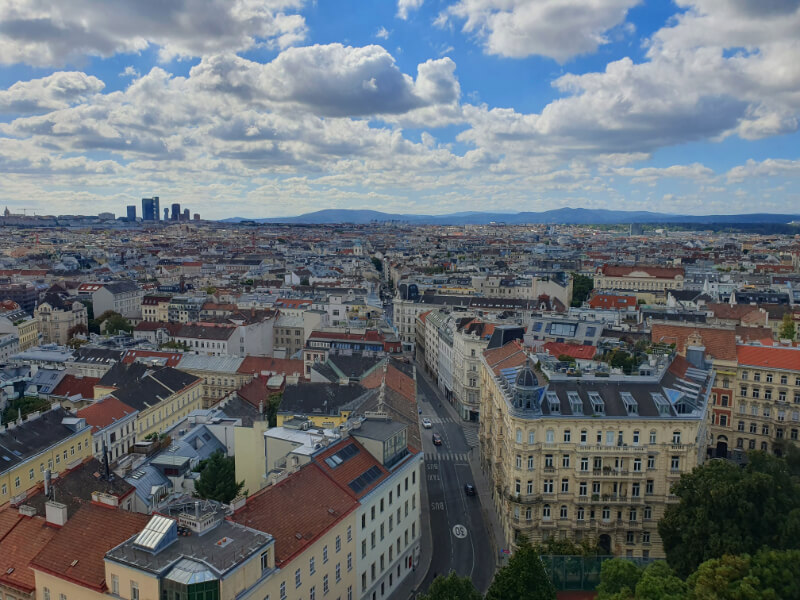
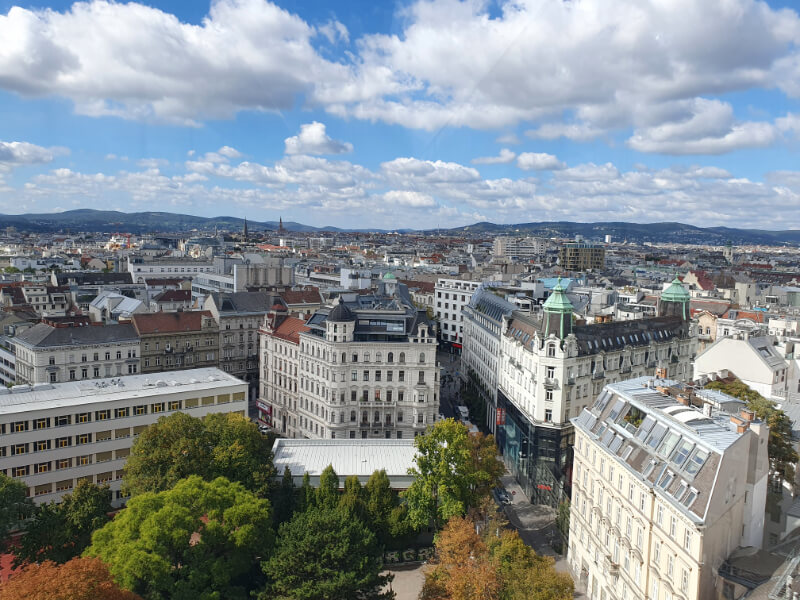
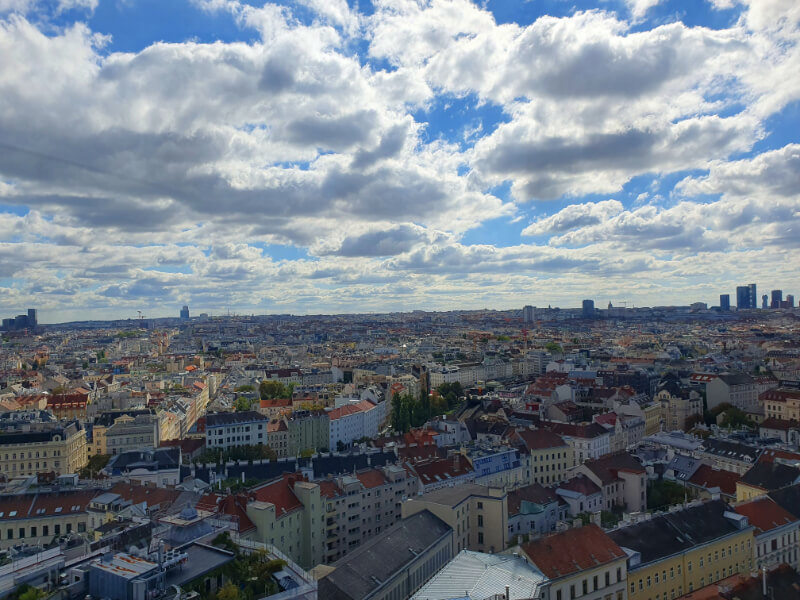
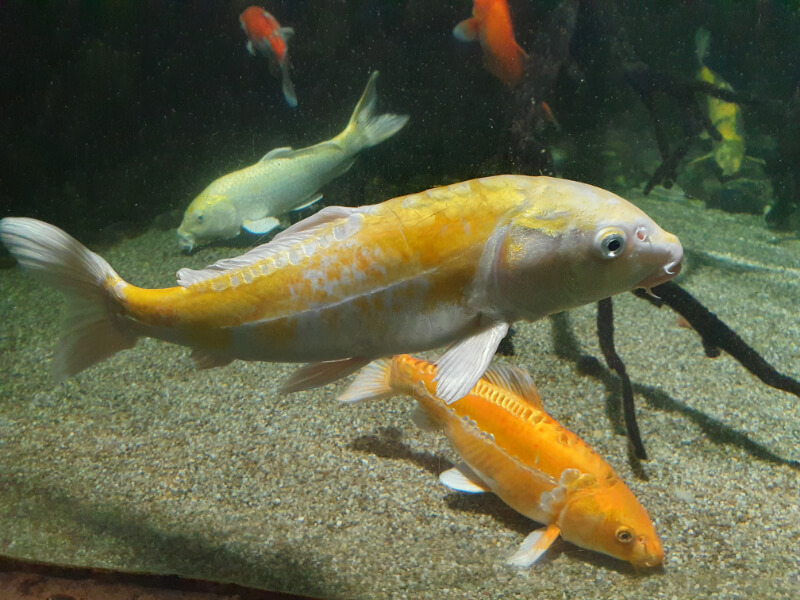
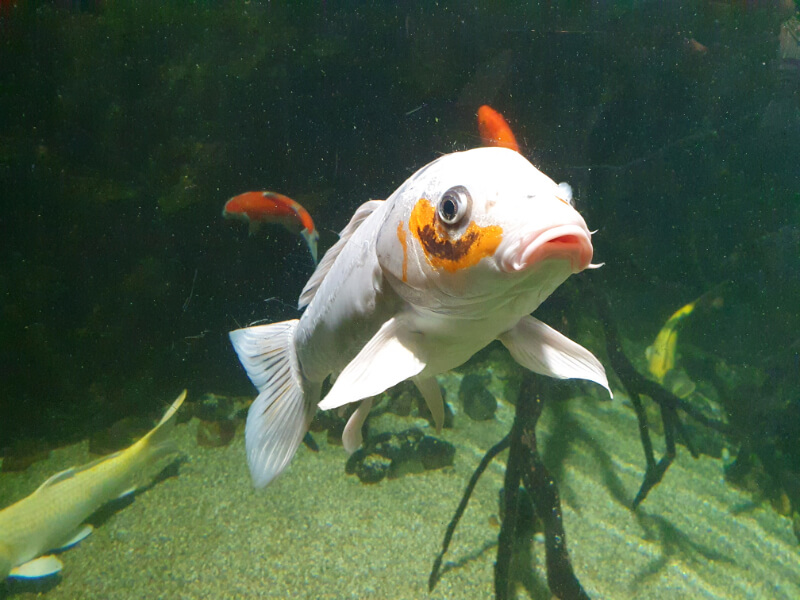
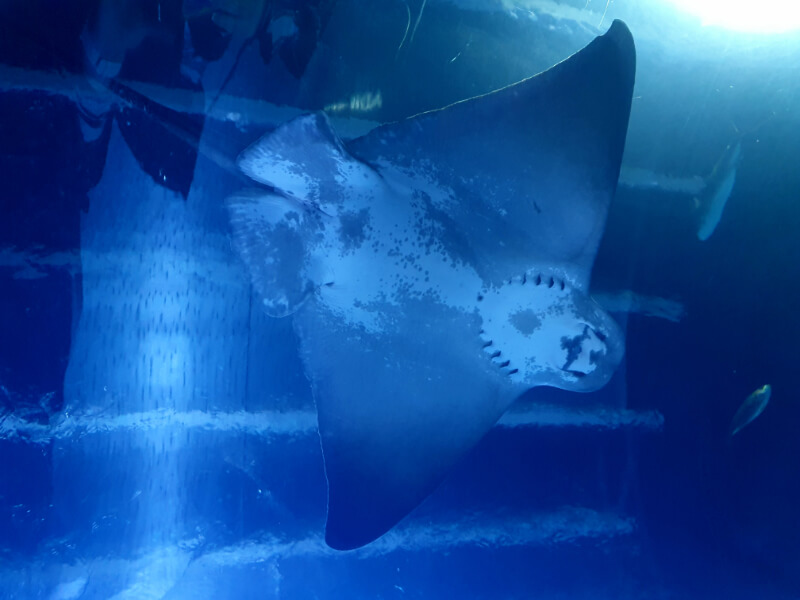
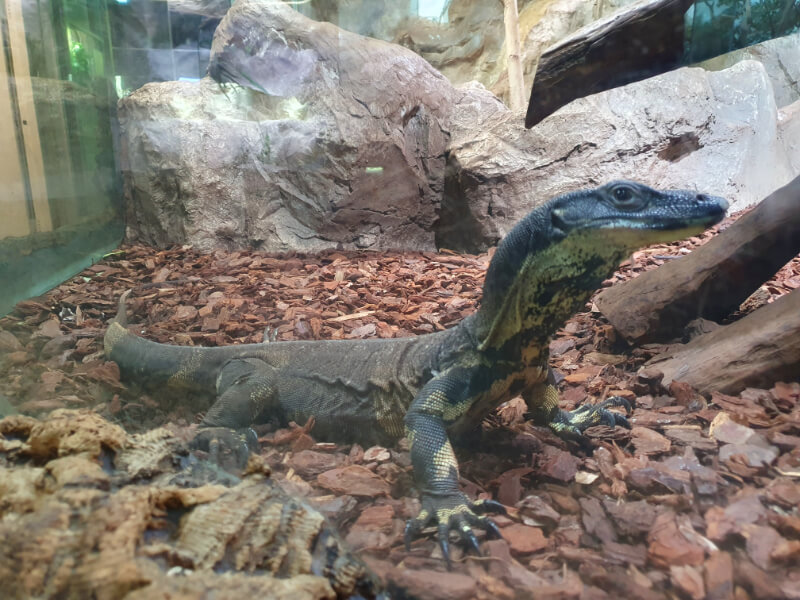
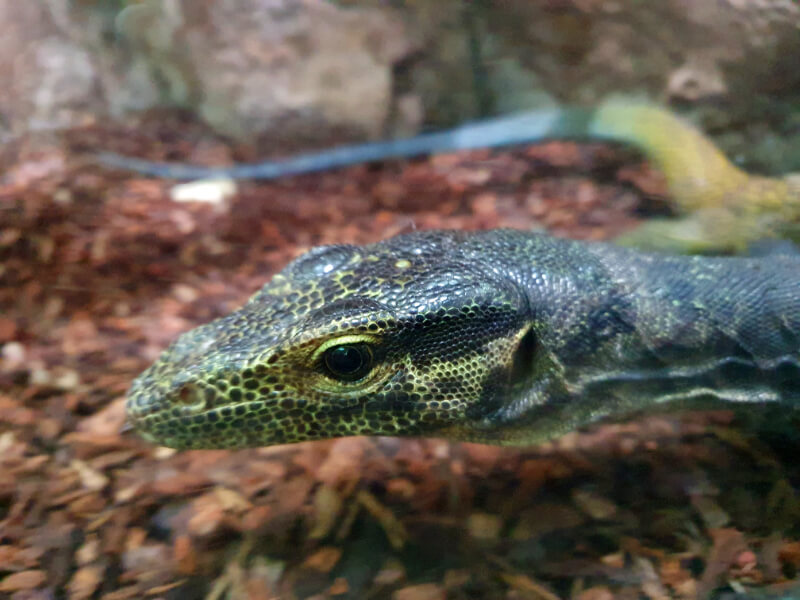
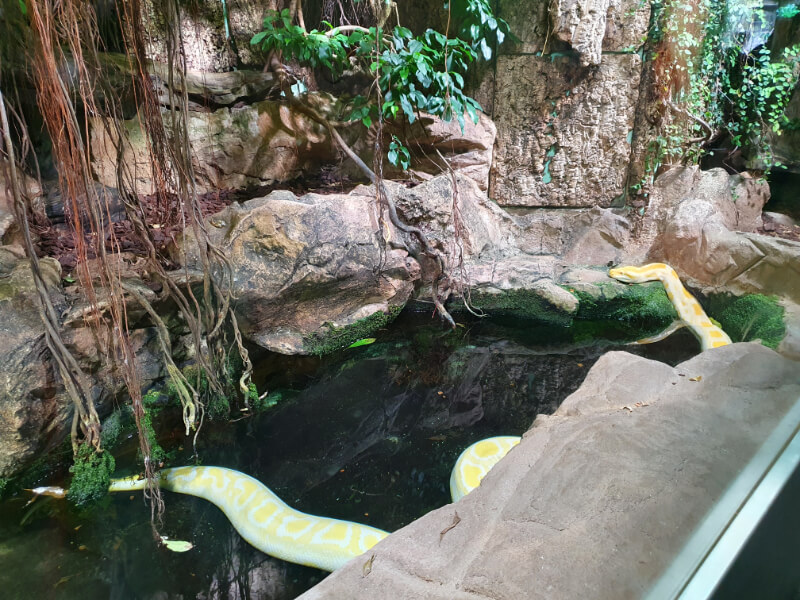
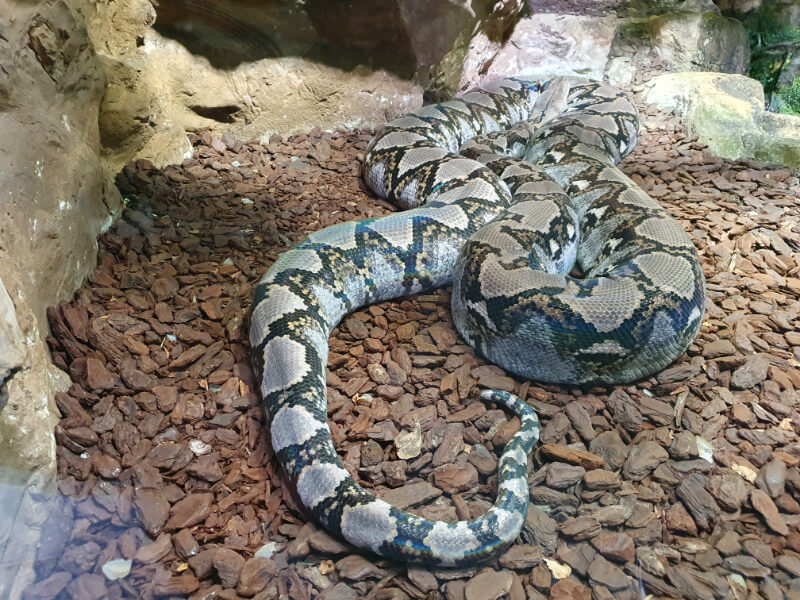
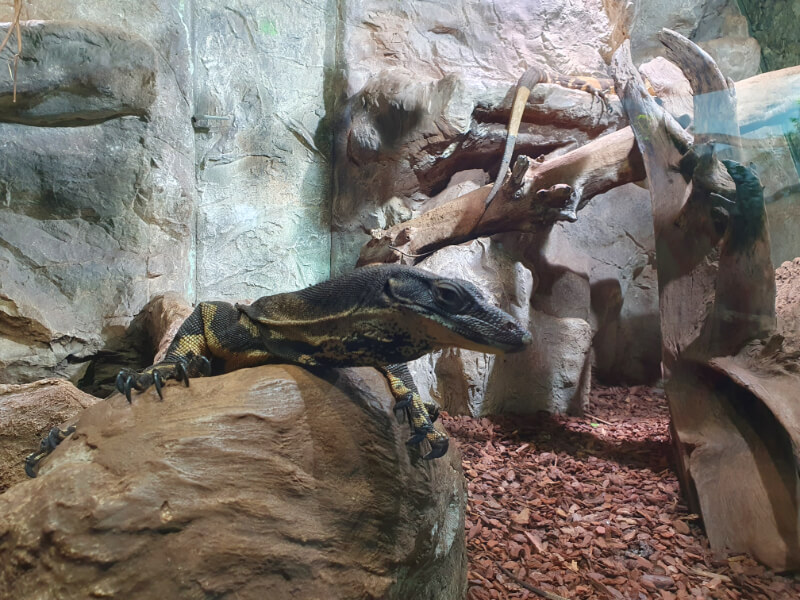
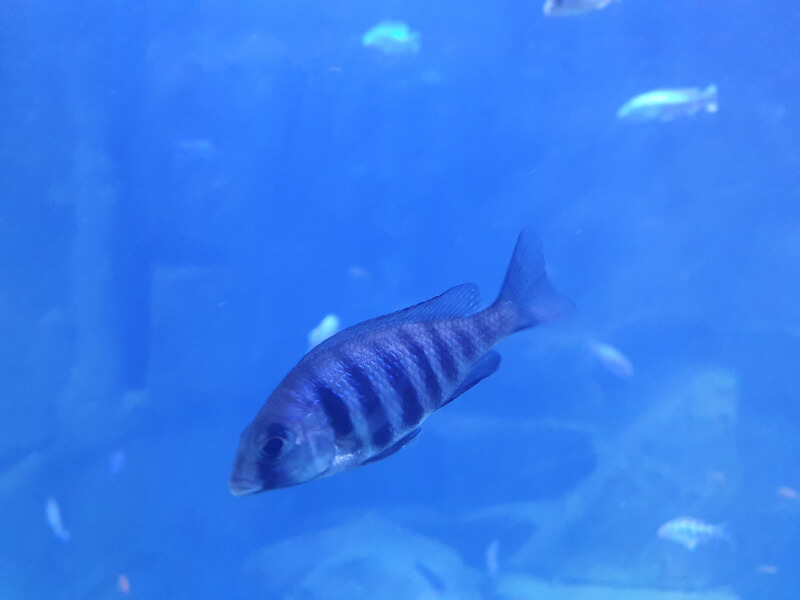
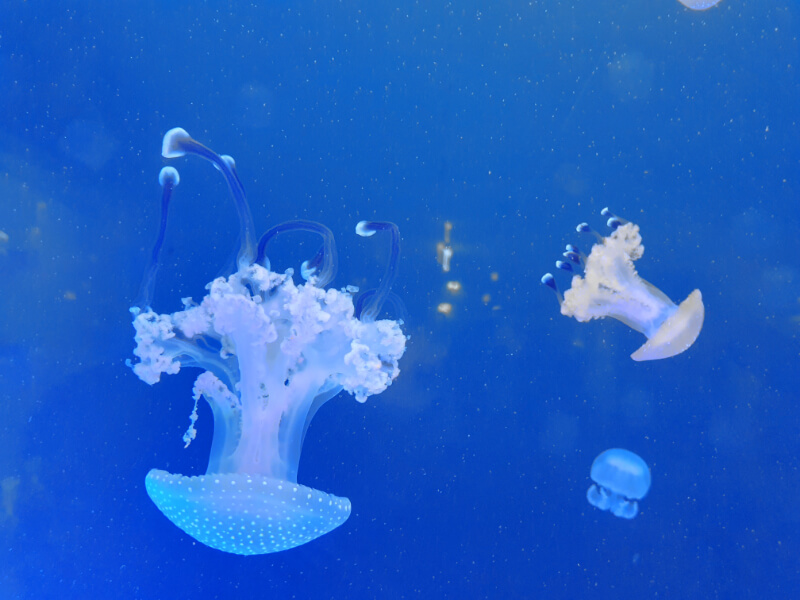
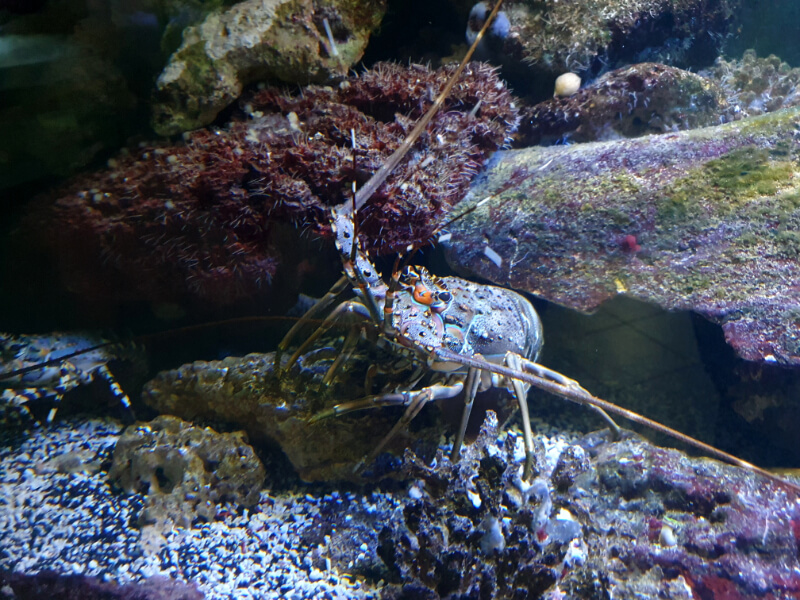
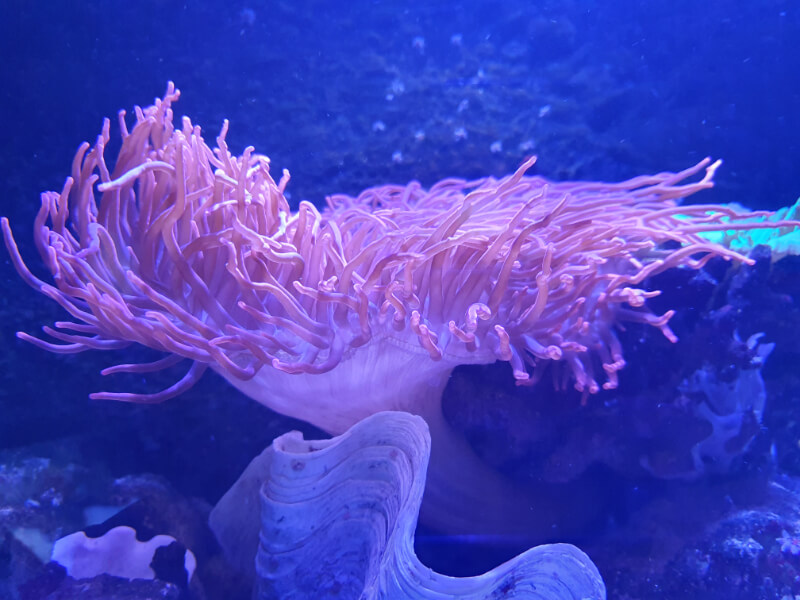
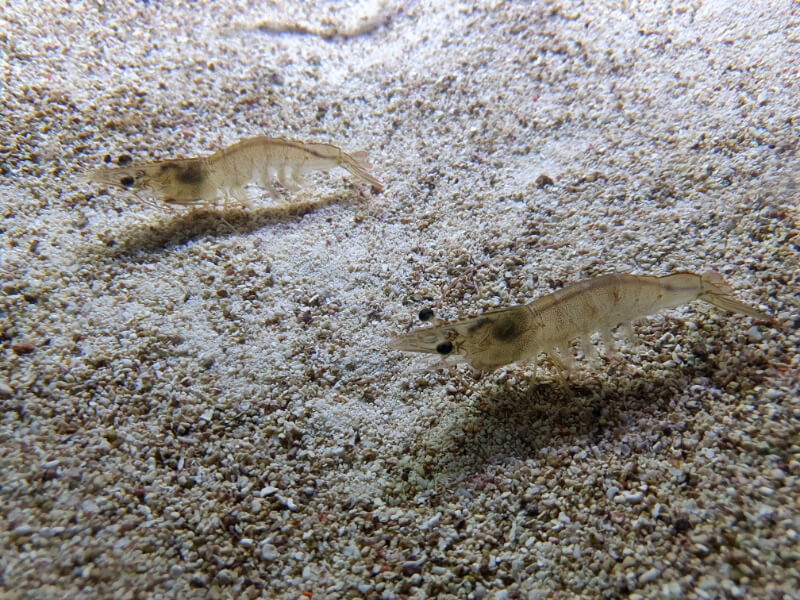
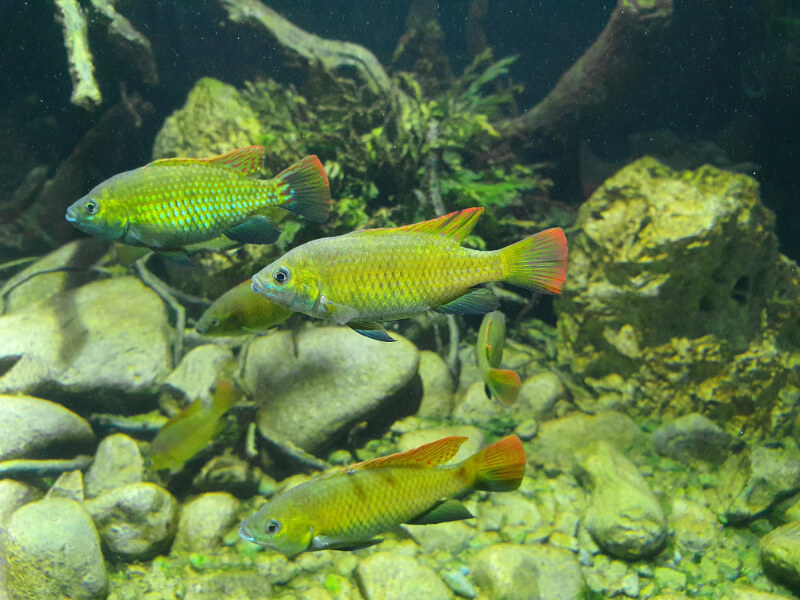
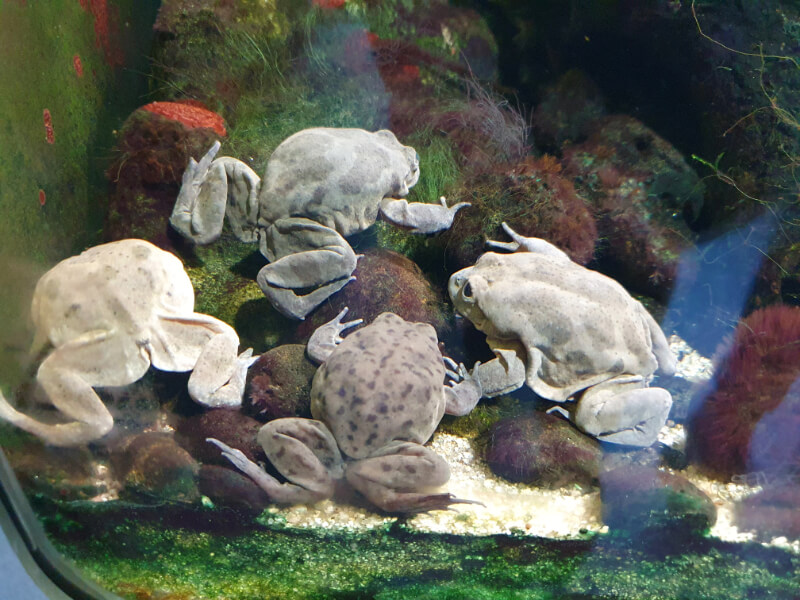
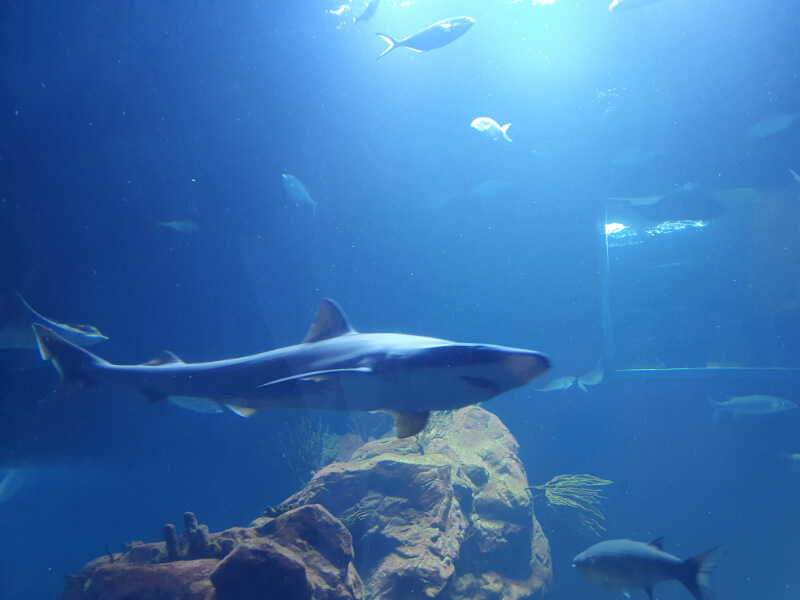
Haus des Meeres – Aqua Terra Zoo is one of the most amazing zoos I have ever visited. It was a fantastic experience. I particularly enjoyed the touch-pool aquariums. The Atlantic Tunnel was beautiful, offering a chance to admire aquatic life from within a tunnel-like aquarium. There is a tropical house, a crocodile park, a deep-sea aquarium, a shark tank, and numerous other thematically designed areas. At the top of the building lies the 360° OCEAN SKY restaurant and bar, offering a panoramic view of Vienna. It is one of the highest rooftop venues in the city center. Zoo visitors can enjoy the view without having to dine at the restaurant.
“The sea, once it casts its spell, holds one in its net of wonder forever.”
– Jacques-Yves Cousteau