
Vienna, the heart of Austria
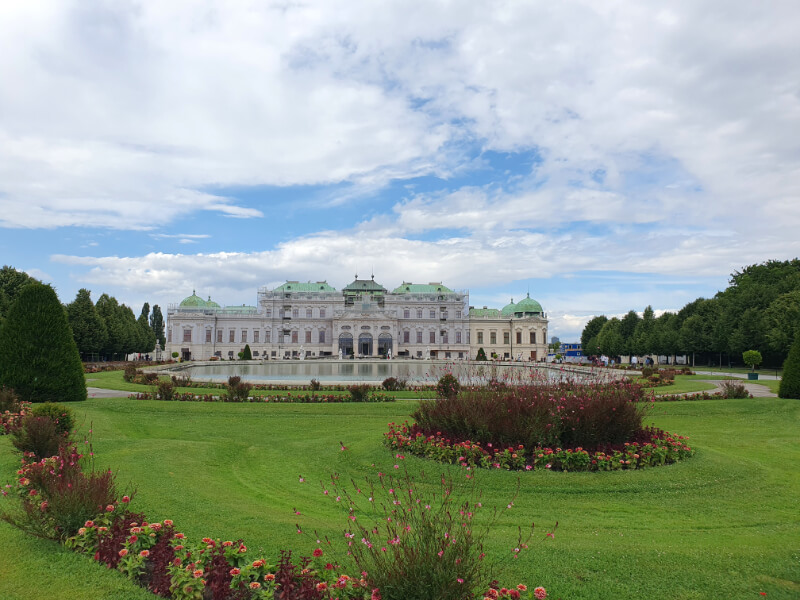
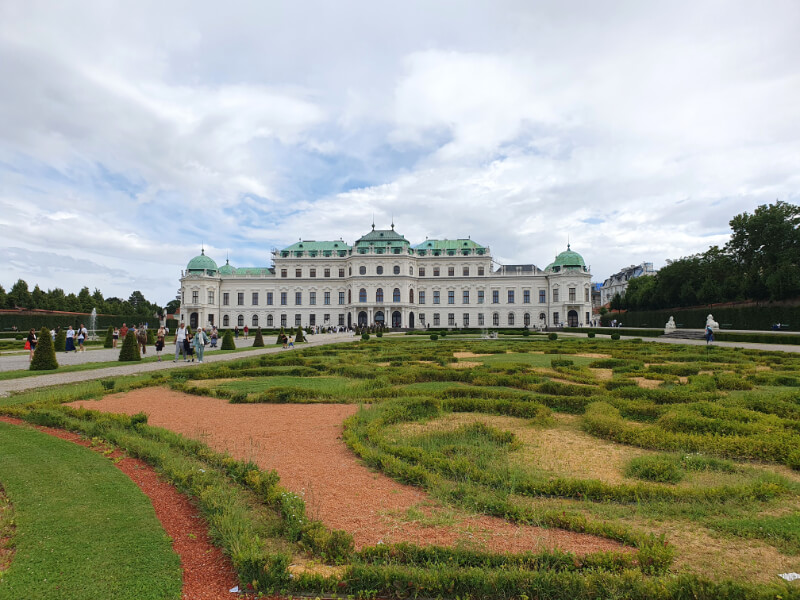
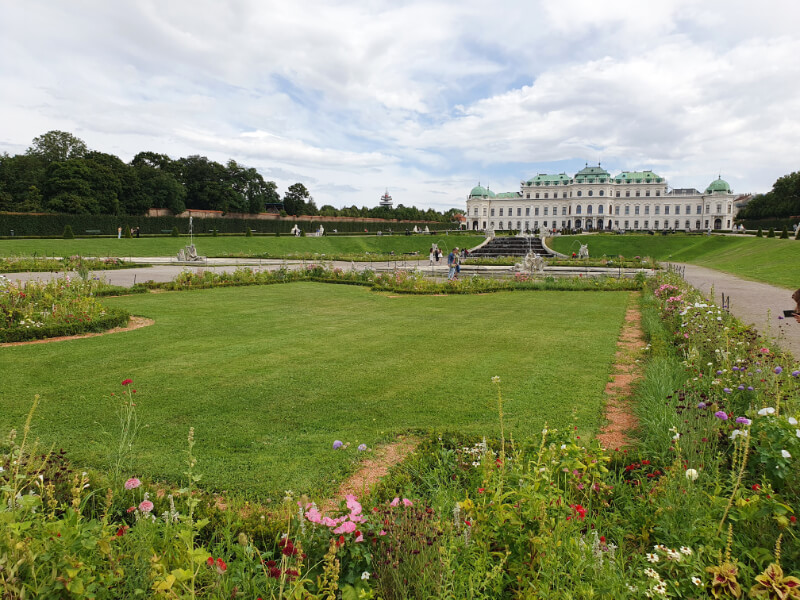
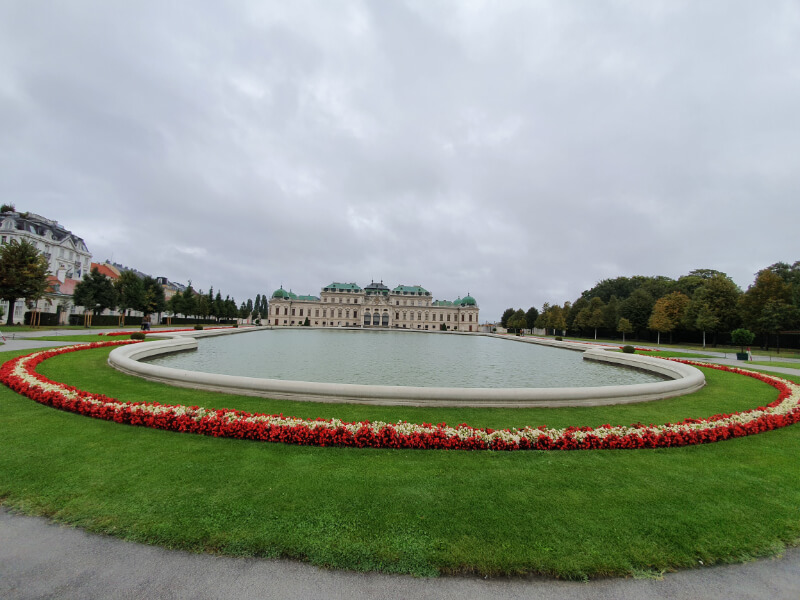
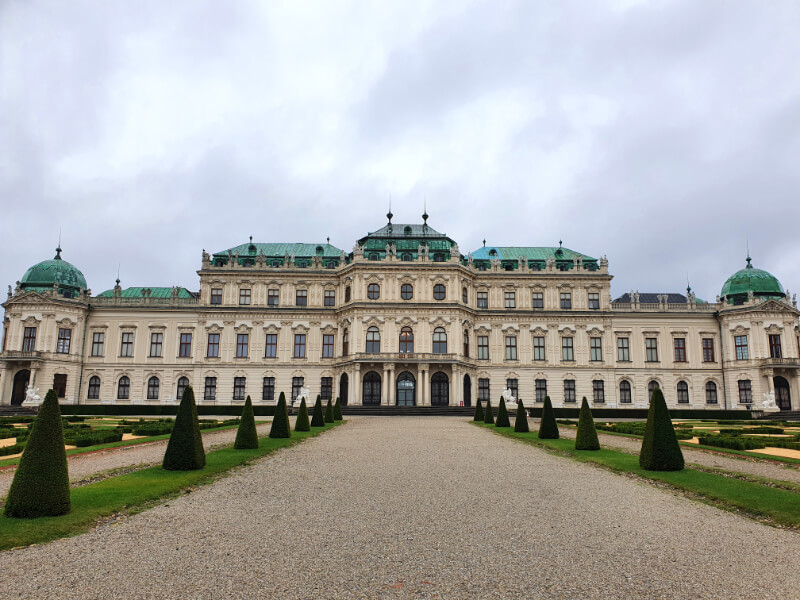
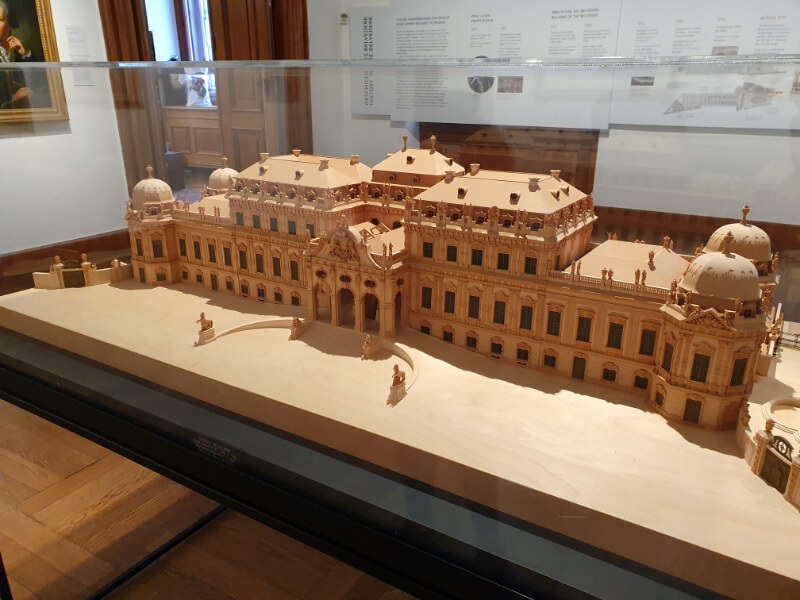
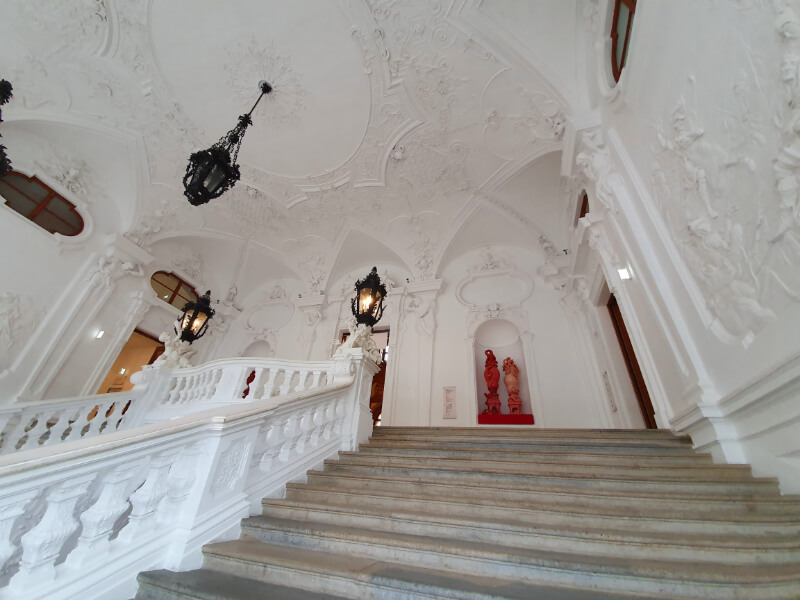
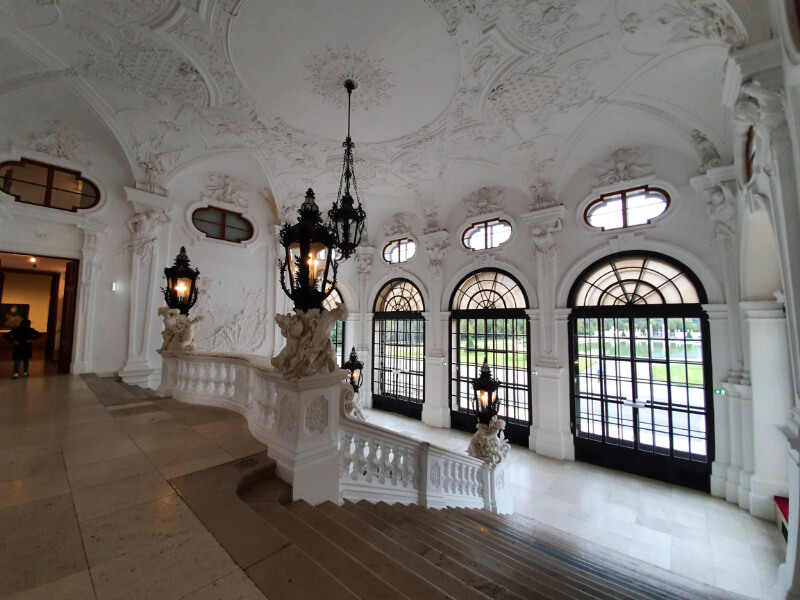
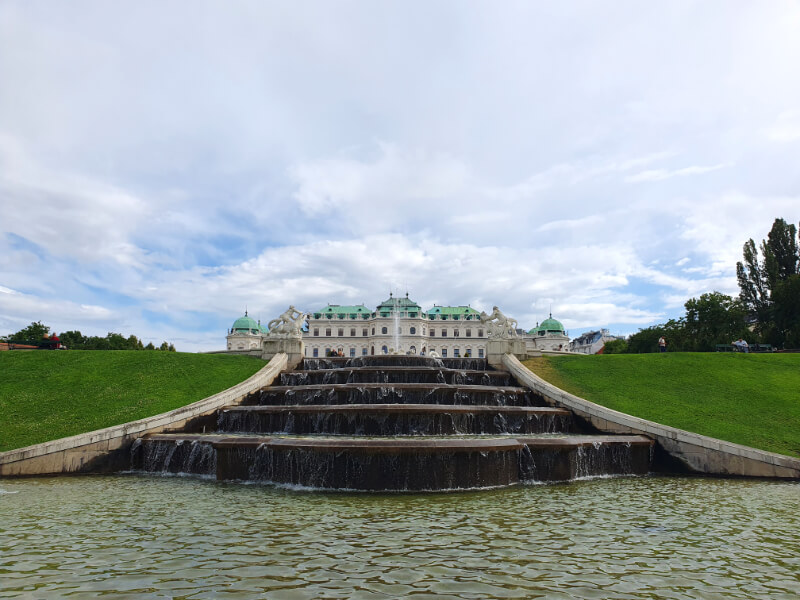
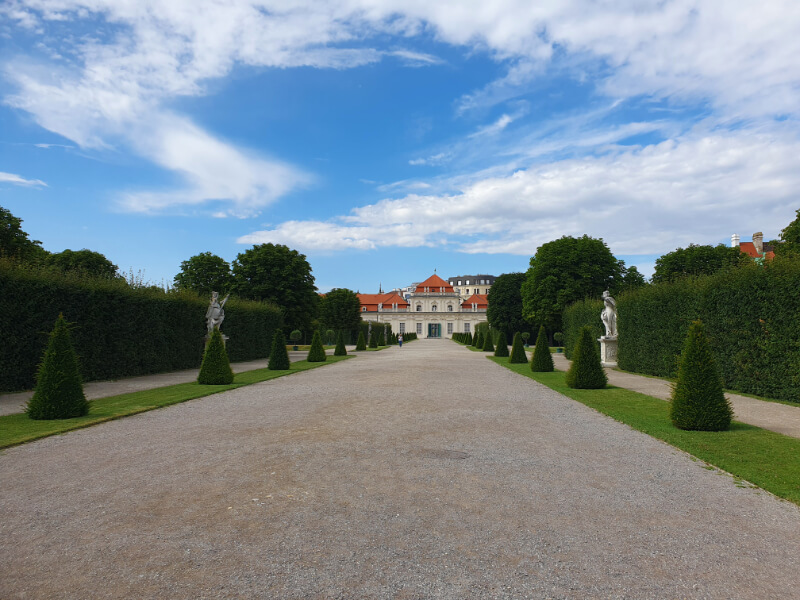
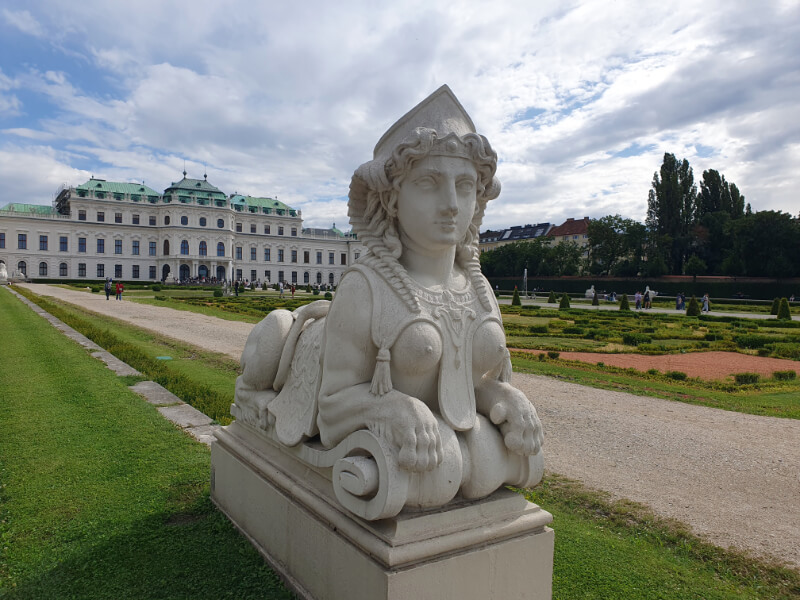
I visited the capital of Austria, Vienna (German: Wien). This city is the economic, political and cultural center of the country, making it one of the most important and populous cities in the country. It is located on the edge of the Vienna Woods (Wienerwald) and at the foot of the Alps, along the Danube River and crossed by the Vienna River (Wienfluss). Vienna is home to many magnificent palaces such as Schönbrunn or Belvedere Palace. The palace, called Belvedere, or “beautiful view”, was founded in 1723. It was built for Prince Eugene of Savoy, a diplomat and military leader of the Habsburg Monarchy. Its complex consists of the Upper and Lower Belvedere and the huge gardens attached to it. It was built in Baroque architectural style by Johann Lukas von Hildebrandt. After the prince’s death, the estate and palace became the property of Empress Maria Theresa and her son Joseph II, and later the heir to the throne, Franz Ferdinand.
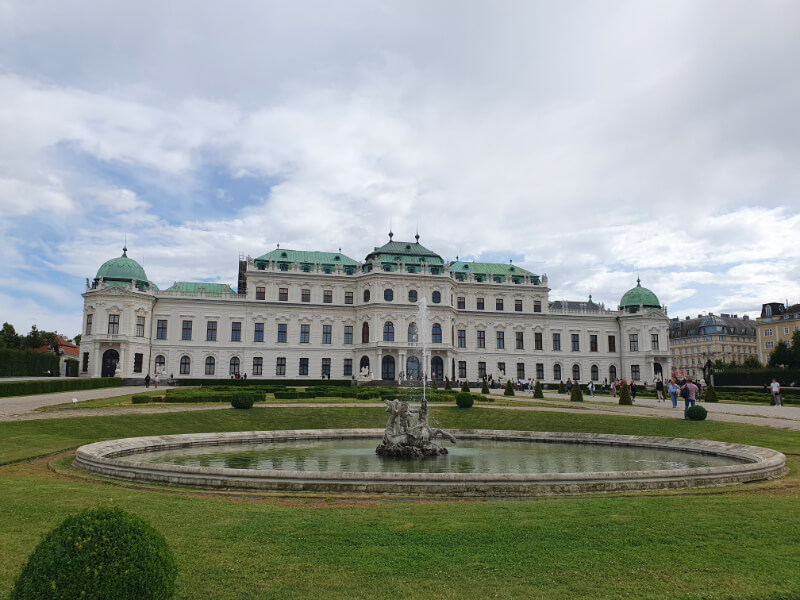
Historical significance
Belvedere Palace was the scene of important historical events such as the wedding of Marie Antoinette and Louis XVI. During the French Revolution, it was a refuge for the French royal family, including the only surviving child of Marie Antoinette and Louis XVI, Princess Marie Therese Charlotte. In 1955, the State Treaty of Austria’s independence was signed here. It was also a significant venue for Hungarians, as the First Vienna Award was signed here in 1938 and the Second Vienna Award in 1940. According to this, part of the Uplands, Székely Land and Northern Transylvania were returned to Hungary. Unfortunately, during the bombings of World War II, many rooms and works of art in the palace were destroyed. The Golden Cabinet also fell victim to a fire.
“You may not always have a comfortable life and you will not always be able to solve all of the world’s problems at once but don’t ever underestimate the importance you can have because history has shown us that courage can be contagious and hope can take on a life of its own.”
– Michelle Obama
Valuable works of art
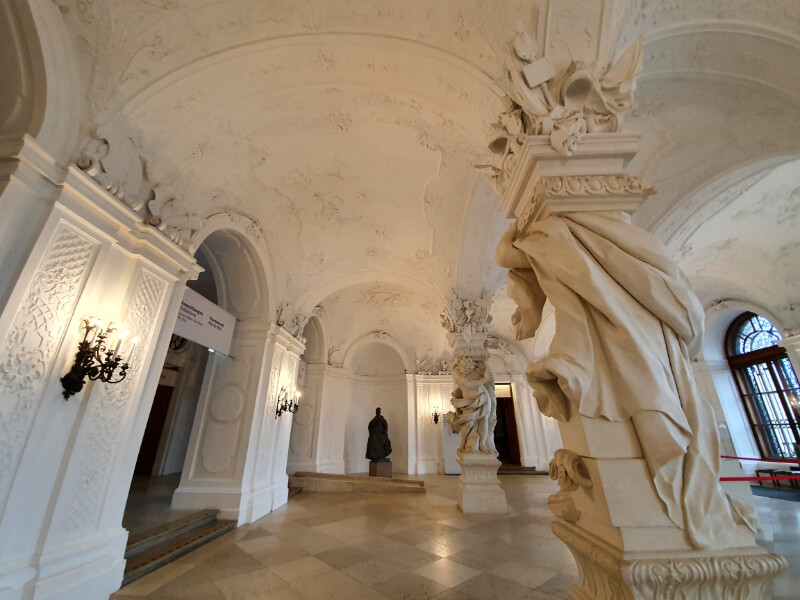
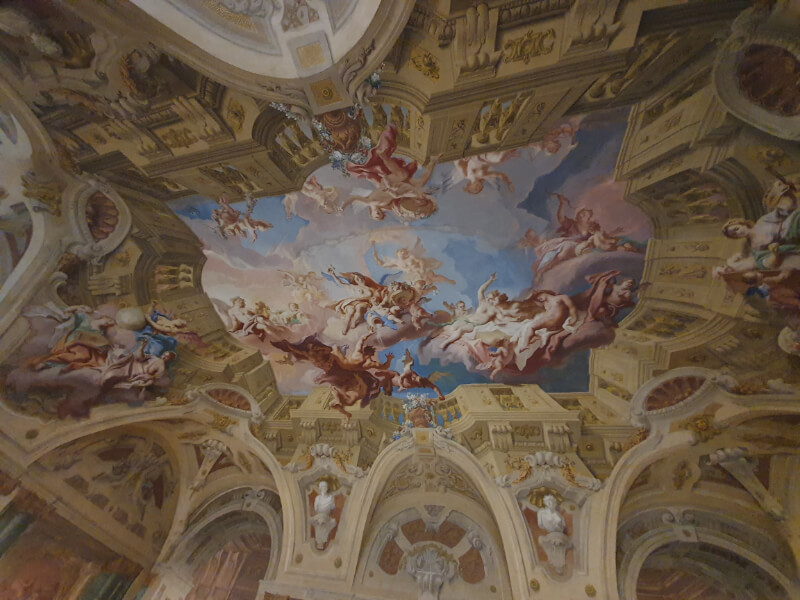
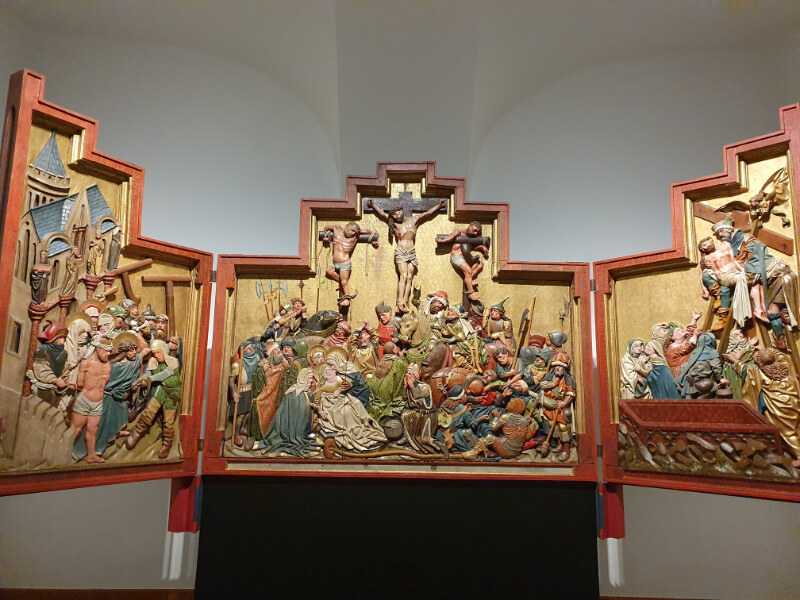
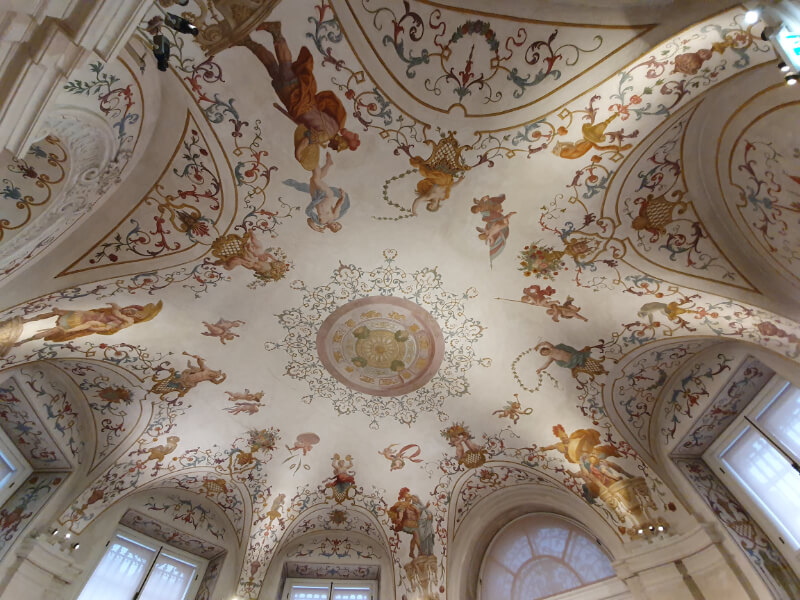
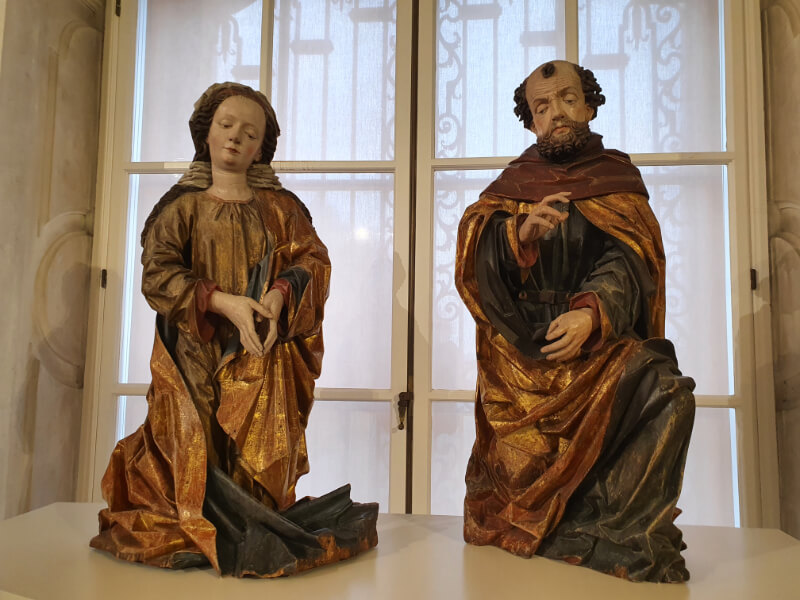
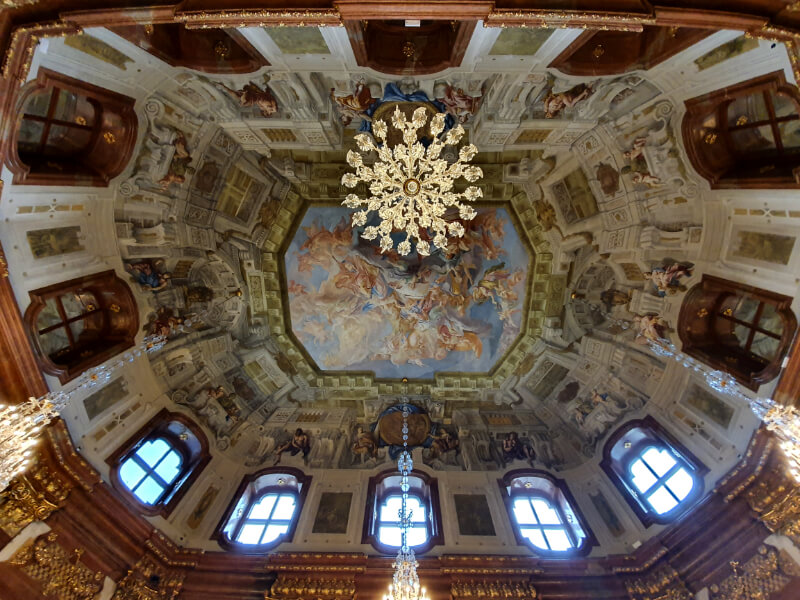
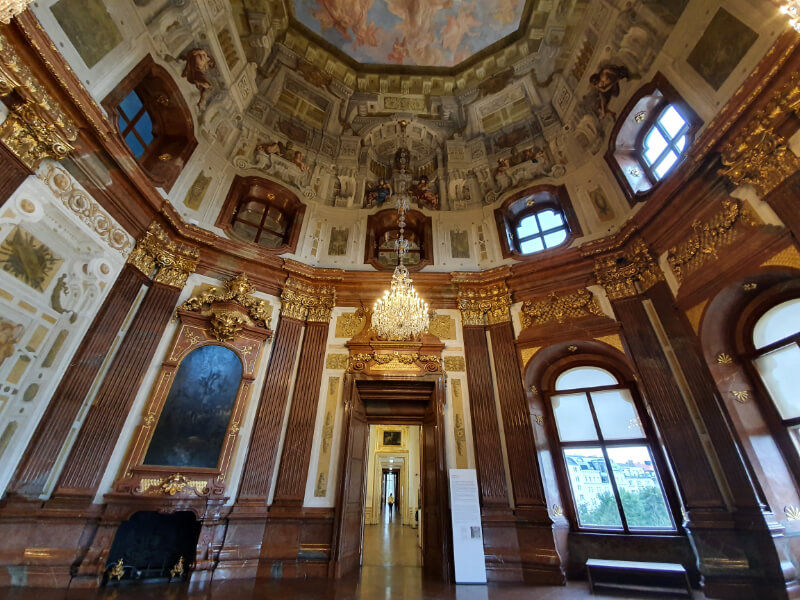
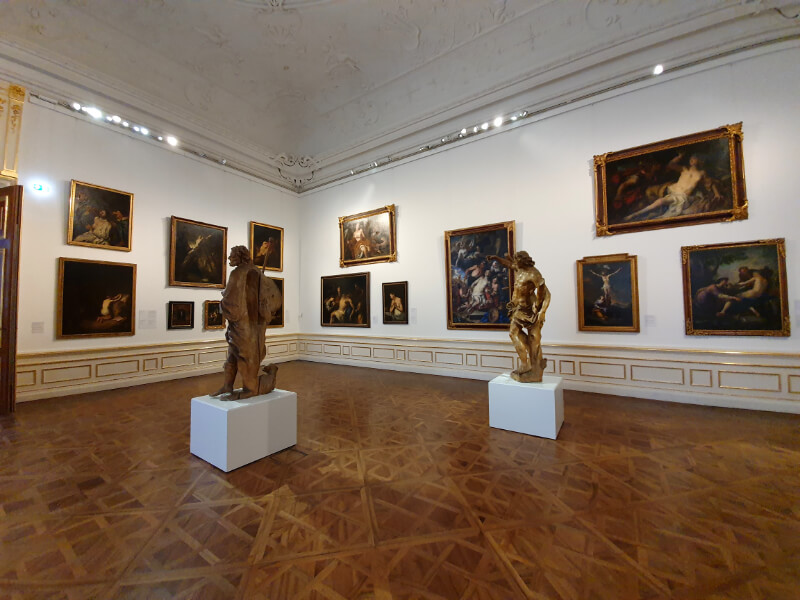
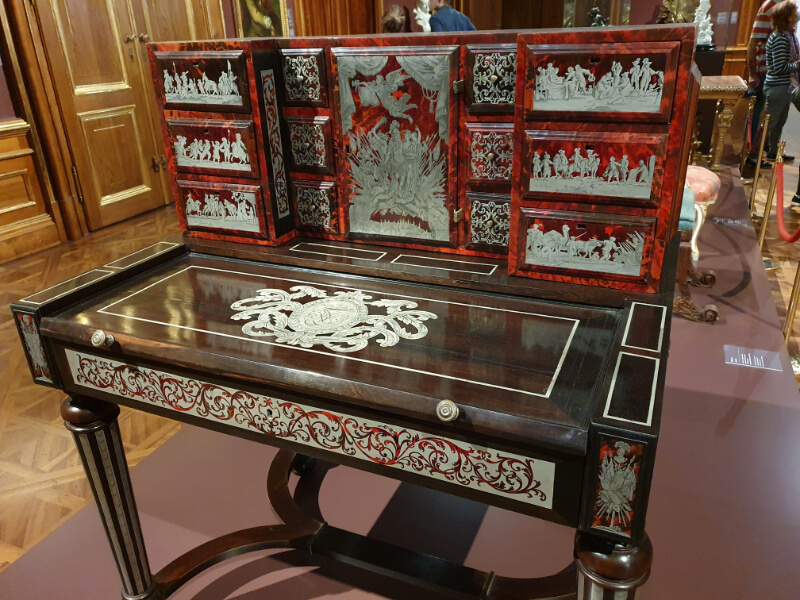
The castle’s famous art collection was first opened to the public in 1777, when the Upper Belvedere Gallery became the world’s first public museum. It houses a collection of paintings by Gustav Klimt, masterpieces by Egon Schiele and Oskar Kokoschka, and works by Helene Funke. The paintings on display represent works from various periods, including Baroque, Biedermeier, and Modernist styles. Meanwhile, we can also see works of art on the walls and ceiling of the castle: paintings, which are the works of renowned Italian artists such as Francesco Solimena, Gaetano Fantit, and Carlo Carlone. It is undoubtedly one of the most valuable art collections in Austria, and its galleries present Austrian history, culture, and art.
A garden fit for a fairy tale
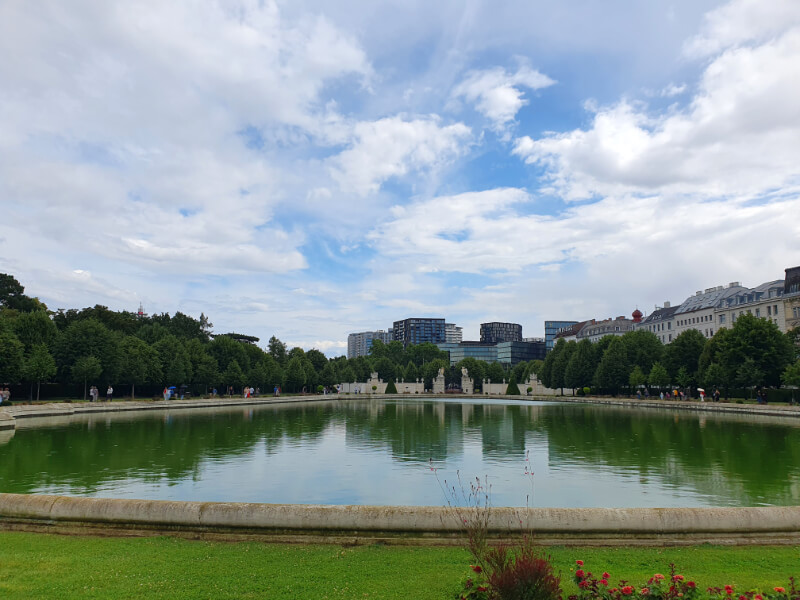
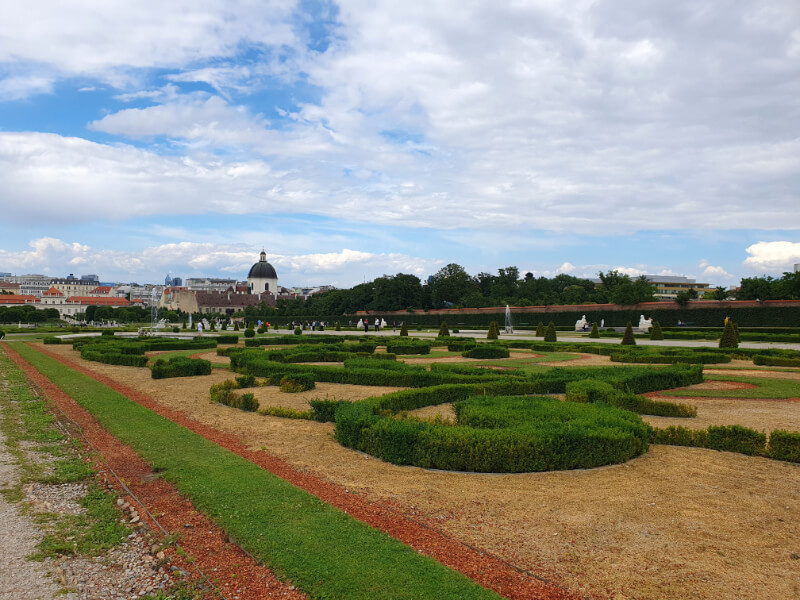
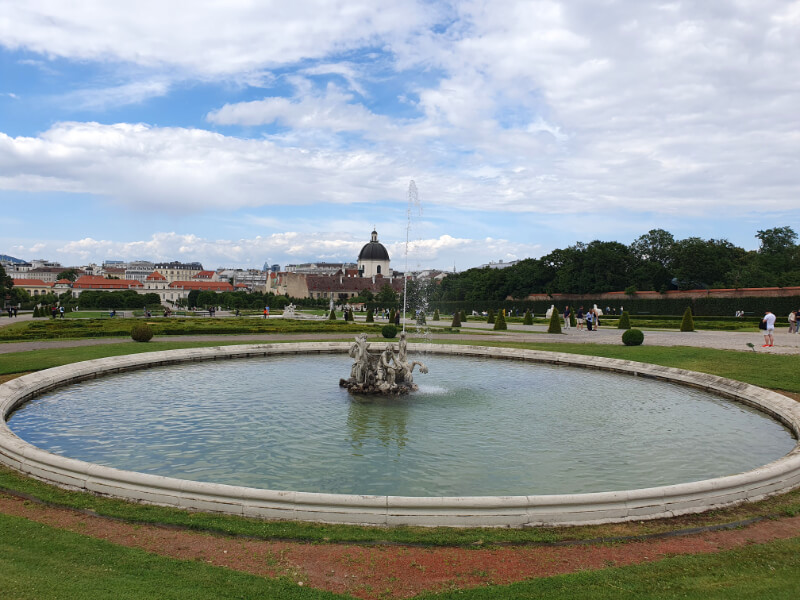
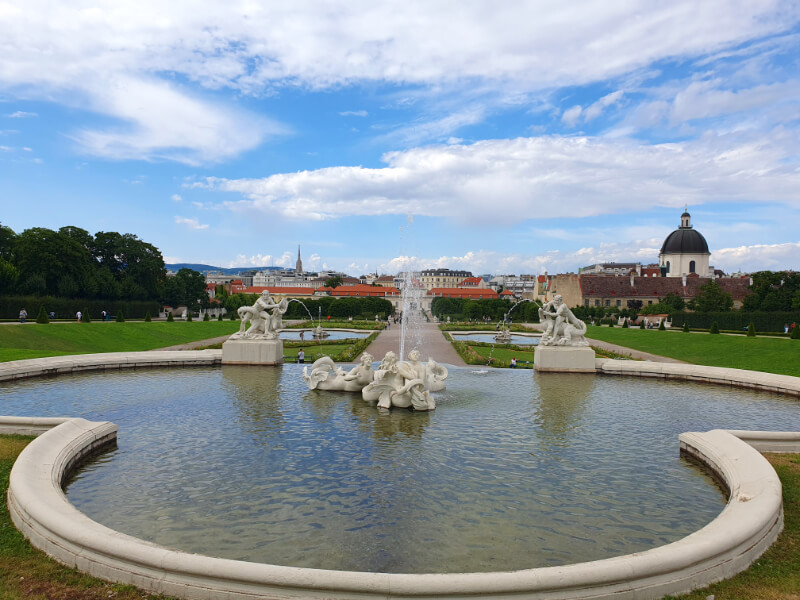
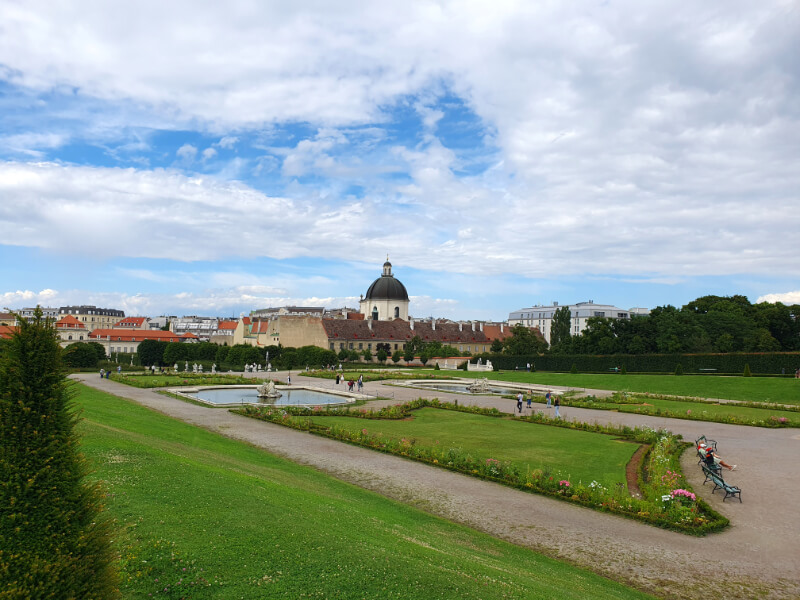
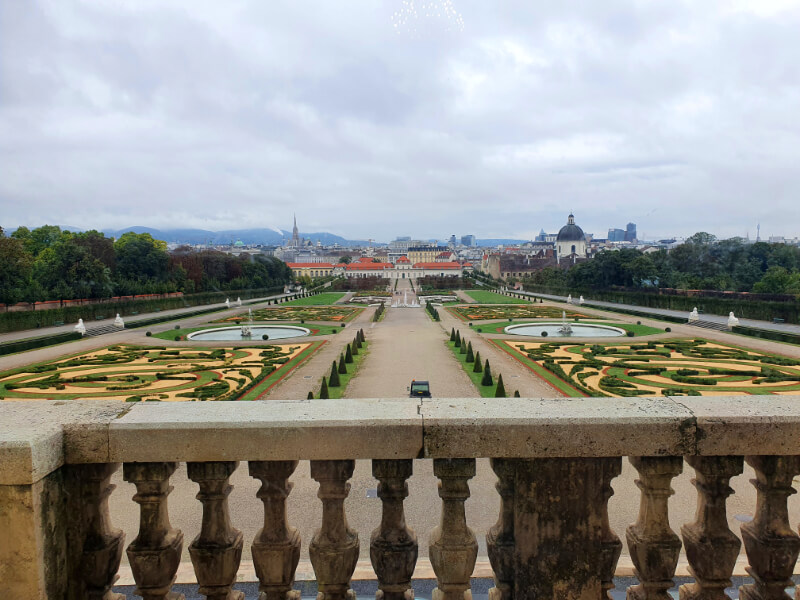
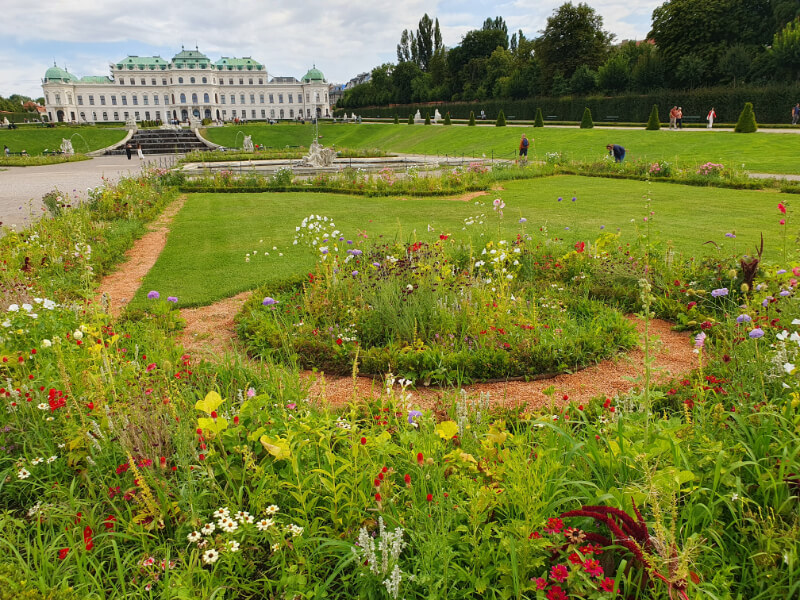
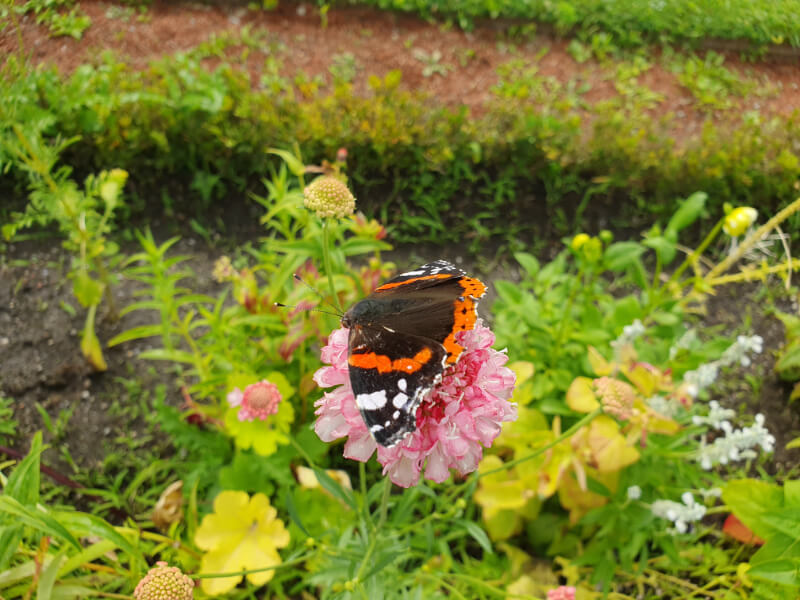
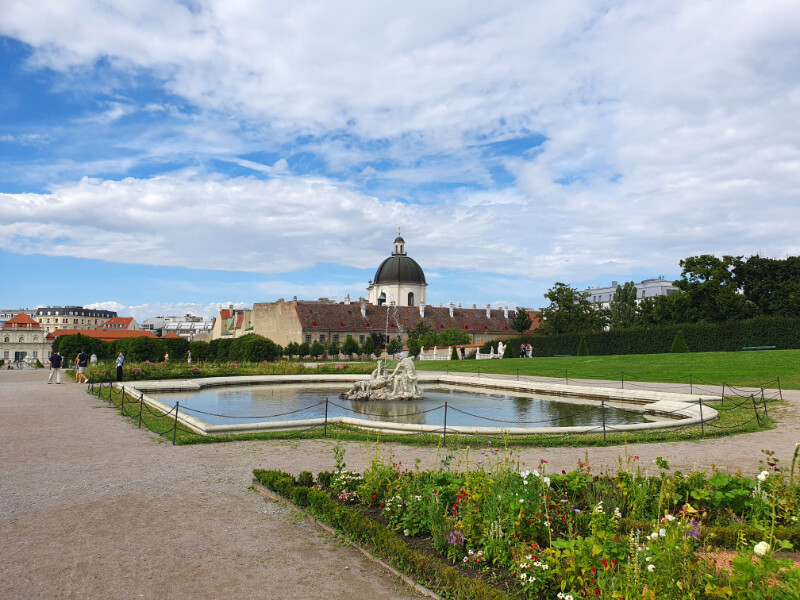
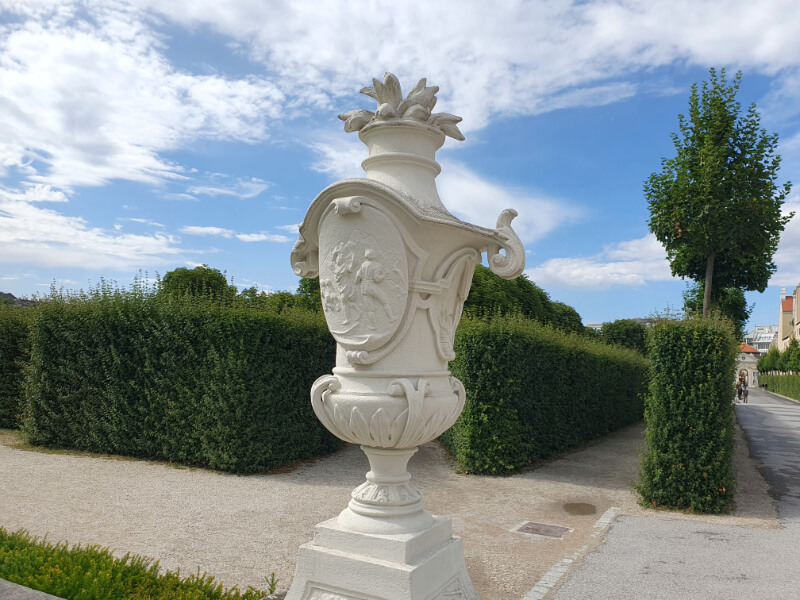
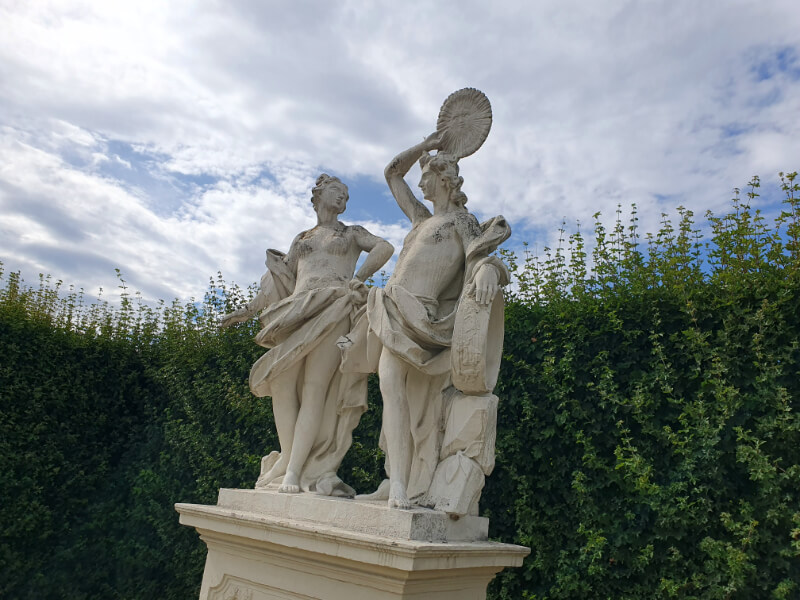
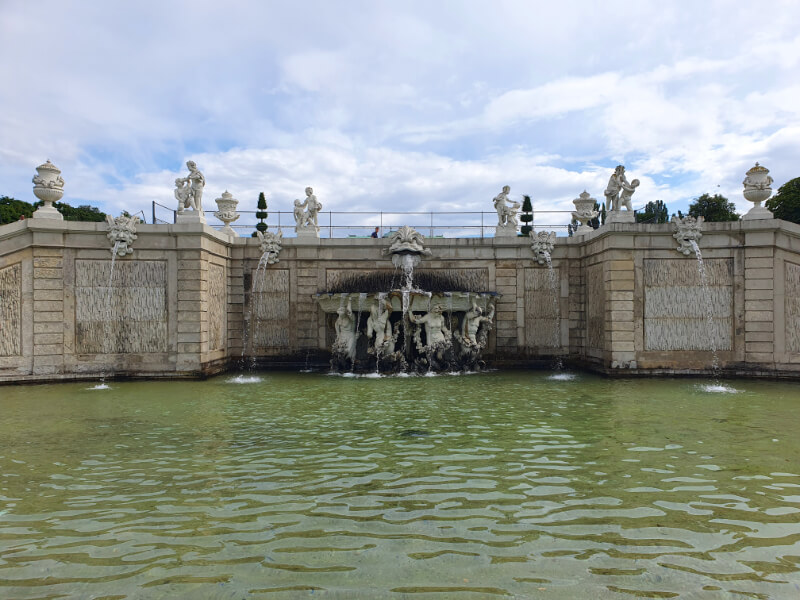
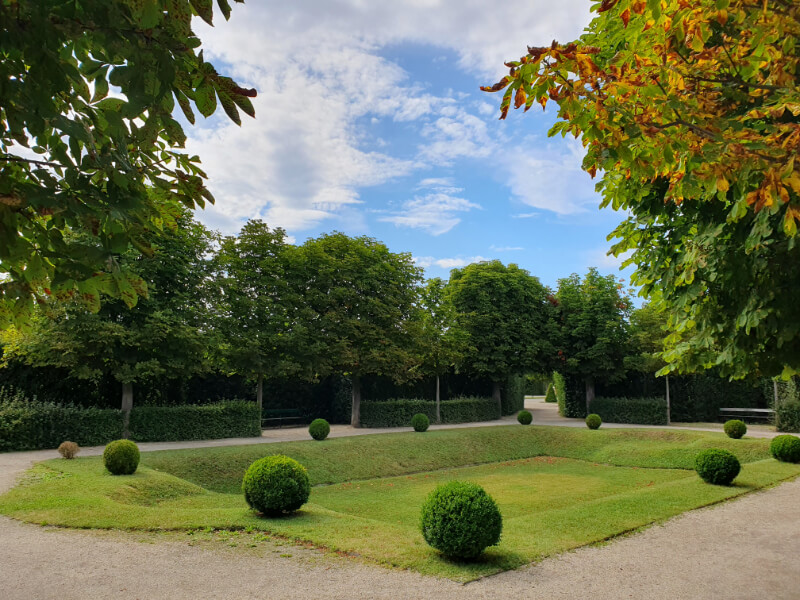
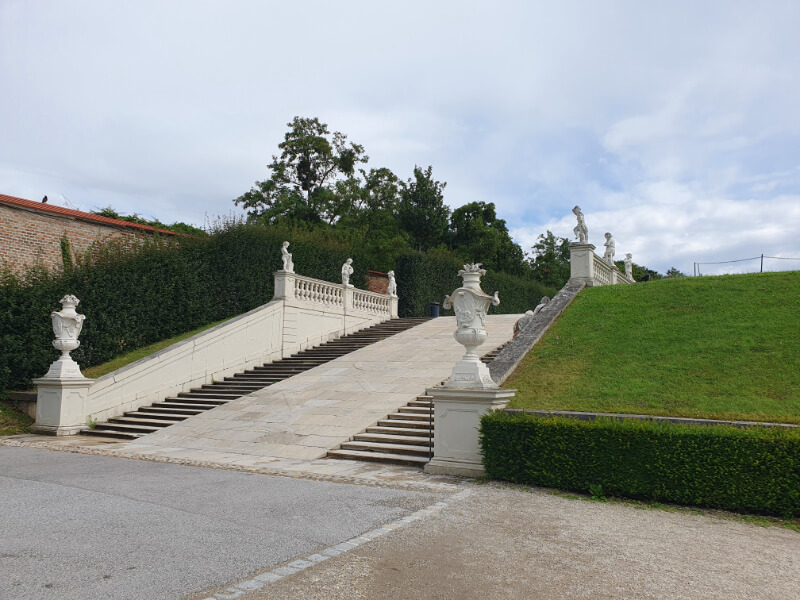
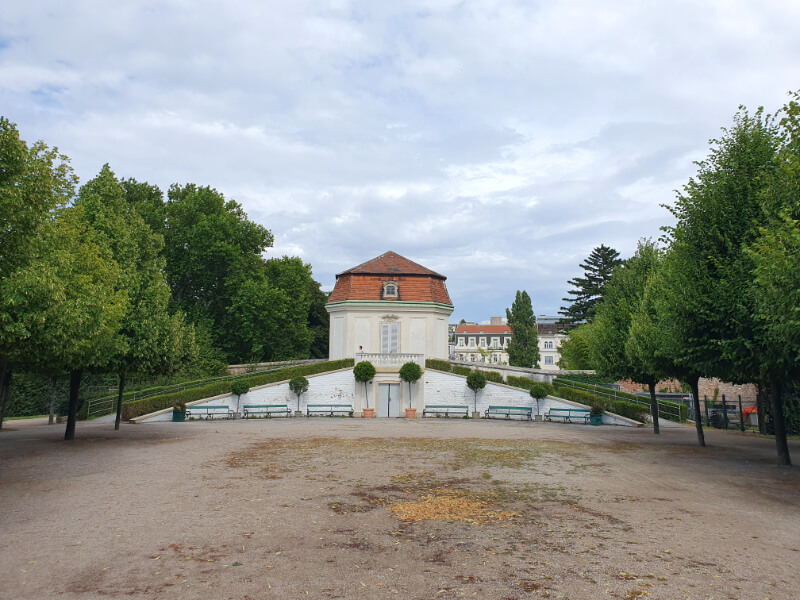
The impressive castle garden was designed by the talented French garden architect Dominique Girard. Baroque garden design is characterized by neat geometric shapes, symmetrical paths, strictly trimmed shrubs, ornate fountains and statues that represent mythological figures, animals and events. Steps and terraces divide the garden into different levels, whose flower beds are planted in a pattern similar to embroidery. This elevates the orderliness, appearance and elegance of the garden to a royal level.
“Focus on what lights a fire inside of you and use that passion to fill a white space. Don’t be afraid of the challenges, the missteps, and the setbacks along the way. What matters is that you keep going.”
– Kendra Scott