
The Bastion of Freedom
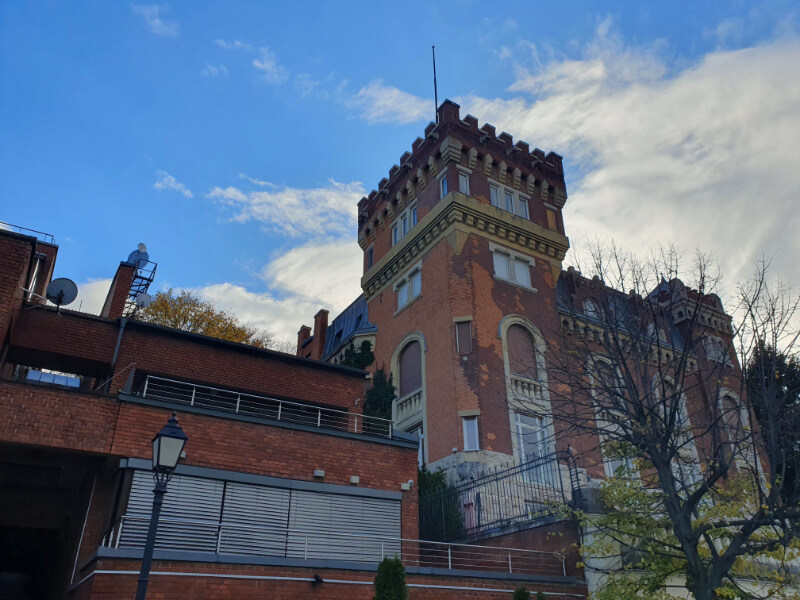
The Citadella is a fortress standing atop Gellért Hill, in Budapest’s 11th District. Together with Buda Castle Hill and the panoramic view of both banks of the Danube, Gellért Hill has been a UNESCO World Heritage Site since 1987. The term “Citadella” (derived from Italian). Refers to a citadel, a fortified, walled area built at the highest point of a city, or a high-ground stronghold.

The decision to construct the fortress was made by the military leadership of the Habsburg Empire following the suppression of the 1848–49 War of Independence. It was built in 1854 as a military fortification designed to keep Budapest under control. The Empire sought to prevent the emergence of any future freedom movement that might threaten imperial rule.
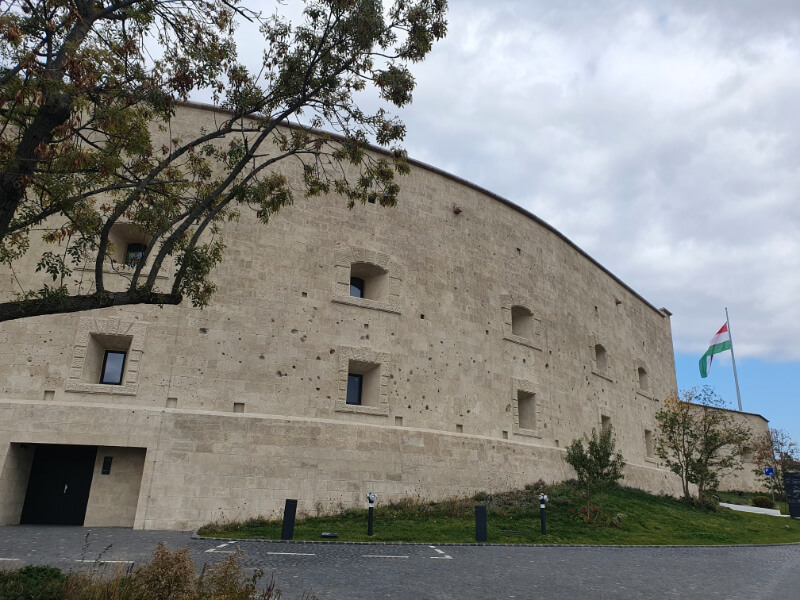
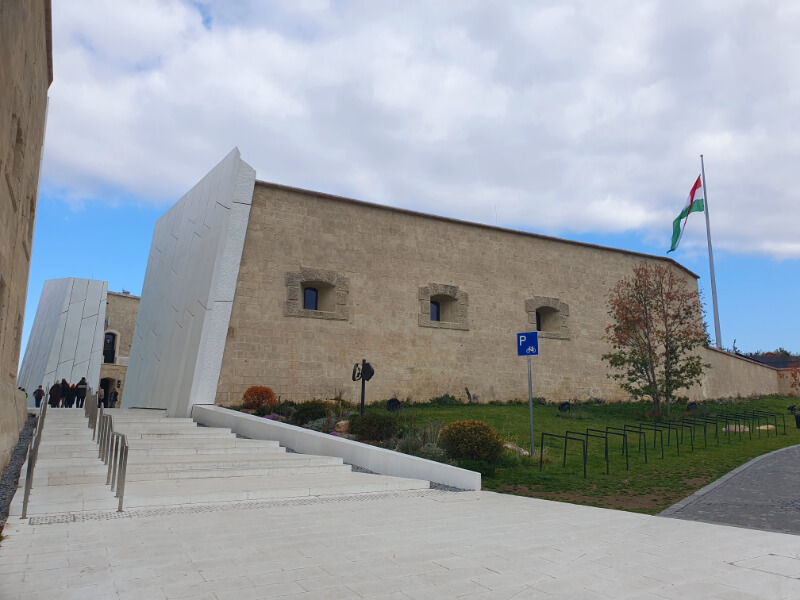
The structure was designed by Emmanuel Zitta and Ferenc Kasselik. It is approximately 220 meters (~722 feet) long, with walls reaching heights of 12–16 meters (~39–52 feet) in places and a thickness of 3–4 meters (~10–13 feet). It features bastions and gun emplacements. The stone for its construction was quarried, in part, by captured Hungarian soldiers. Consequently, it soon became known as the “Bastille of Gellért Hill”, a symbol of Austrian oppression. Following the Austro-Hungarian Compromise of 1867, the military significance of the Citadella steadily declined. A section of the wall was removed, and new entrances were opened.
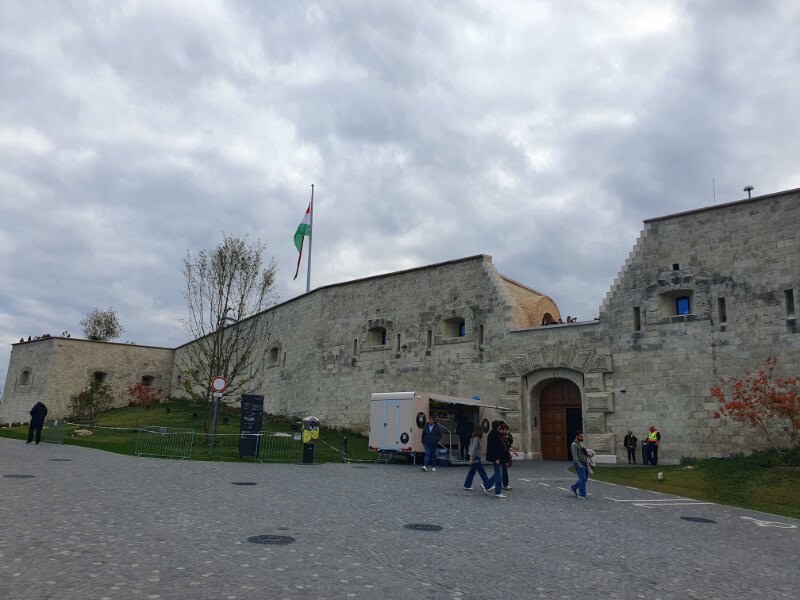
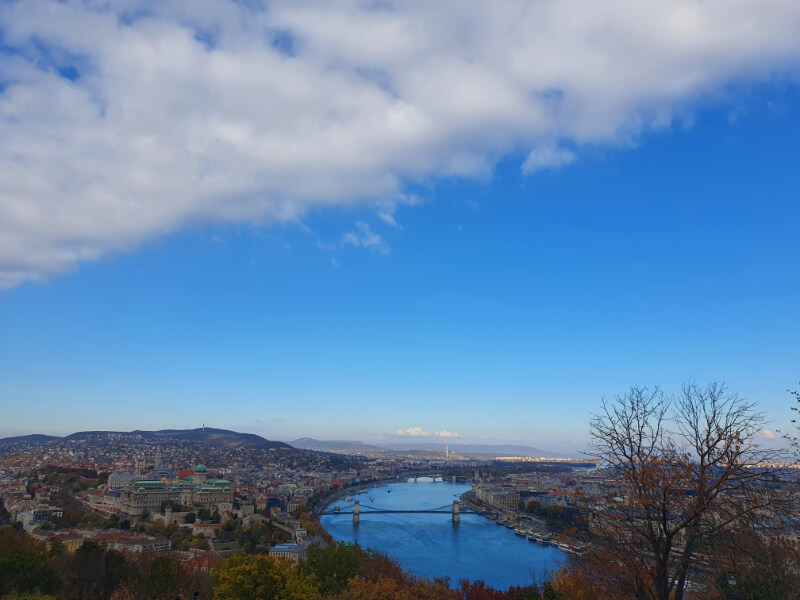
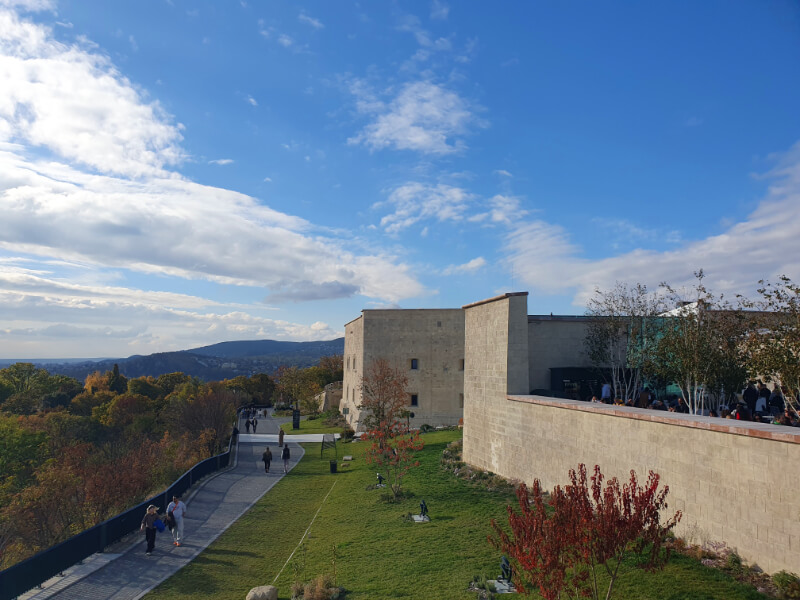
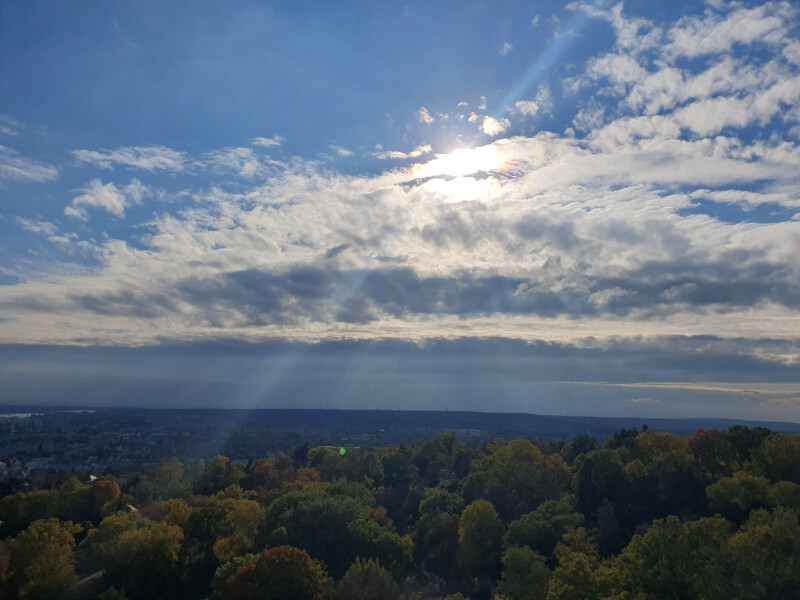
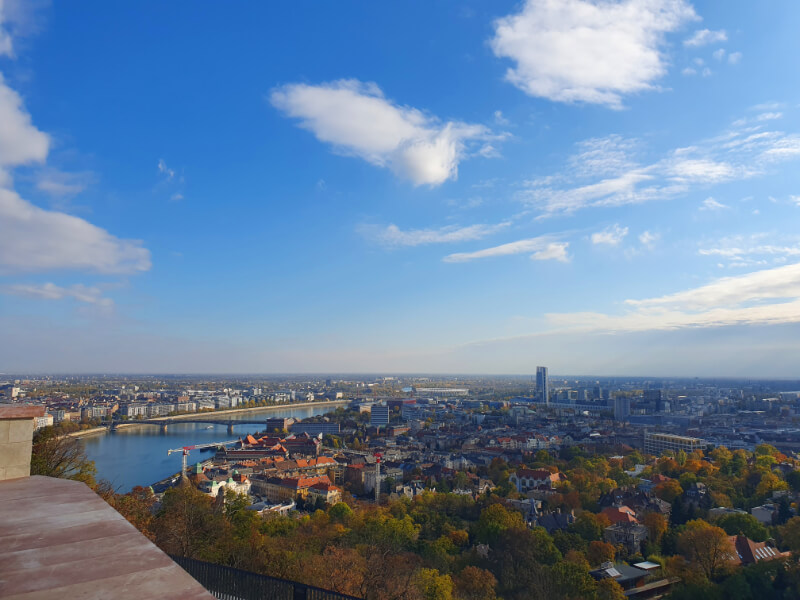
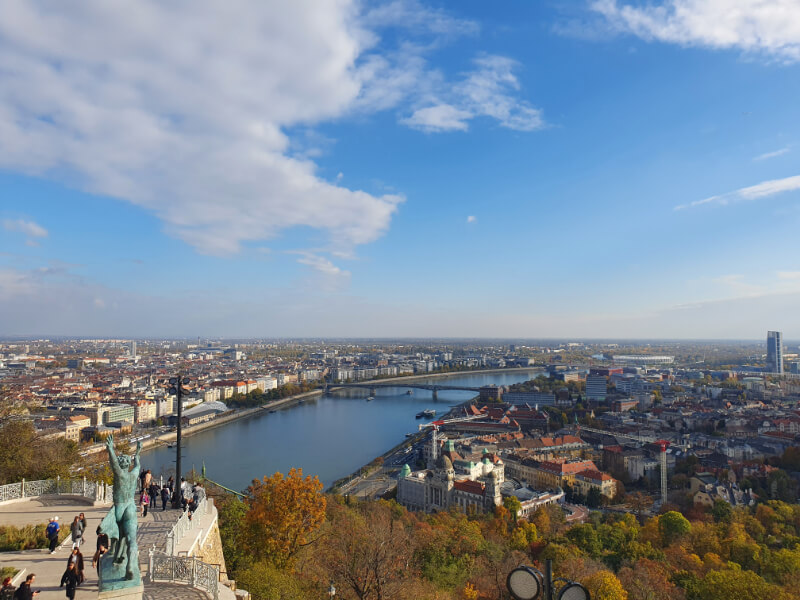
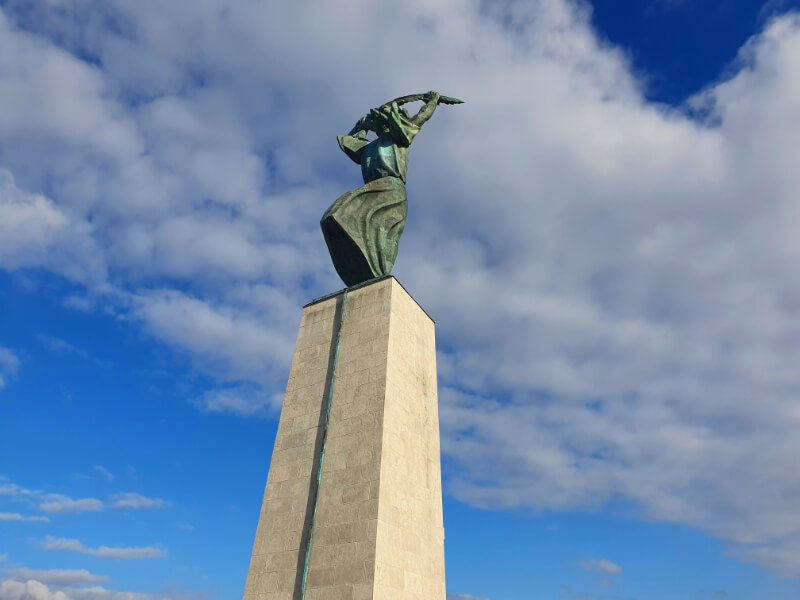
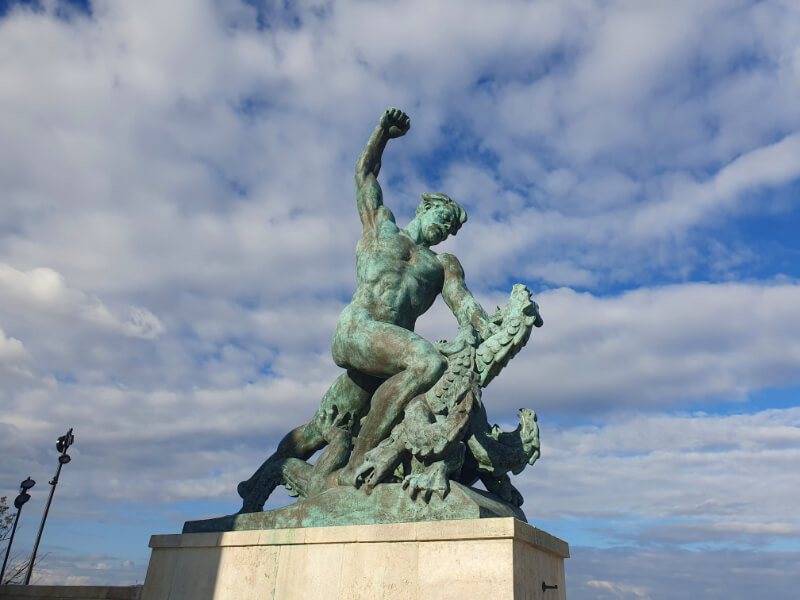
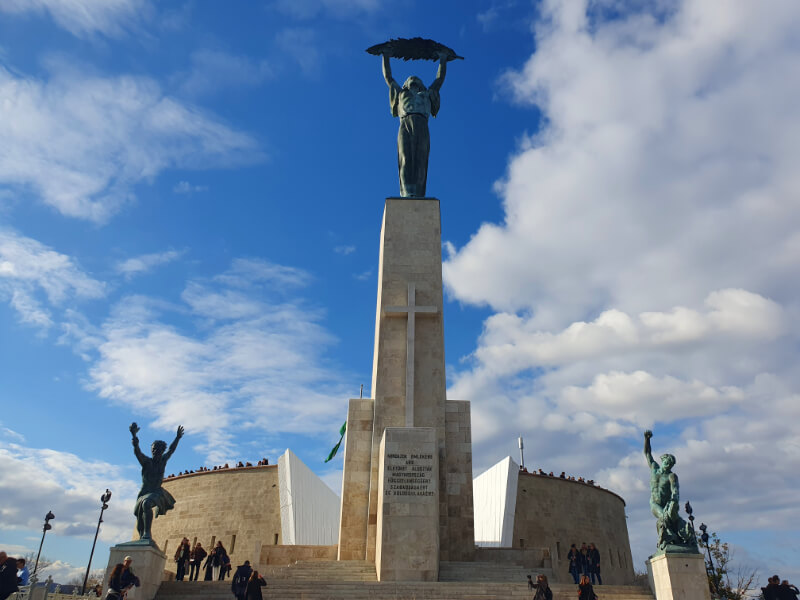
Over the subsequent decades, the structure served various functions. During the Second World War, German forces utilized it as a bunker, a command post, and a prisoner-of-war camp. In 1947, the Liberty Statue (created by Zsigmond Kisfaludi Strobl) was erected on Gellért Hill and it was originally named the Liberation Monument. Situated near the Citadella, the statue has since become one of Budapest’s most iconic landmarks. During the 1956 Revolution, Gellért Hill and the Citadella once again took on a military role amidst another period of foreign military occupation.
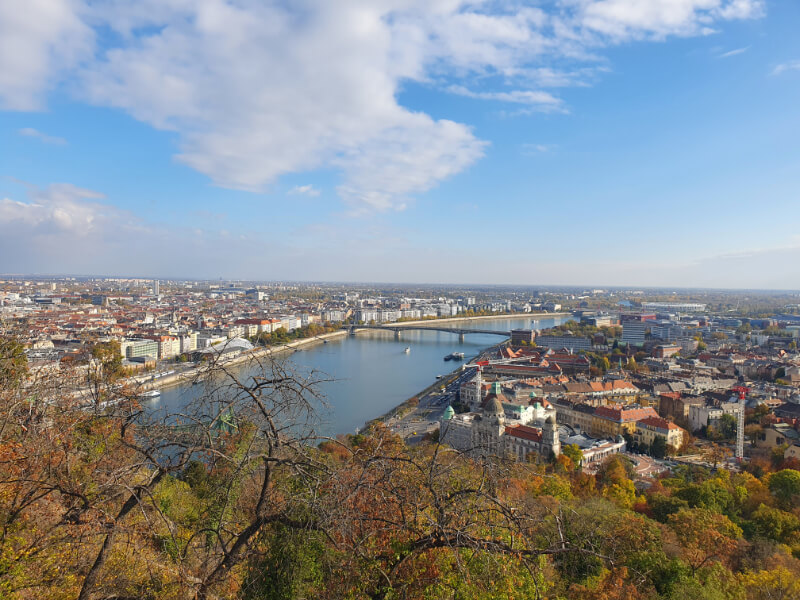
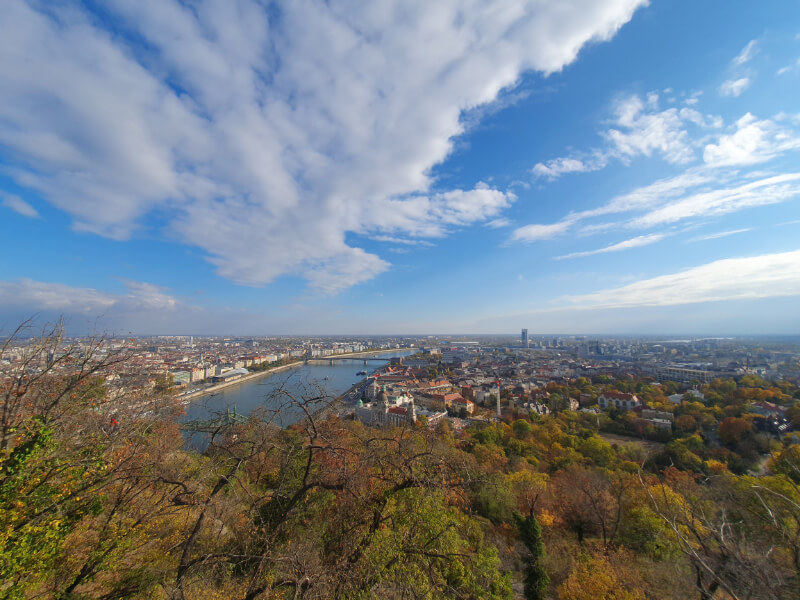
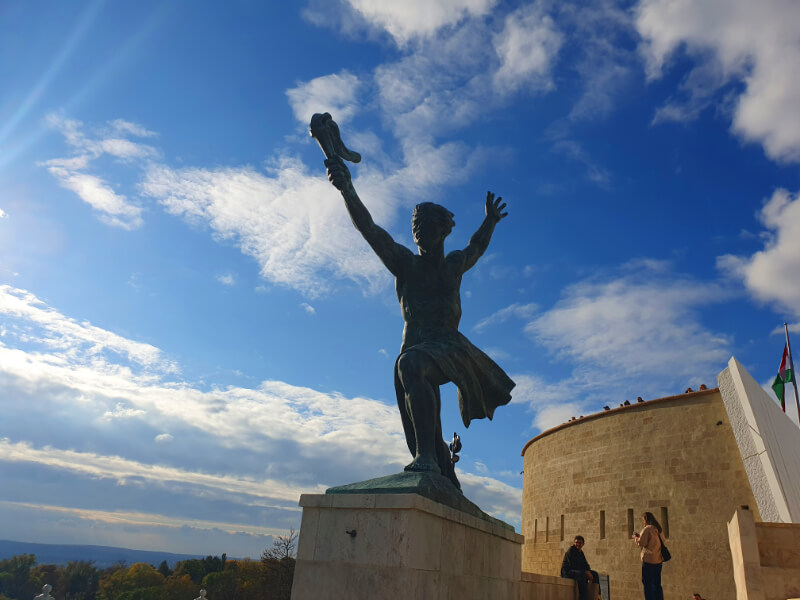
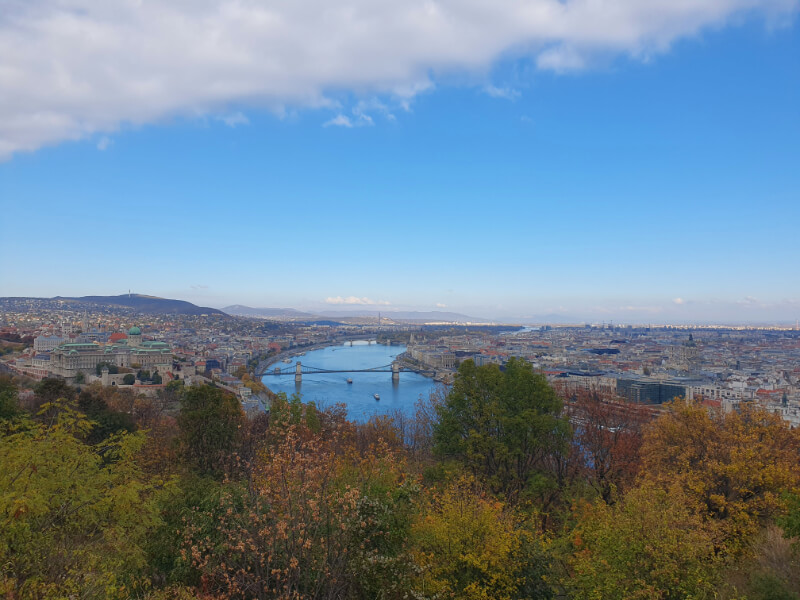
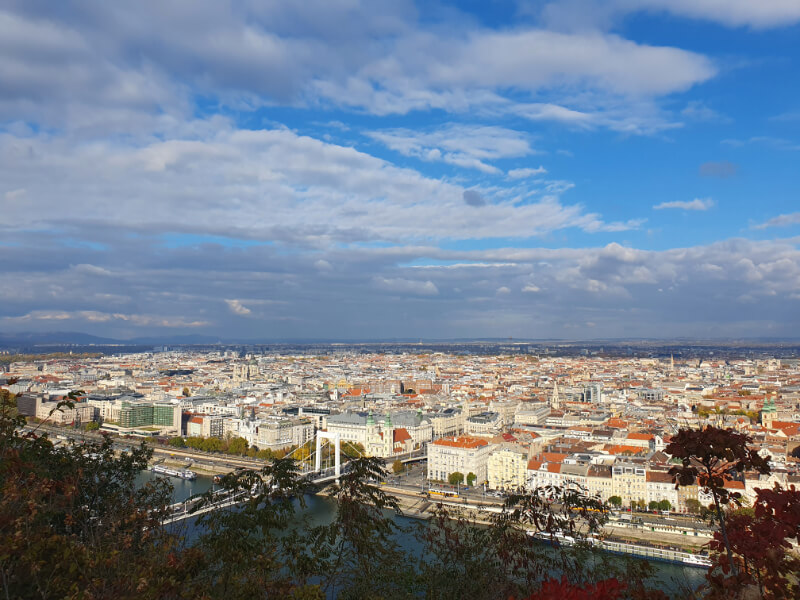
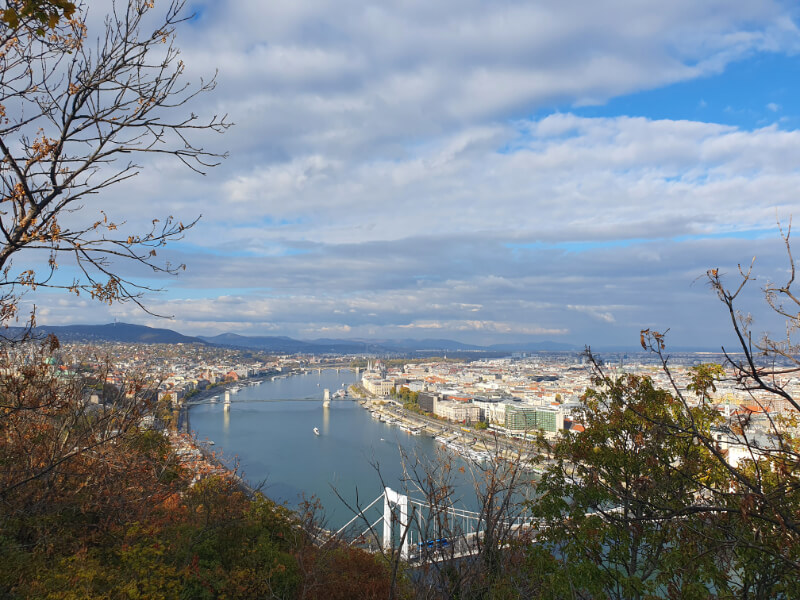
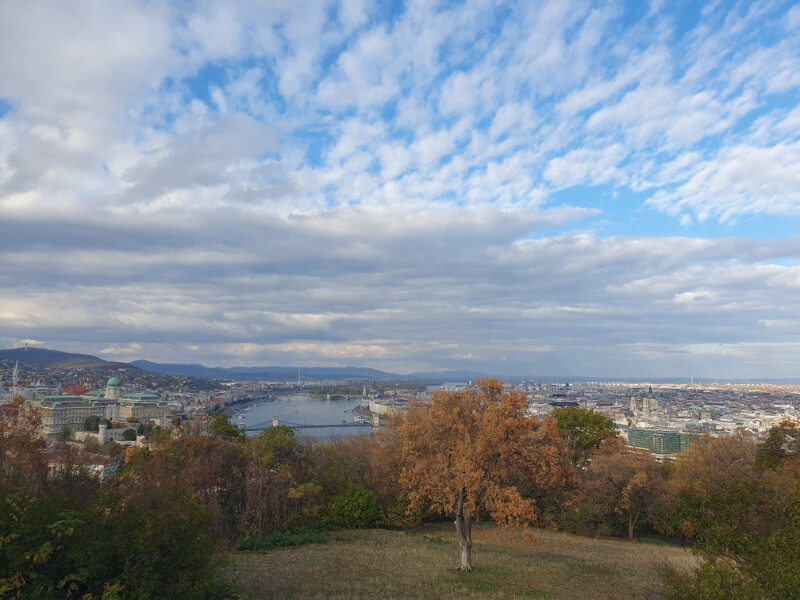
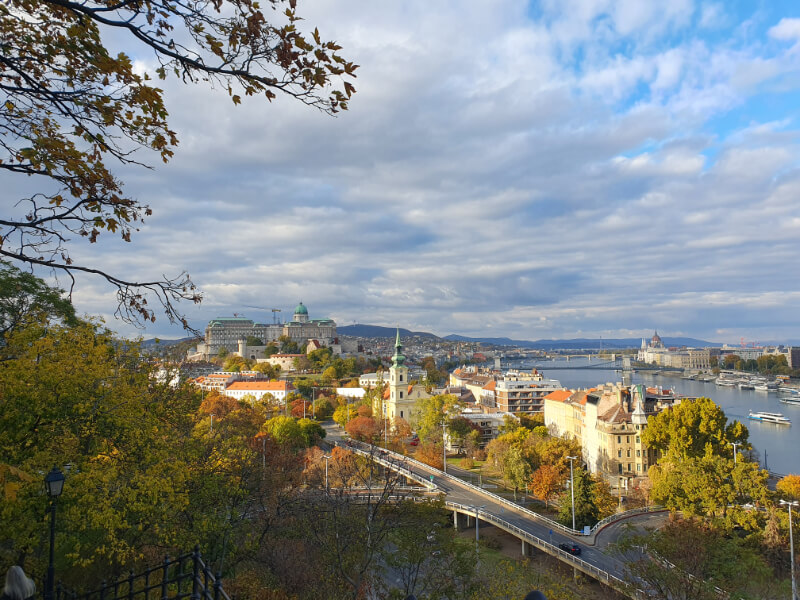
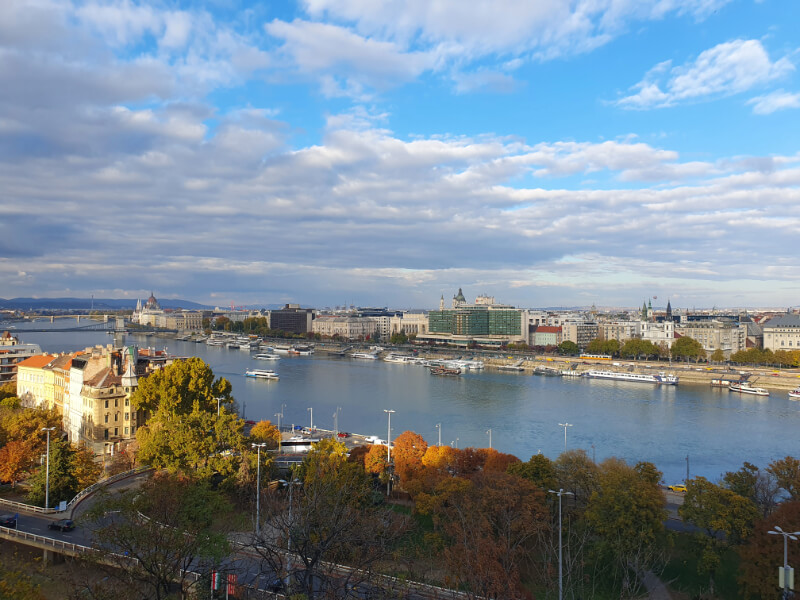
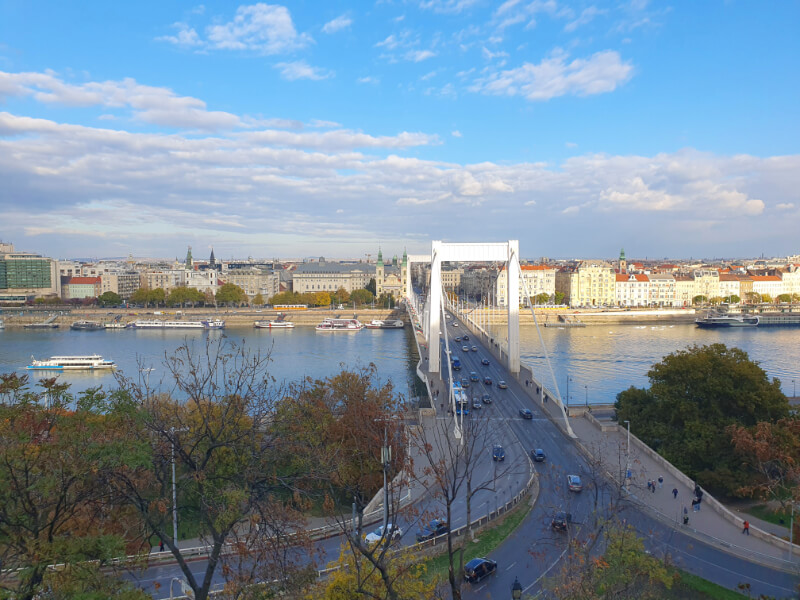
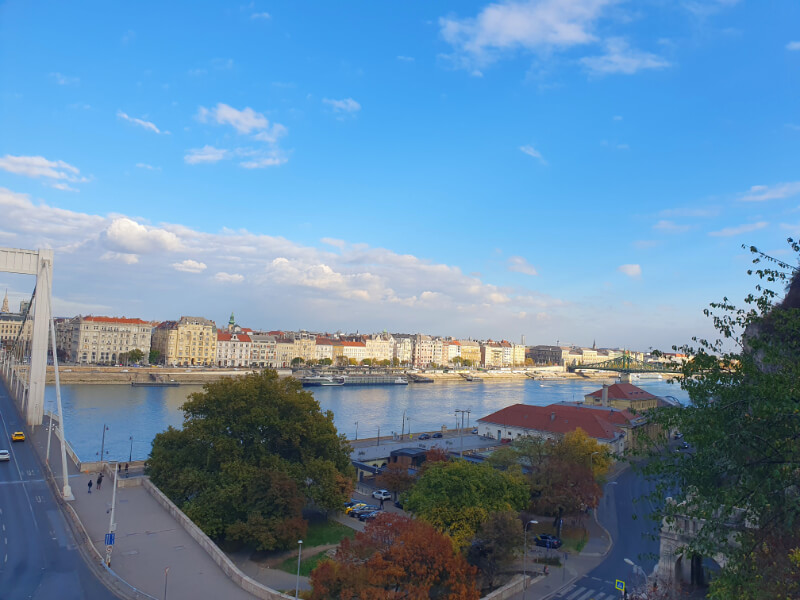
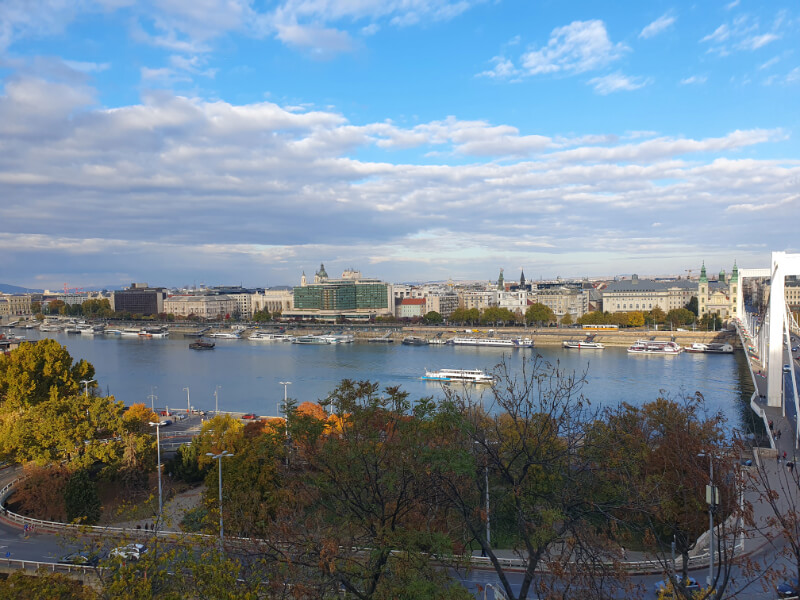
After 1990, the site gradually evolved into a tourist attraction. The Citadella offers an unparalleled panorama of the Elizabeth Bridge, the Chain Bridge, the Liberty Bridge, the Parliament, Buda Castle, and the stretch of the Danube flowing through the city center. Beginning in 2021, the fortress which had fallen into a state of disrepair underwent a comprehensive renovation. The inner courtyards were refurbished, the historic stone walls were restored, new green spaces were created, modern architectural elements were integrated, and new visitor routes were established. The walls of the Citadella preserve over a century and a half of Hungarian history, and the site offers one of the most beautiful vantage points in Budapest.
It is home to the “flag with a hole”, one of the most iconic symbols of the 1956 Revolution and Freedom Fight. The center was cut out because, in 1949, during the era of the communist dictatorship Hungary adopted a new state emblem. Known as the “Rákosi coat of arms” it featured a red five-pointed star, a hammer, and ears of wheat arranged in a wreath. This emblem was placed in the center of the Hungarian flag. When the revolution broke out on October 23, 1956, the Rákosi emblem was cut out of the flags as a rejection of the communist dictatorship and as a stand for national independence and freedom.
“Europe’s most underrated big city, Budapest can be as challenging as it is enchanting.”
– Rick Steves