
A historic medieval castle complex
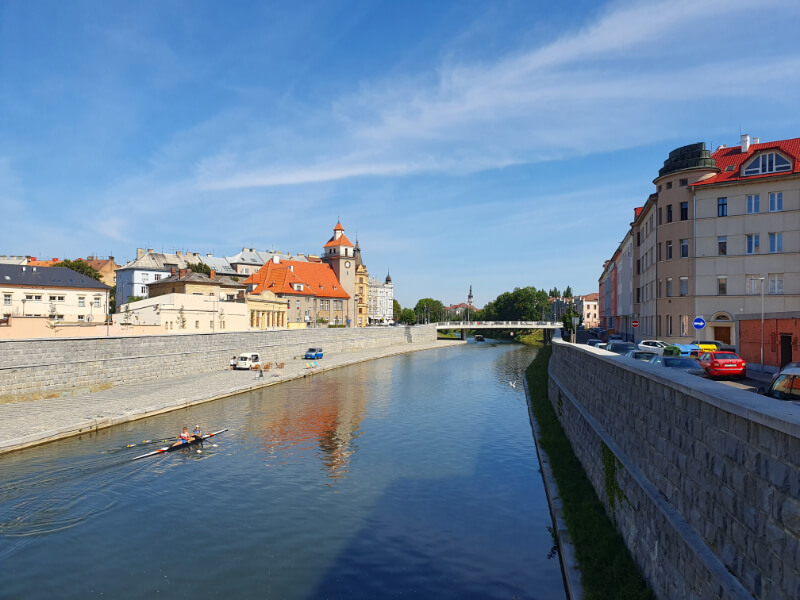
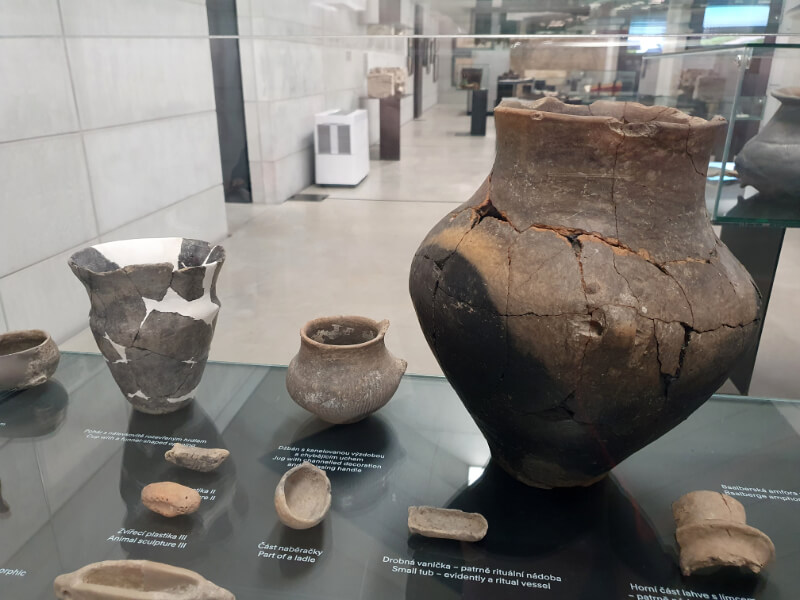
I think you remember my article Walking in Olomouc from a year ago. That was when I first visited Olomouc, one of the oldest and most historically significant cities in Central Moravia. (Střední Morava) This area was inhabited since prehistoric times, and archaeological evidence of a former Roman military presence was found from the 2nd century AD, making this area one of the northernmost Roman sites in Central Europe. In the early Middle Ages, the city was one of the most important settlements in Moravia, making Olomouc a royal center. The Bishopric of Olomouc was founded, and it also became a religious center. The last king of the Přemysl dynasty, Wenceslas III, was murdered here, which was a defining event in Czech medieval history.
In the 16th century, Olomouc was the capital of Moravia. The Palacký University of Olomouc was founded here, which is the second oldest university in the Czech Republic after Charles University in Prague. During the Thirty Years’ War, the city was occupied and completely destroyed by Swedish forces. Brno then became the leading city in Moravia. In the 18th century, reconstruction work began in the city of Olomouc. Most of the Baroque monuments, churches, monasteries, palaces and fountains mostly date from this period. In the 18th and 19th centuries, it became a fortified city of the Austrian Empire. In 1848, the imperial court moved here after the Viennese riots, and Emperor Franz Joseph I ascended the throne here.
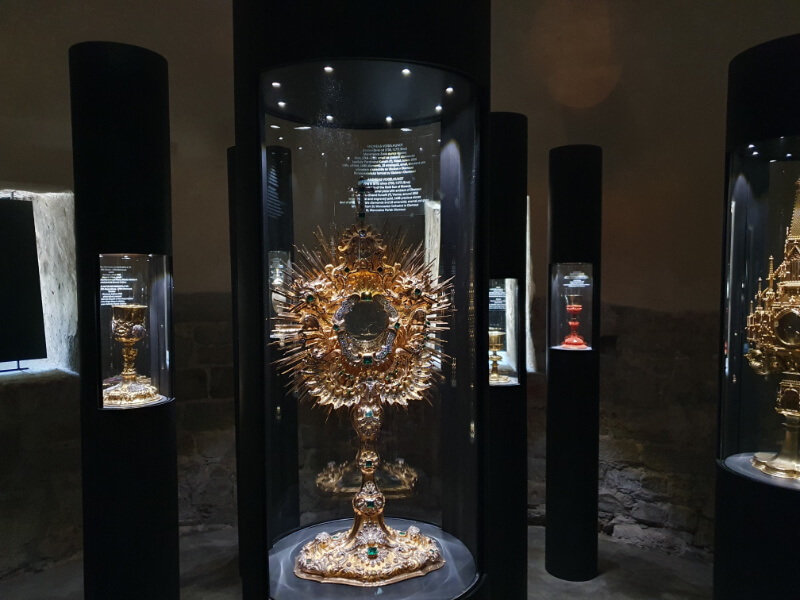
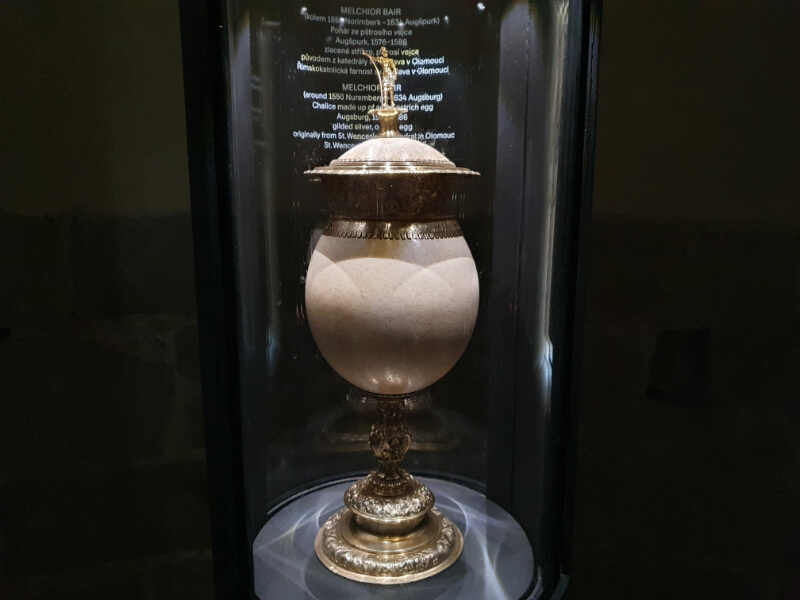
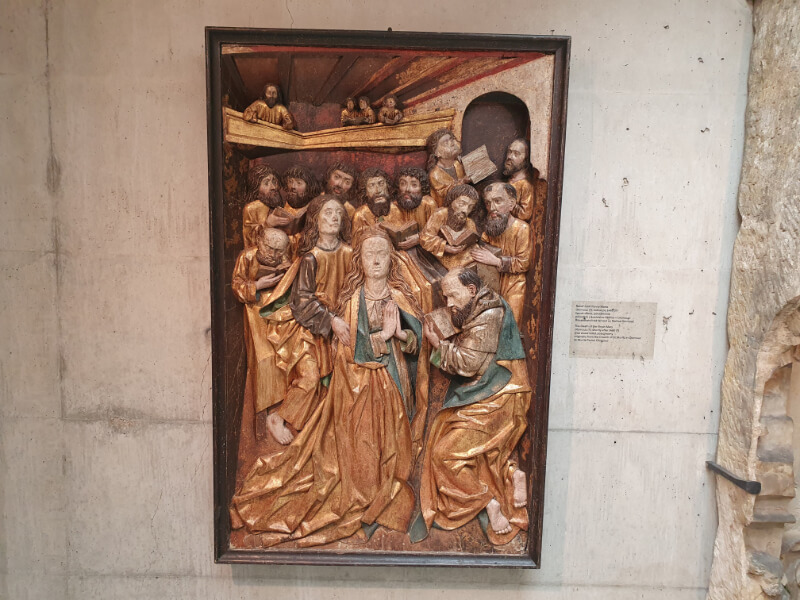
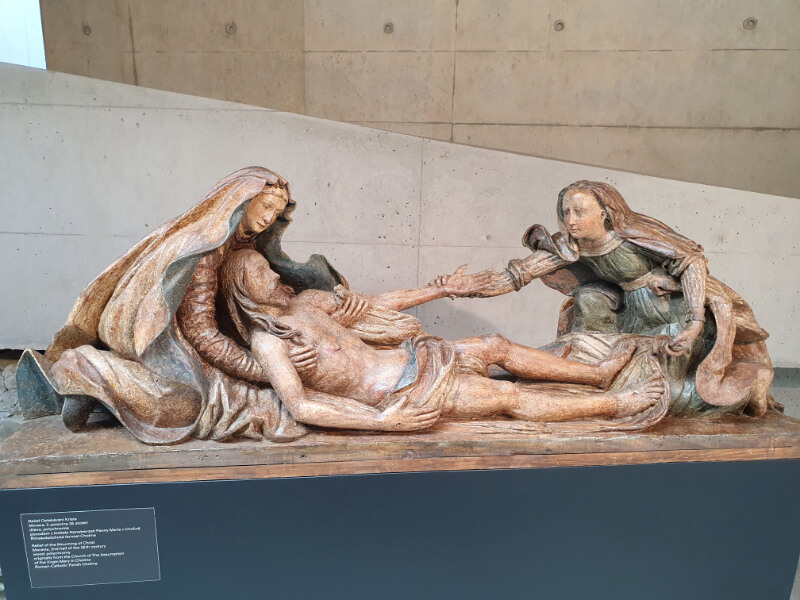
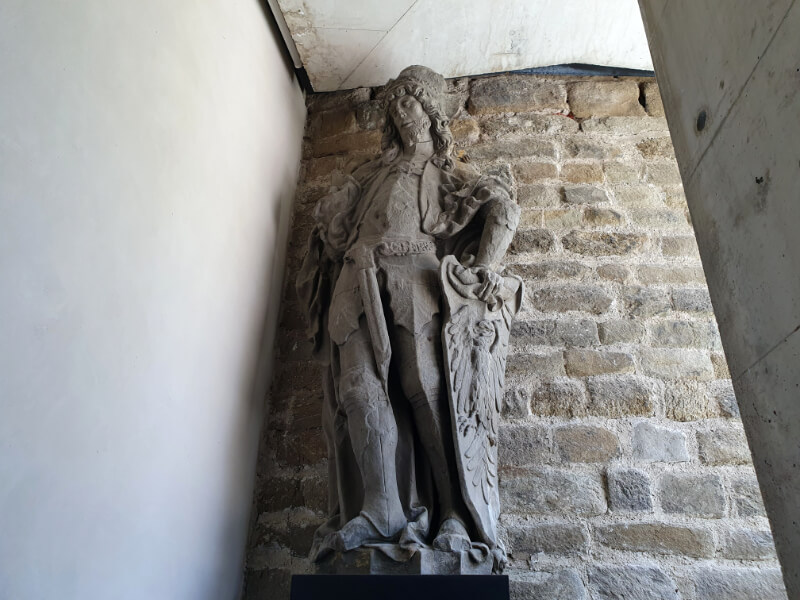
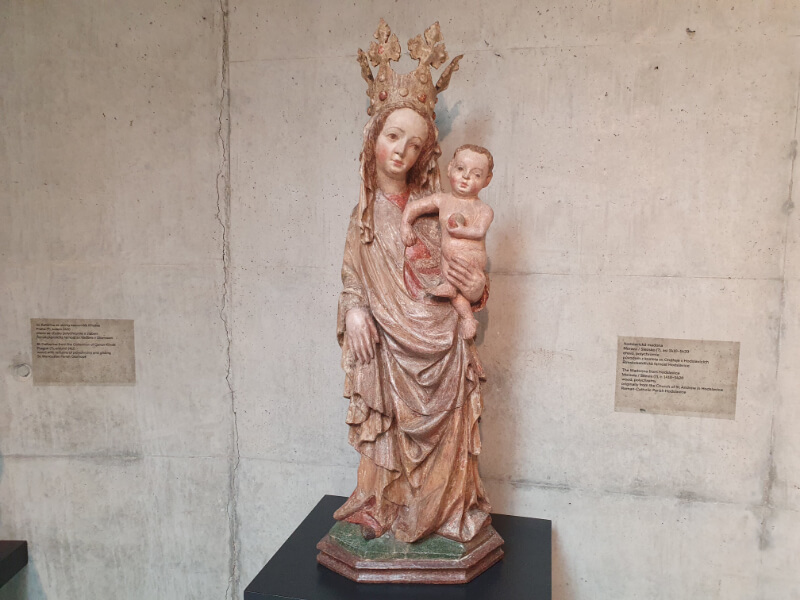
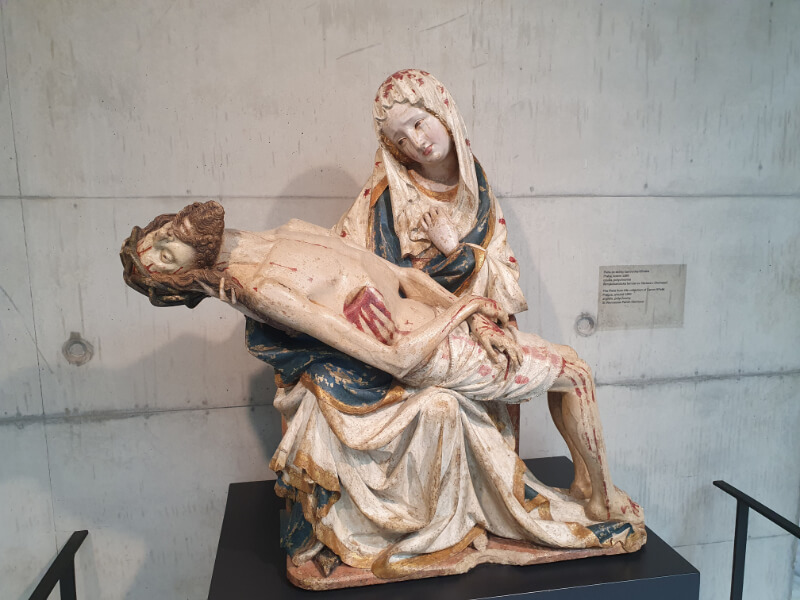
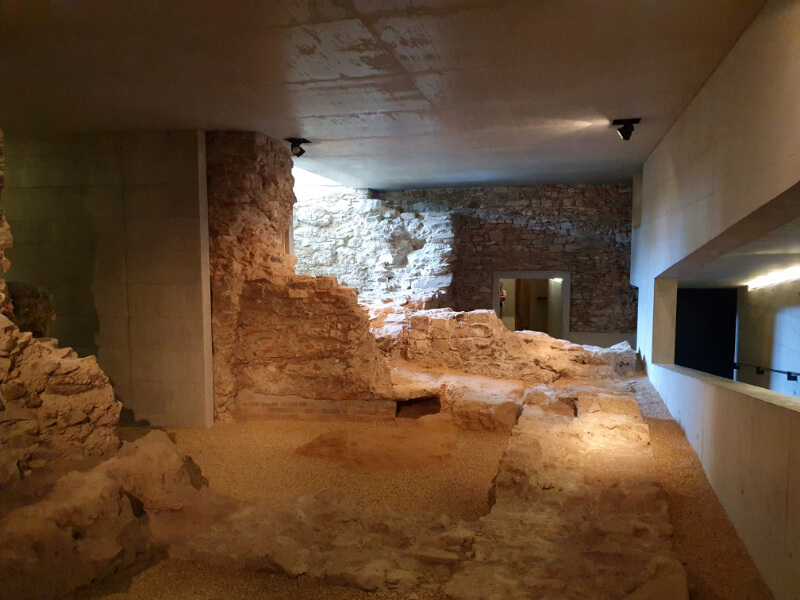
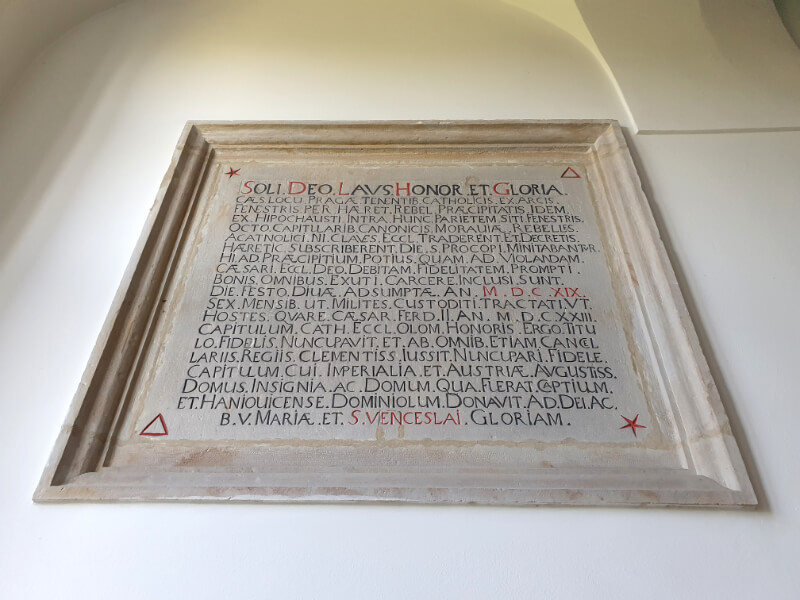
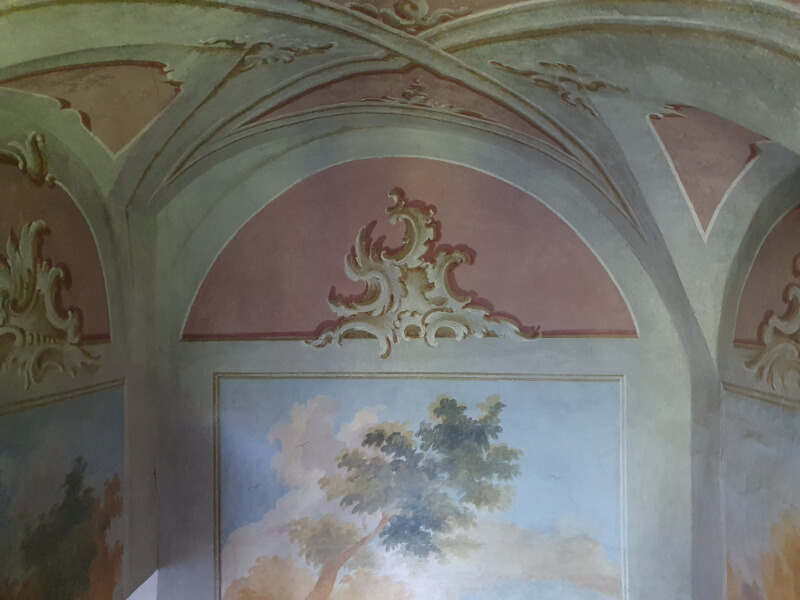
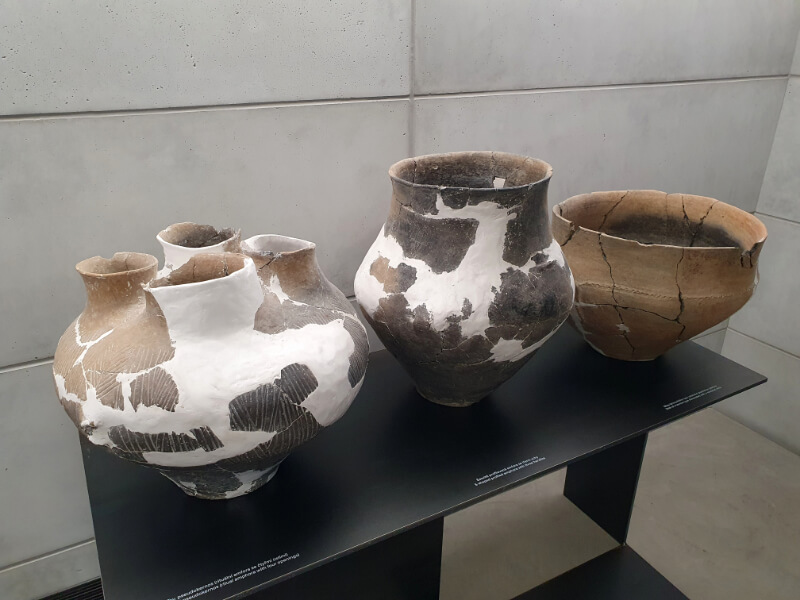
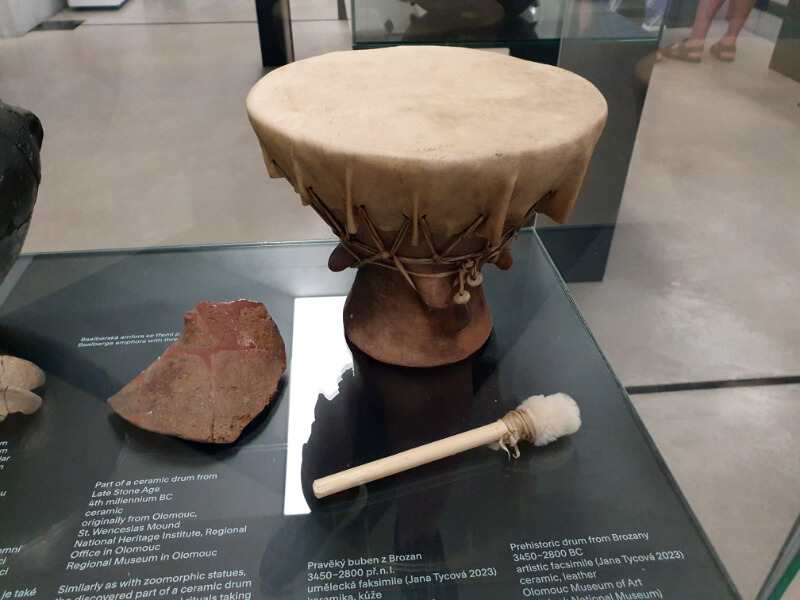
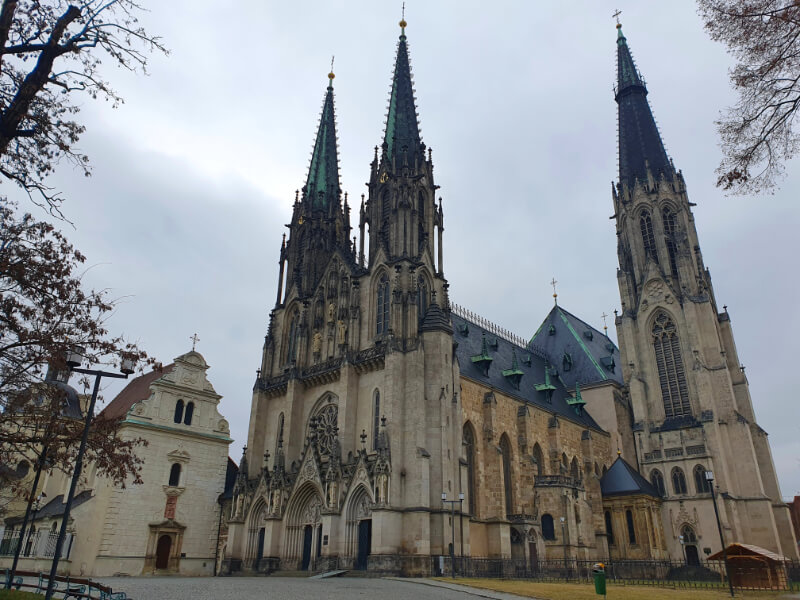
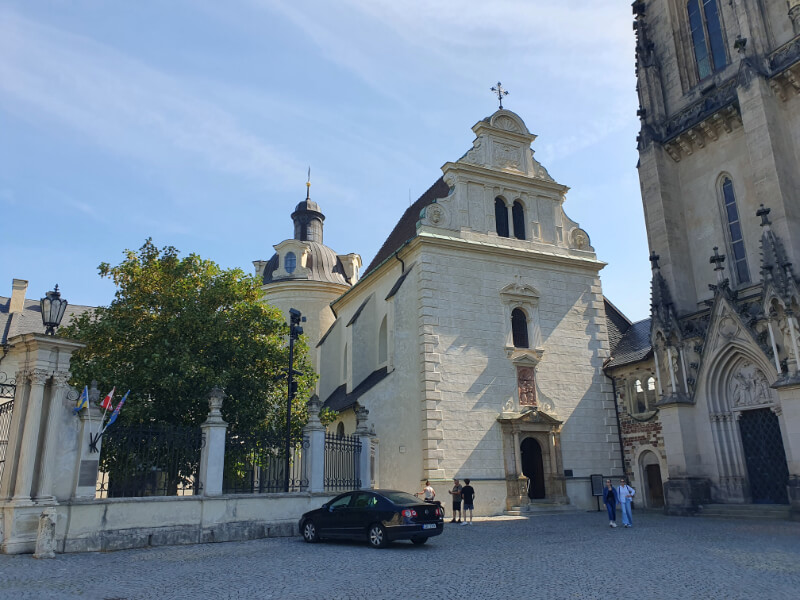
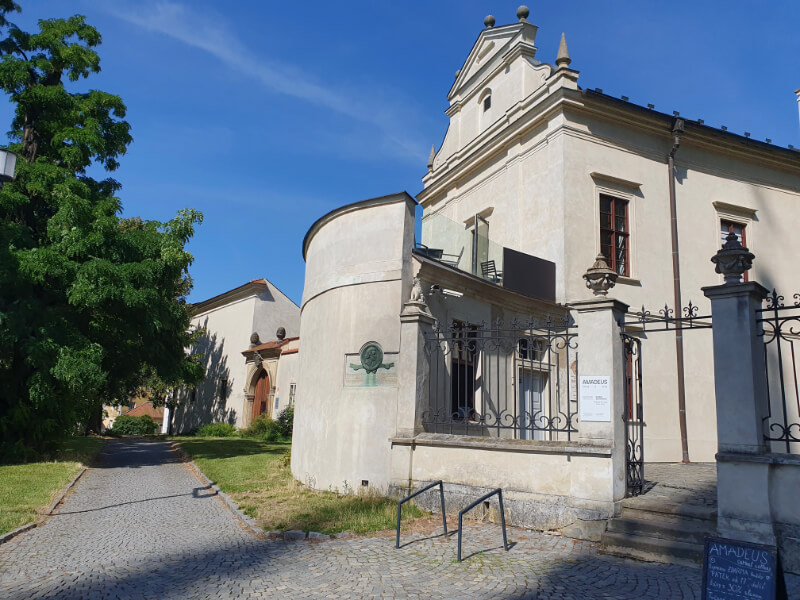
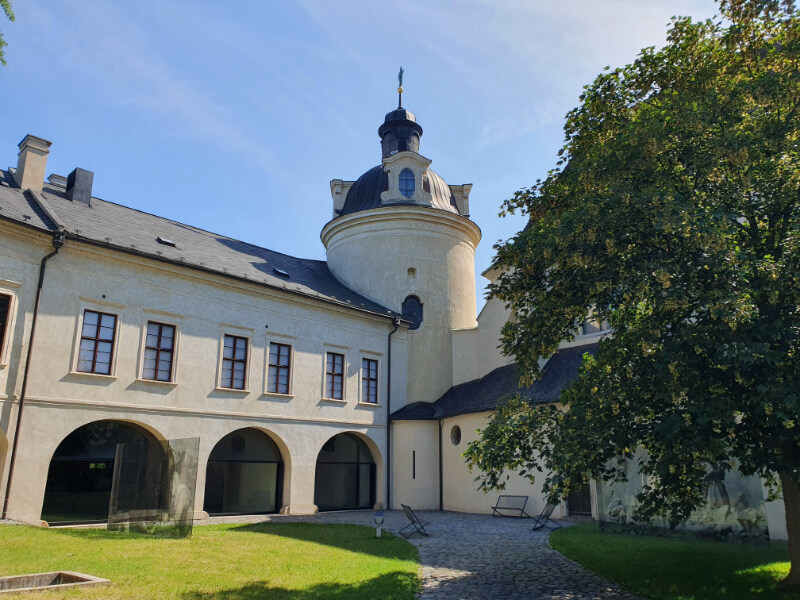
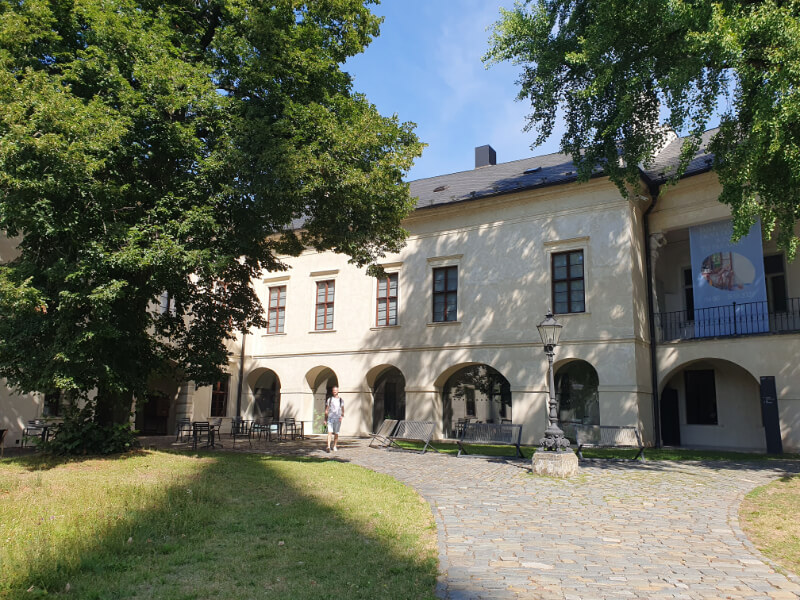
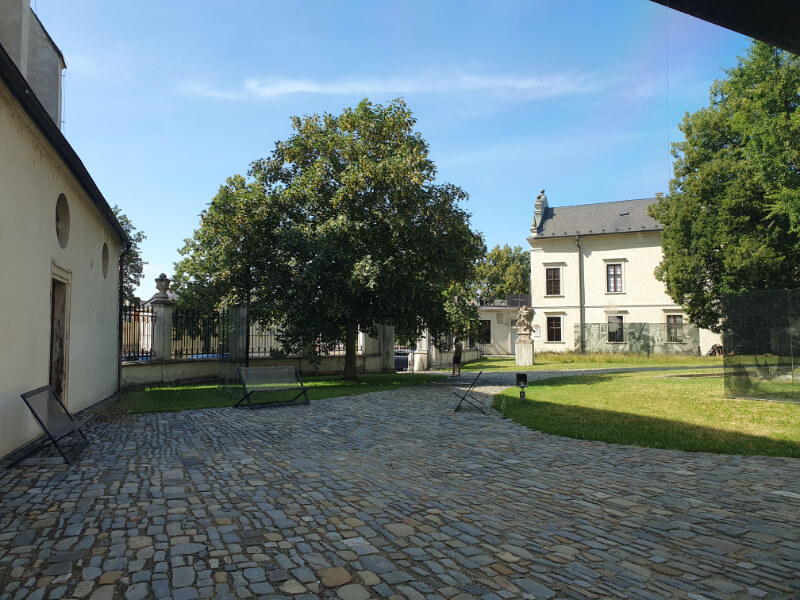
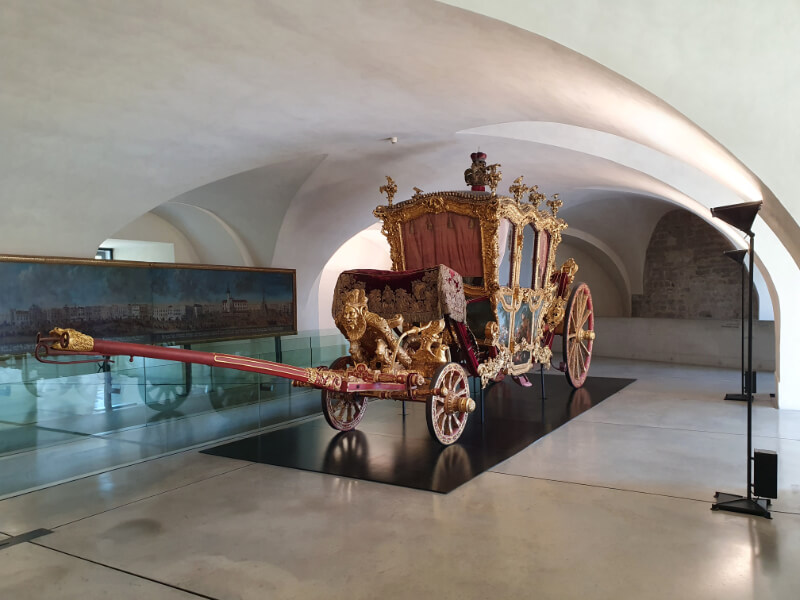
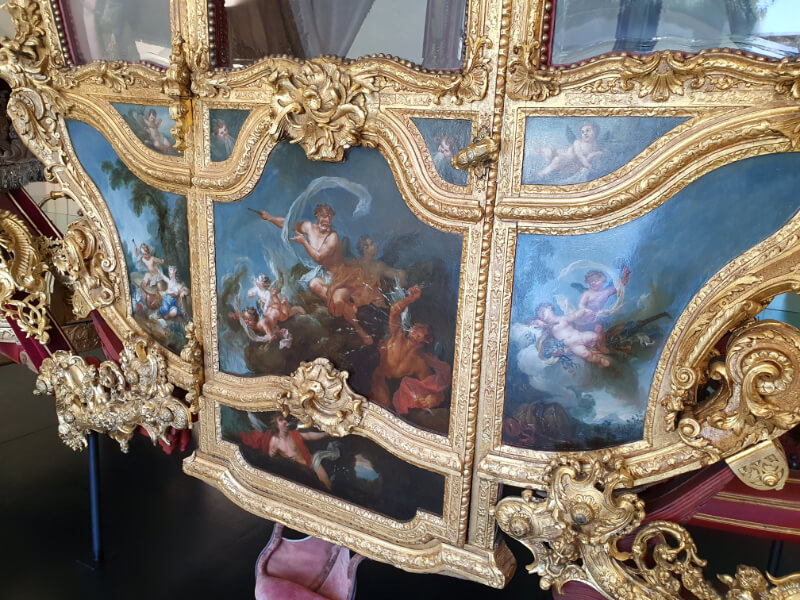
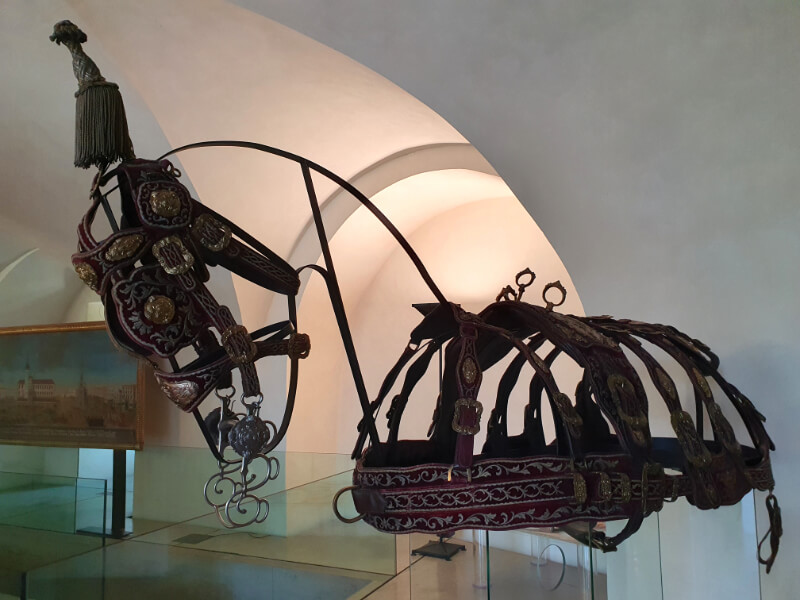
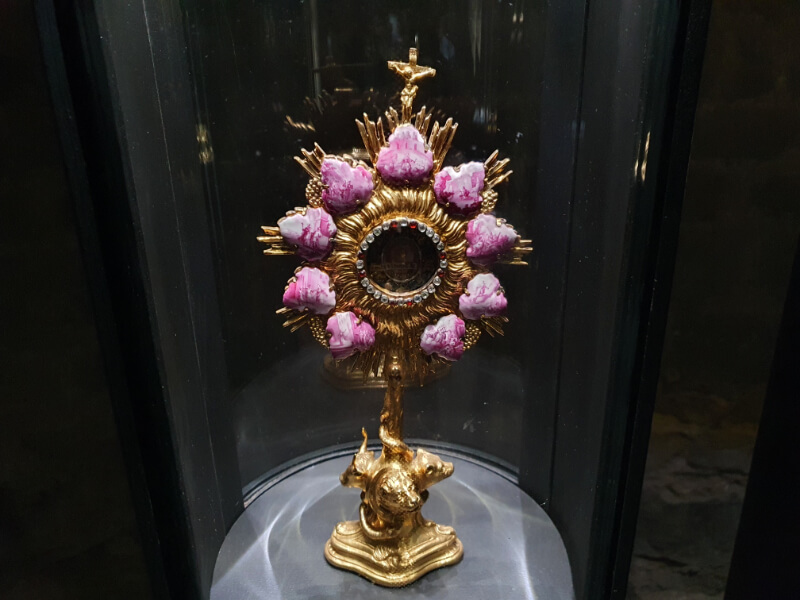
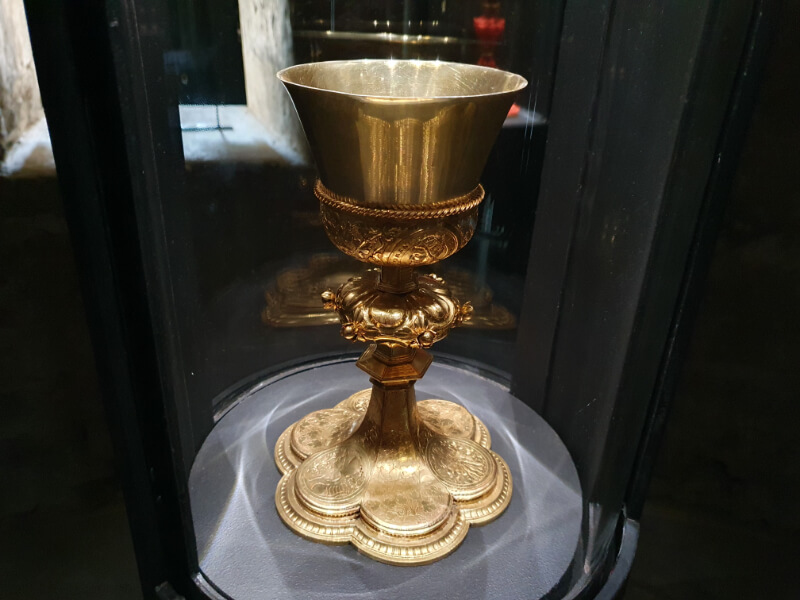
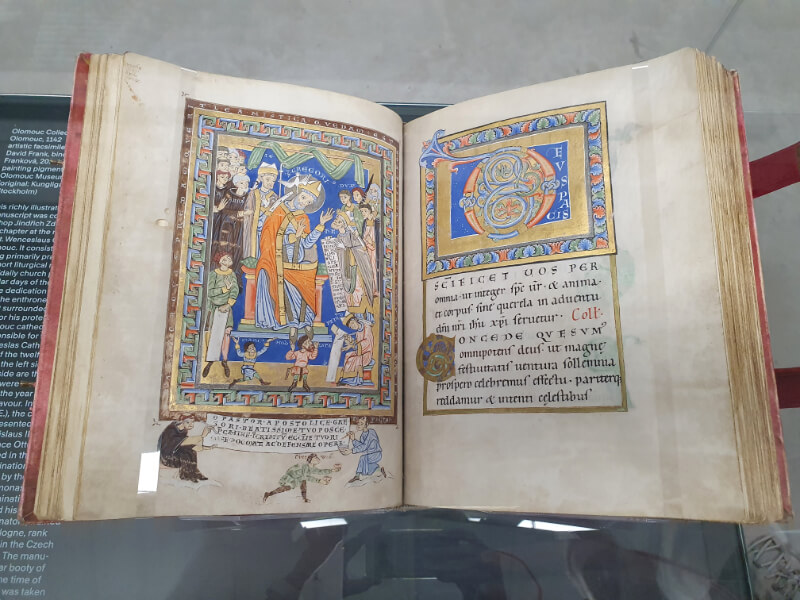
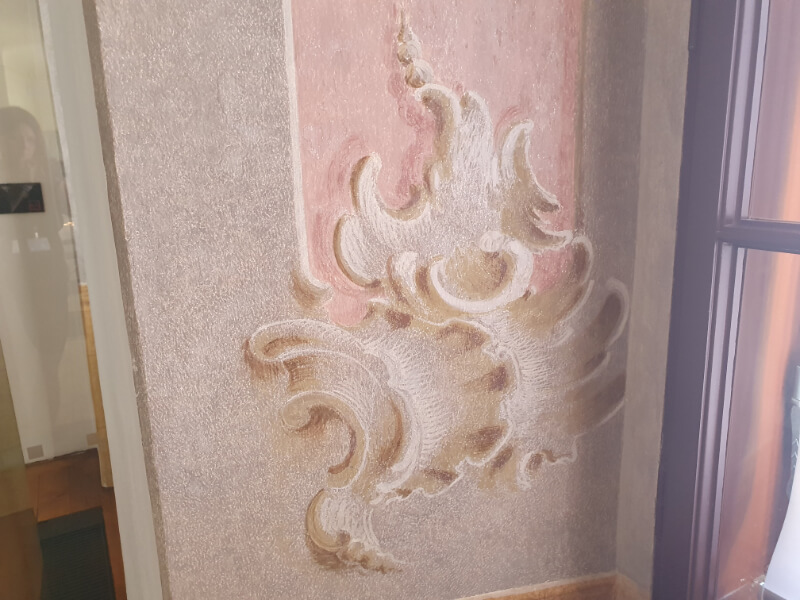
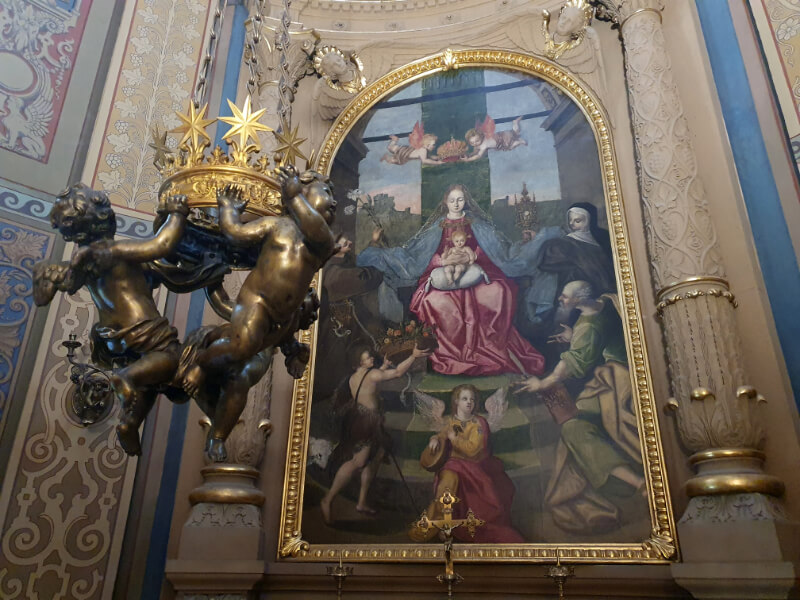
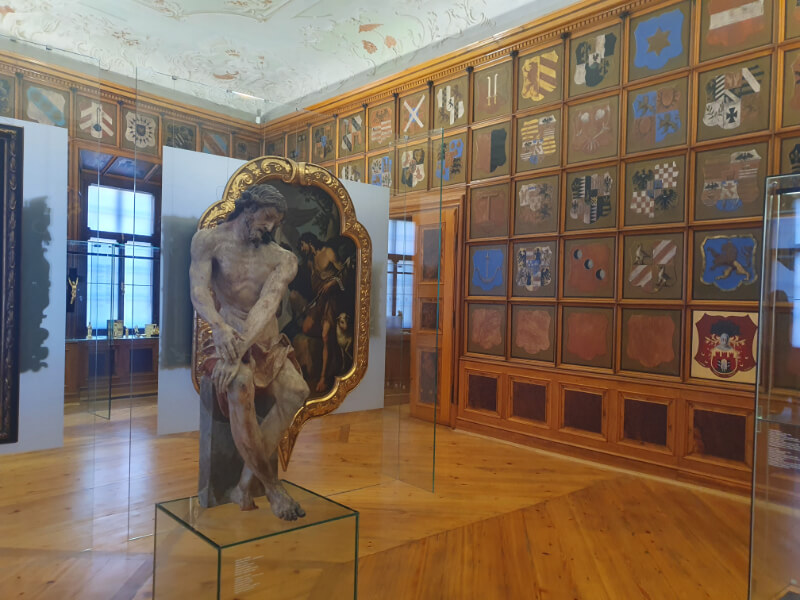
Olomouc Castle is one of the oldest castle complexes in the Czech Republic, founded in the 11th century. The complex is a collection of ecclesiastical and administrative buildings located on Wenceslas Hill (Václavské návrší), which includes St. Wenceslas Cathedral, Zdík Palace and the Archbishopric Museum. For centuries it served as the political and religious center of Moravia. This fortified residence was founded by the Přemyslid rulers and quickly became the seat of the Moravian princes and the center of Moravia. The core of Olomouc Castle is the Romanesque Zdík Palace, with its massive stone walls, round arched windows and vaulted halls. Here you can find the impressive Gothic Chapel of St. John the Baptist with its frescoes. The entire castle is part of the Archdiocese Museum tour, which presents medieval sacred art, manuscripts, sculptures and the treasures of the archdiocese.
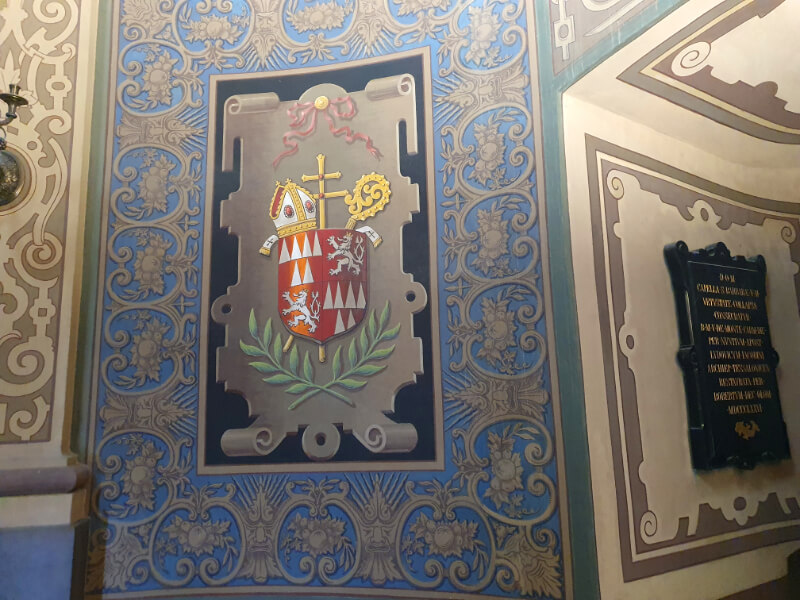
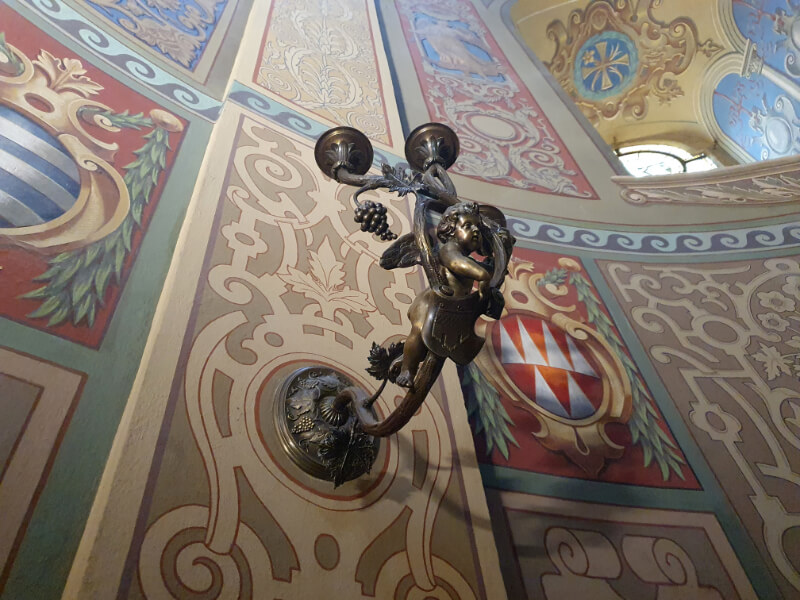
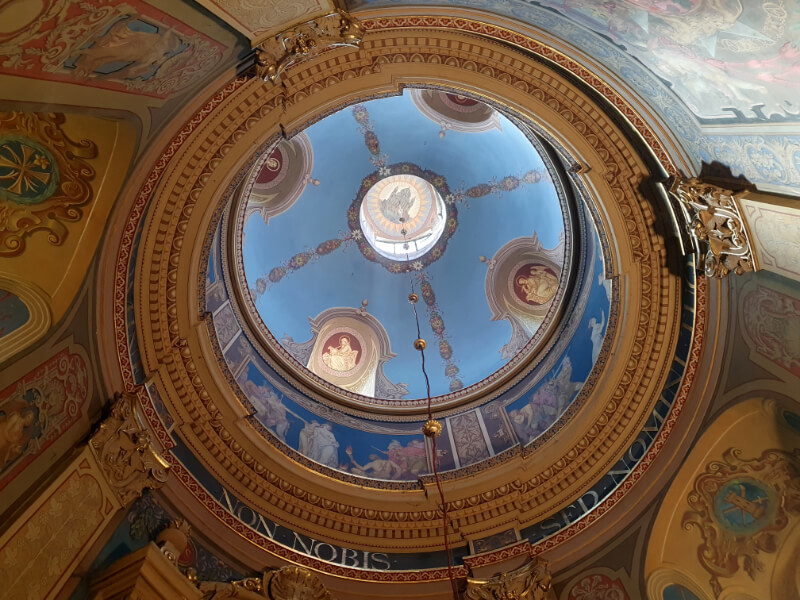
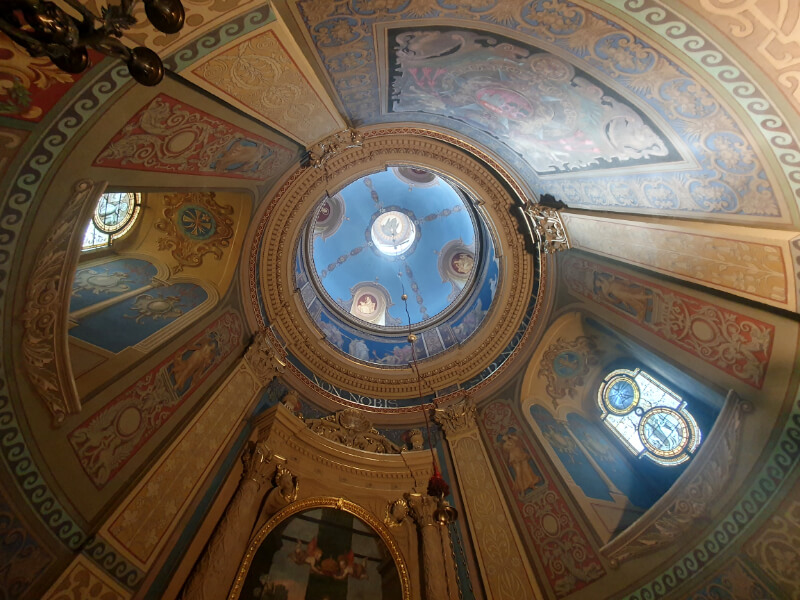
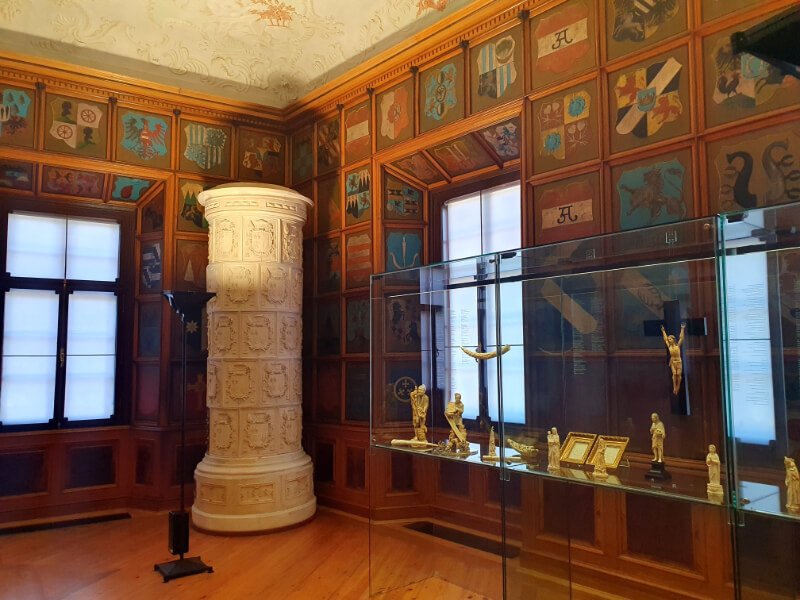
The castle complex is now a venue for cultural events: for classical music concerts, organ and chamber music performances, church music festivals and various art and history exhibitions. It offers organized educational programs for schools and families. The castle also participates in city heritage celebrations, such as the European Heritage Days.
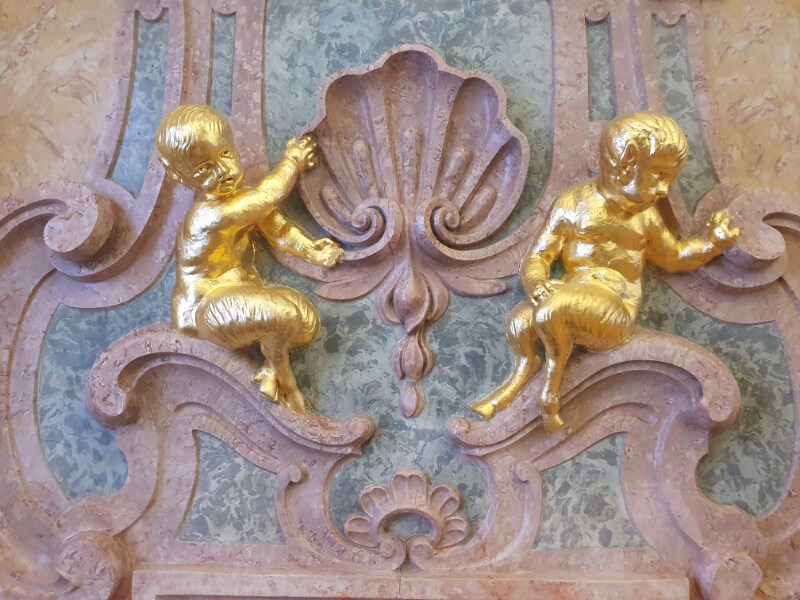
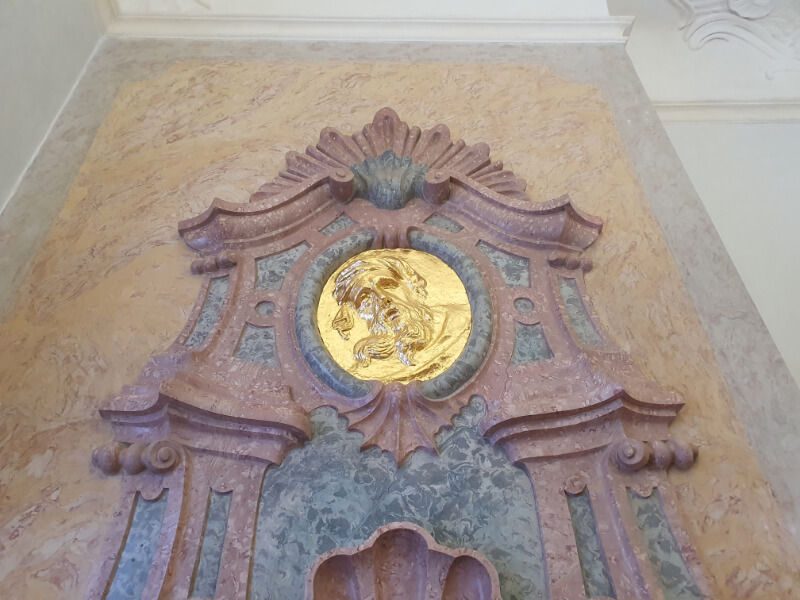
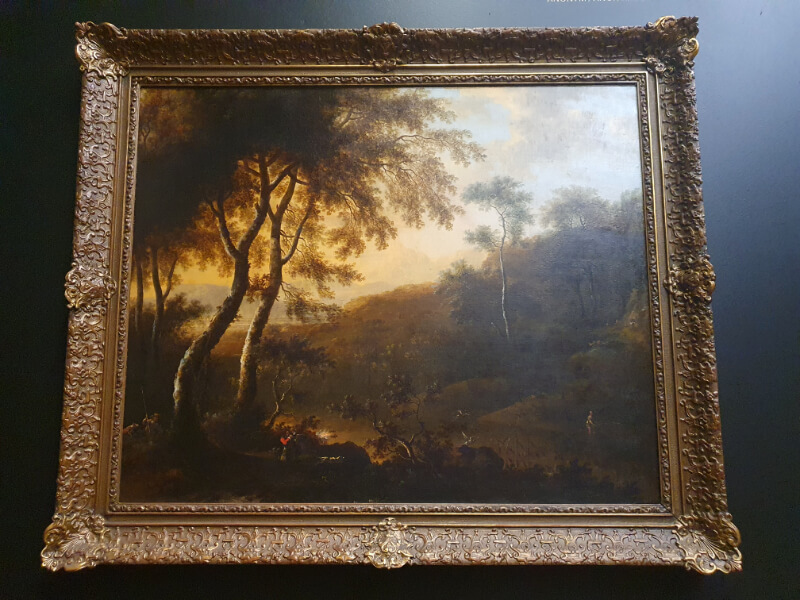
“The more you know about the past, the better prepared you are for the future.”
– Theodore Roosevelt