
From a medieval castle to a Renaissance chateau
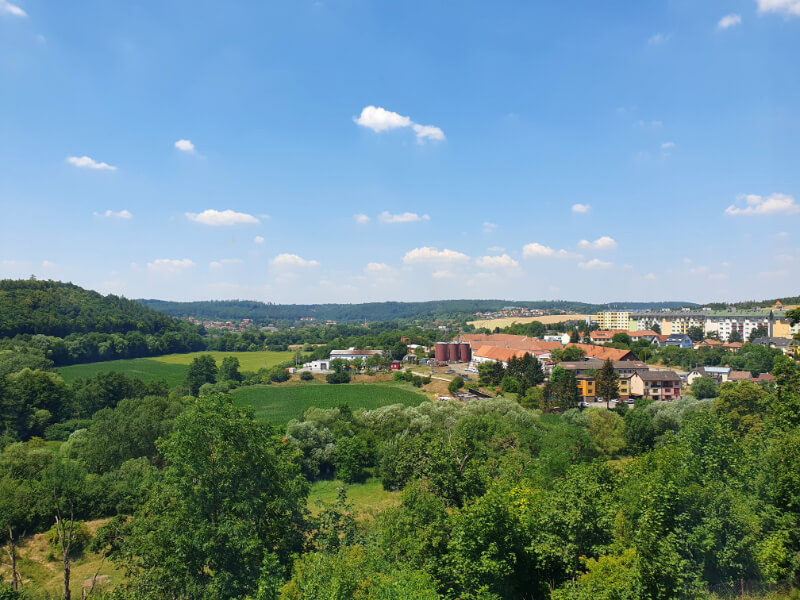
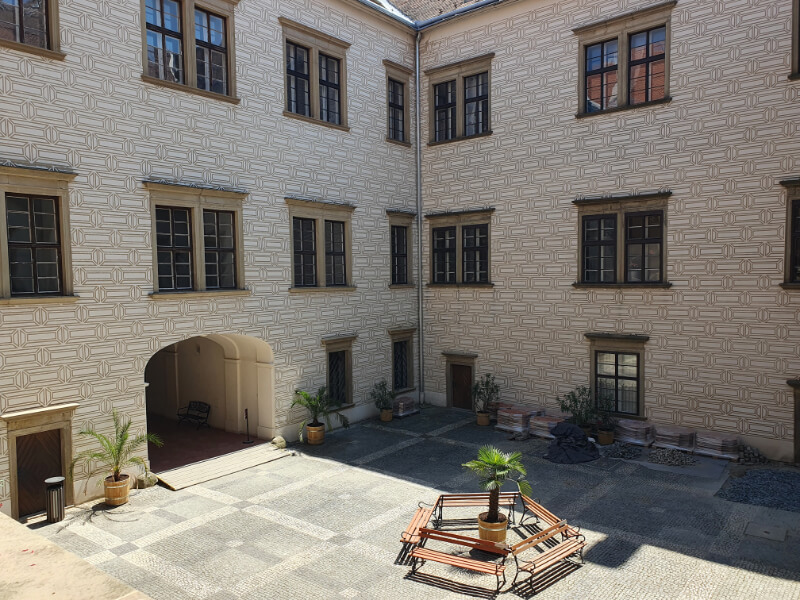
Rosice is a town in the Brno-venkov District of South Moravia, 18 km southwest of Brno. The town’s most important monument is the Rosice Castle, built at the confluence of the Bobrava River and the Říčanský Stream. A Gothic castle stood on the site of the present-day castle as early as the 13th century. However, its most significant reconstruction only took place in the second half of the 16th century, when this medieval castle was transformed into a representative Renaissance chateau. The Italian Renaissance influence is probably also due to the work of Italian masters, the architect Leonard Garo de Bisono and the stonemason Francesco Canevale.
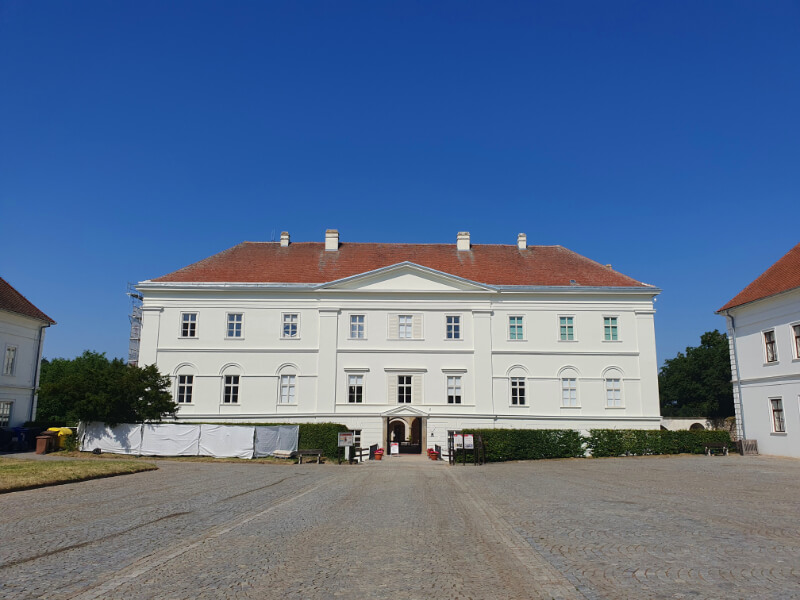
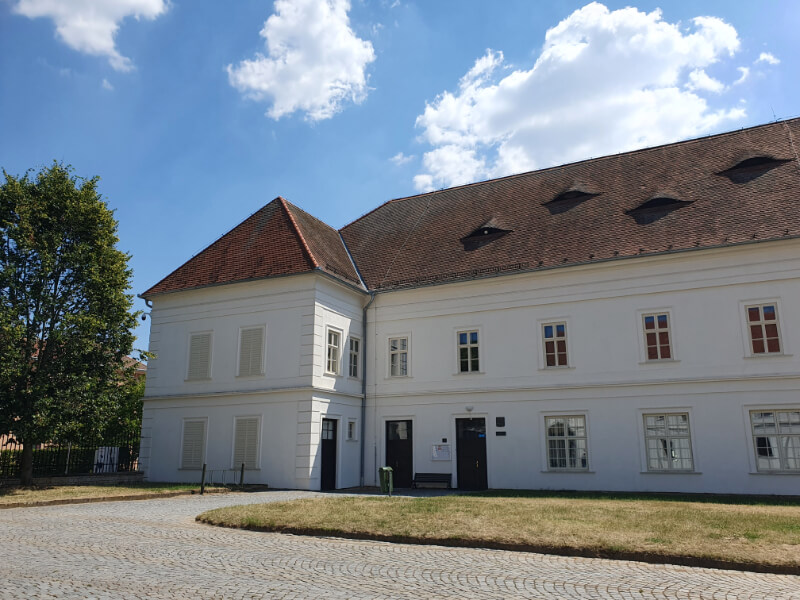
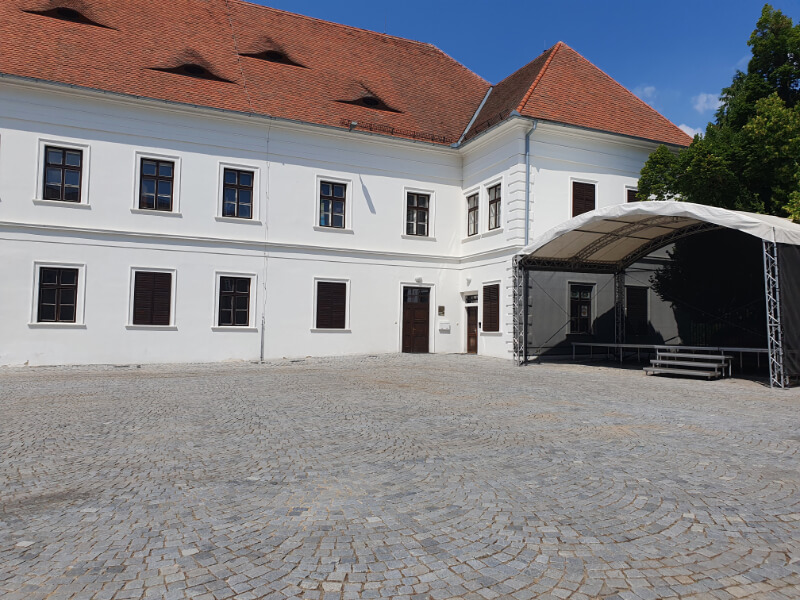
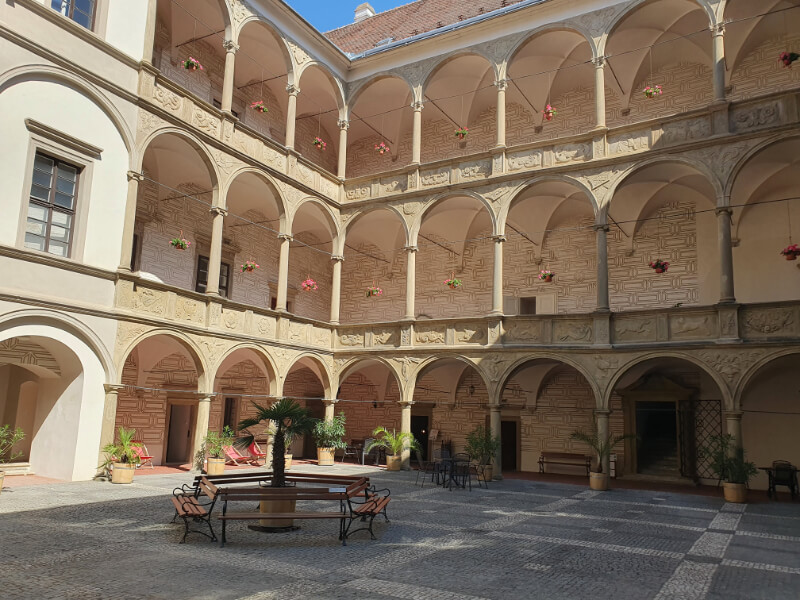
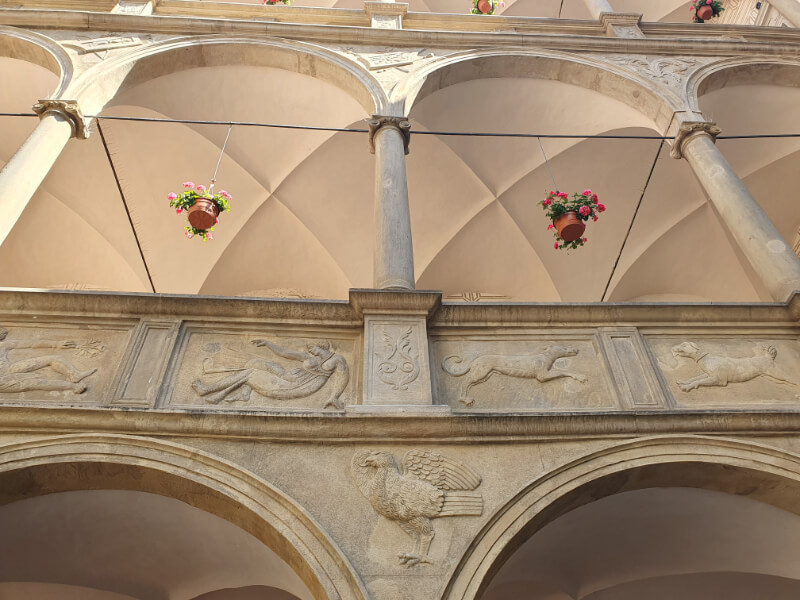
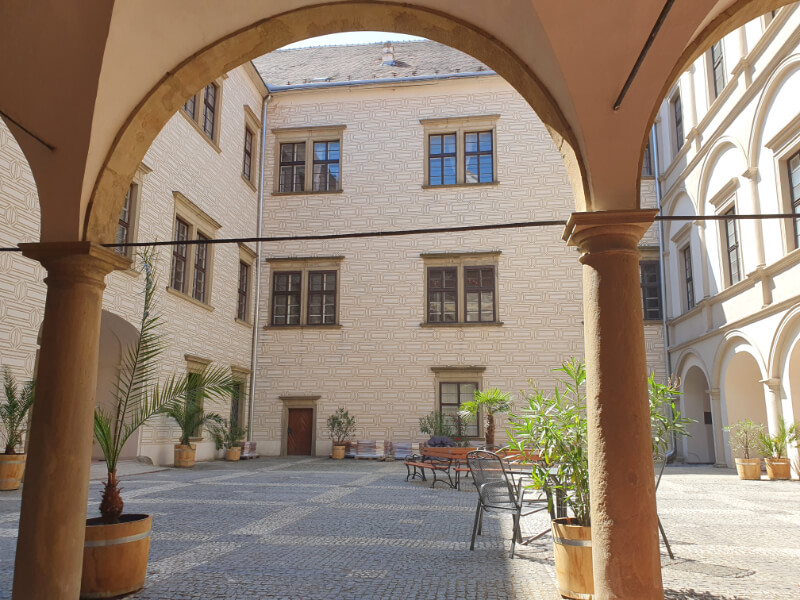
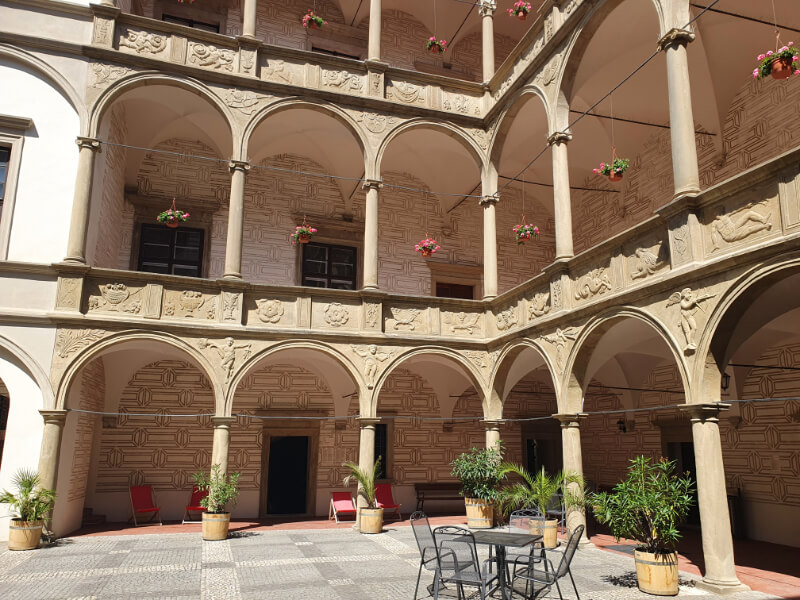
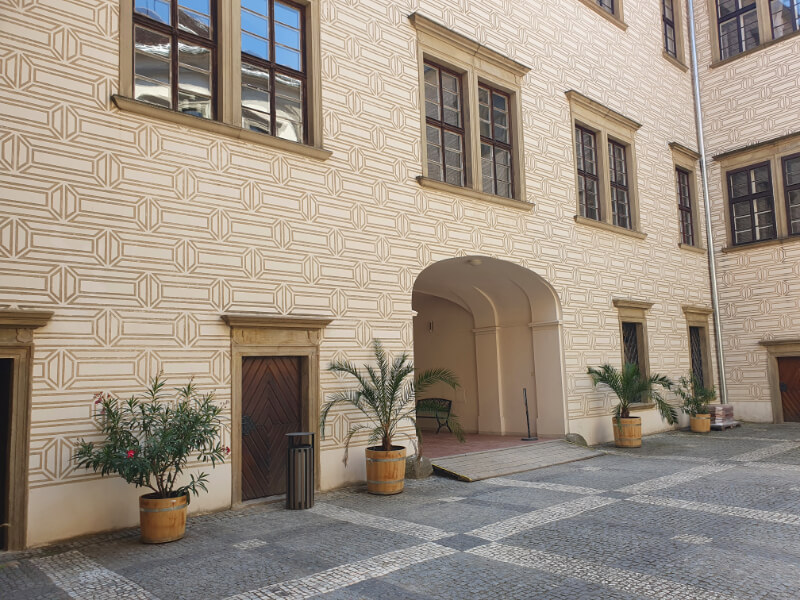
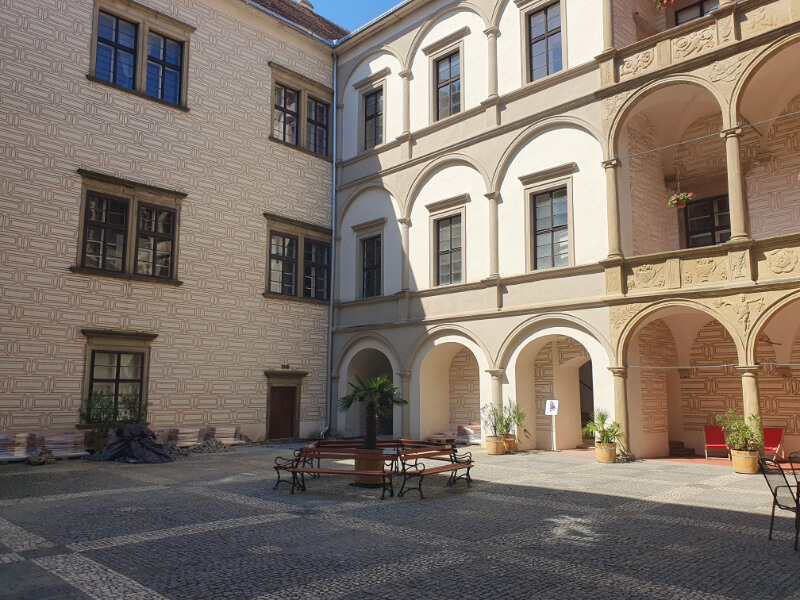
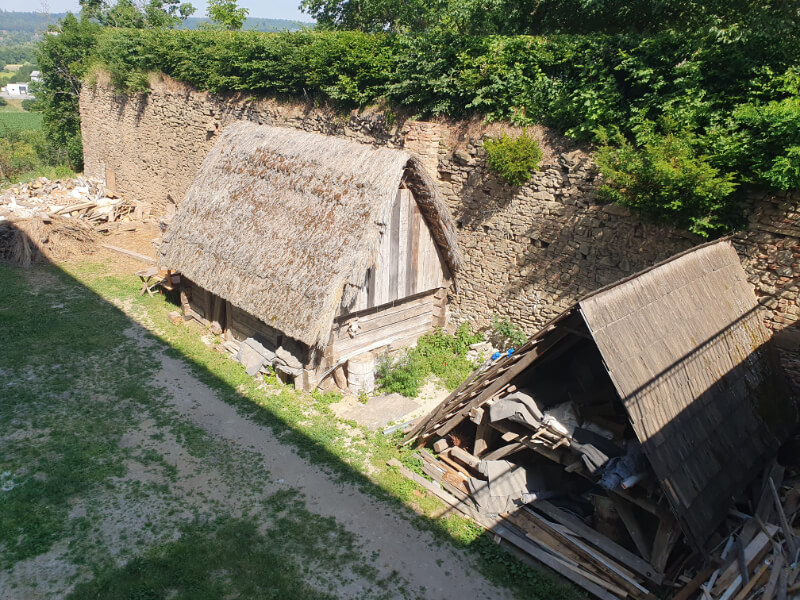
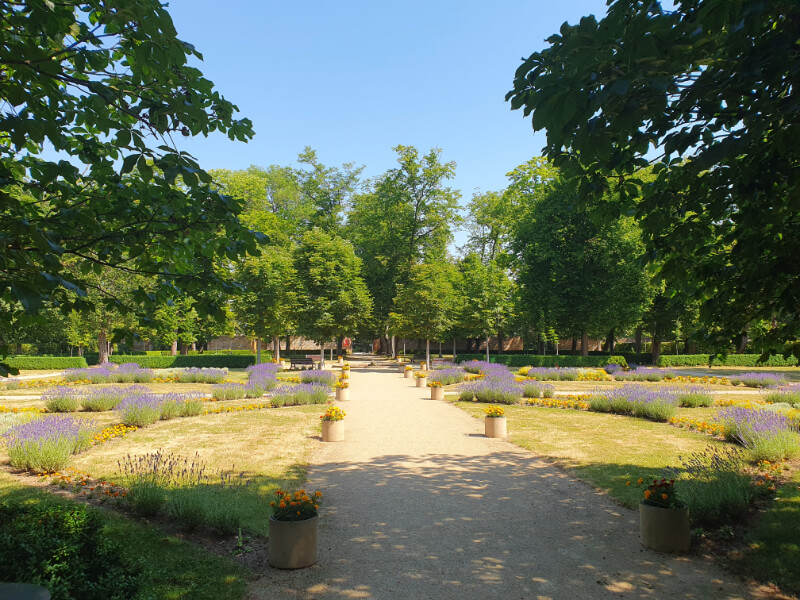
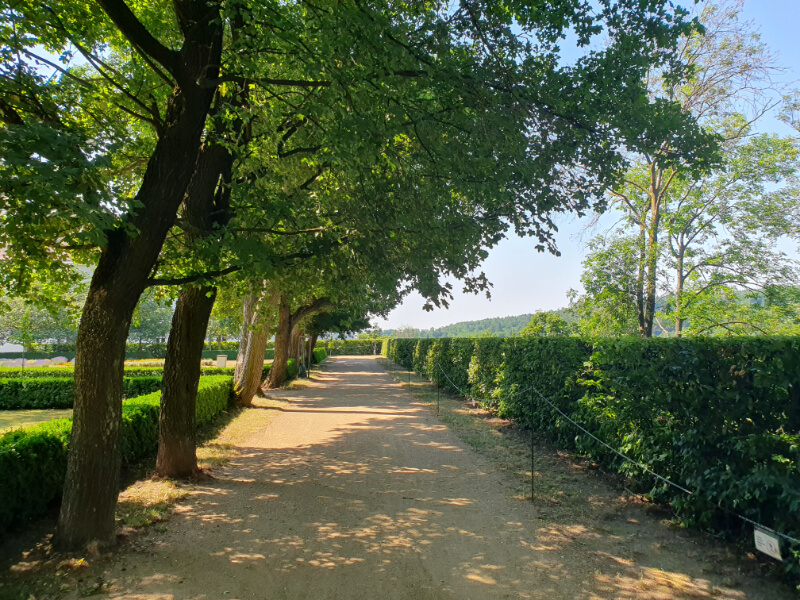
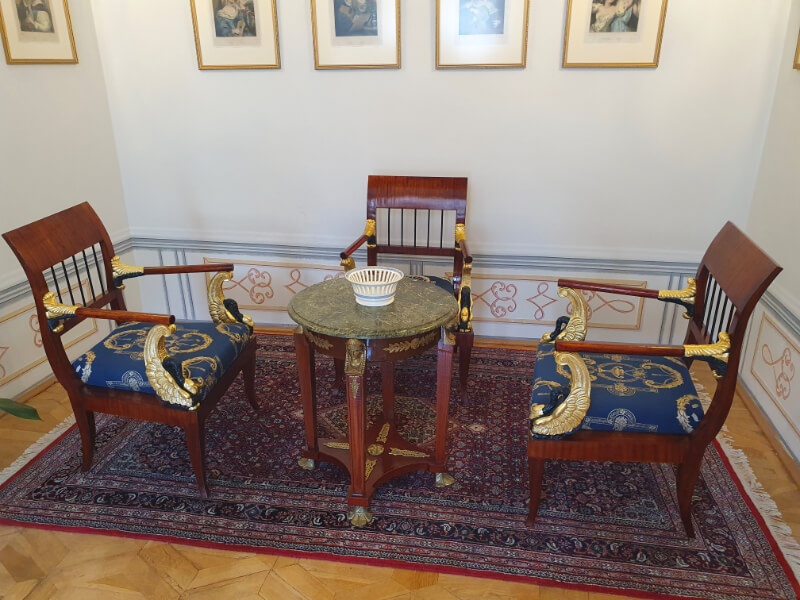
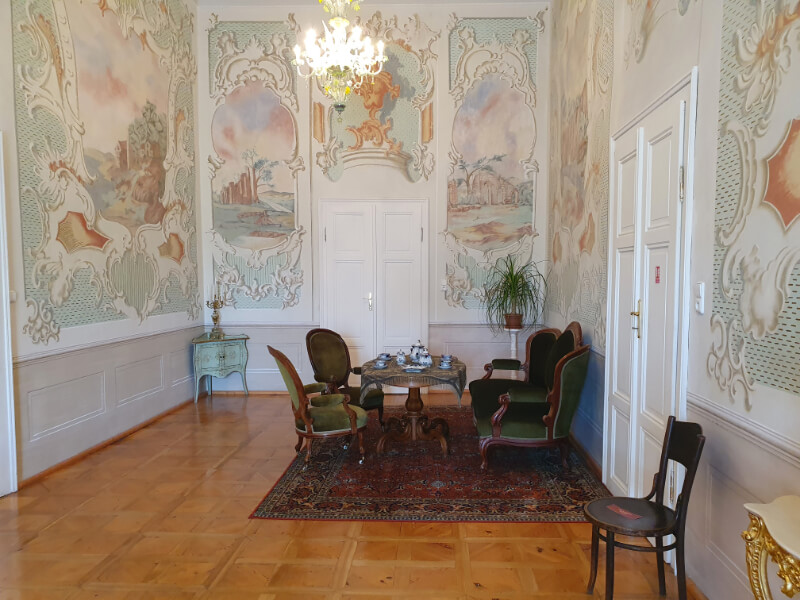
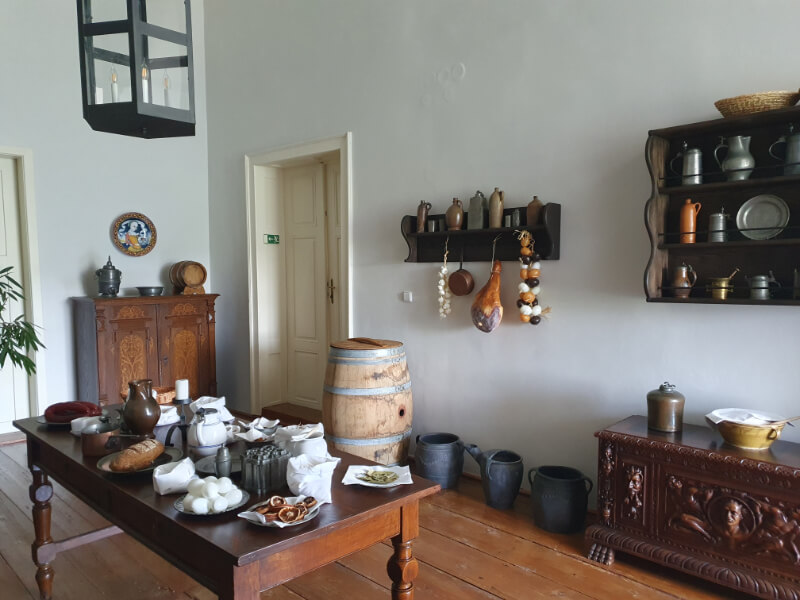
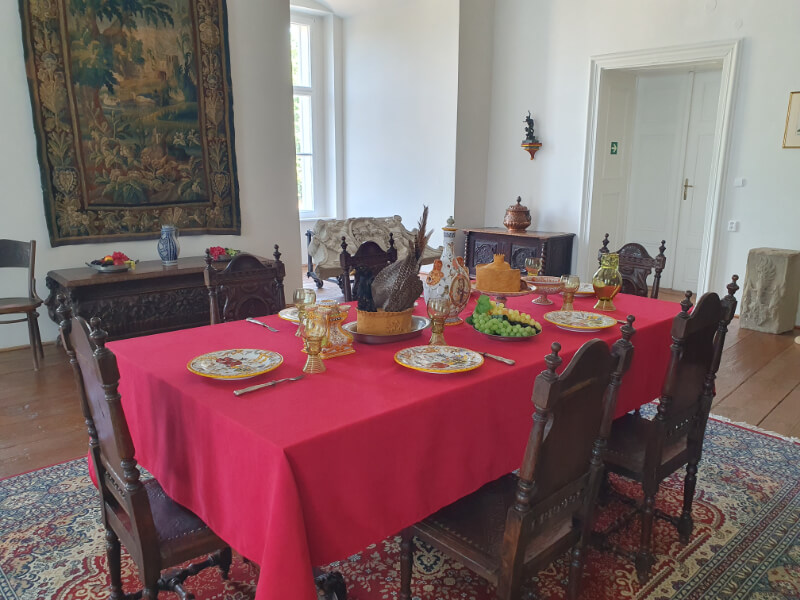
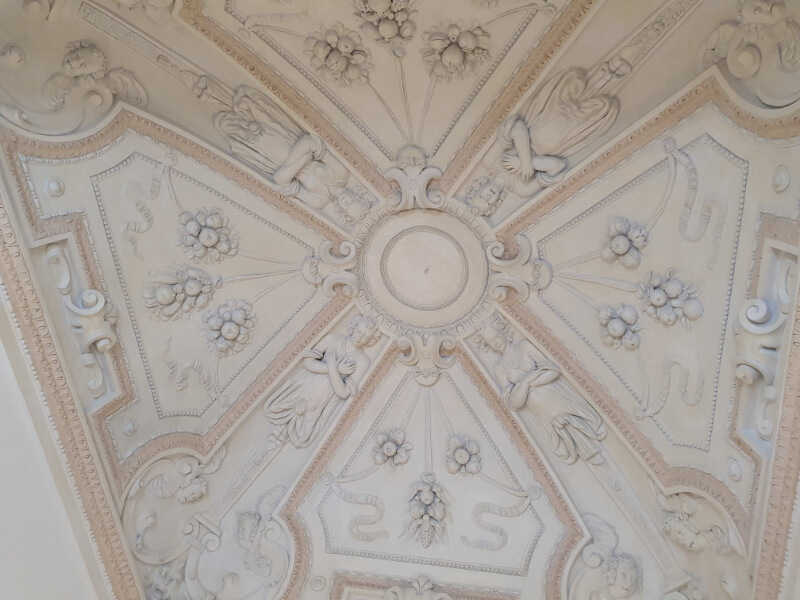
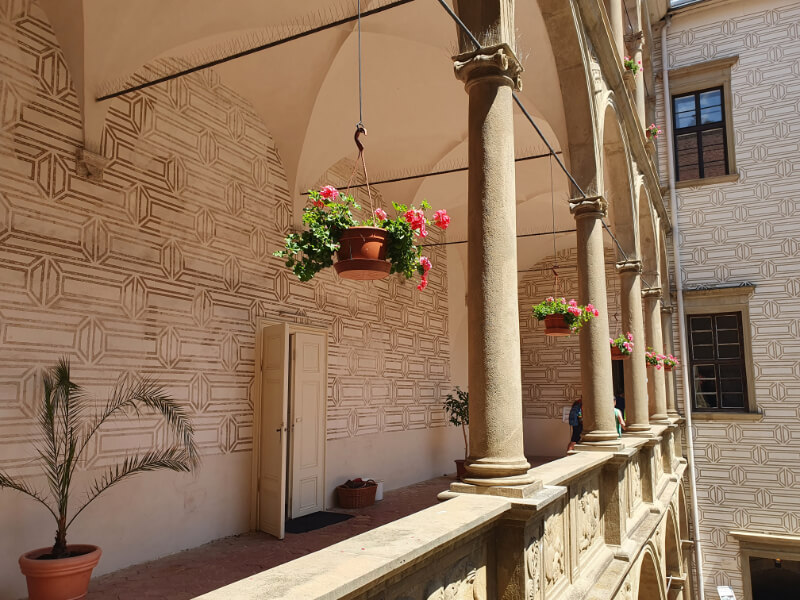
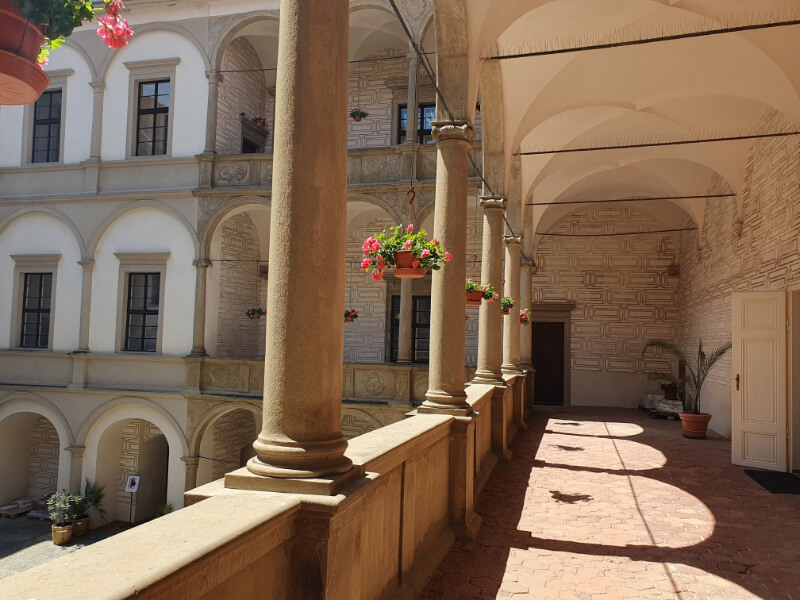
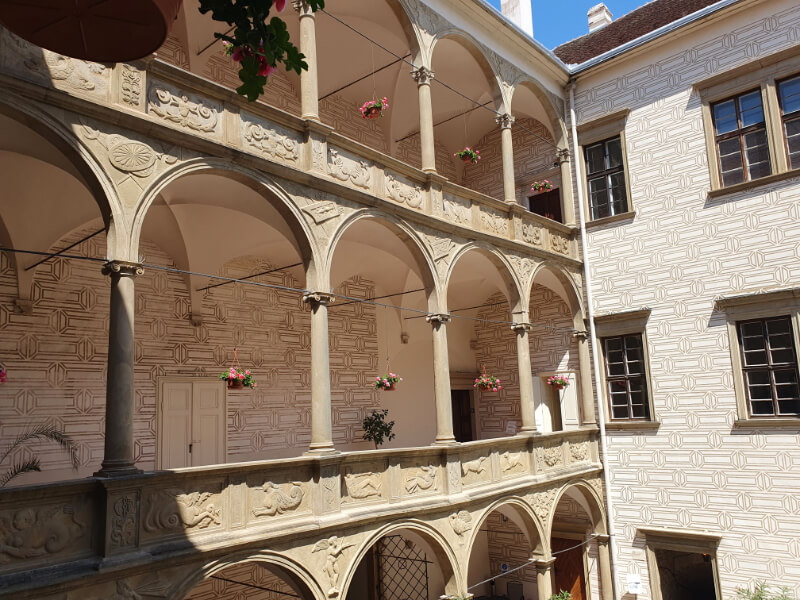
In later centuries, the castle received a Classicist facade and underwent Baroque alterations. Overall, Rosice Castle transformed from a medieval castle into an elegant noble residence, while the Baroque and Classicist periods also left their mark on it. Renaissance architecture is characterized by a symmetrical floor plan and a balanced, harmonious layout. Regular facade, richly decorated interior spaces with frescoes, coffered ceilings, stucco decorations, carved fireplaces, decorative windows and doors. Inner courtyard with loggias and arcades, open corridors and colonnades, where we can observe the column orders adopted from ancient Greek and Roman architecture. (Ionic, Doric and Corinthian)
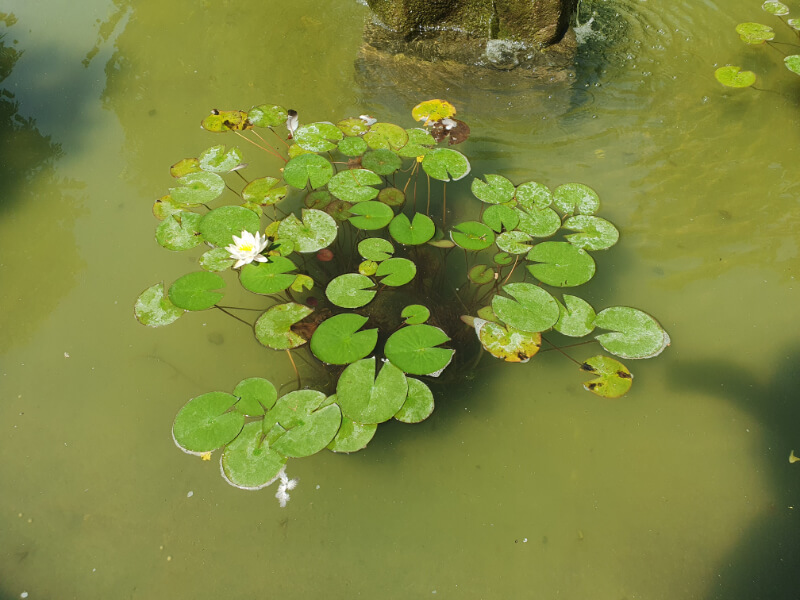
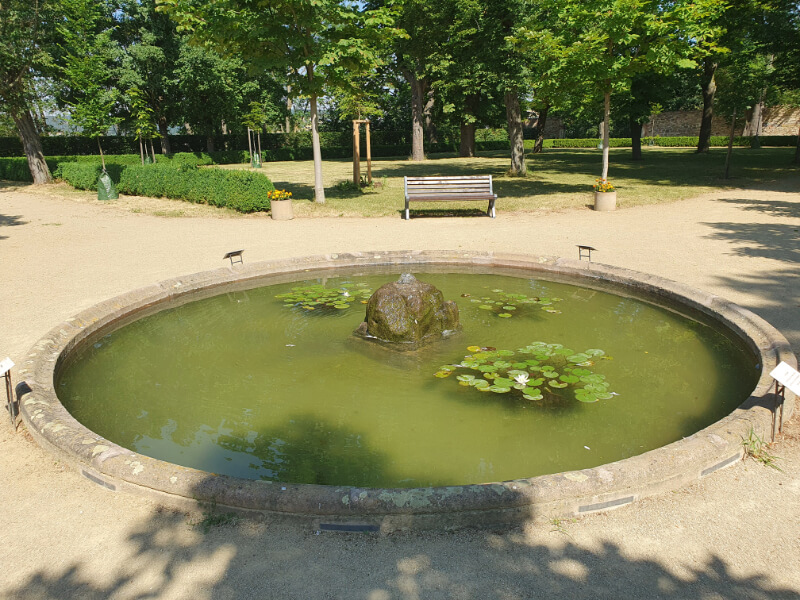
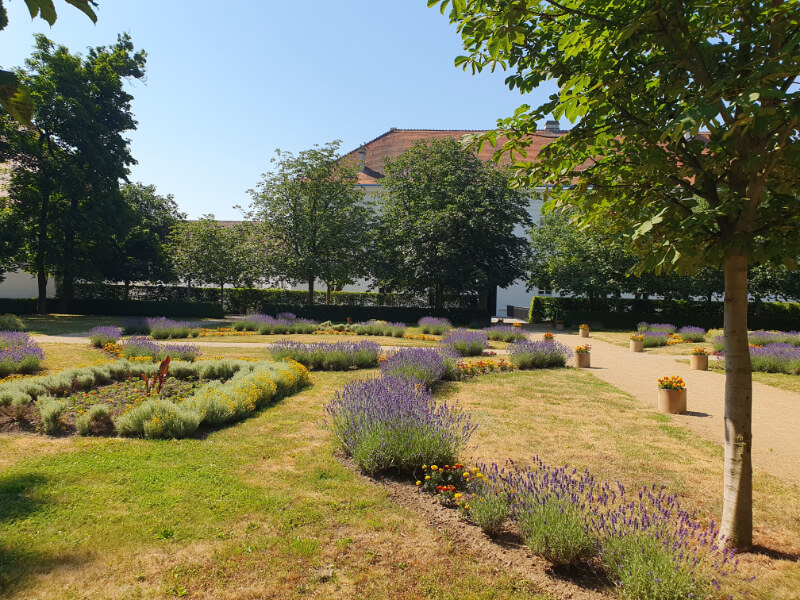
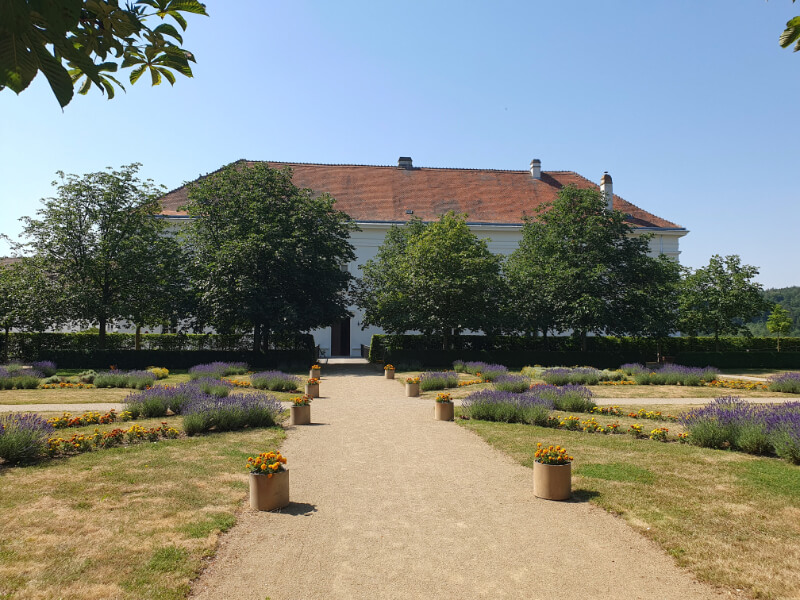
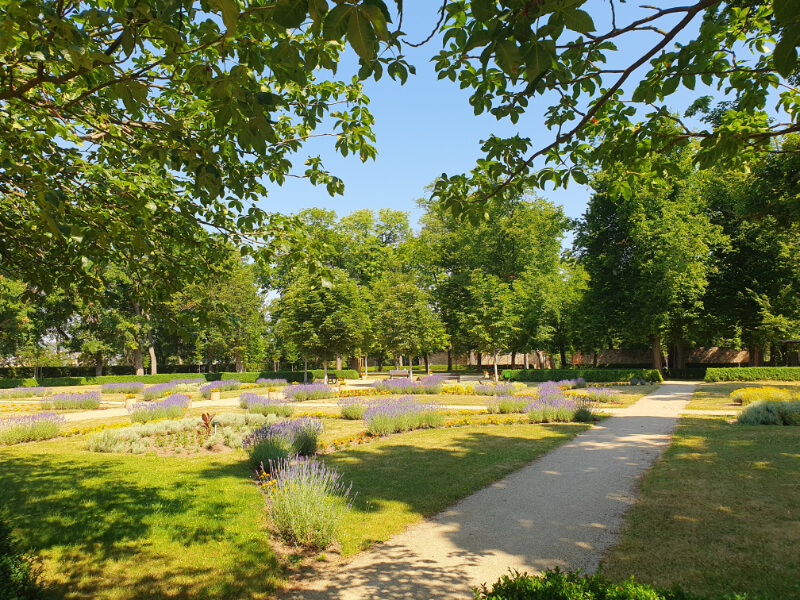
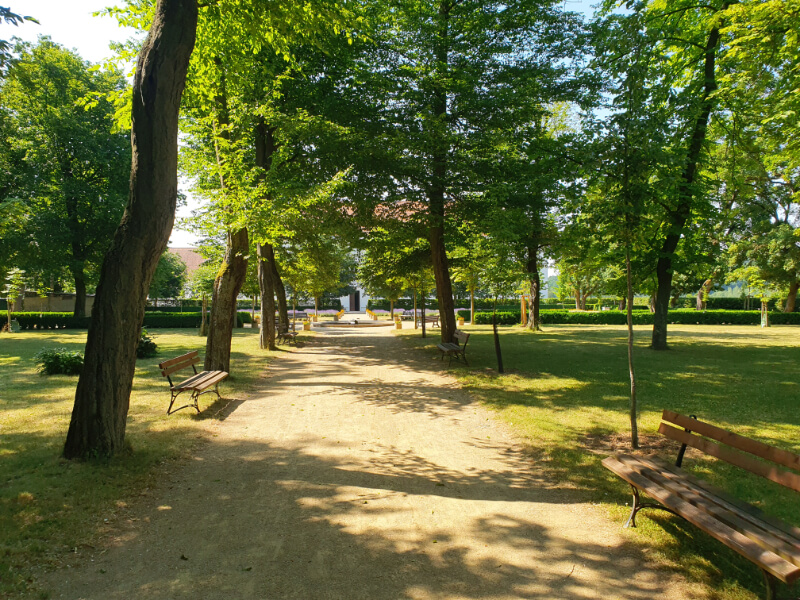
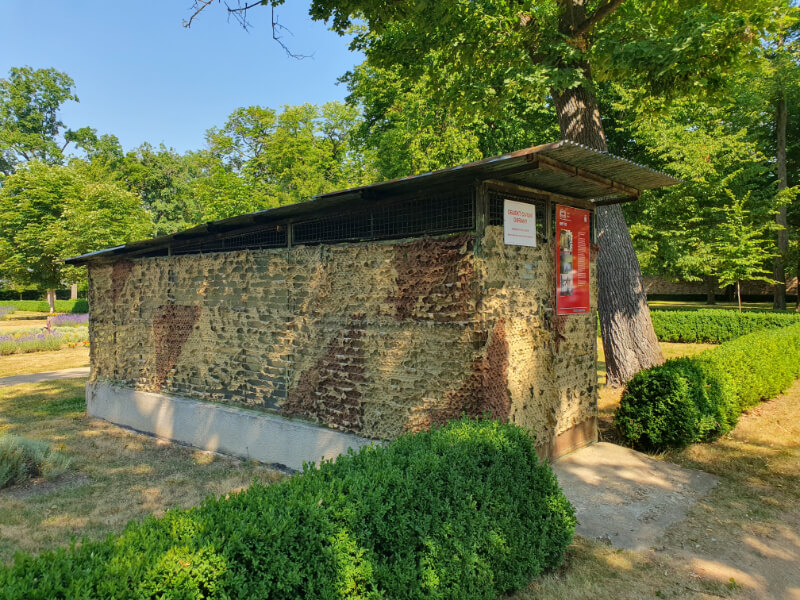
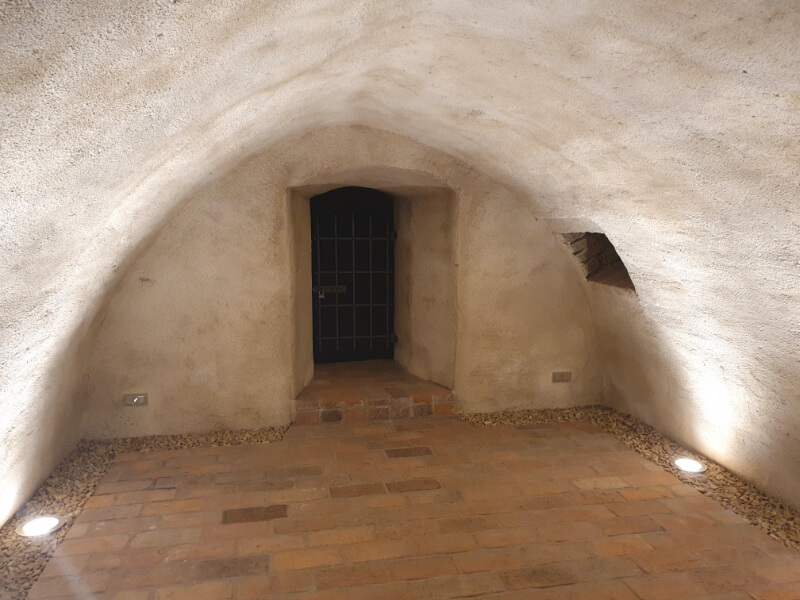
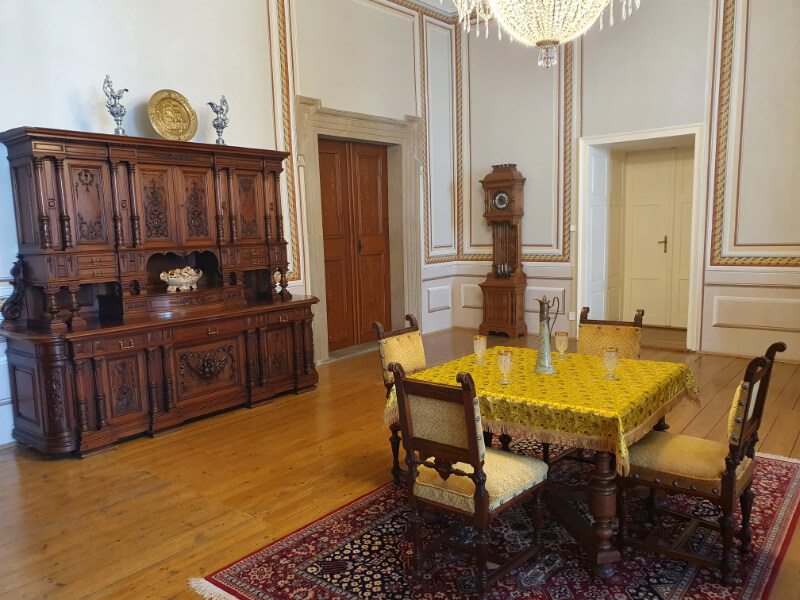
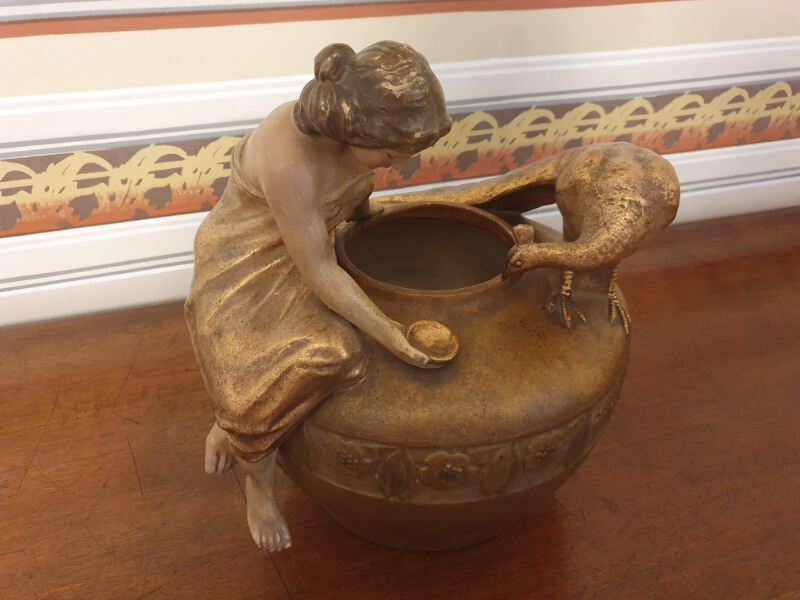
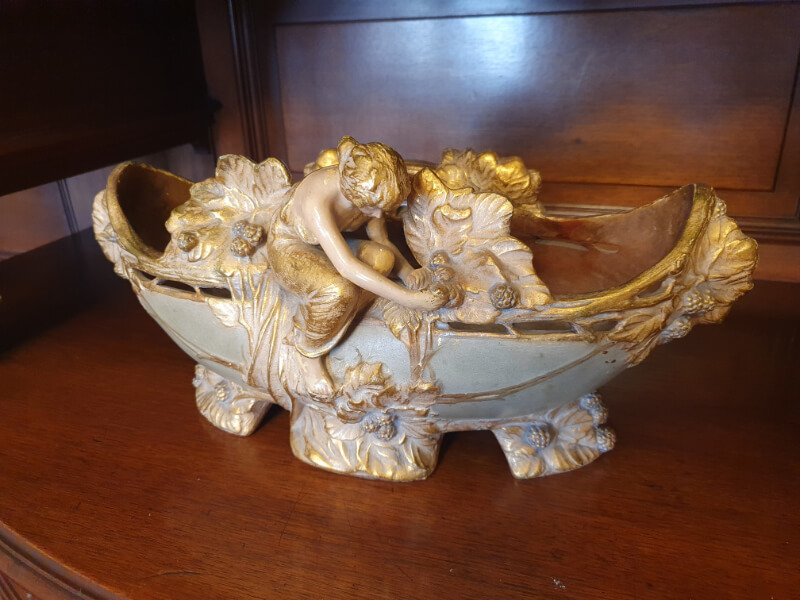
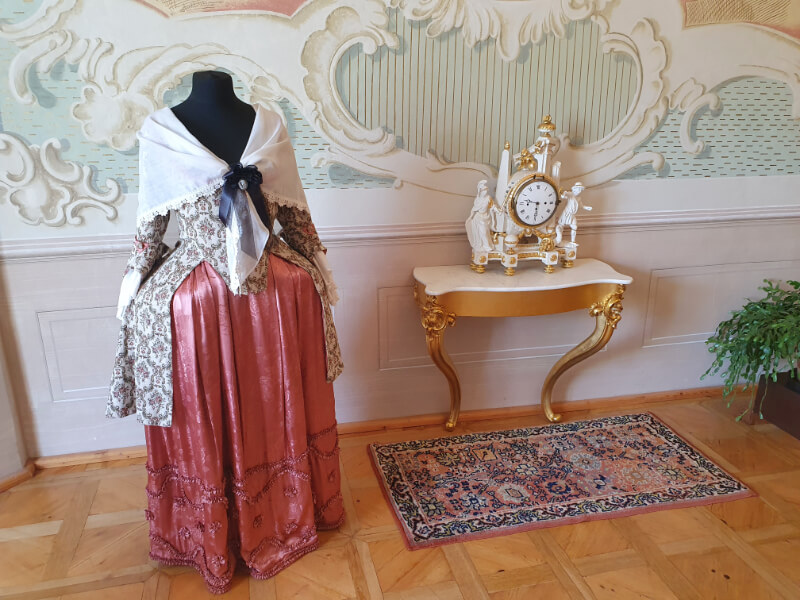
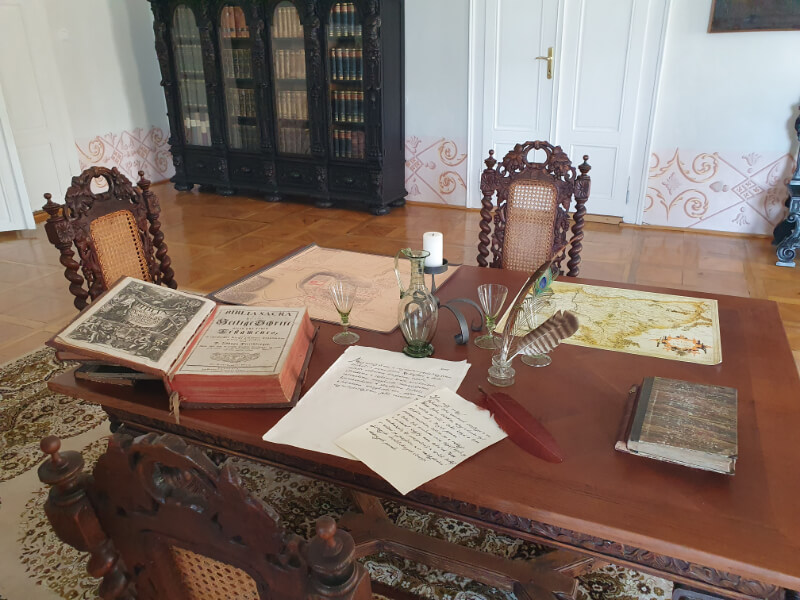
The design of the castle garden is geometric, decorated with hedges, flowers and fountains. One of the interesting things about the castle garden is that in the 1960s a shelter was built under the castle garden for the civil defense command. The castle is now a historical and tourist attraction, where guided tours are held to introduce the history of the castle and its rooms. It also hosts various cultural events, such as concerts, fairs and various community programs. Exhibitions are held in its rooms. It is an important event venue, where weddings, lectures and seminars are also held.
“Beauty results from the harmony of all the parts.”
– Leon Battista Alberti