
An old wine-producing town
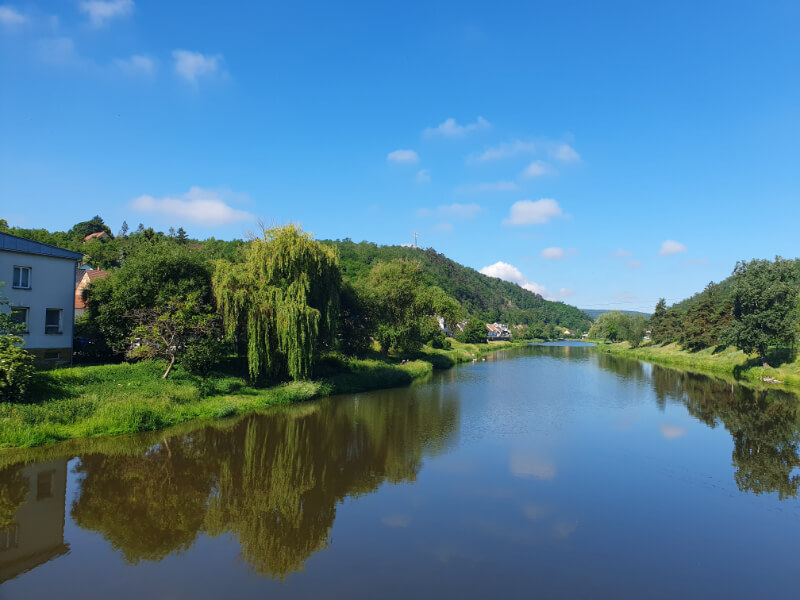
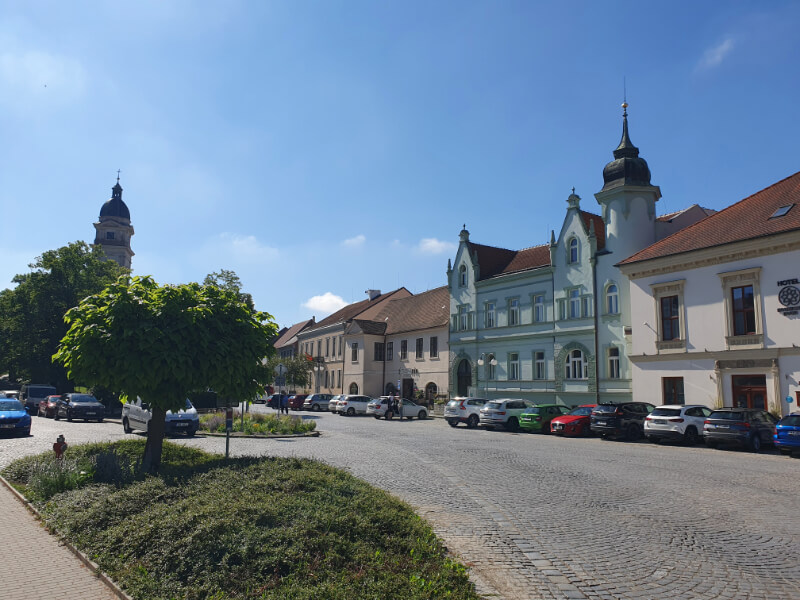
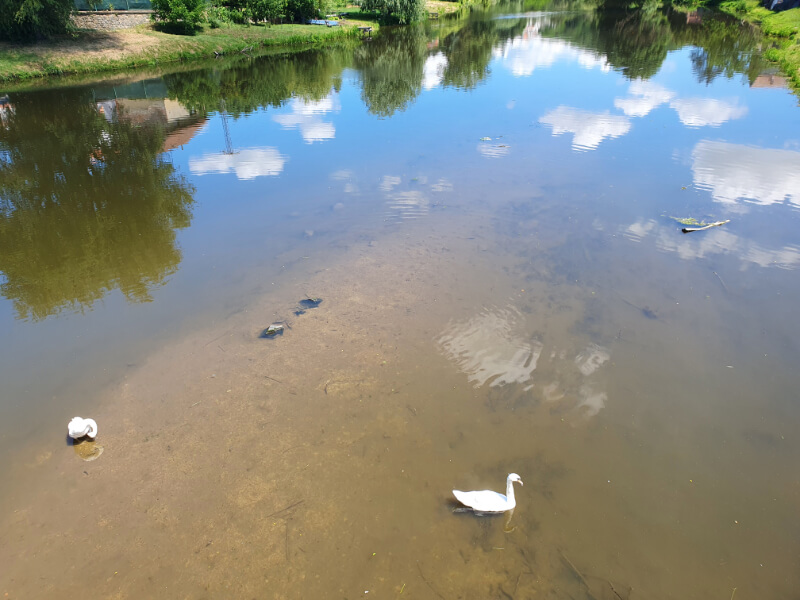
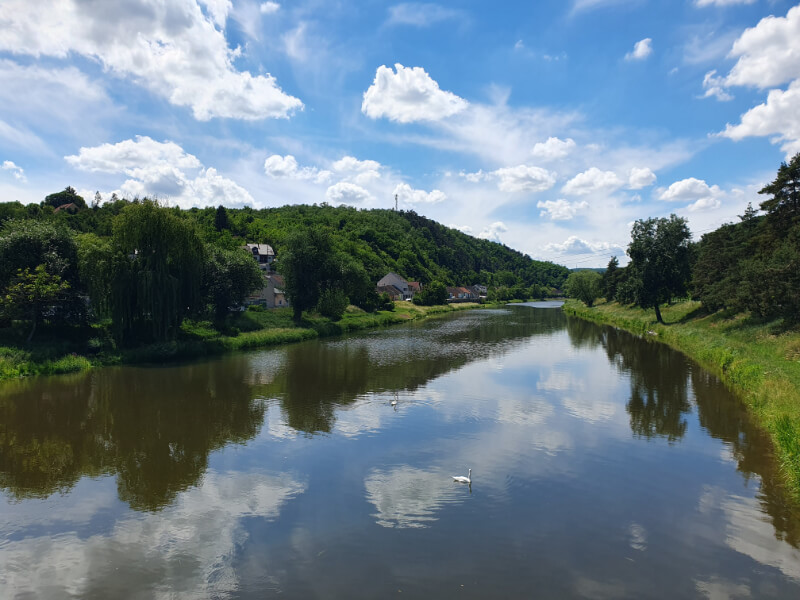
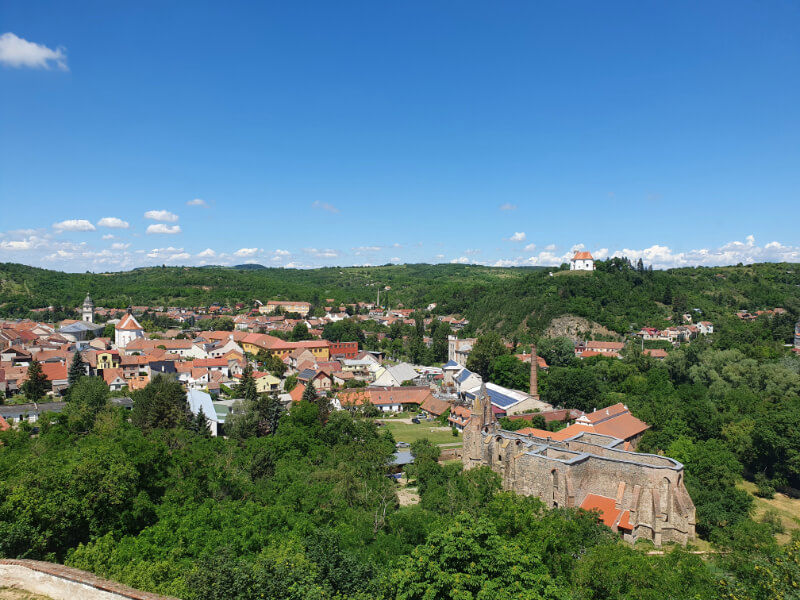
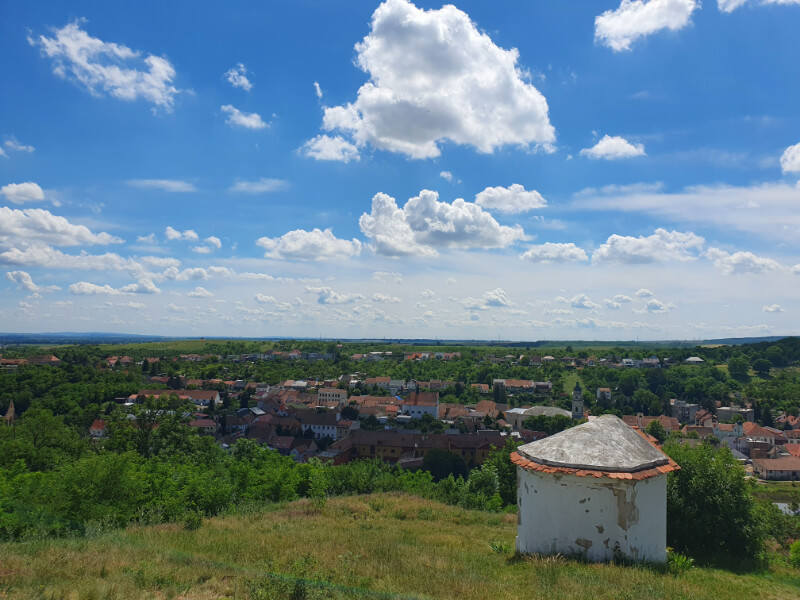
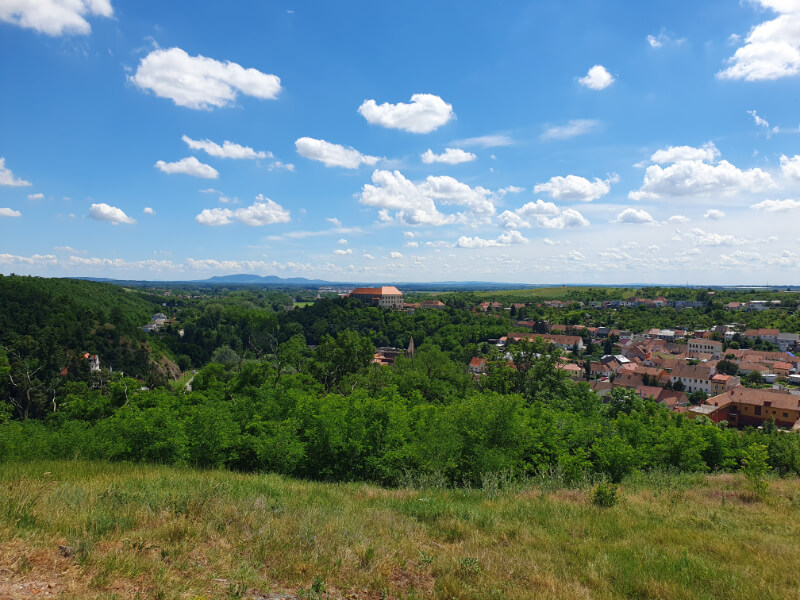
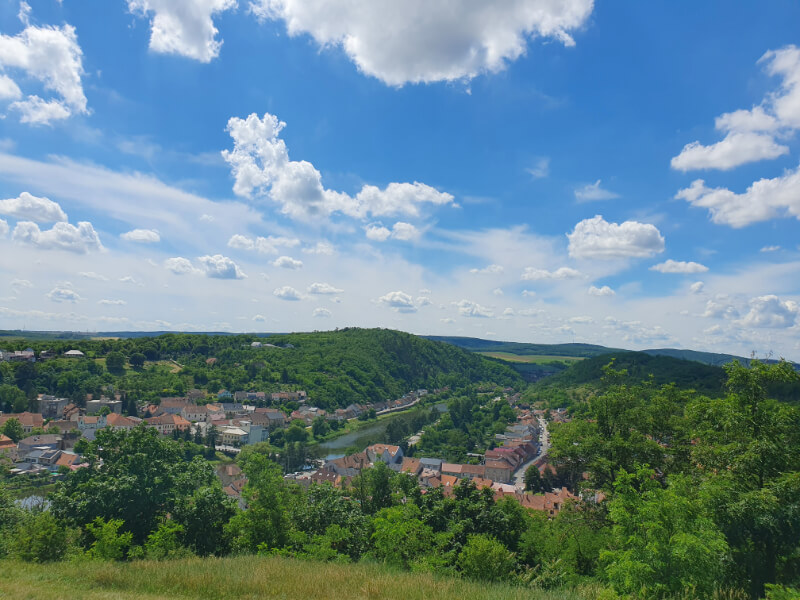
Dolní Kounice is located in the Brno-Venkov District and 12 kilometers (~7.5 miles) southwest of Brno in the South Moravian region. Its population is only 2,600. The town is located in the Jihlava Valley, with its center located next to the river. The Jihlava River divides it into two parts: on the right bank into Město and on the left bank into Závodí. The town is known for its vineyards and fruit orchards. It is still famous for its winemaking traditions today and is one of the well-known centers of the South Moravian wine region due to the surrounding vineyards. The most famous are their red wines such as Frankovka (Blaufränkisch) and Modrý Portugal.
Rosa Coeli Monastery
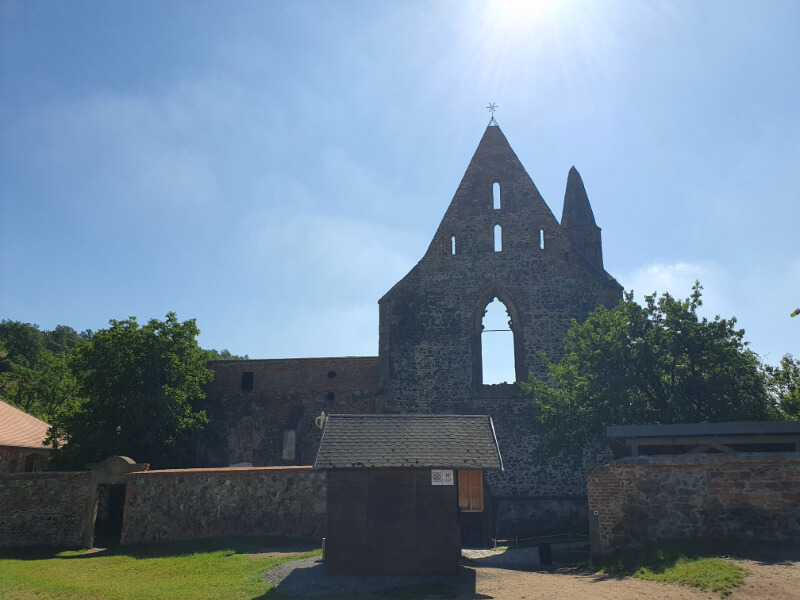
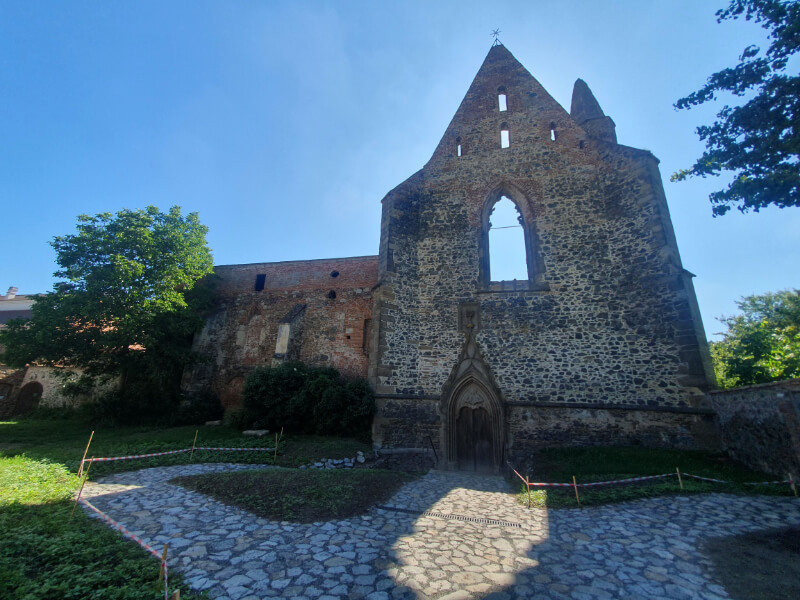
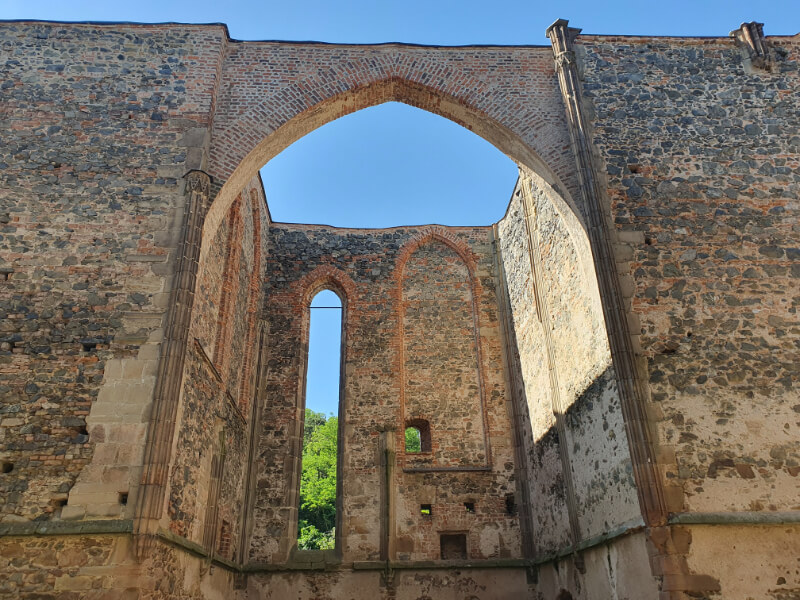
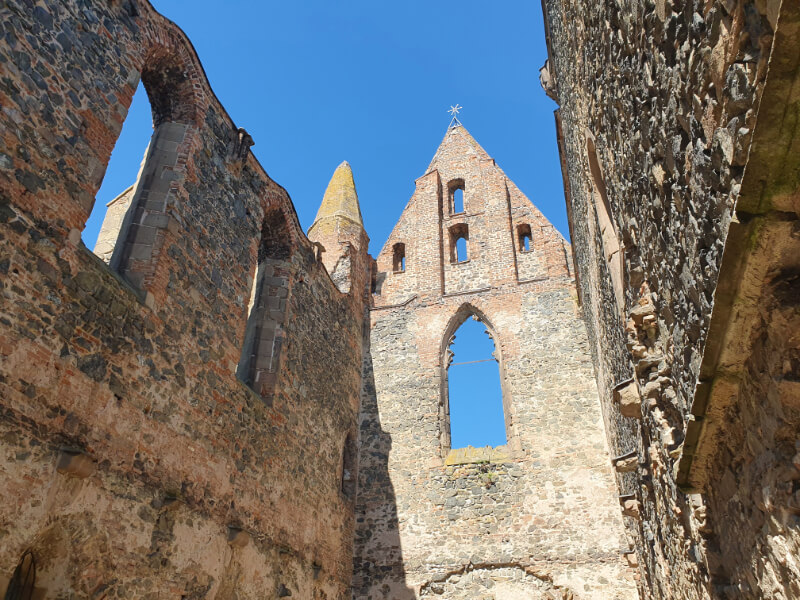
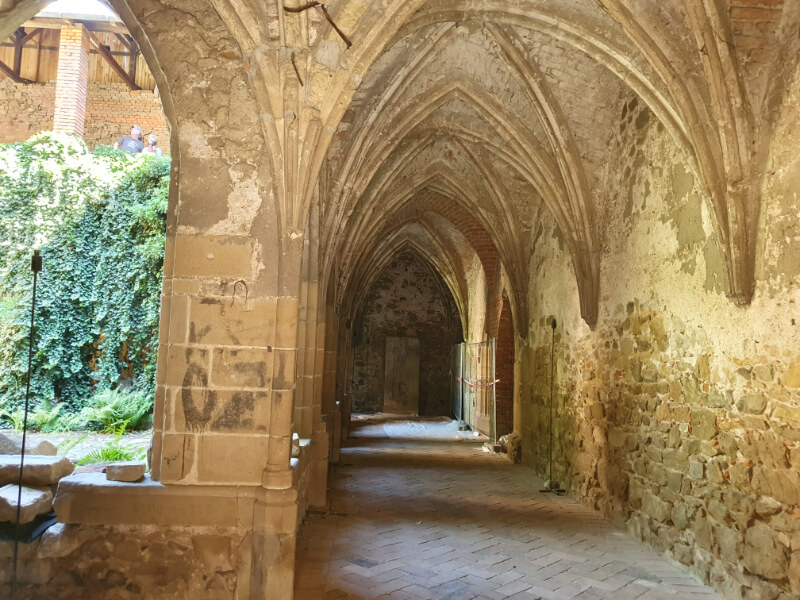
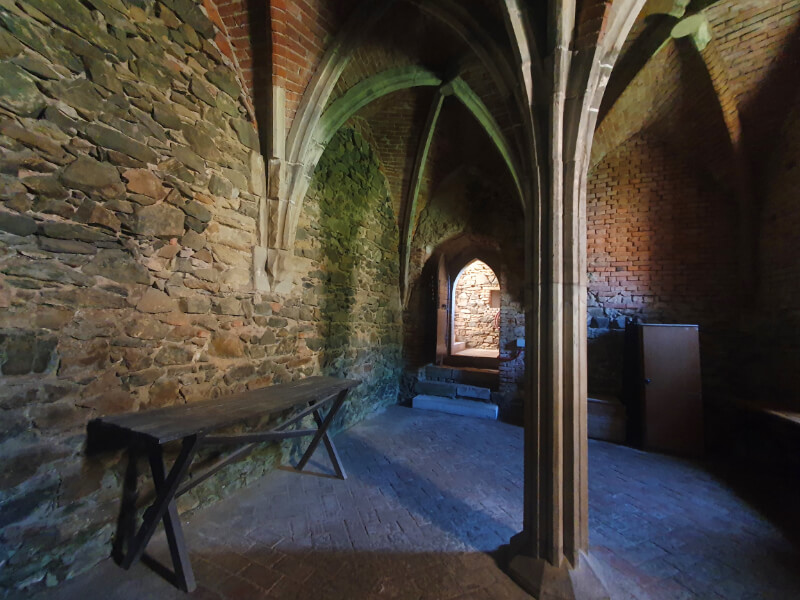
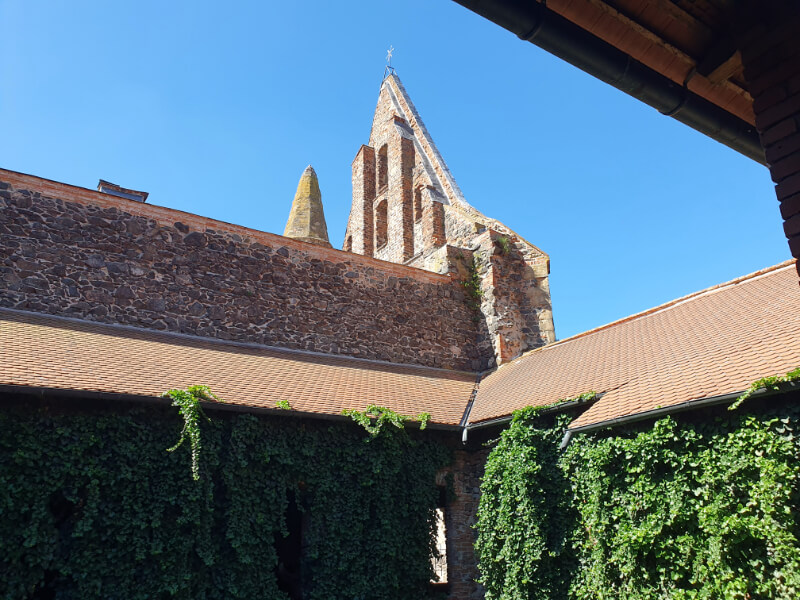
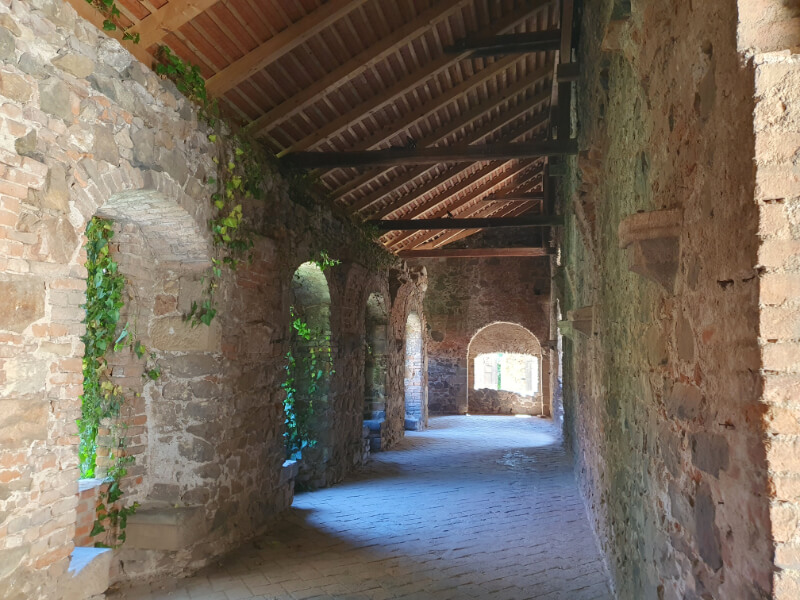
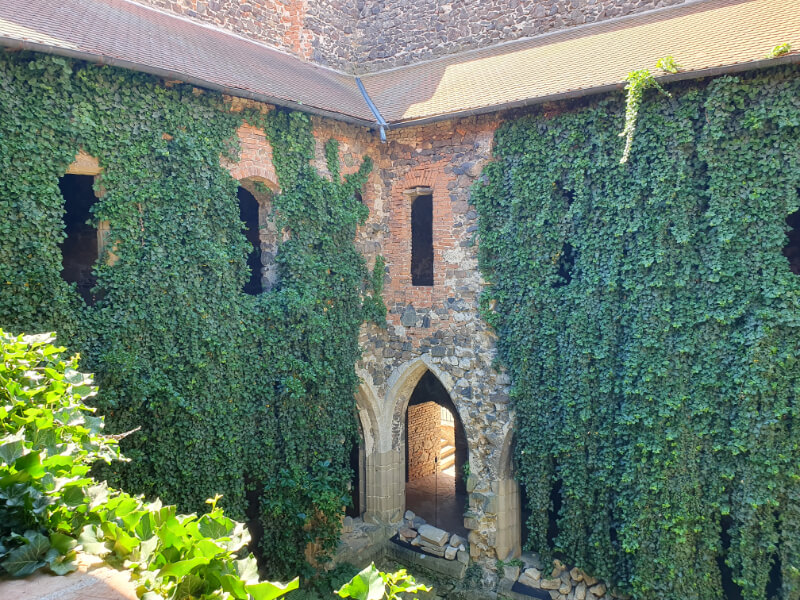
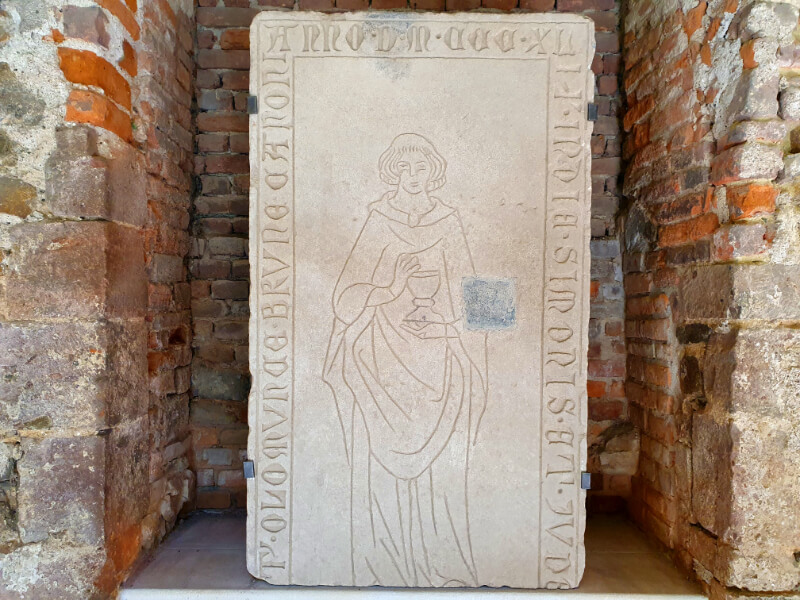
The area may have been inhabited since prehistoric times. This is evidenced by the remains of settlements associated with the Věteřov culture, which date back to 1500 BC. In the 12th century, the oldest female monastery in Moravia, the Rosa Coeli (“Rose of Heaven”) Premontre nunnery, was founded here. The monastery was dedicated to the Virgin Mary from its beginnings. It was originally built in the Romanesque style, but was transformed into a significant Gothic monastery in the 14th century.
From the old Gothic castle to the Renaissance chateau
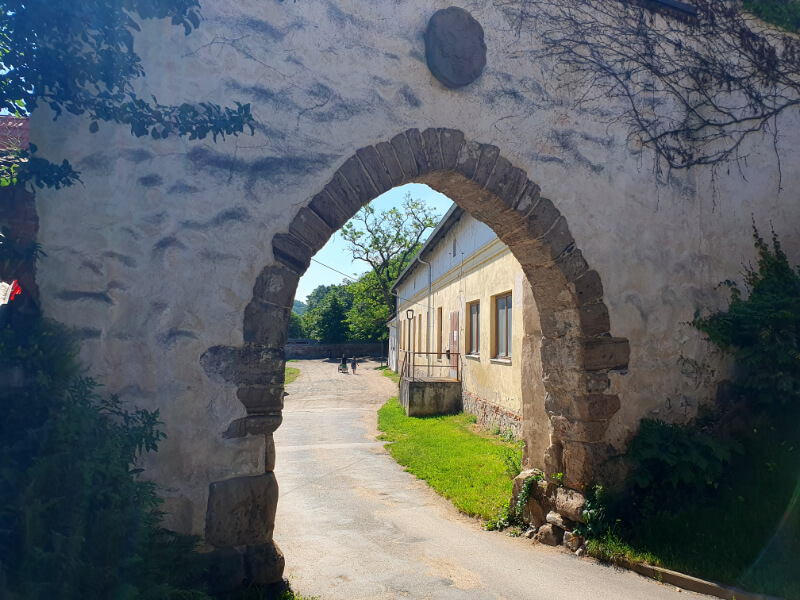
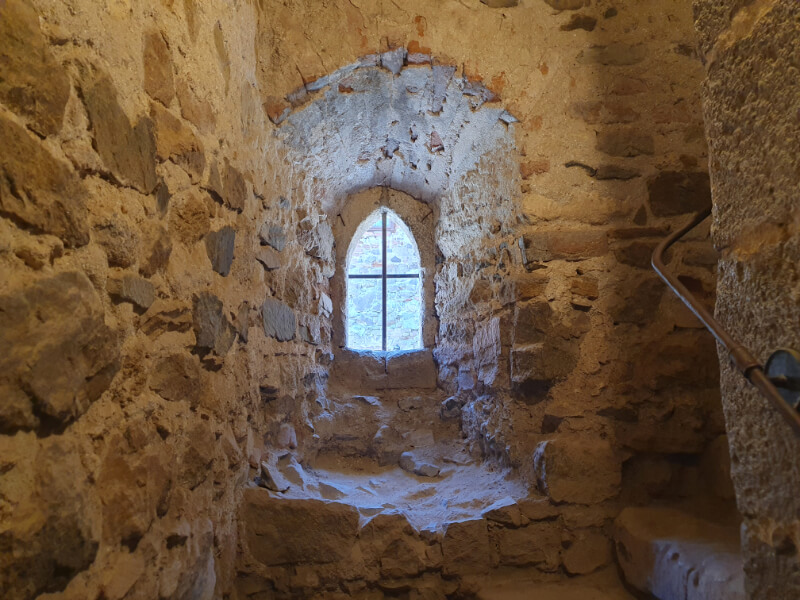
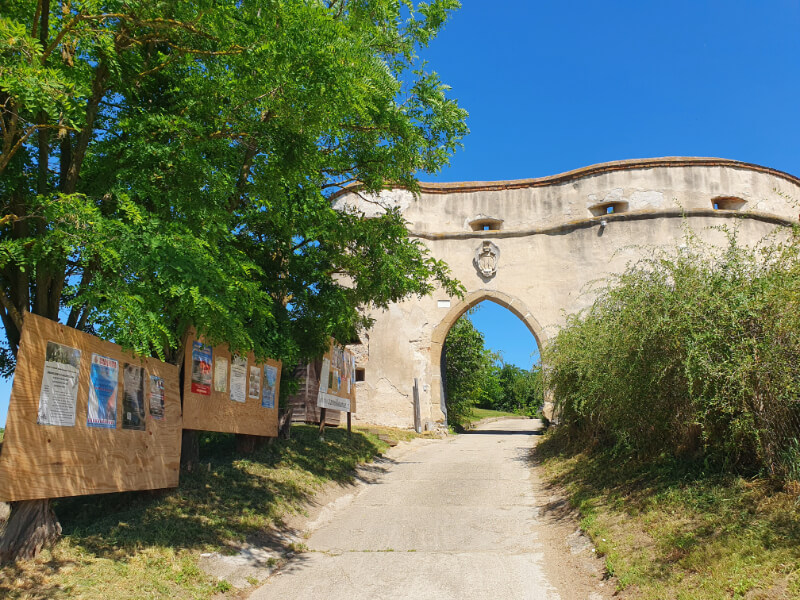
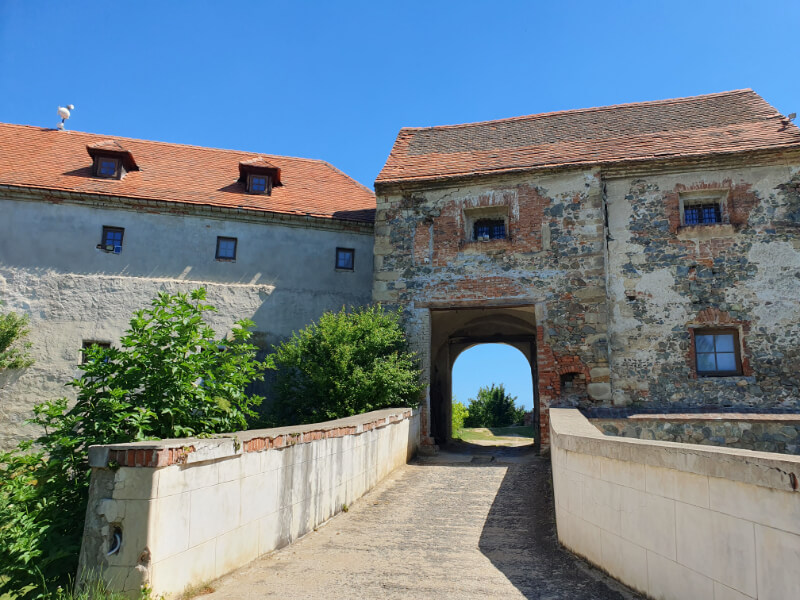
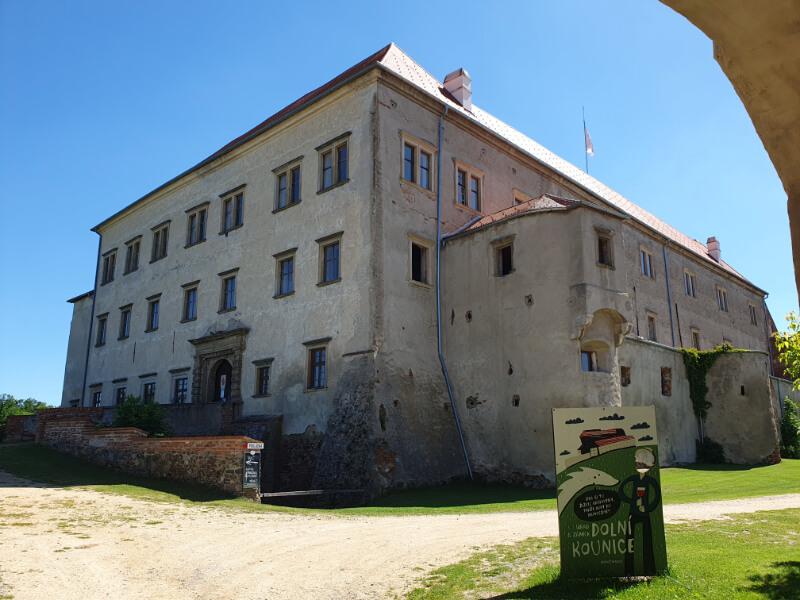
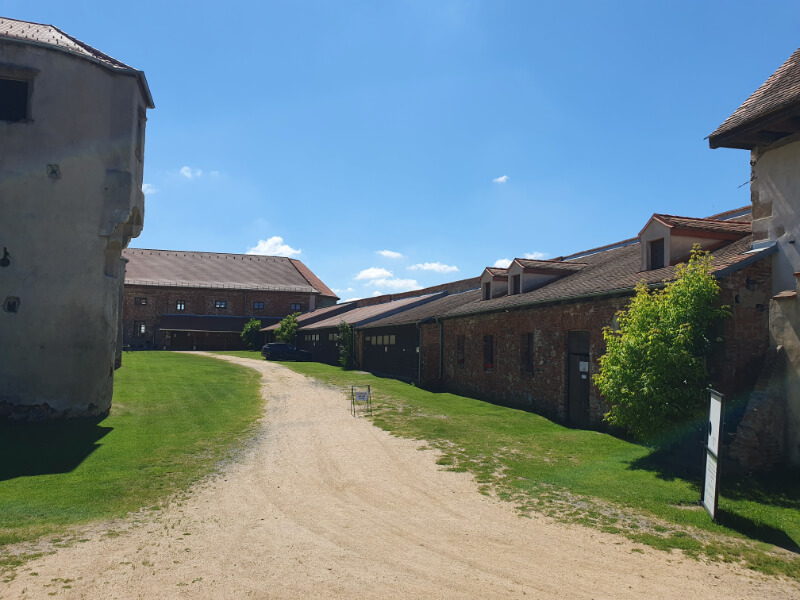
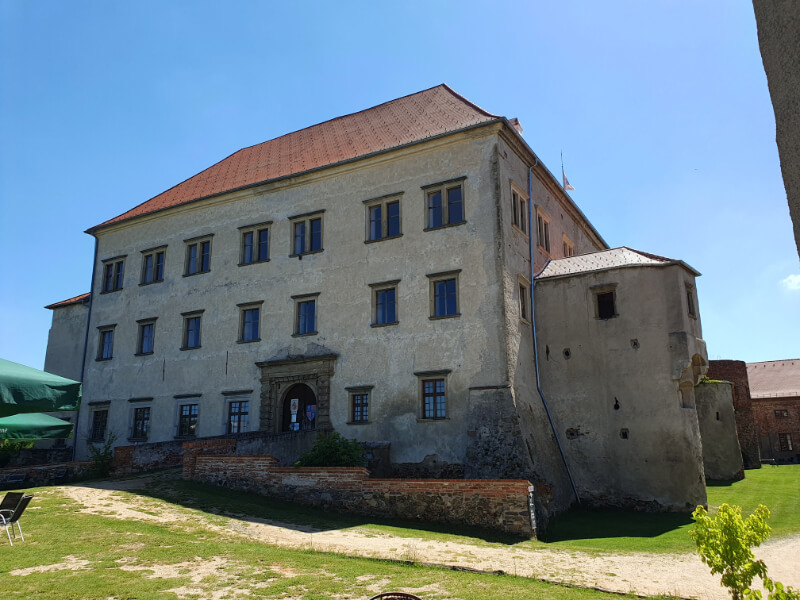
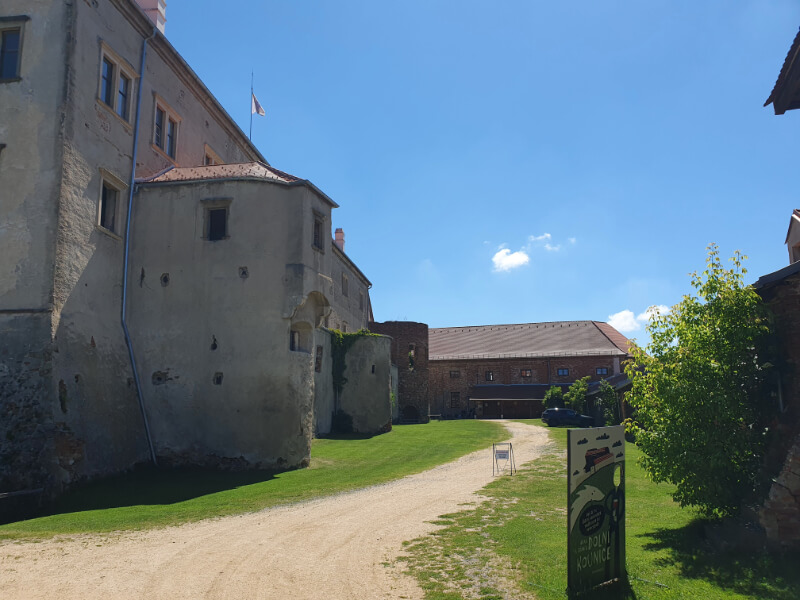
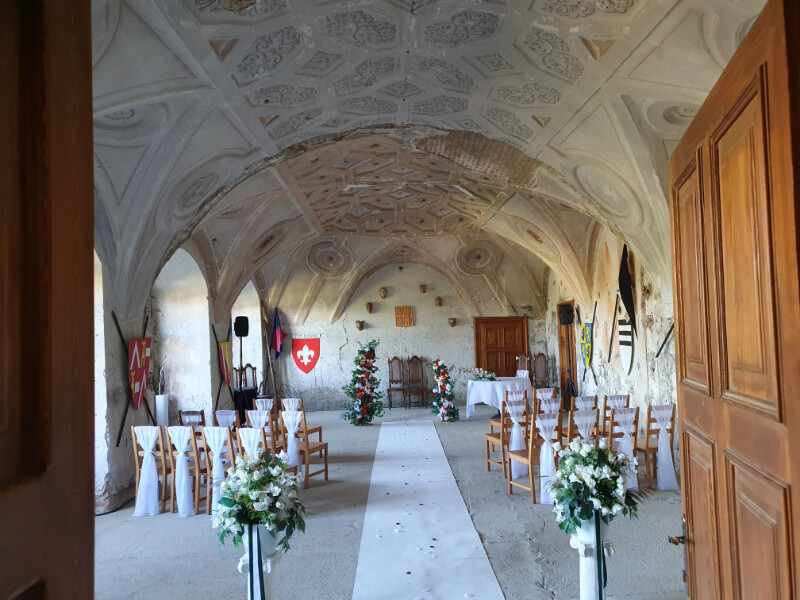
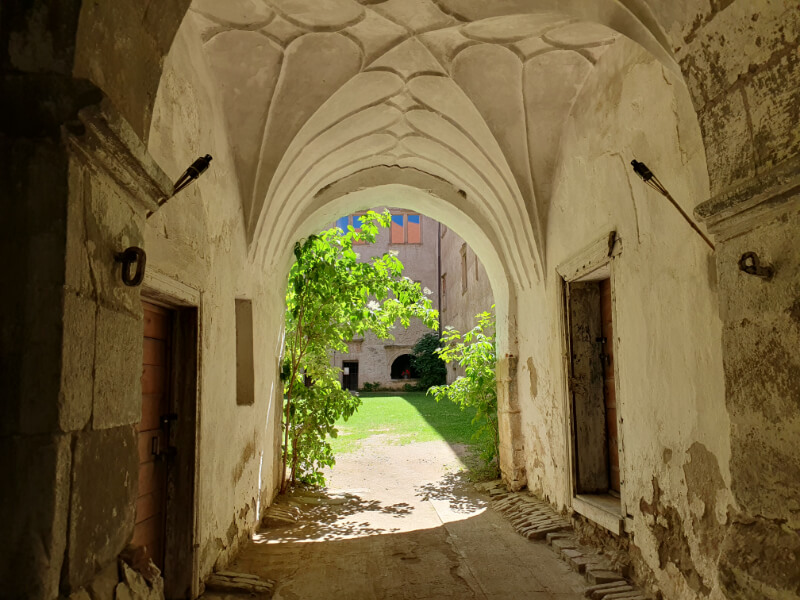
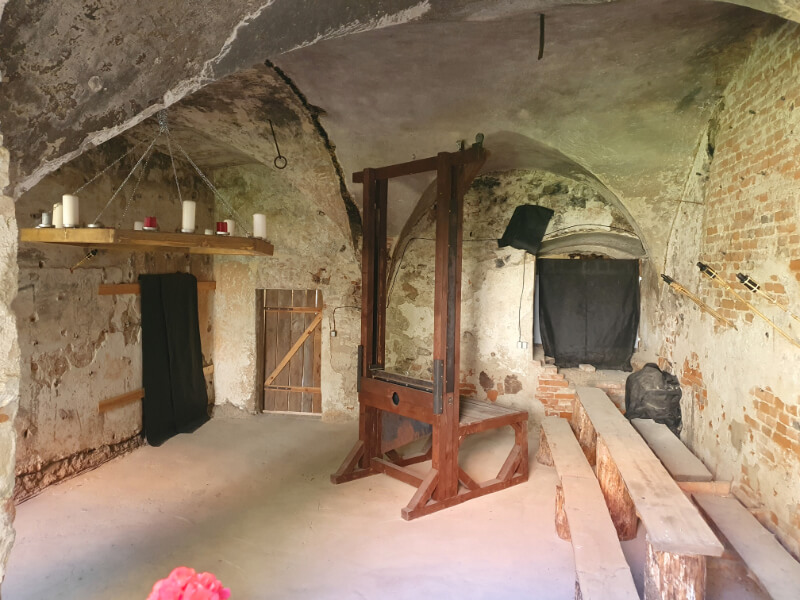
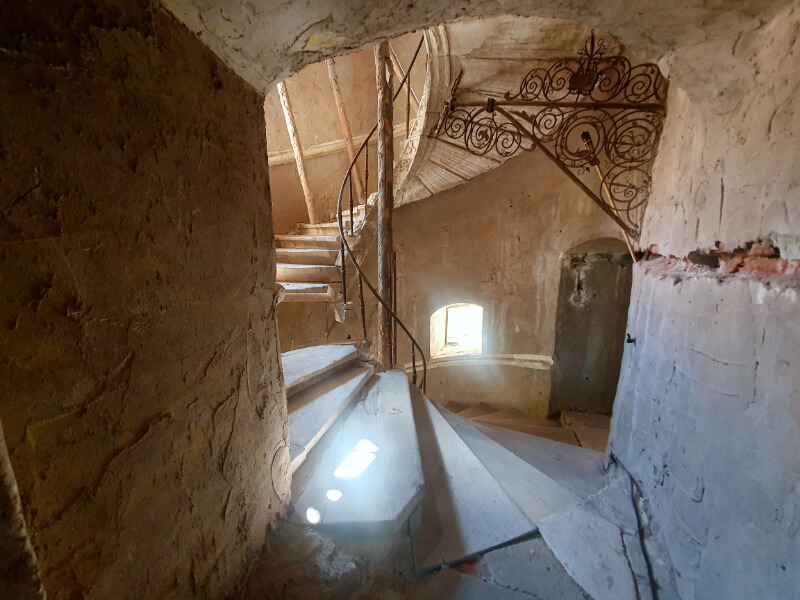
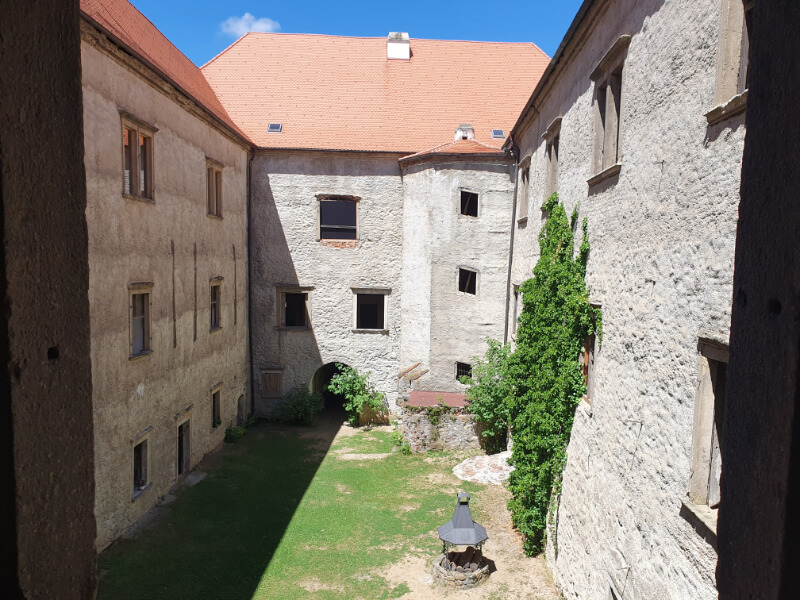
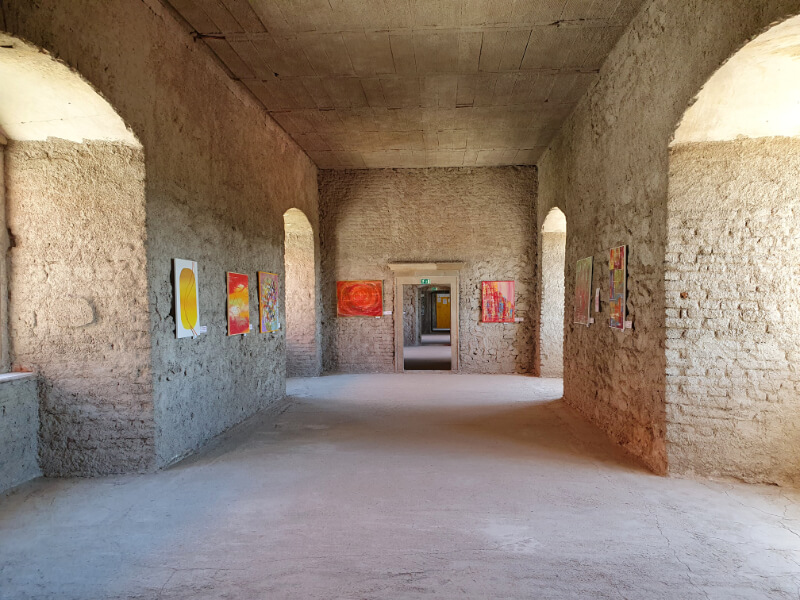
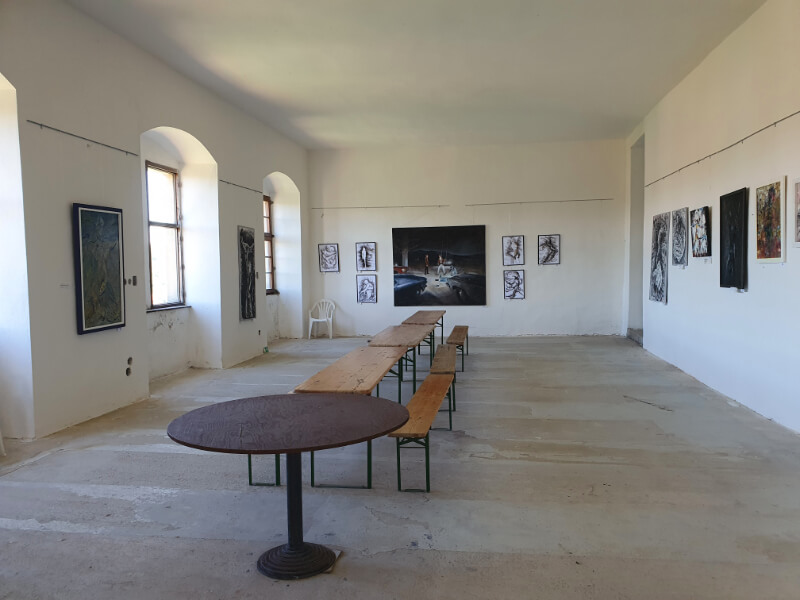
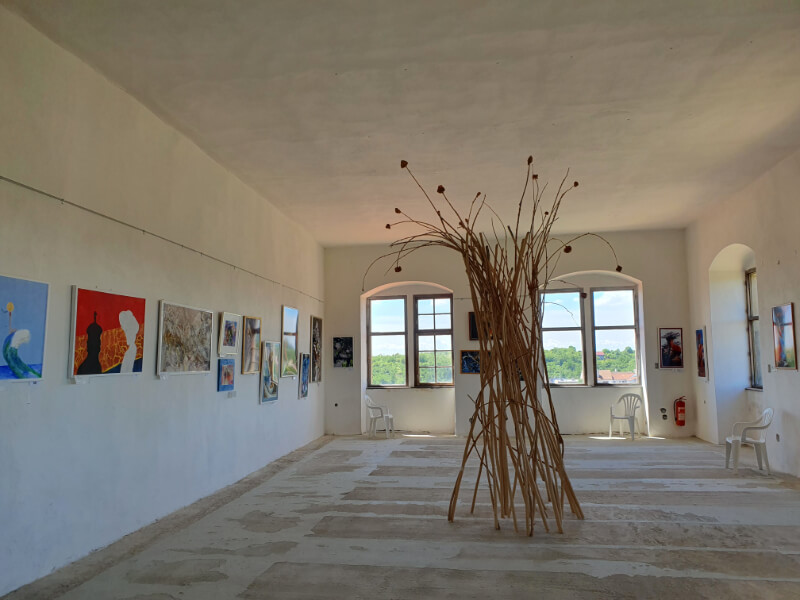
Around the 13th and 14th centuries, an Italian “castello”-style Gothic castle was built on a hill rising above the Jihlava River, which became one of the most important symbols of the city. The castle was built in a strategic location. Due to its thick walls, moats, gates and drawbridges, it was considered almost impregnable in its time. With the dissolution of the monastery in the 16th century, the castle became the property of the nobility. The ruins of the monastery are still an important historical monument today. The castle was then transformed into a Renaissance chateau at the end of the 16th century. The Limberki Žabka family modernized the living quarters, although the character of the castle was largely preserved. Later, it came into the possession of the Dietrichstein family, who enriched the interior with Baroque style. The castle is unique in that it is one of the oldest surviving monastic castles in the Czech Republic, combining Gothic, Renaissance and Baroque architectural features. Today, the castle is not only a historical monument, but also a venue for cultural events and important tourist programs.
Dolní Kounice Synagogue
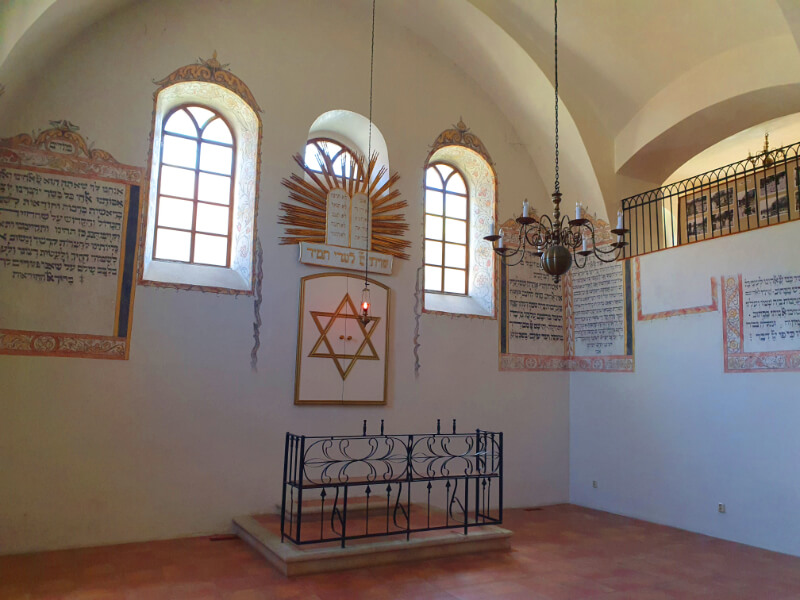
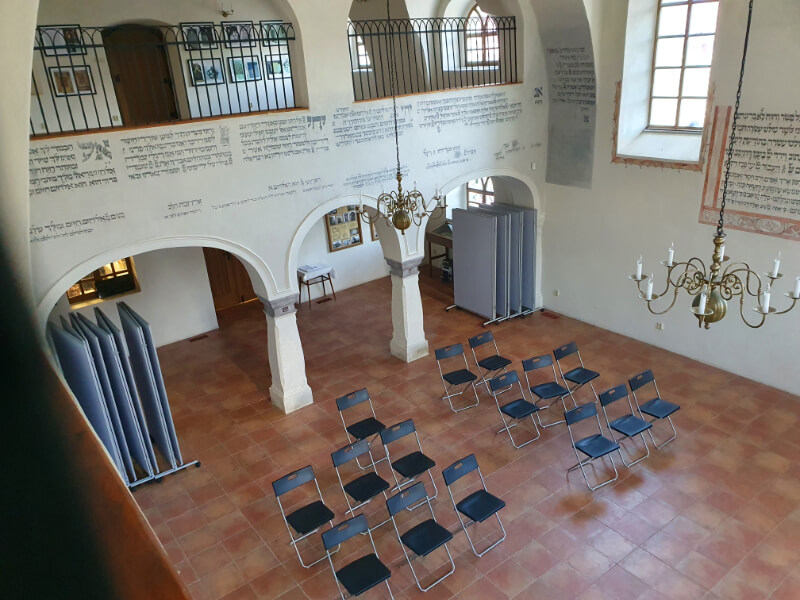
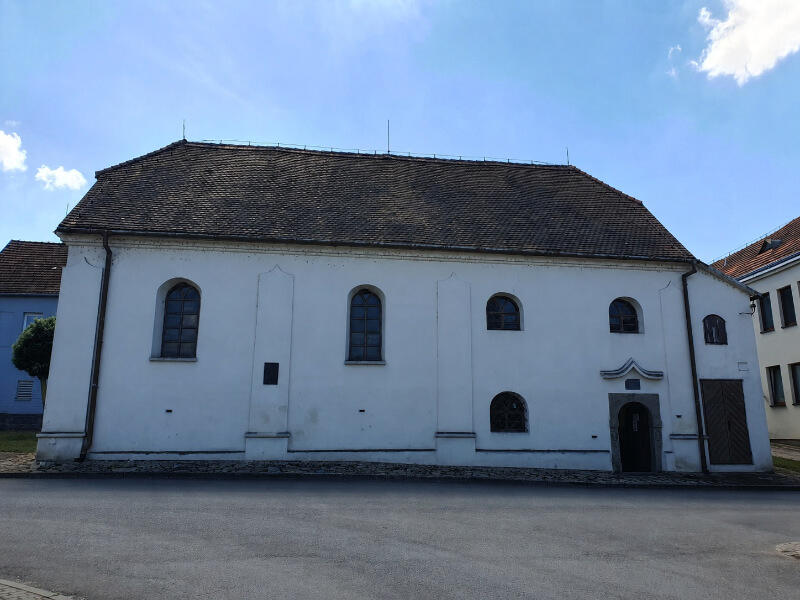
The town has been an important Jewish community center since the 15th century. The first known synagogue was built in the eastern part of the town, but it was destroyed in 1645 during the Thirty Years’ War. The building that we see today was built between 1652 and 1655. It was built in the early Baroque style. Its walls are decorated with Hebrew inscriptions and Baroque wall paintings. The building often hosts exhibitions, concerts, and cultural events.
St. Anthony’s Chapel
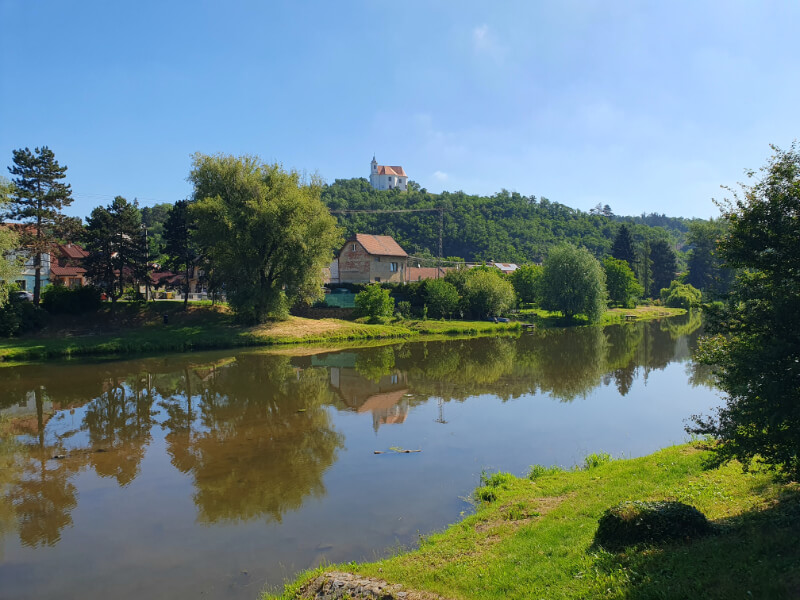
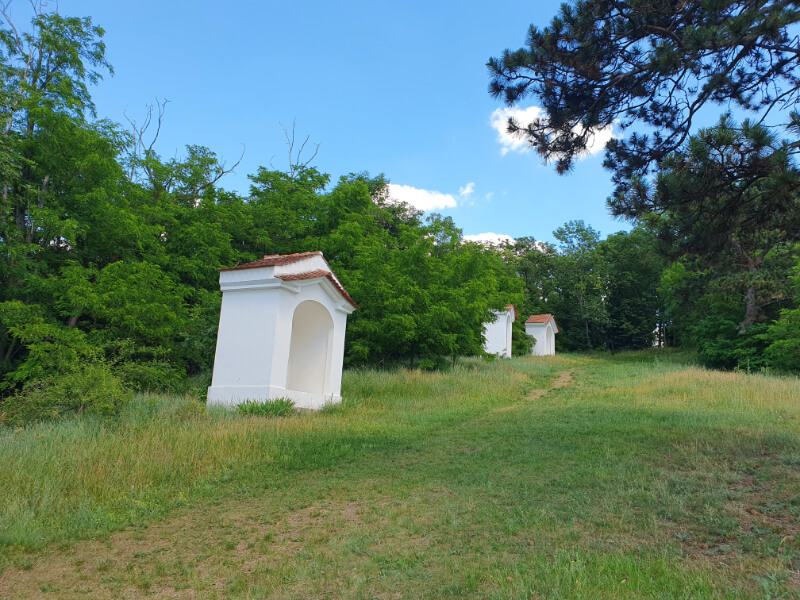
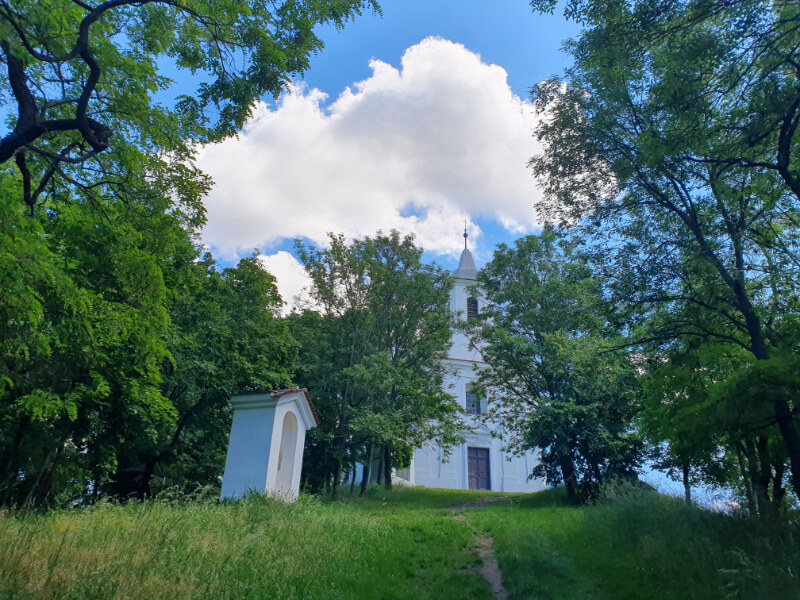
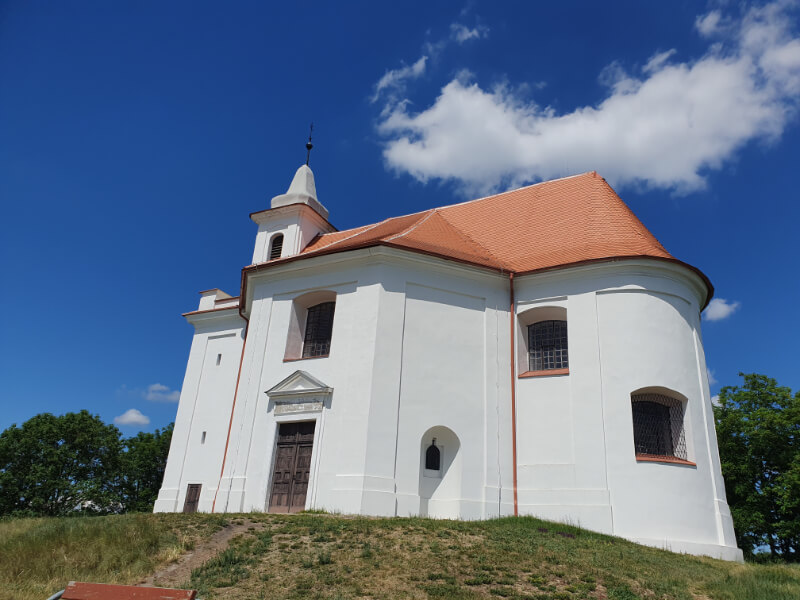
Originally, the St. Anthony’s Chapel (Kaple sv. Antonína or Antoníček) was built of wood in 1654 in honor of St. Florian and St. Anthony. Later, in 1757, with the support of Prince Karl Maximilian von Dietrichstein, it was rebuilt into a larger Baroque chapel. It has a circular floor plan, a large dome, and nine peaks on the roof. A 14-station Stations of the Cross route leads from the town to the chapel. The chapel is usually closed, and it is usually only accessible on special occasions or by prior arrangement. However, the special feature of the place is that the chapel stands on a hill above Dolní Kounice, from where there is a breathtaking view of the town, the Jihlava River, and the Jihlava Valley.
“Our identities are always changing and growing, they’re not meant to be pinned down. Our histories are never all good or all bad, and running from the past is the surest way to be defined by it. That’s when it owns us. The key is bringing light to the darkness – developing awareness and understanding.”
– Brené Brown