
Old wine town
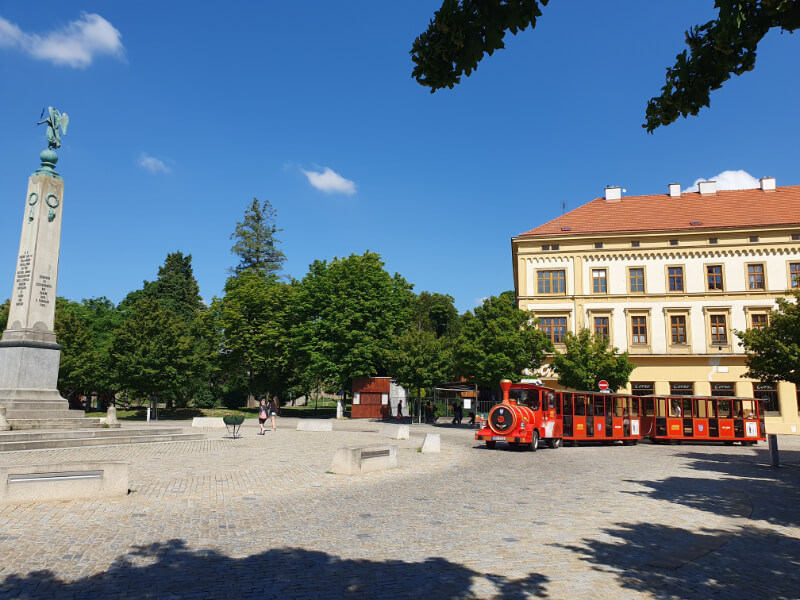
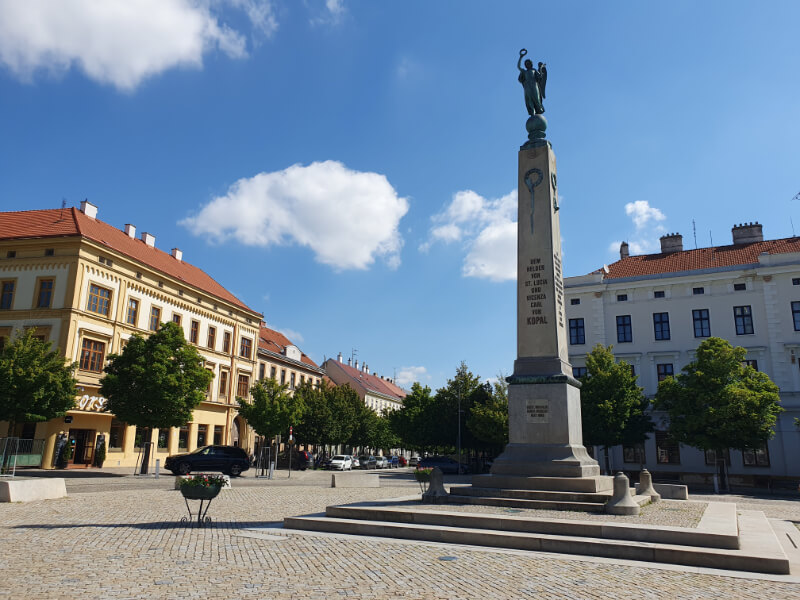
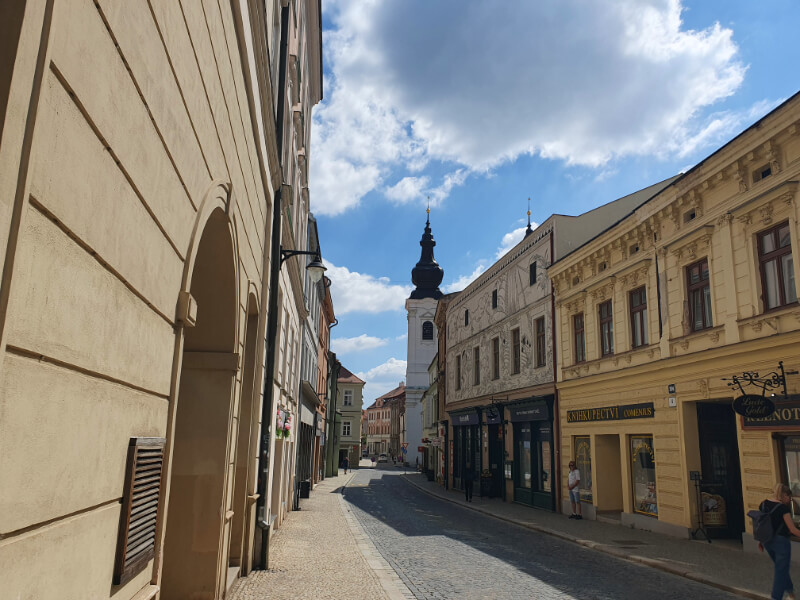
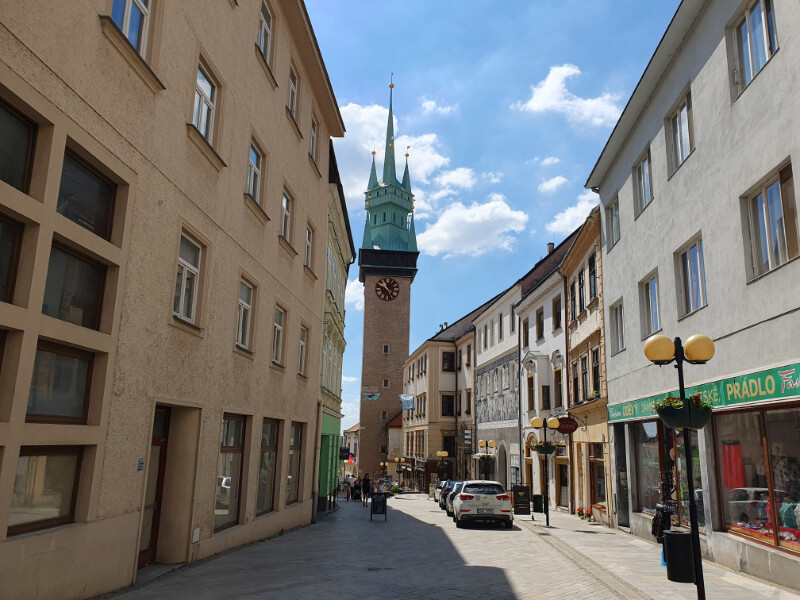
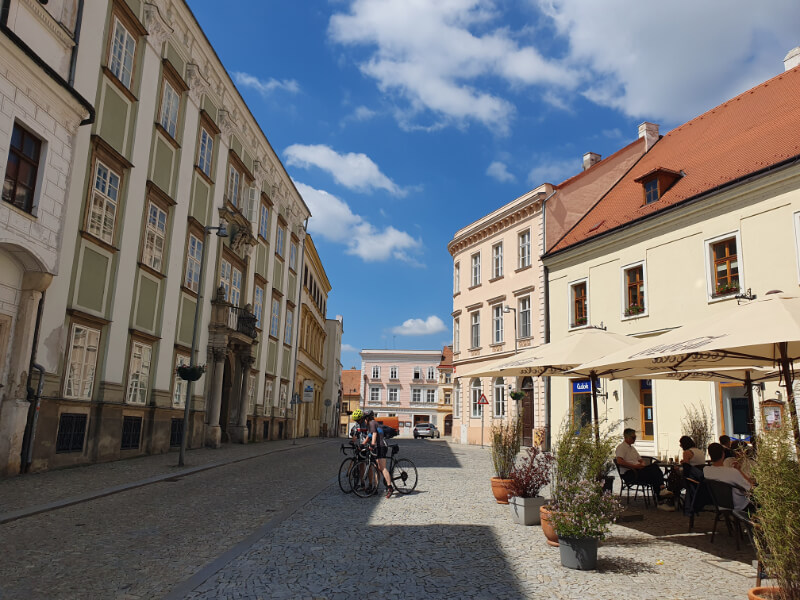
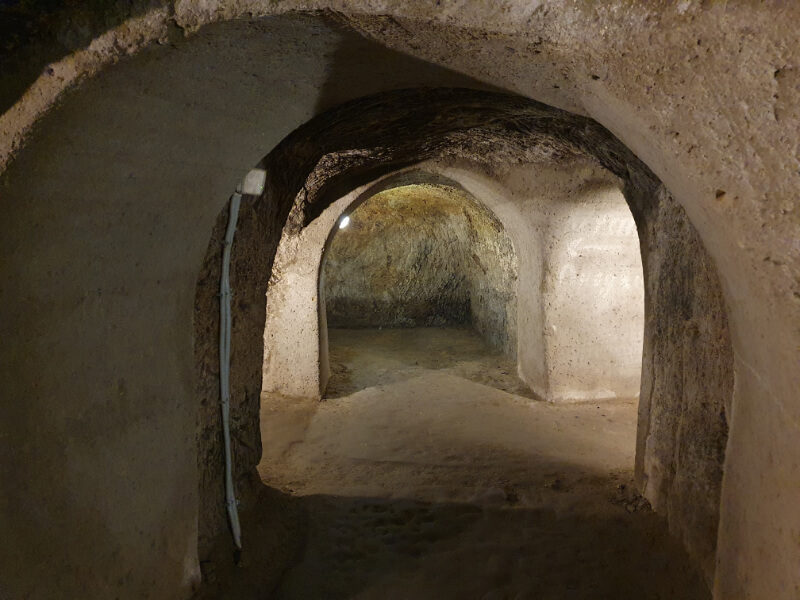
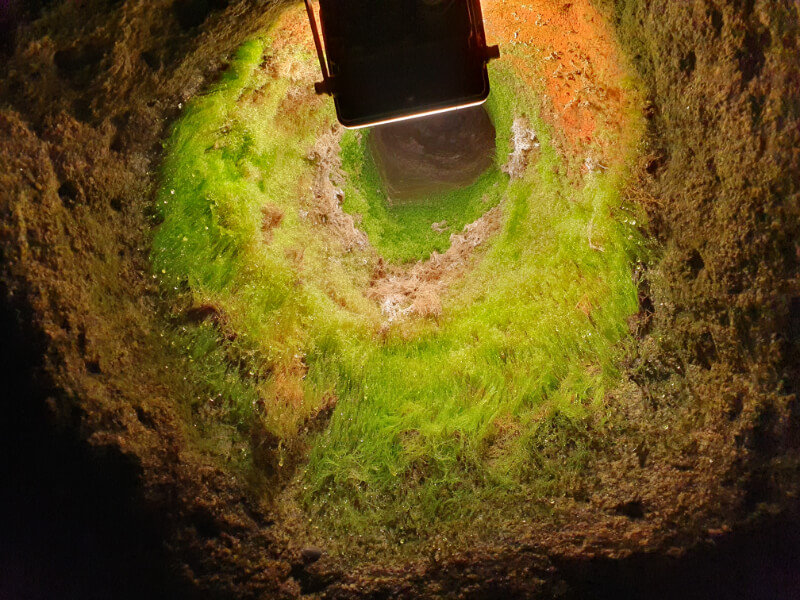
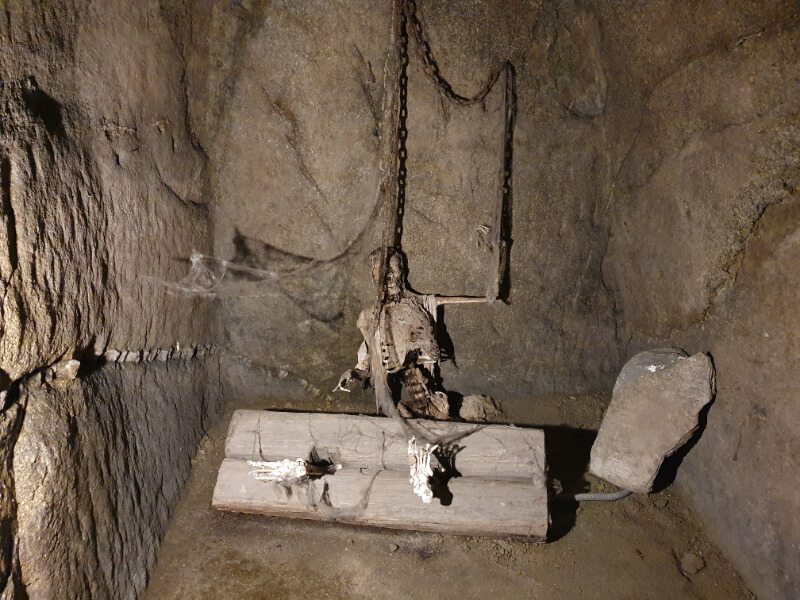
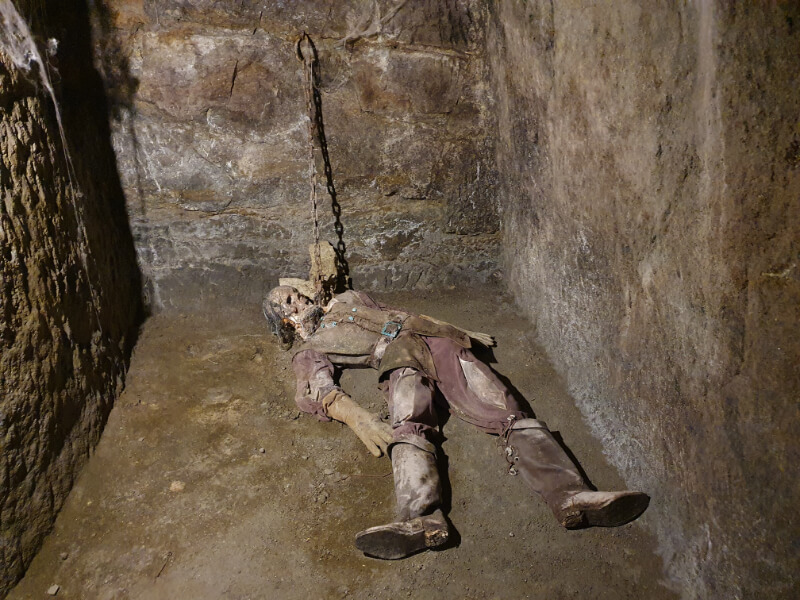
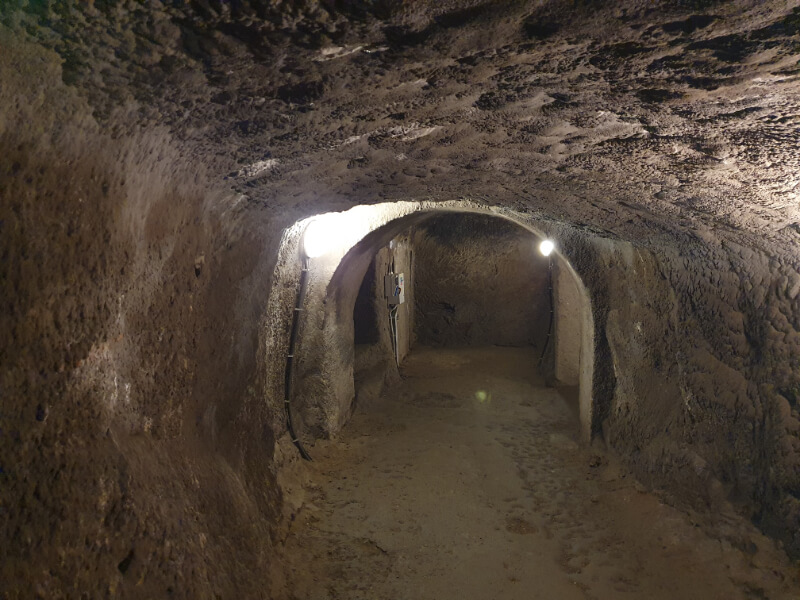
Znojmo is the second largest city in South Moravia. It is located on the Bohemian-Moravian Highlands, 65 kilometres (~40 mi) from Brno and 83 kilometres (~52 mi) from Vienna. The city has long been famous as a wine-growing centre. This is evidenced by the long wine cellar corridors dug under the city, as well as several first-class vineyards located nearby. Znojmo is characterized by the production of aromatic white wines. The most famous Znojmo wines are Sauvignon Blanc (Sauvignon), Ryzlink rýnský (Riesling) and Veltlínské zelené (Grüner Veltliner). A system of underground passages was created between the 14th and 17th centuries to store wine and food. This is the Znojmo Underground (Znojemské podzemí), which is 27 kilometers (~17 miles) long. It is characterized by special ventilation shafts, wells and smoke exhausters. It served as a refuge during sieges and as a defensive wall.
The old castle
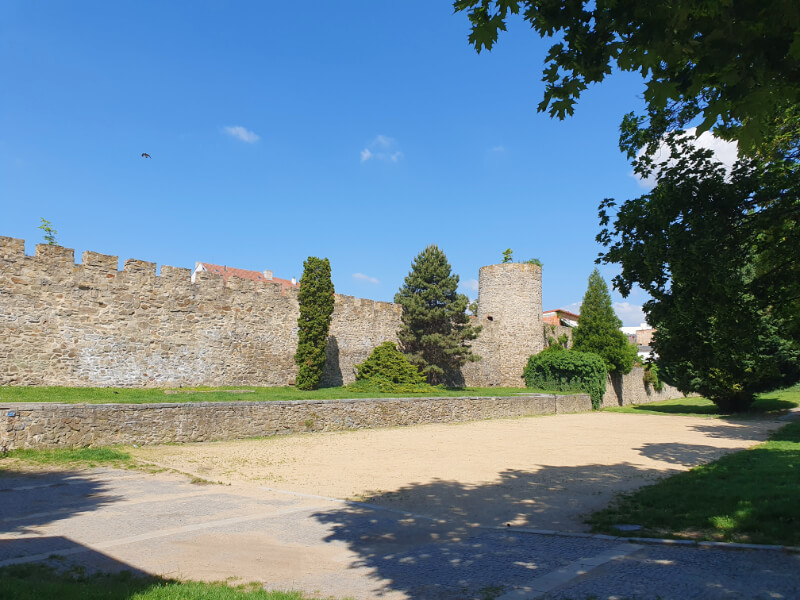
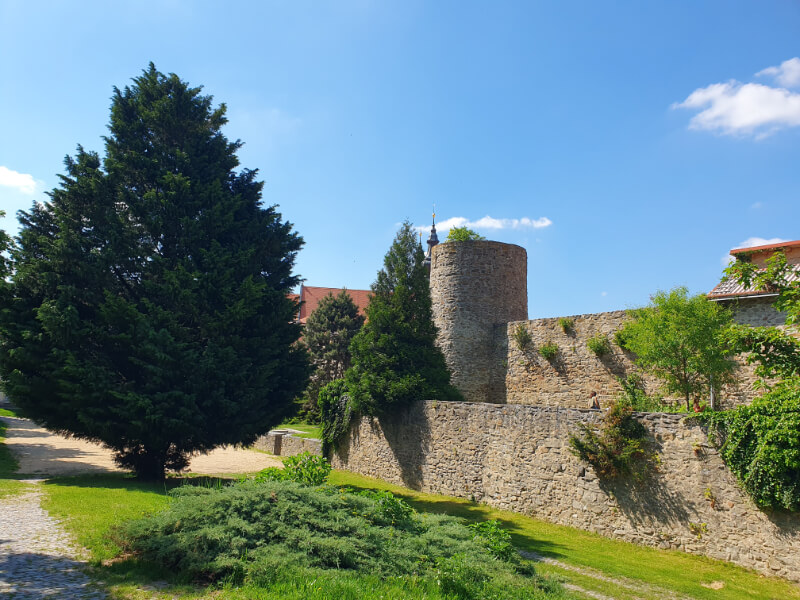
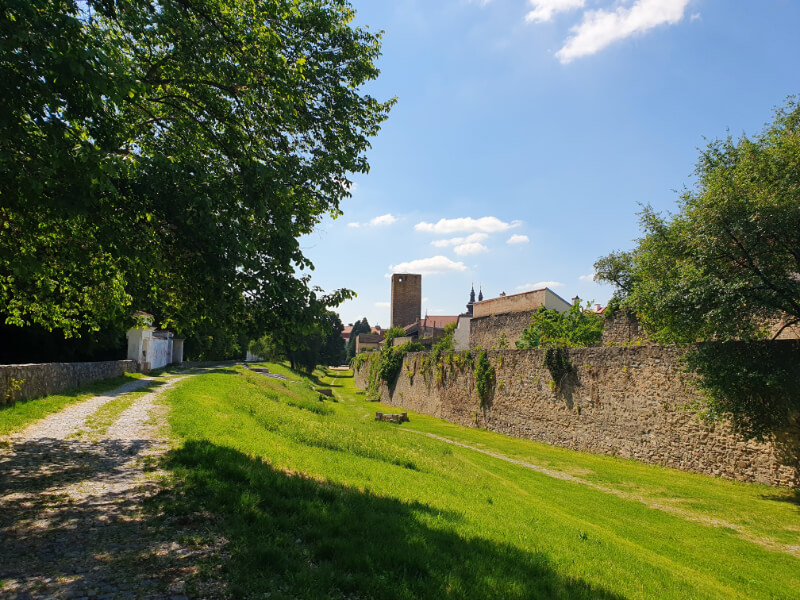
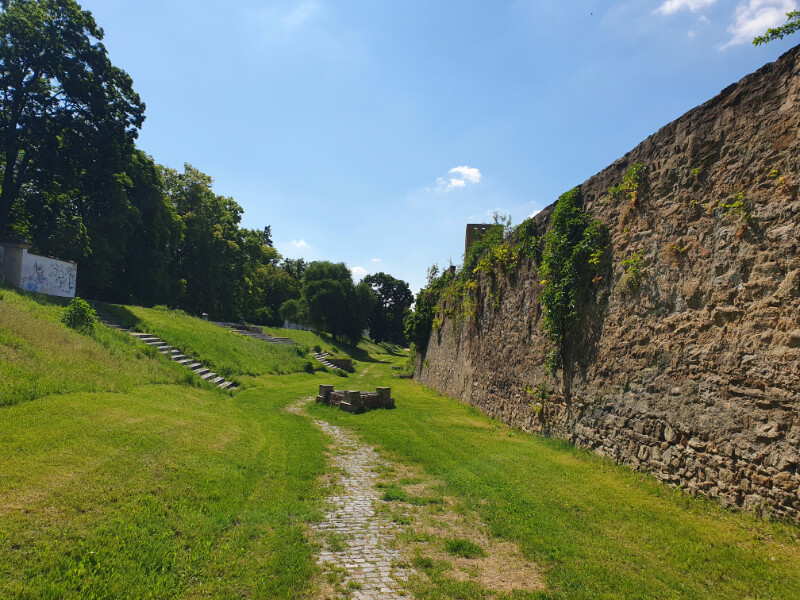
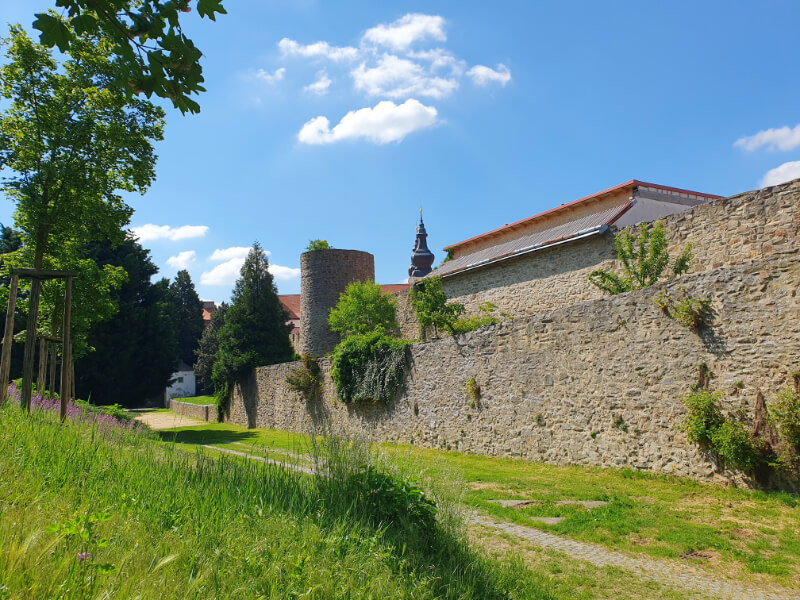
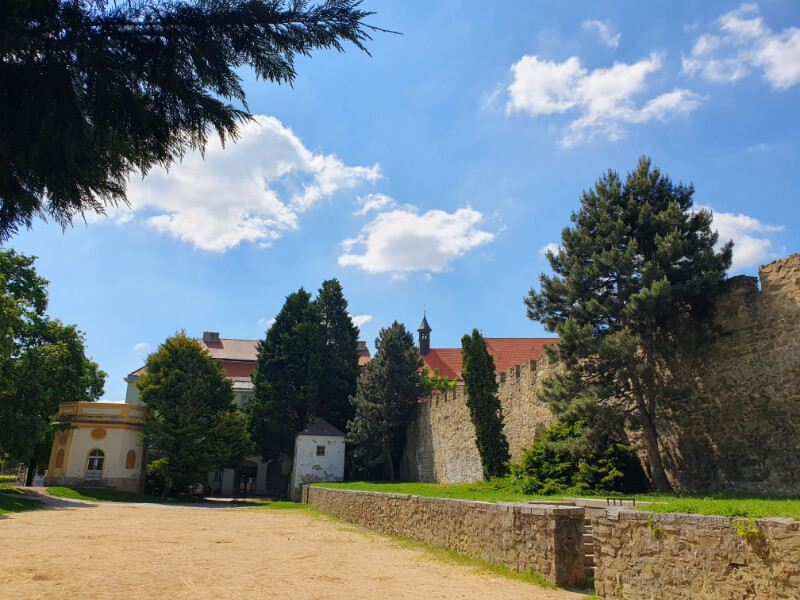
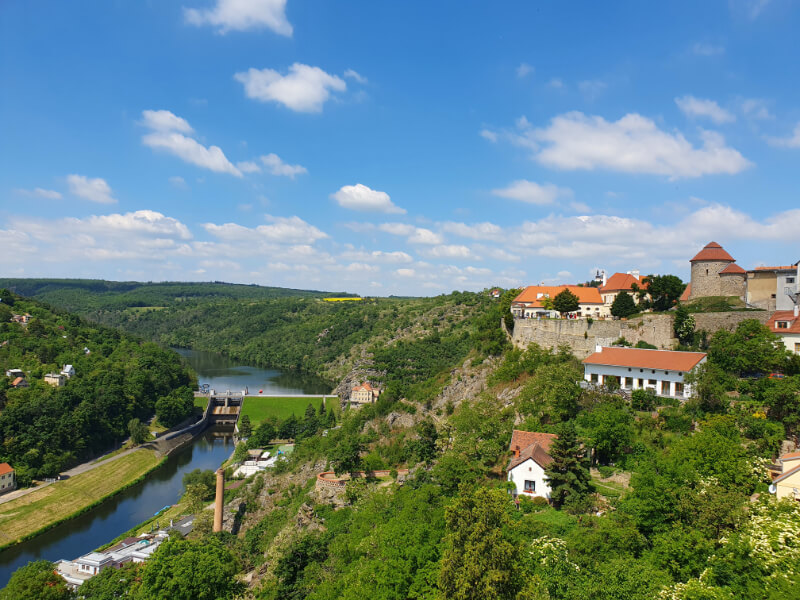
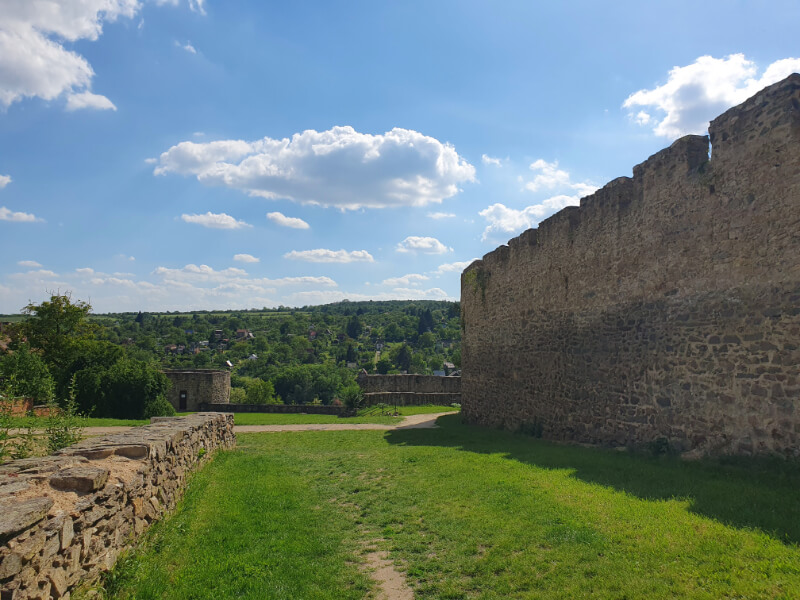
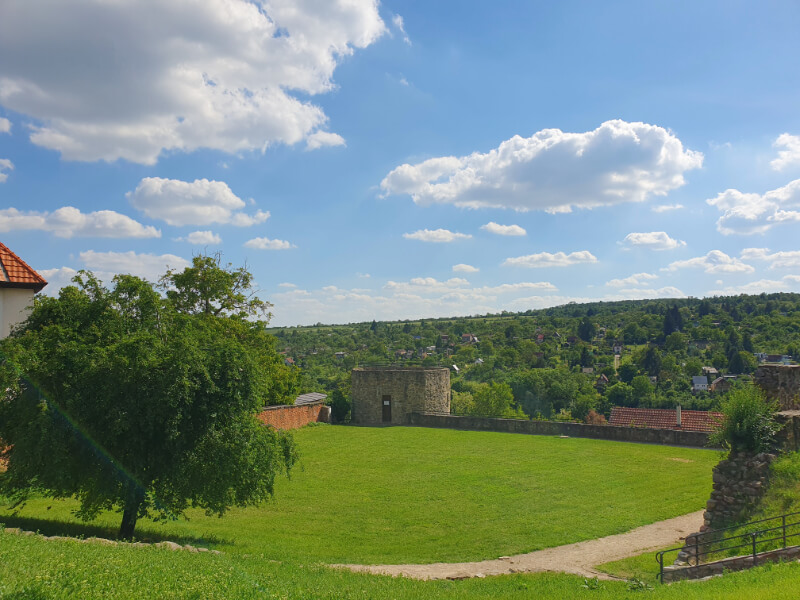
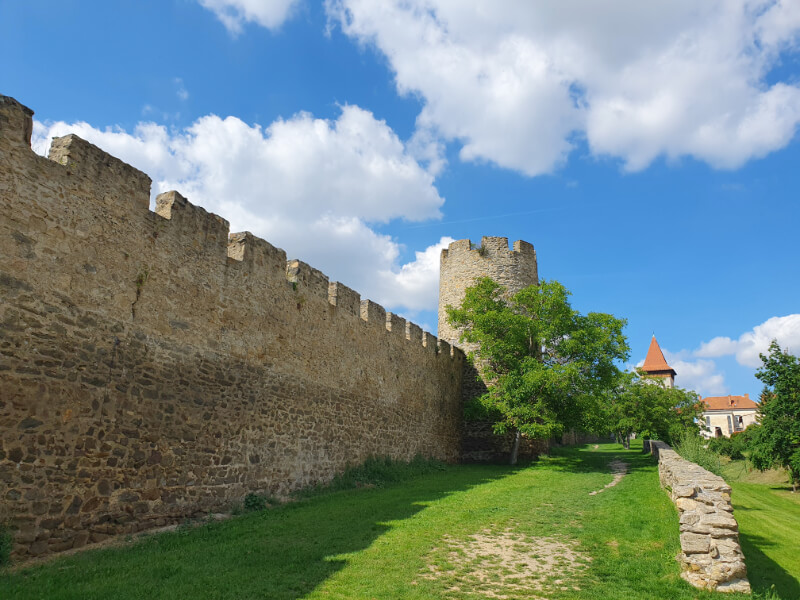
The area has been of strategic importance since prehistoric times. Significant Bronze Age finds have been found in the area. In the early Middle Ages, an important trade route ran here. Znojmo Castle was originally built of wood and clay on a rocky plateau above the Dyje River. It was rebuilt in the 11th century by the Přemysl dynasty, probably at the initiative of Břetislav I. The castle played an important border defense role for the Moravian princes. However, the castle was almost completely destroyed during a siege, so it was rebuilt as a stone castle at the end of the century. It was given thick walls and surrounded by a moat, with an octagonal tower at the entrance. At that time, it became the seat of the Moravian margraves. The castle became politically important. Diplomatic meetings were held here and it was an important base during wars. This political importance decreased over time.
The elegant baroque castle
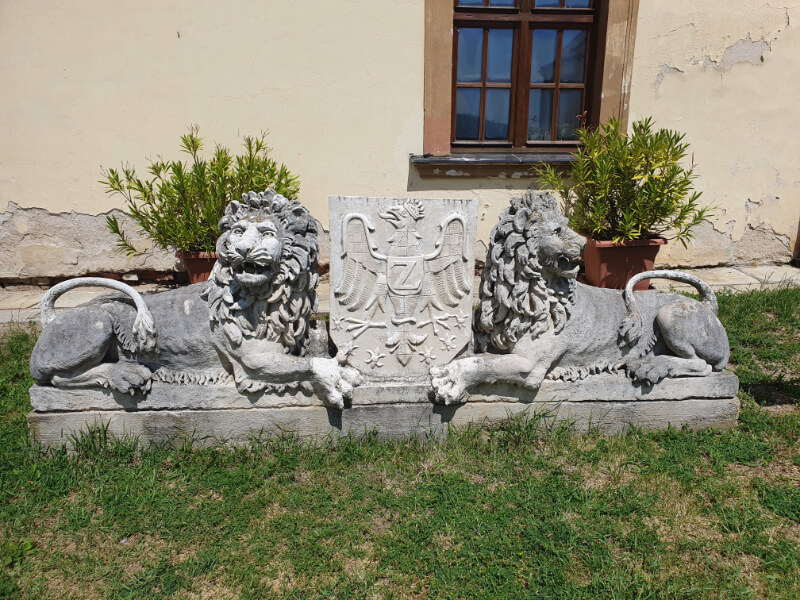
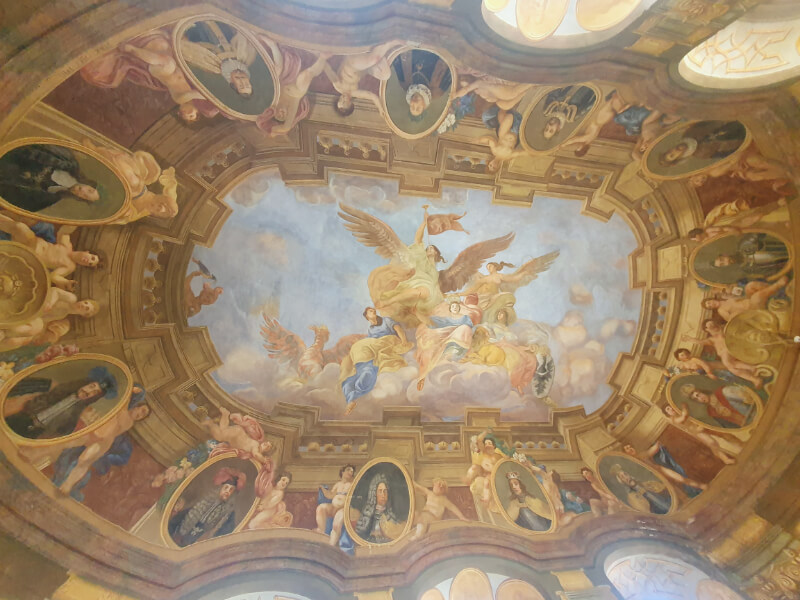
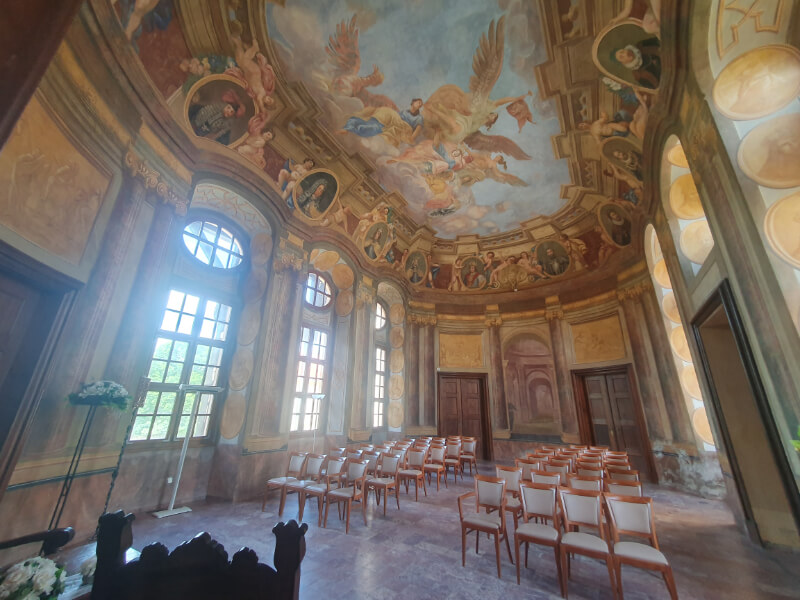
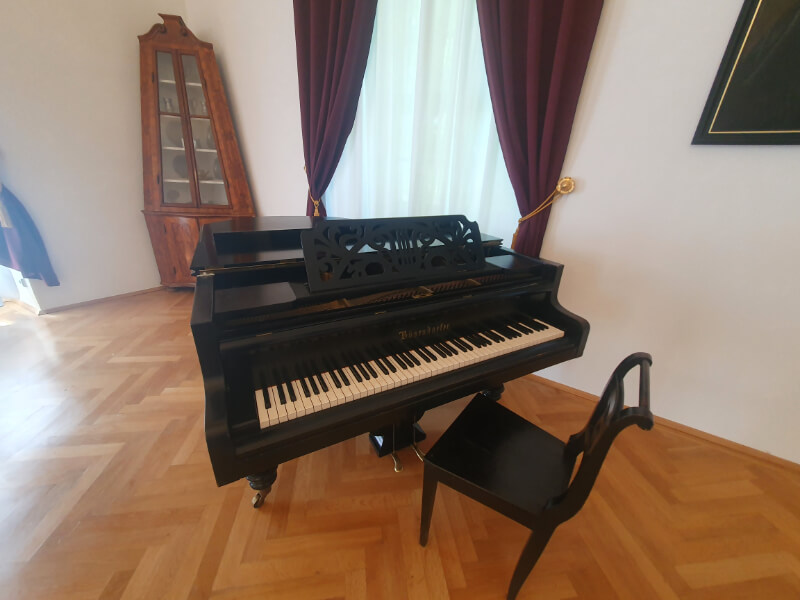
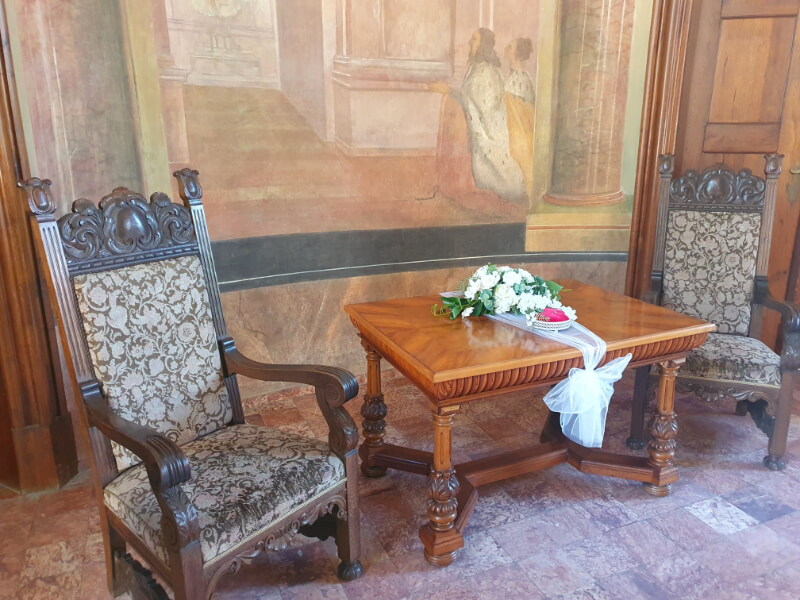
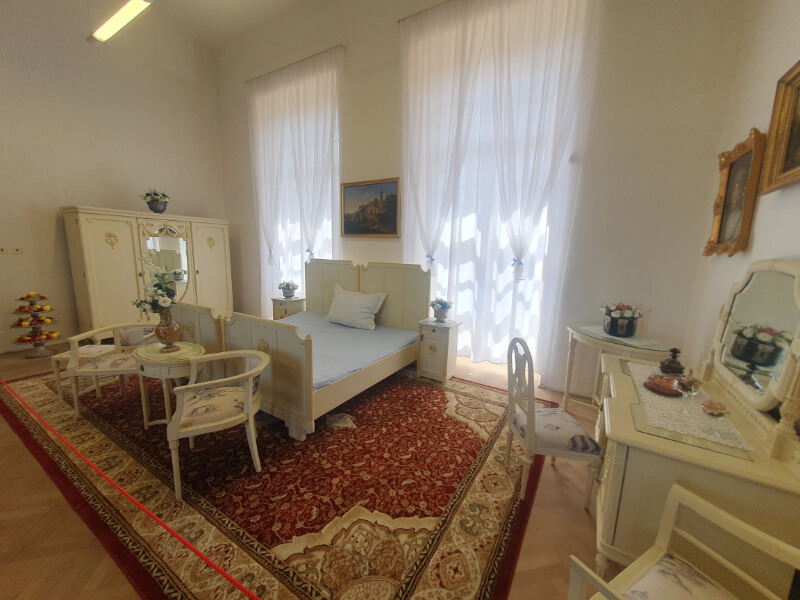
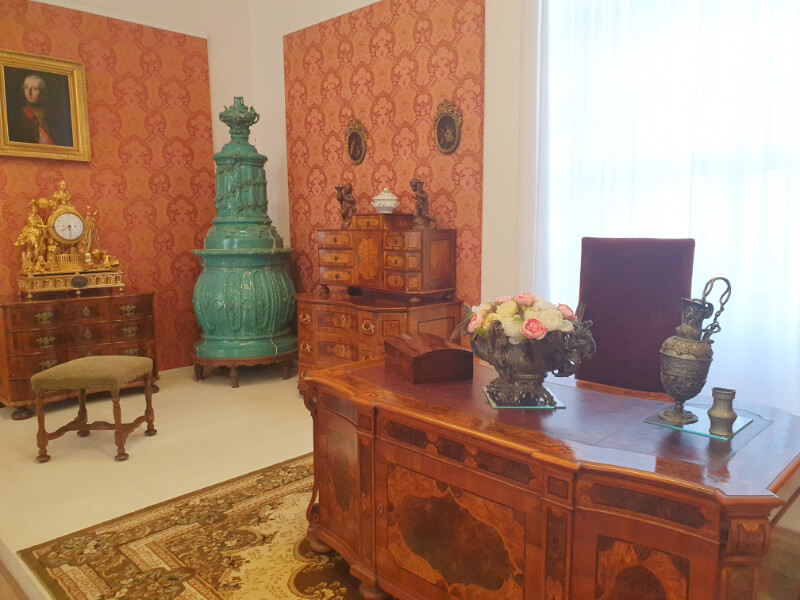
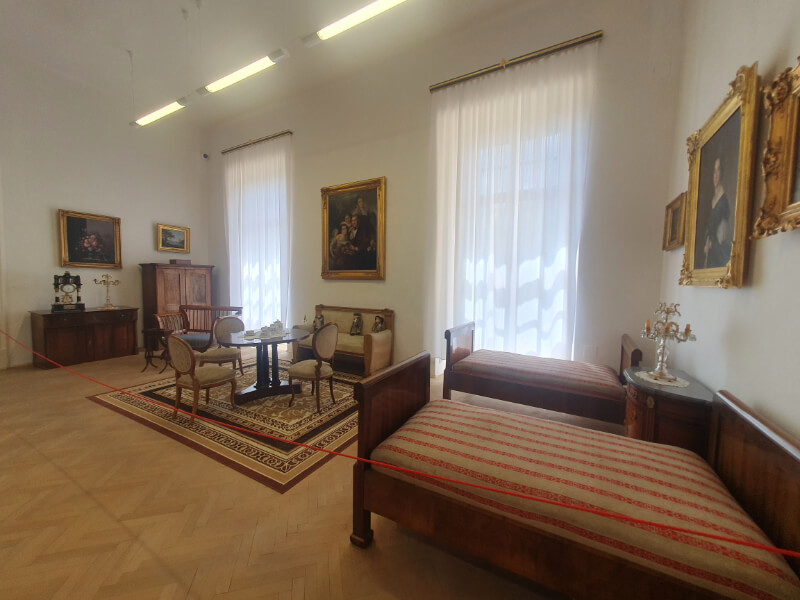
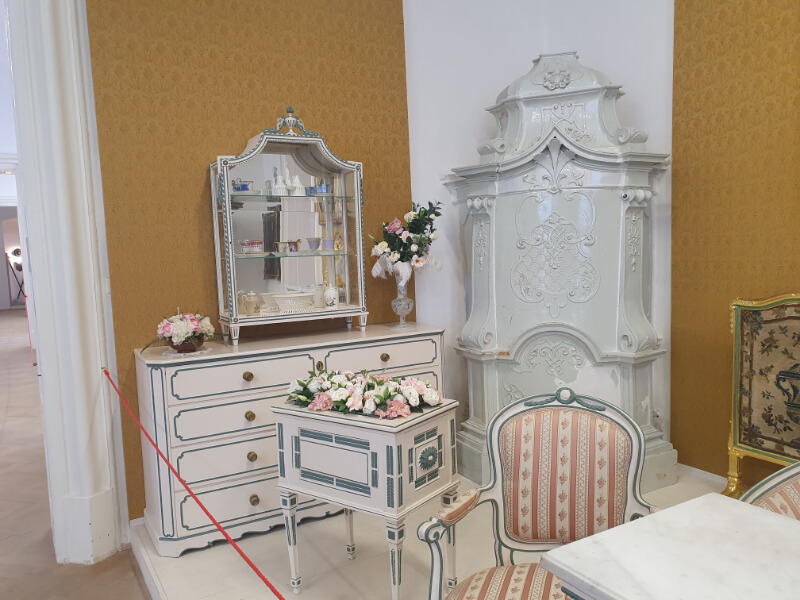
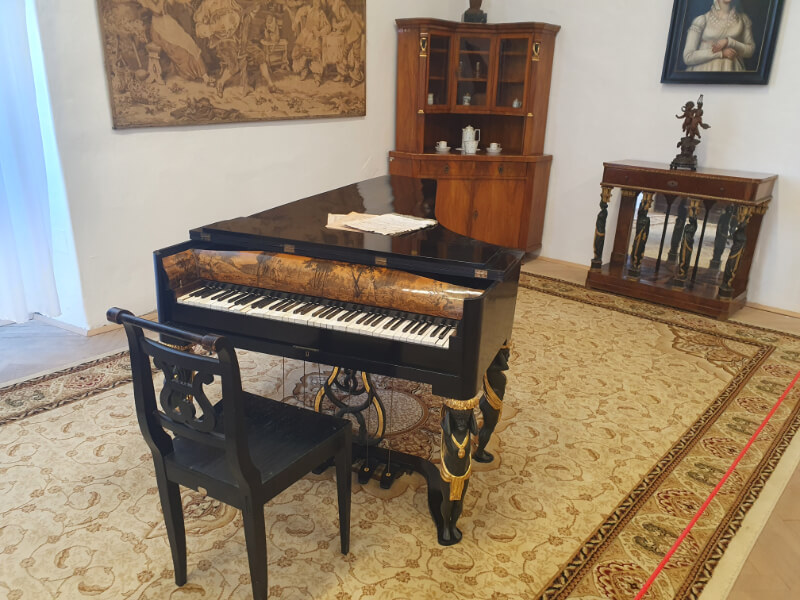
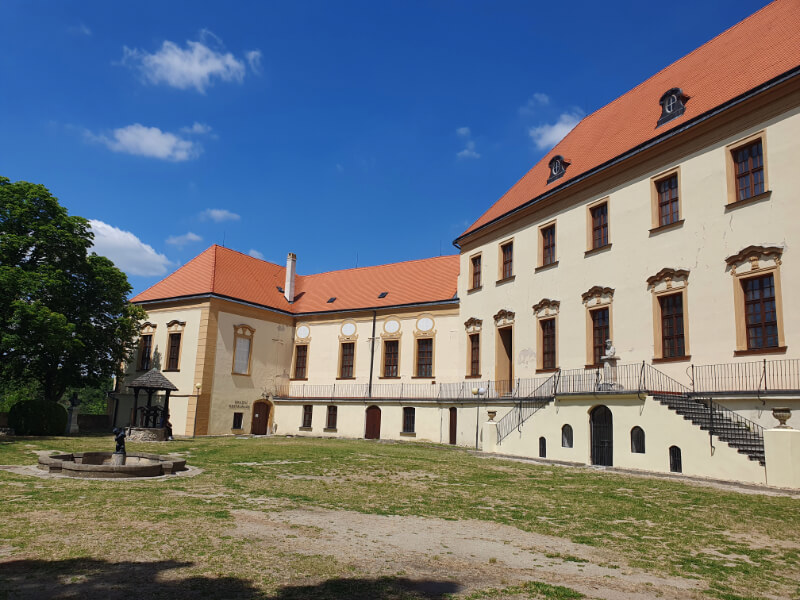
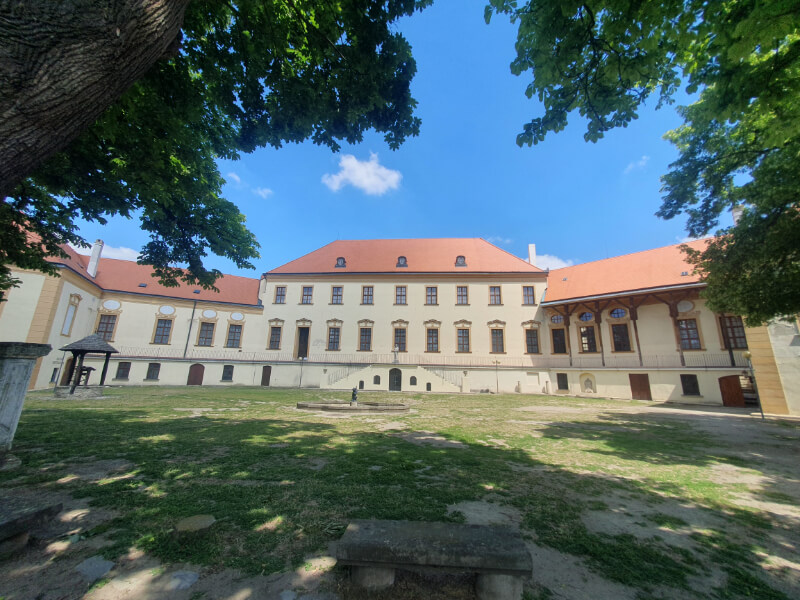
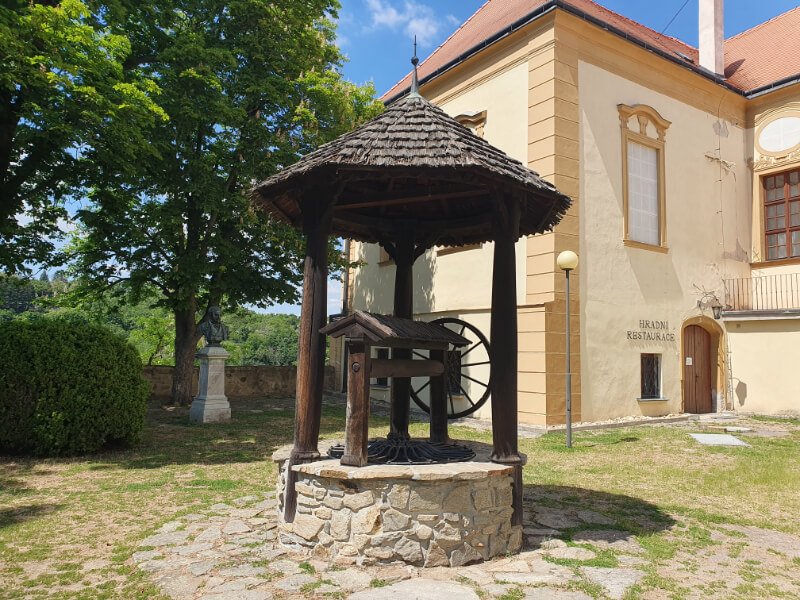
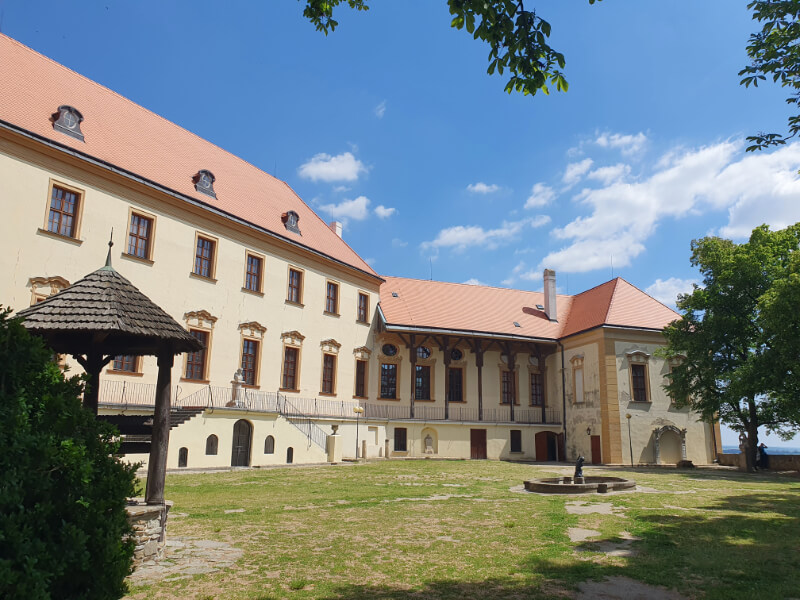
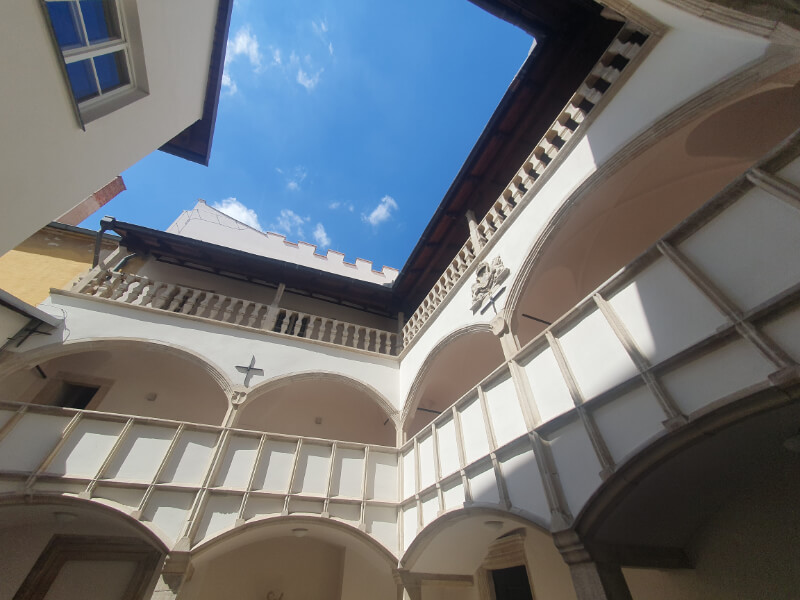
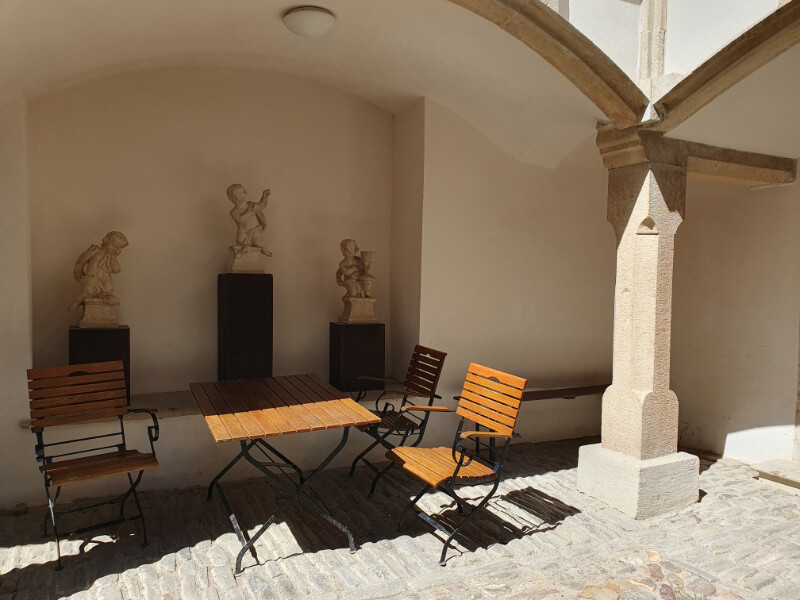
A fire in the 17th century significantly damaged the castle, and in its place, at the beginning of the 18th century, the Deblín Counts built a Baroque castle. The interiors were given more elegant facades, larger windows were opened and became more representative. They were no longer intended for defense, but for comfortable and elegant noble life. Its furnishings were characterized by the Baroque and Rococo style with ornate ceiling frescoes, decorated with biblical and mythological allegorical motifs. The “Hall of the Ancestors” is one of the most impressive, where the gallery of the Habsburg rulers and a monumental painted ceiling can be seen. Its furnishings are characterized by gilded Baroque furniture, richly carved and inlaid surfaces. Many representative and ceremonial rooms were created. Such are the Empire-style salons, such as the music rooms with pianos. In the 20th century, the building was given a museum function and is today one of the most important historical and tourist monuments in Moravia.
The Church of St. Nicholas
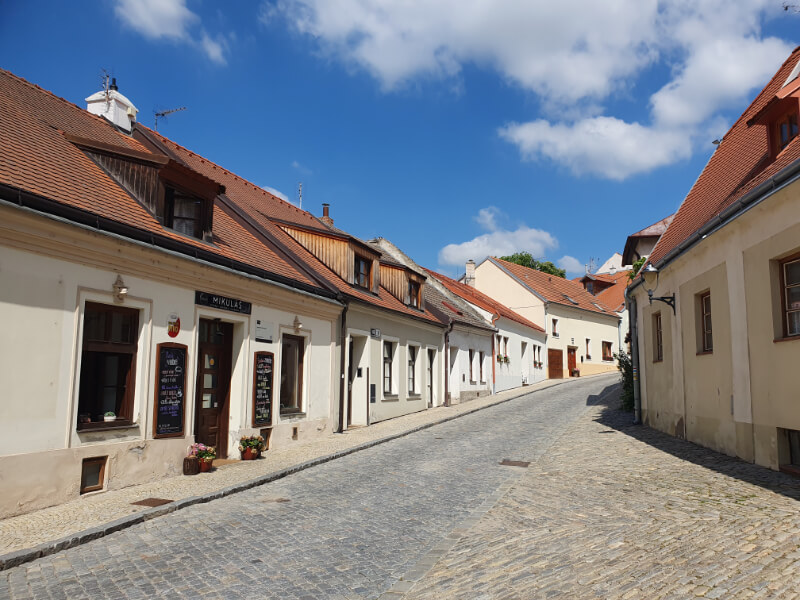
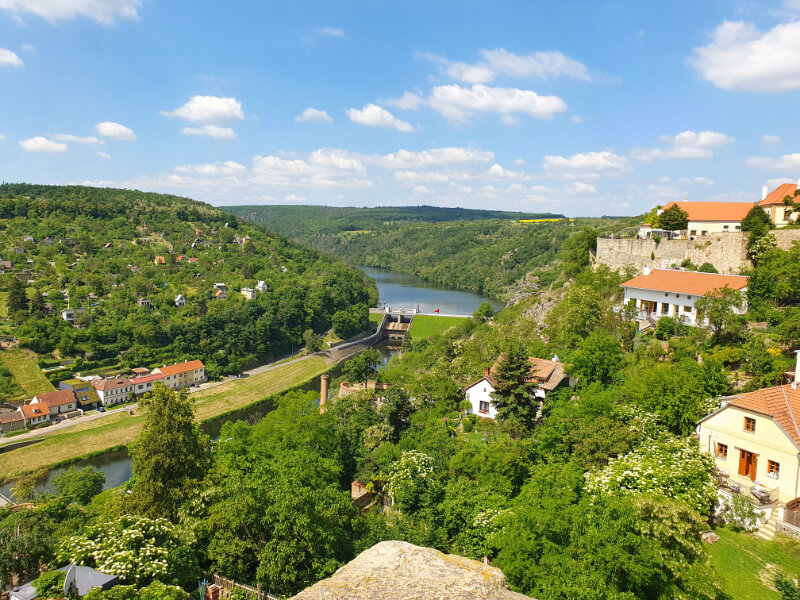
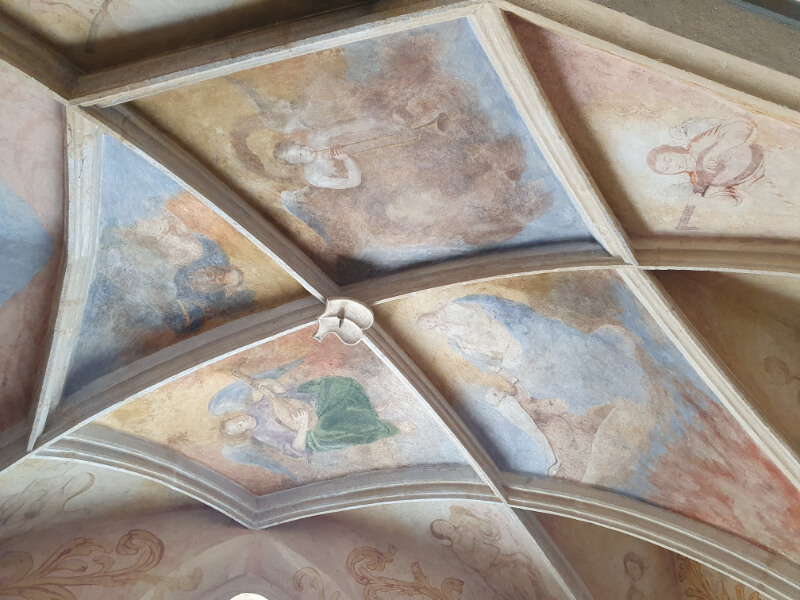
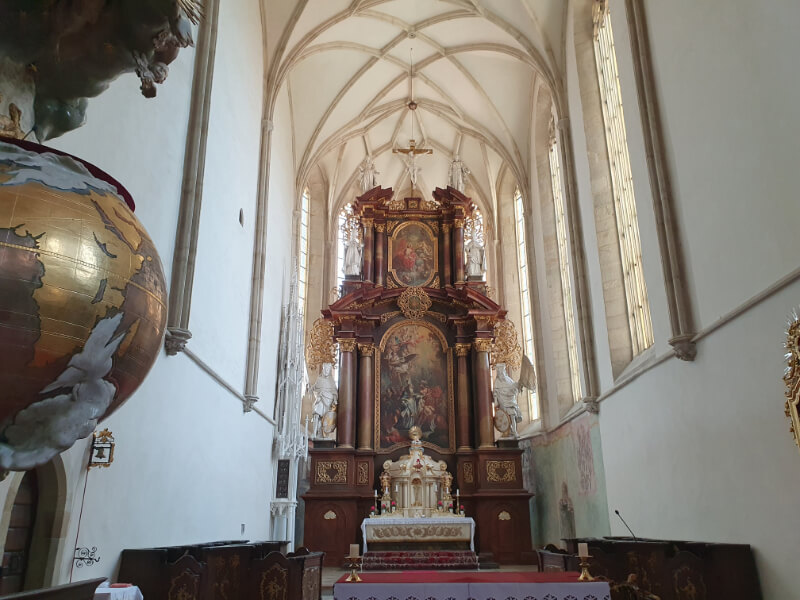
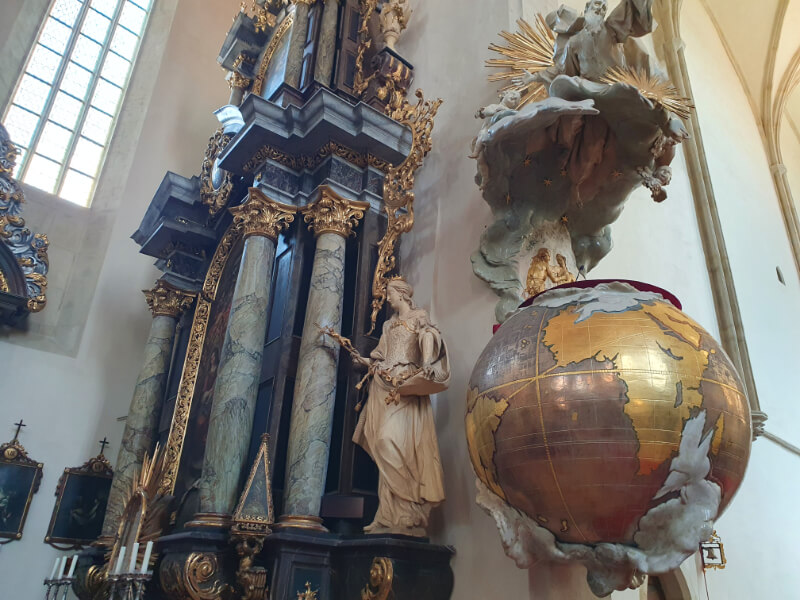
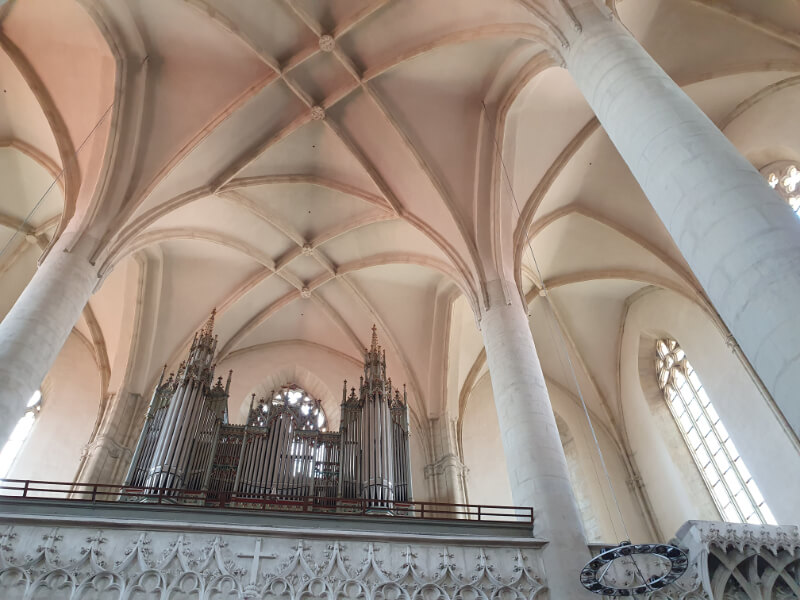
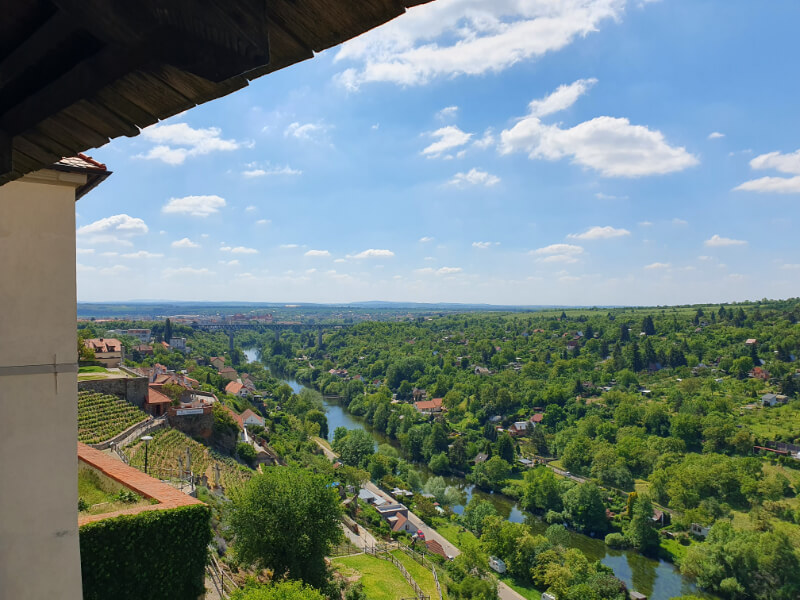
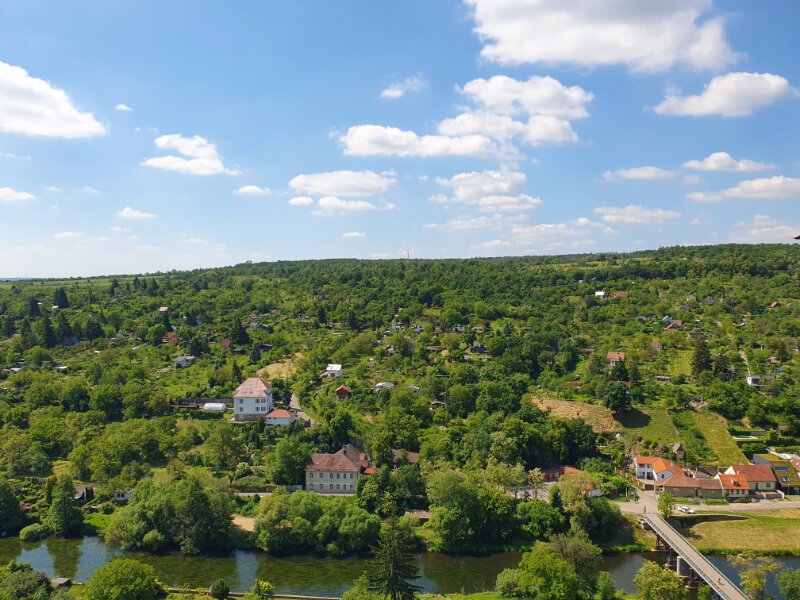
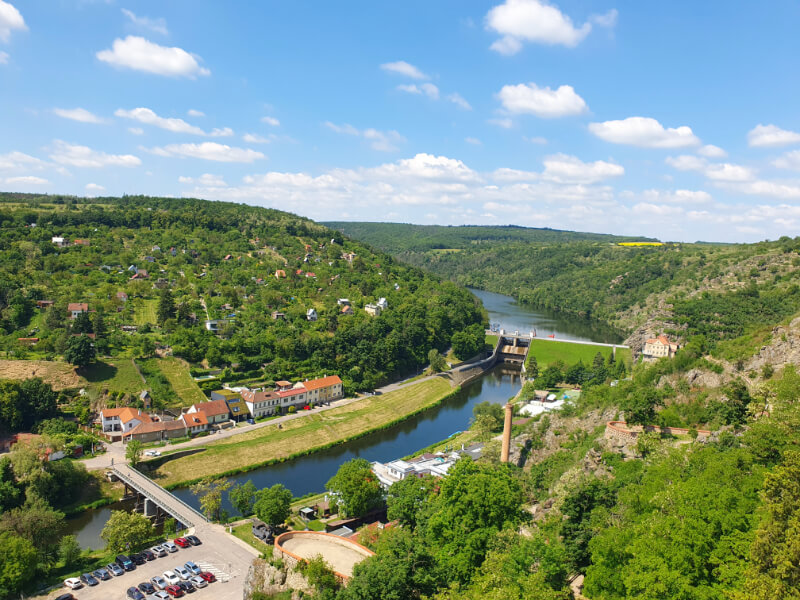
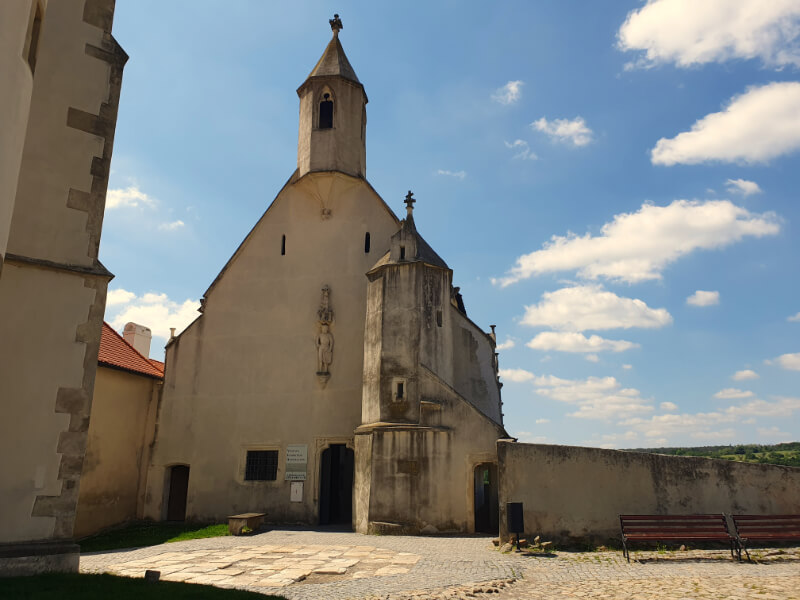
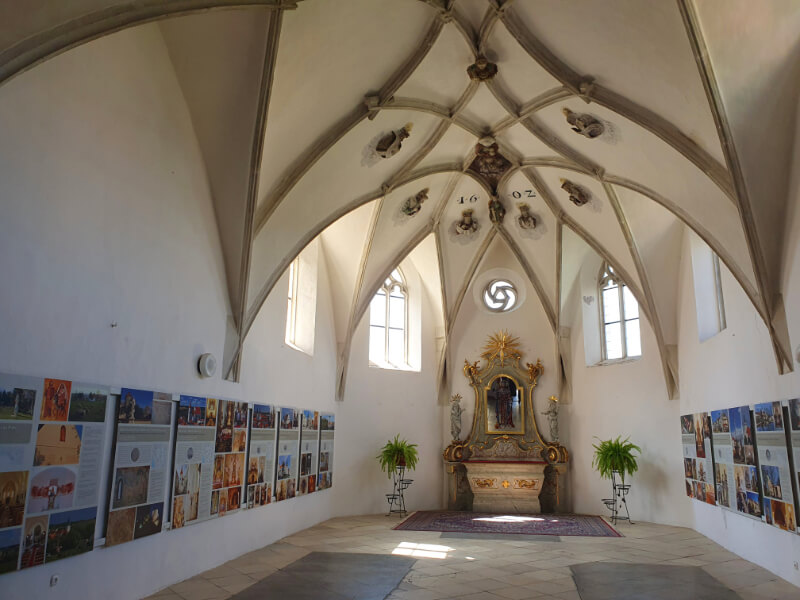
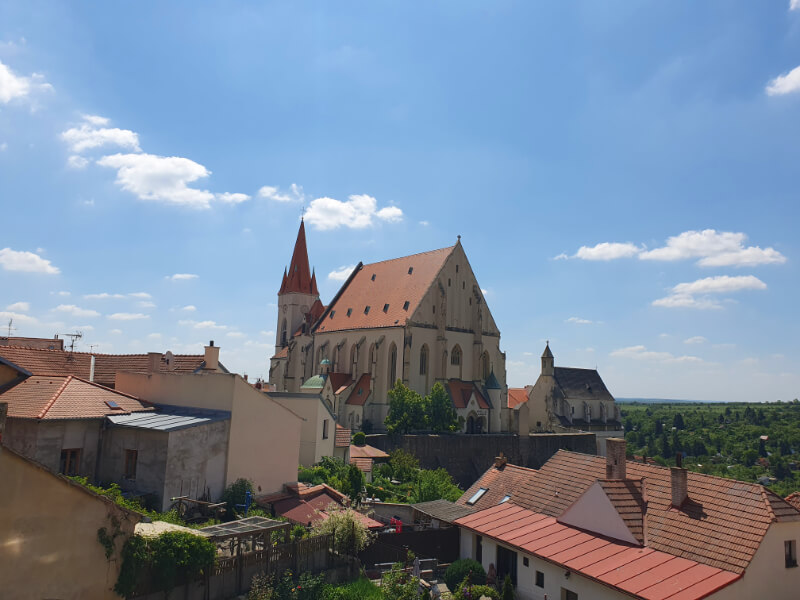
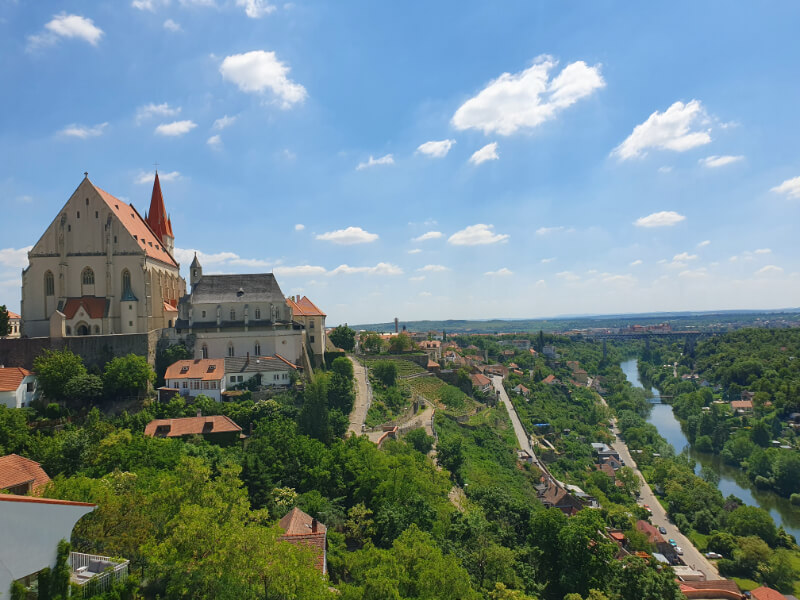
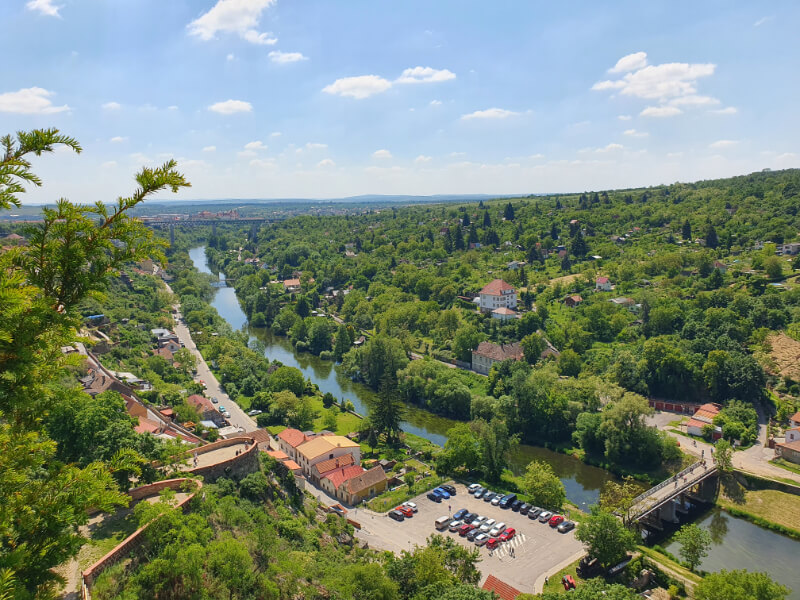
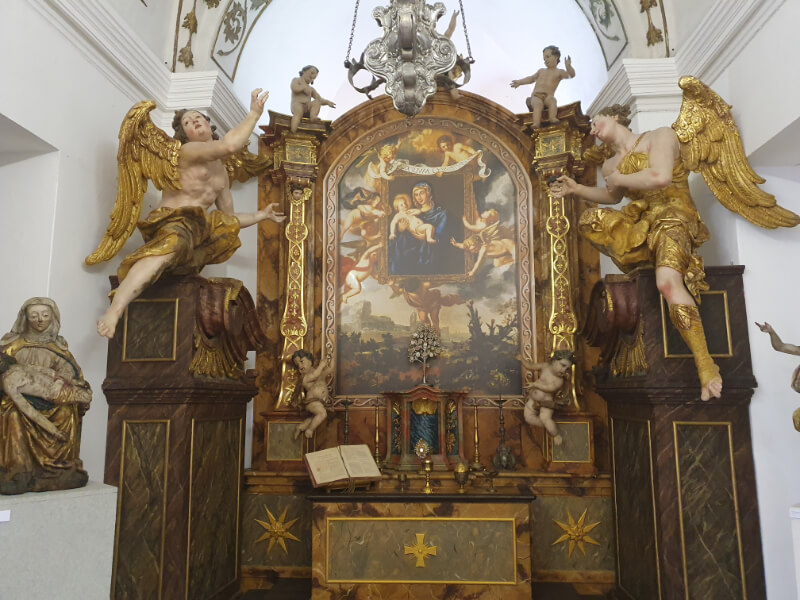
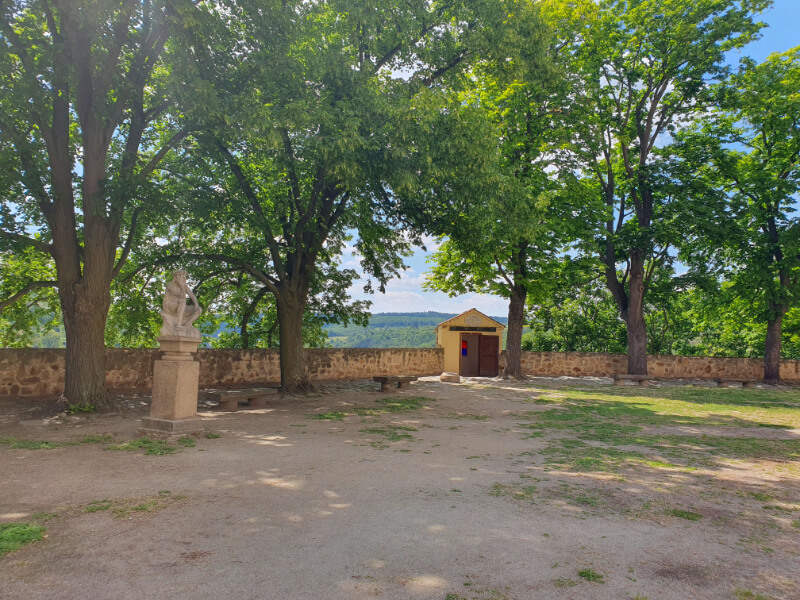
The Church of St. Nicholas (Kostel sv. Mikuláše) is a 14th-century Gothic church built on a hill. It was originally a Romanesque sanctuary. It is one of the most important historical monuments in Znojmo. Its interior preserves magnificent monuments: statues, altars and a Baroque organ. From its terrace, there is a fantastic panorama of the Dyje River, the river valley and the city. For centuries, it has been a significant center of religious and cultural life in the city and is still an active parish church. Nearby is the famous rotunda and the medieval castle grounds.
The Rotunda of St. Catherine
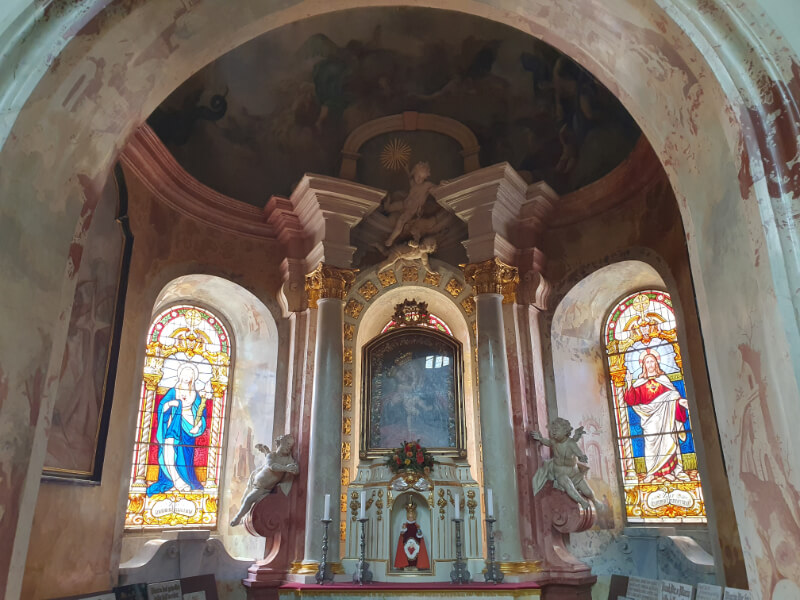
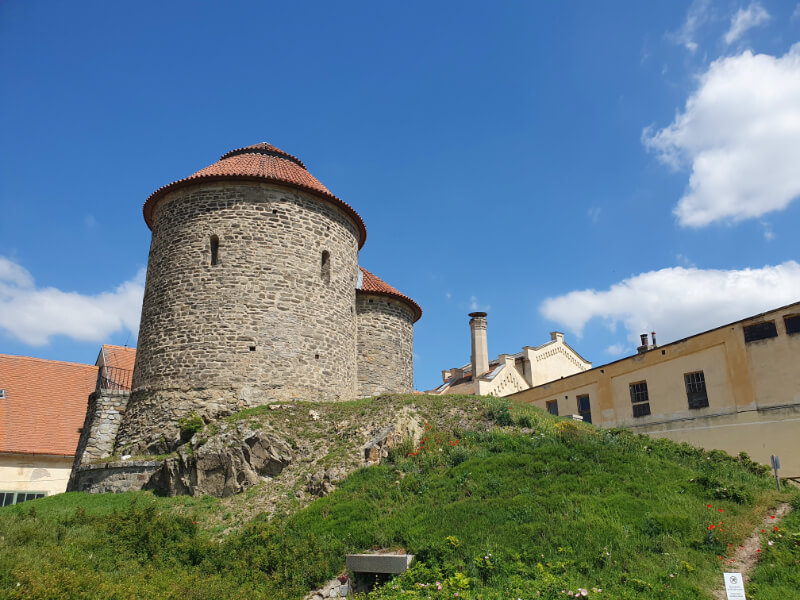
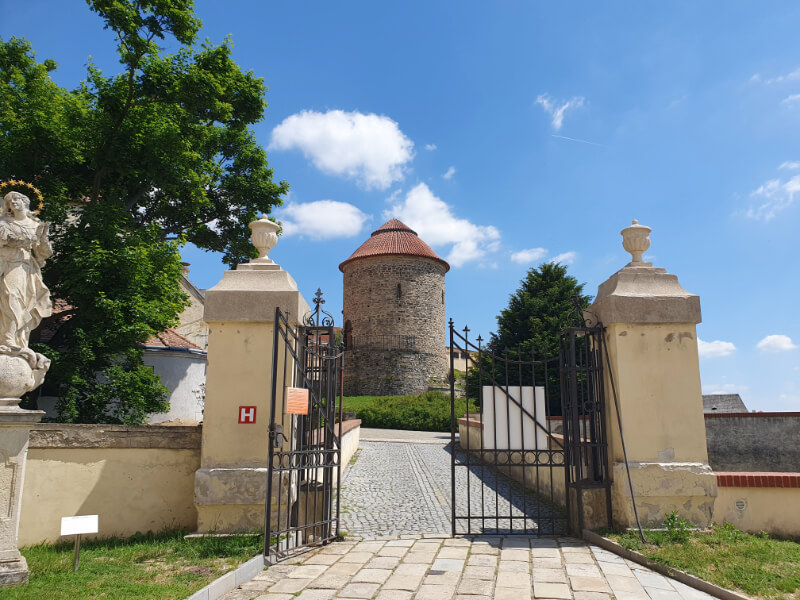
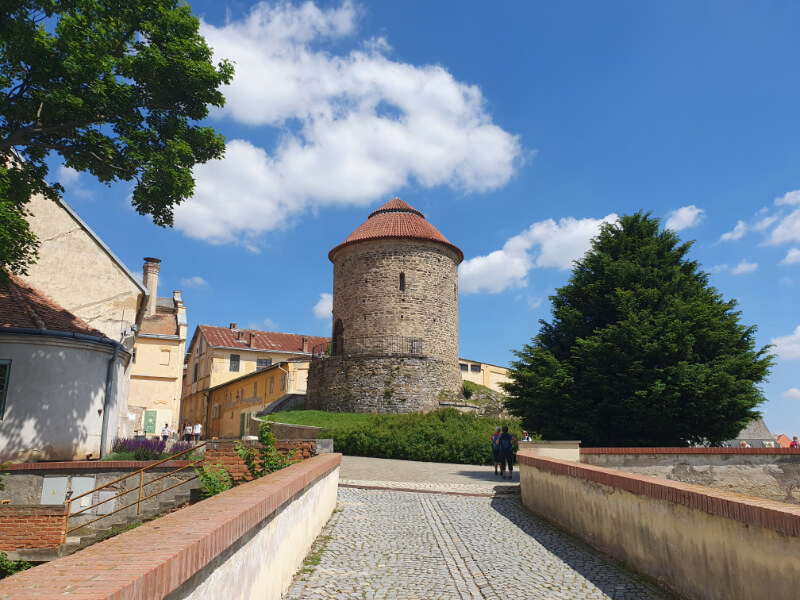
The Rotunda of St. Catherine (Rotunda svaté Kateřiny) is one of the most important Romanesque monuments in the Czech Republic. It is a circular chapel, which rises on the edge of the castle hill. Its walls are thick and have narrow windows. Originally it was a castle chapel dedicated to the Virgin Mary, and after its reconstruction it was placed under the protection of St. Catherine. Its walls are almost completely covered with frescoes, which also present the history of the Přemysl dynasty. On top of these, we can see biblical scenes, angels, and depictions of Christ and the apostles.
Brewery
When the military importance of the castle significantly decreased, part of the castle became the property of local citizens, who founded a brewery in it in 1720. The already mentioned Baroque castle was built in the back part of this area. Regardless of the founding of this brewery, the city’s beer industry dates back much earlier. There are already mentions of local brewing traditions from the Middle Ages, which go back about 700 years. In 1885, the brewery was rebuilt and modernized. The most famous beer brand produced was Hostan, known throughout the Czech Republic. In 2005, production ceased, but in 2015 it was restarted and a beer exhibition was opened. If you are interested in Moravian brewing, I also recommend my article Brewing in Moravia.
“History cannot give us a program for the future, but it can give us a fuller understanding of ourselves, and of our common humanity, so that we can better face the future.”
– Robert Penn Warren