
The charming town of Kroměříž
Kroměříž is 66.5 kilometers (~41.32 miles) from Brno and is located on the banks of the Morava River in the southern part of the Upper Morava Valley. In 1997 it was declared the most beautiful historic town in the Czech Republic, and in 1998 the Archbishop’s Palace, Flower Garden and Castle Garden were included in the UNESCO World Heritage List. The town is home to the Kroměříž Agricultural Research Institute, which is engaged in research and breeding of cereals. Kroměříž also traditionally hosts the International Church Music Festival (FORFEST). Among its architectural masterpieces, the Church of St. John the Baptist (Kostel svatého Jana Křtitele) in Kroměříž is definitely worth mentioning, as it is one of the jewels of Moravian Baroque architecture. The oval-shaped interior of the church, with a 35-meter-high vaulted ceiling, is decorated with frescoes celebrating its patron saint, St. John the Baptist.
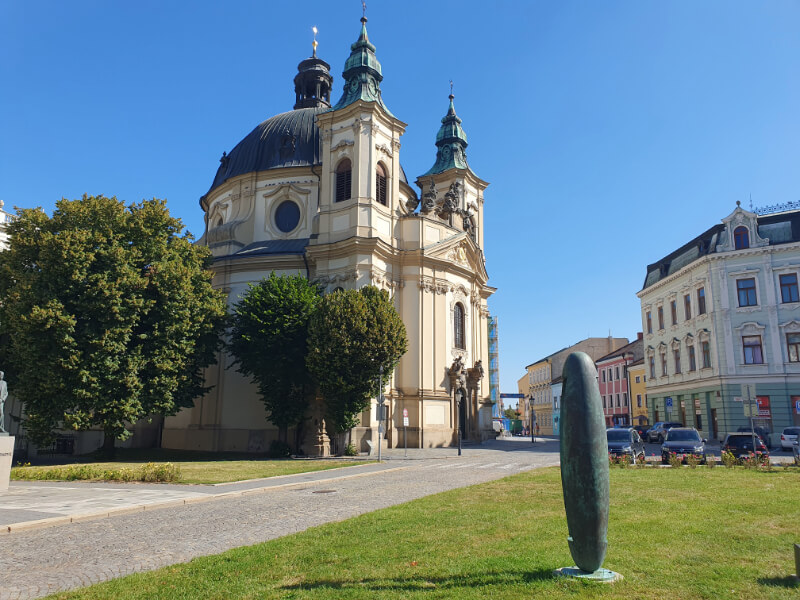
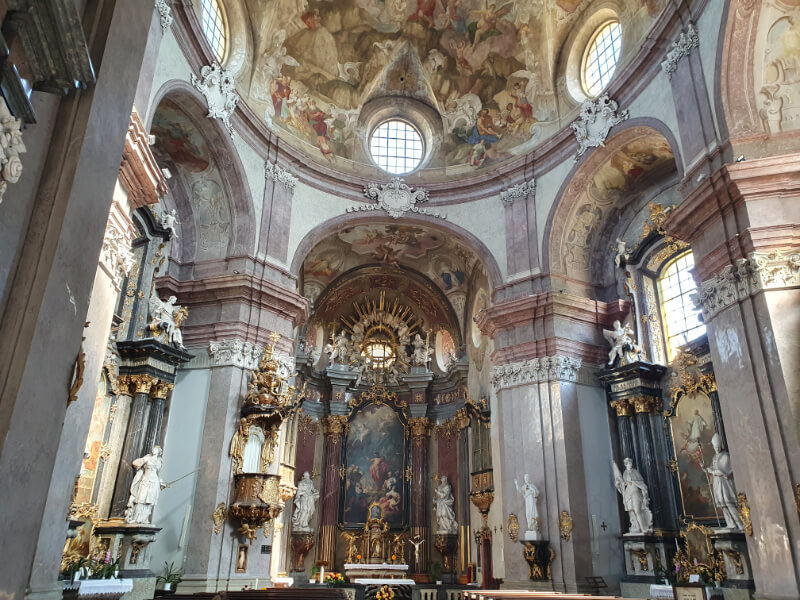
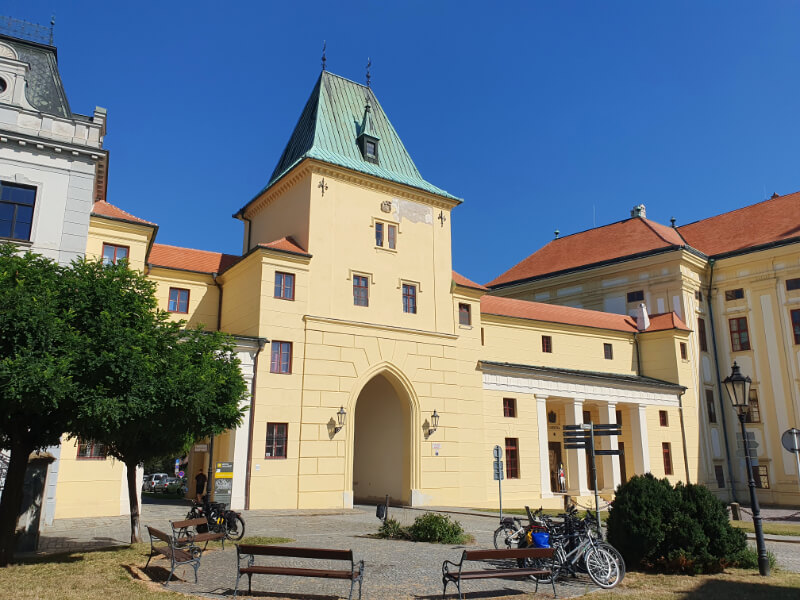
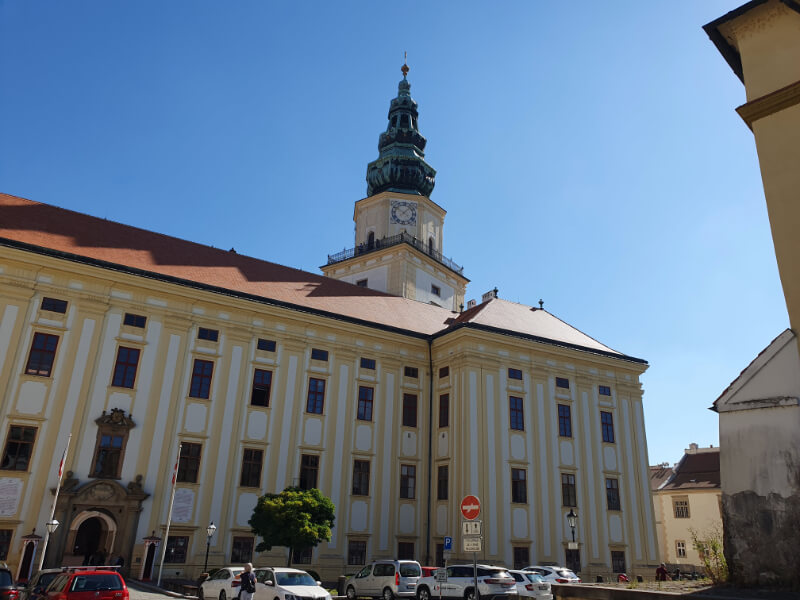
However, the city is also known for its winemaking traditions. Part of the Archbishop’s Castle in Kroměříž is the prestigious winery Archbishop’s Castle Wine Kroměříž, which produces excellent certified wines. For these wines, the grapes are grown without chemical treatment and the wine is made from them in a natural way. This means that there is no added sugar, aroma, coloring or any other additives. This is the oldest winery in the Czech Republic and Europe. I confirm that if you want to drink good wine in the Czech Republic, I definitely recommend the high-quality and pleasant-tasting Moravian wine to your attention.
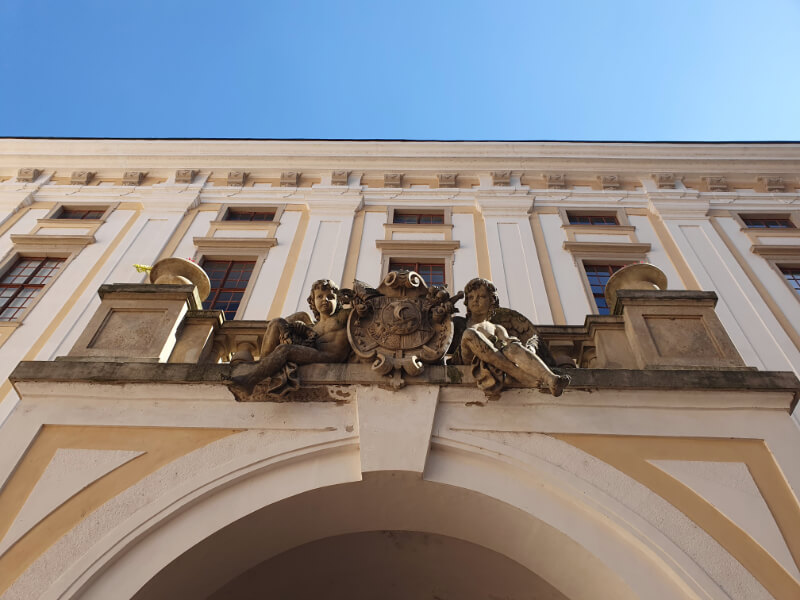
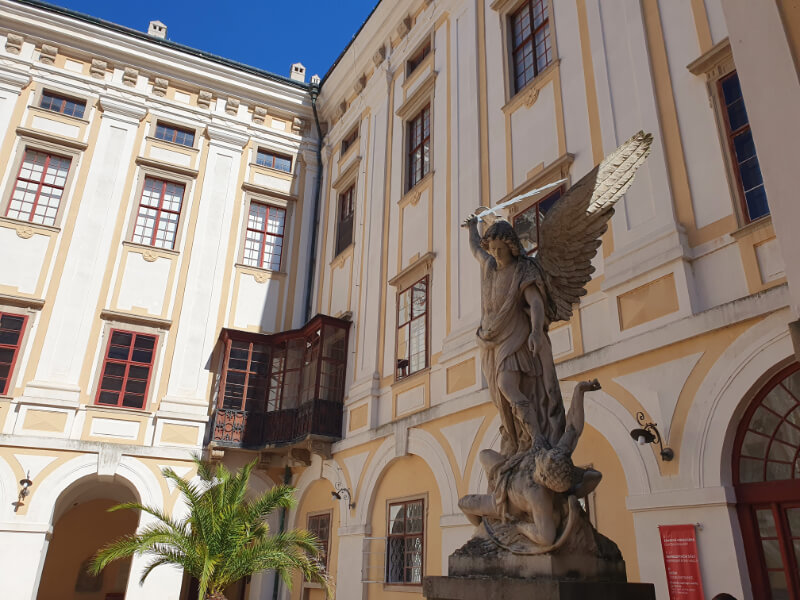
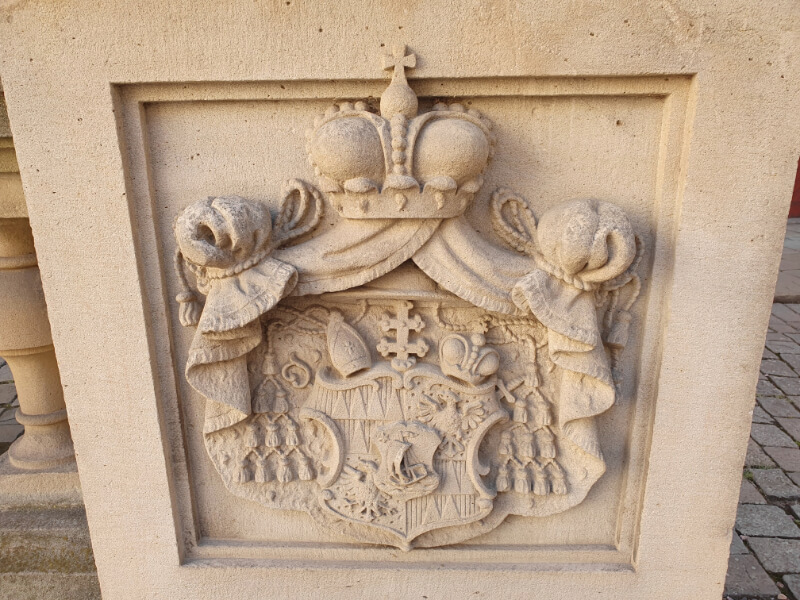
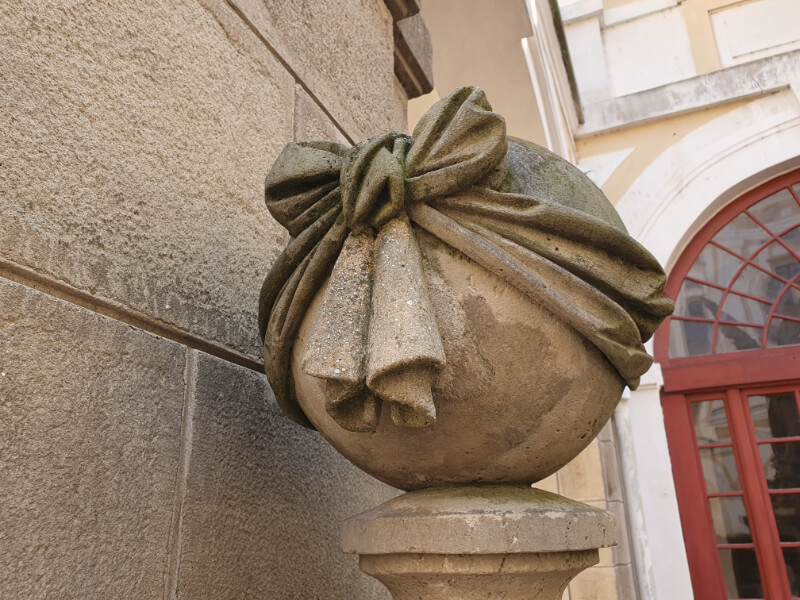
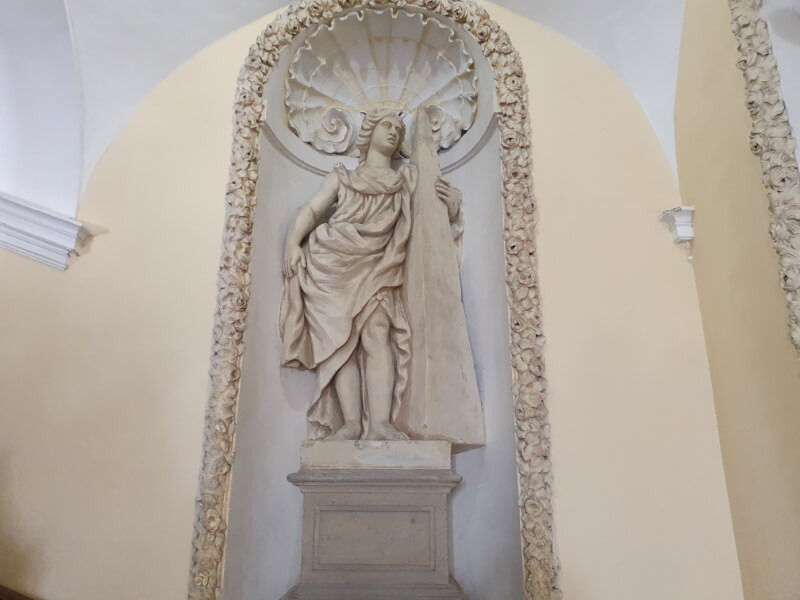
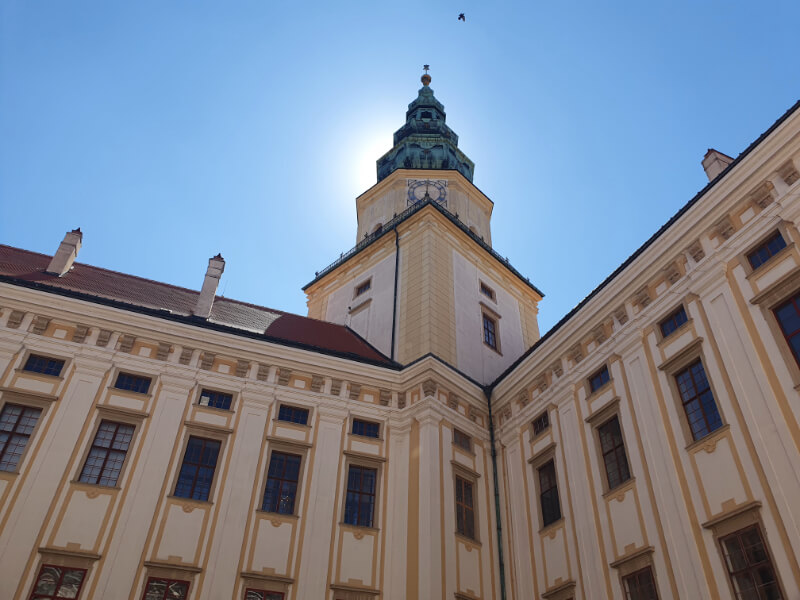
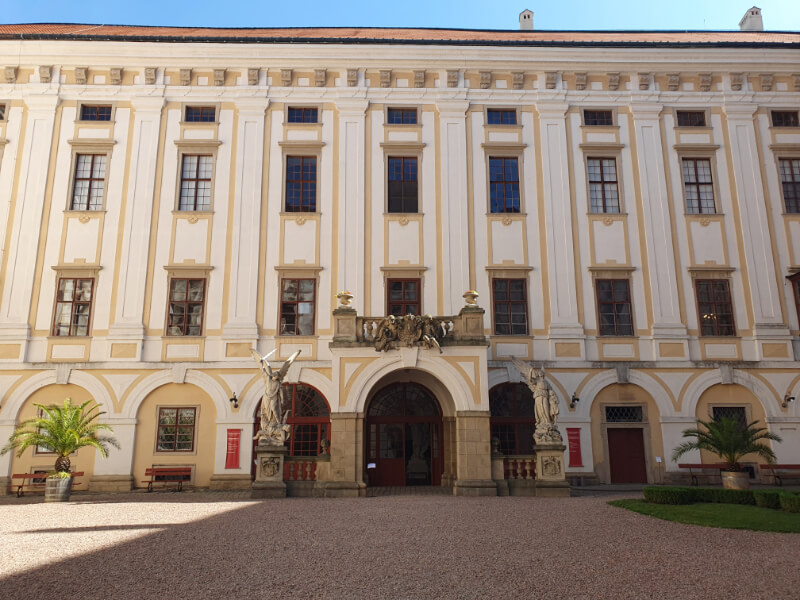
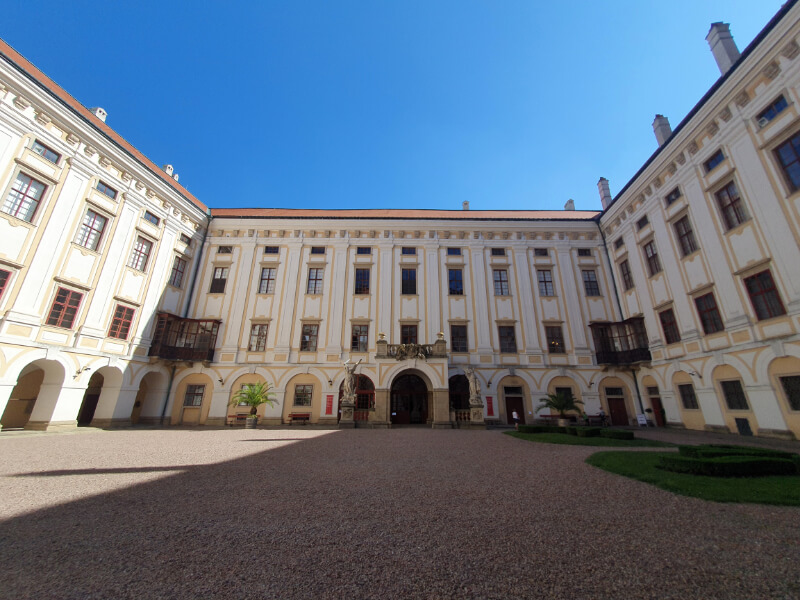
Kroměříž Archbishop’s Palace
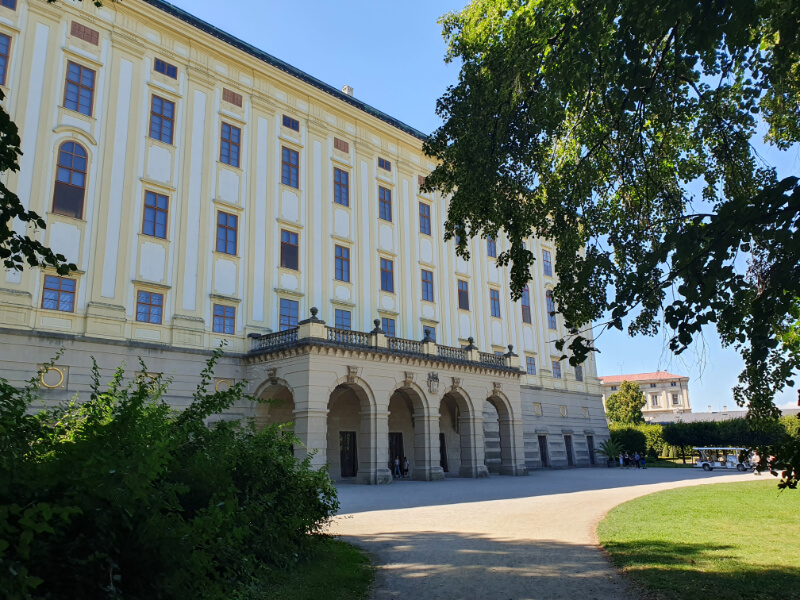
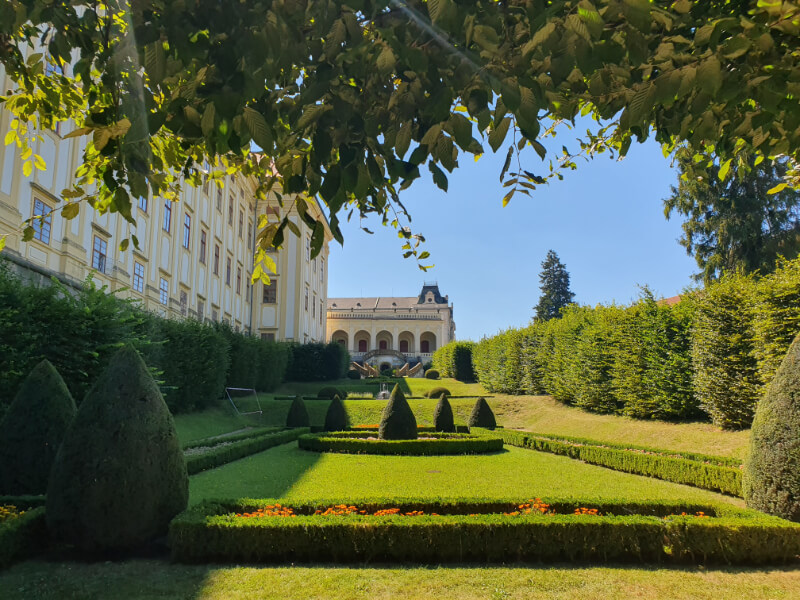
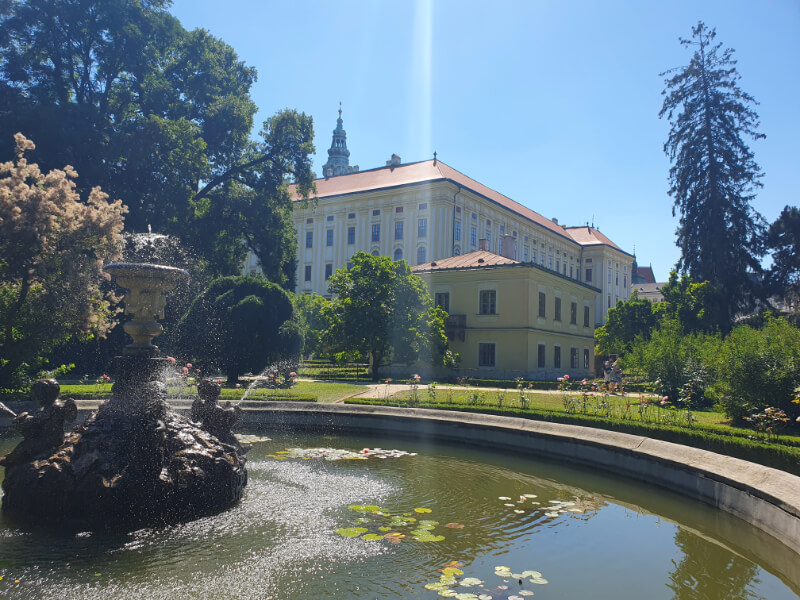
The Archbishop’s Palace was owned by the bishops and archbishops of Olomouc for centuries and served as their representative residence. It was built in the 13th century in the late Gothic style with Renaissance elements. In the second half of the 17th century, Bishop Charles II of Lichtenstein-Castelkorn had it rebuilt into a Baroque residence with the expertise of the architects Filiberto Luchese and Giovanni Pietro Tencalla. The dominant element of the castle is the 84-meter (~92-yard) high tower with a beautiful view. After a fire in the castle in 1752, Franz Anton Maulbertsch and Josef Stern were commissioned to decorate the castle halls with their masterpieces. These are still part of the palace’s collection today.
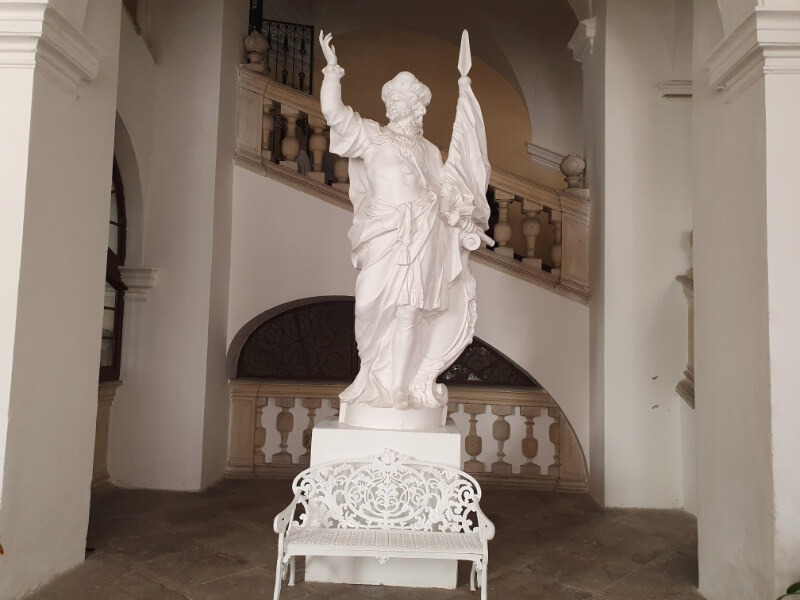
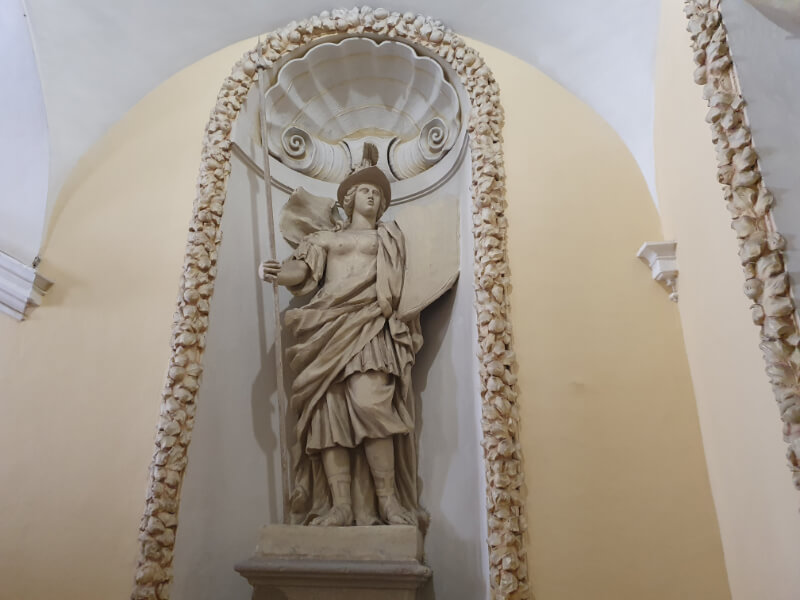
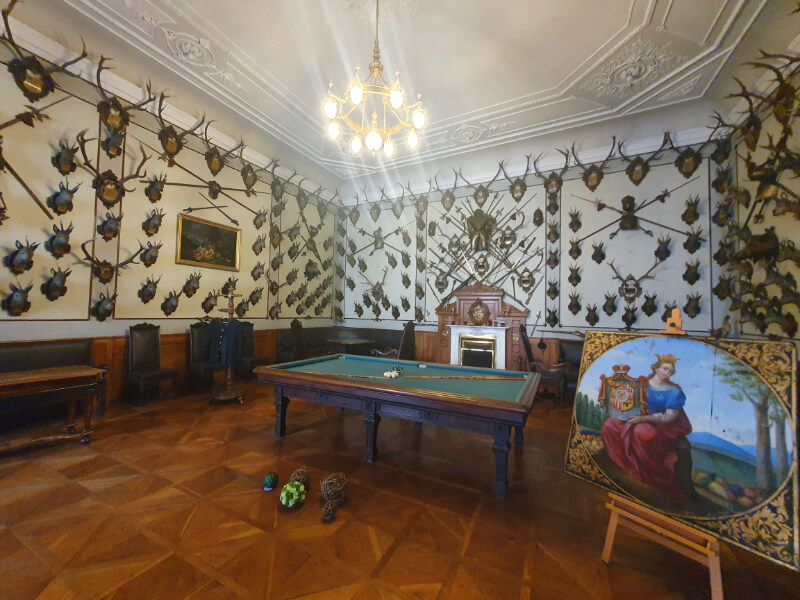
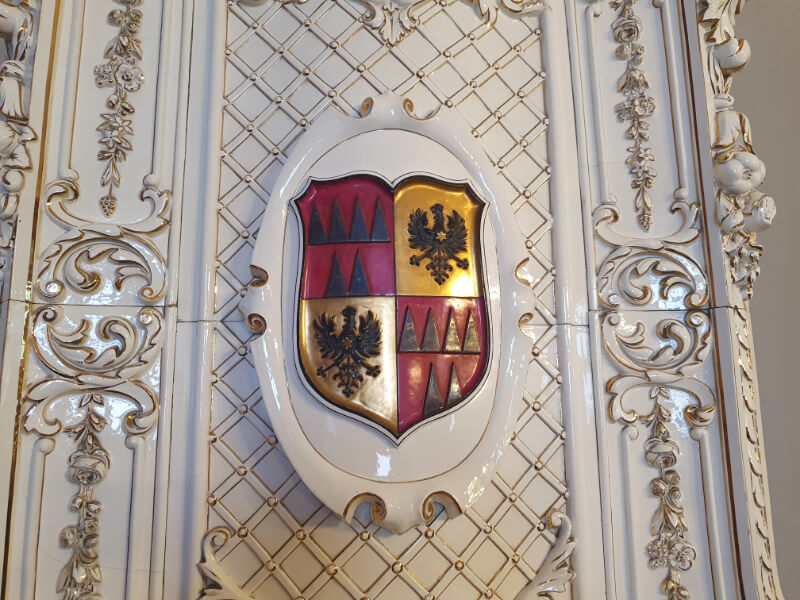
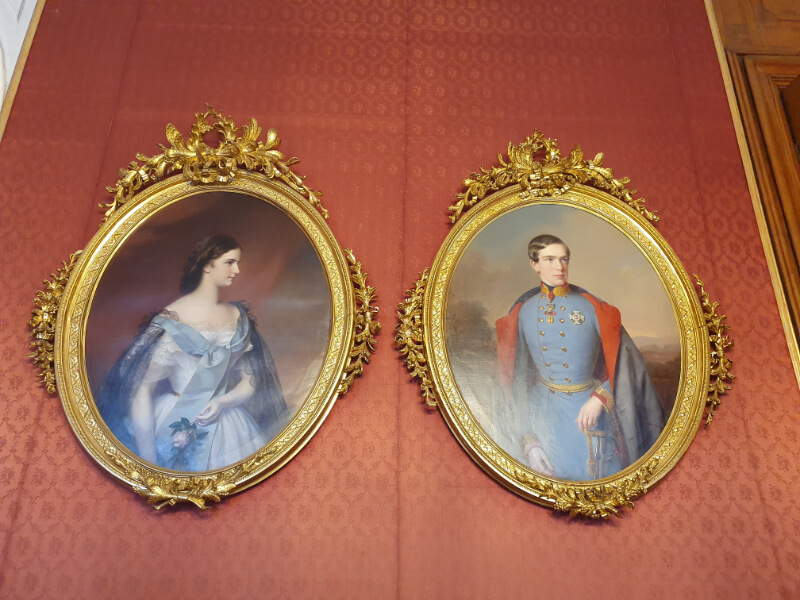
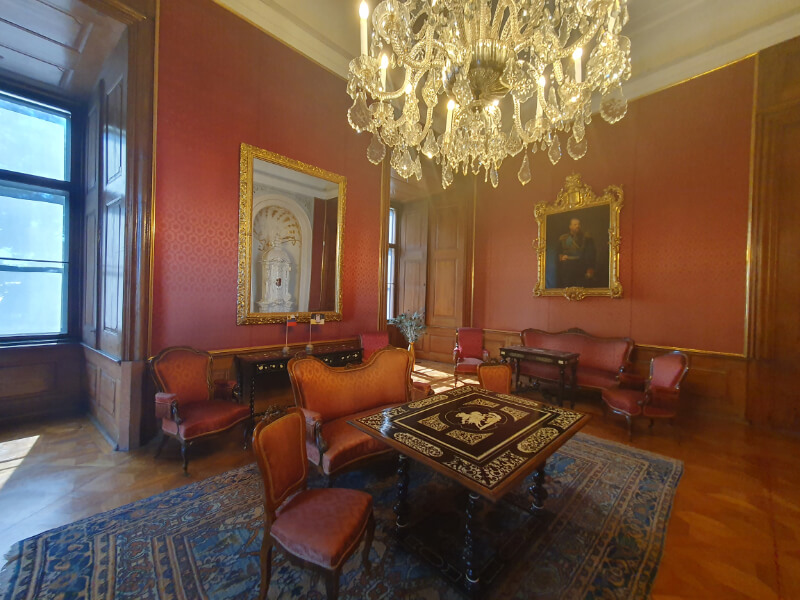
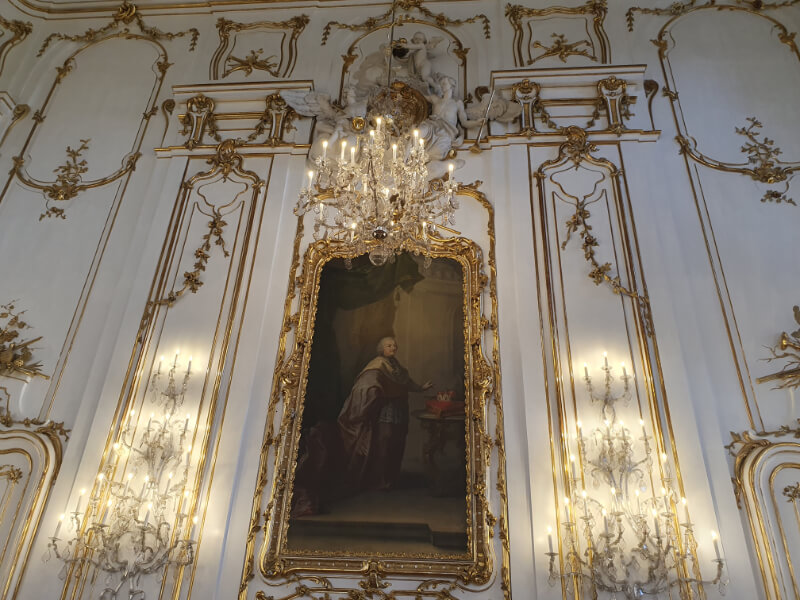
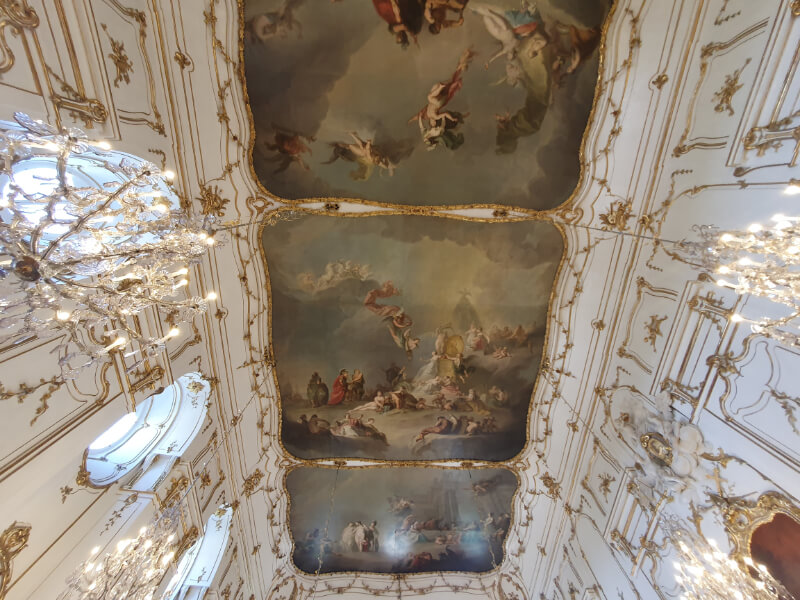
The works in its picture gallery come mainly from the collection of Bishop Karl Liechtenstein Kastelkorn. This prestigious exhibition is the second most important collection of paintings in the Czech Republic after the National Gallery. In addition to its extensive painting collection, the palace also boasts an outstanding music archive and a 33,000-volume library founded by Bishop Lichtenstein in the second half of the 18th century. Its beautiful interiors (Assembly Hall, Throne Room, Consultation room, Tsar’s room, Chapel of St. Sebastian, etc.) are decorated with neo-Baroque furniture, gilded stucco ceilings, picture panels, sculptures and ceiling paintings.
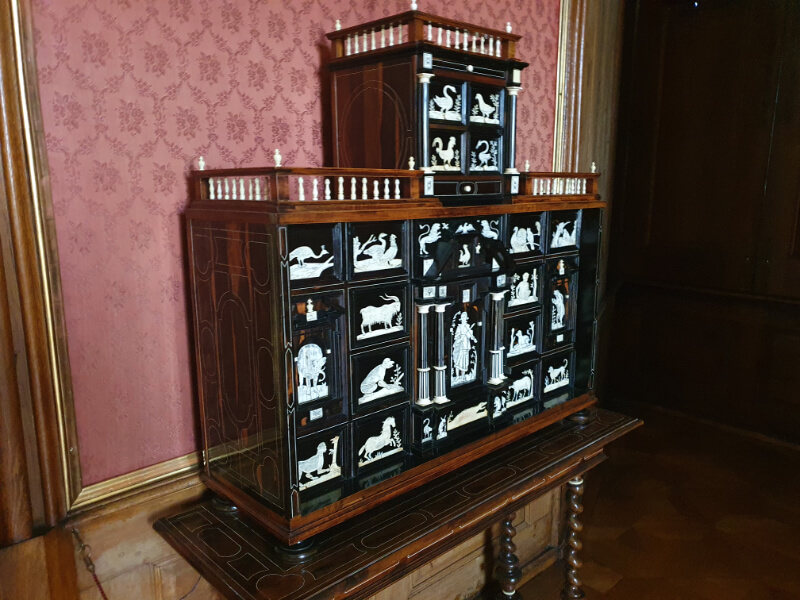
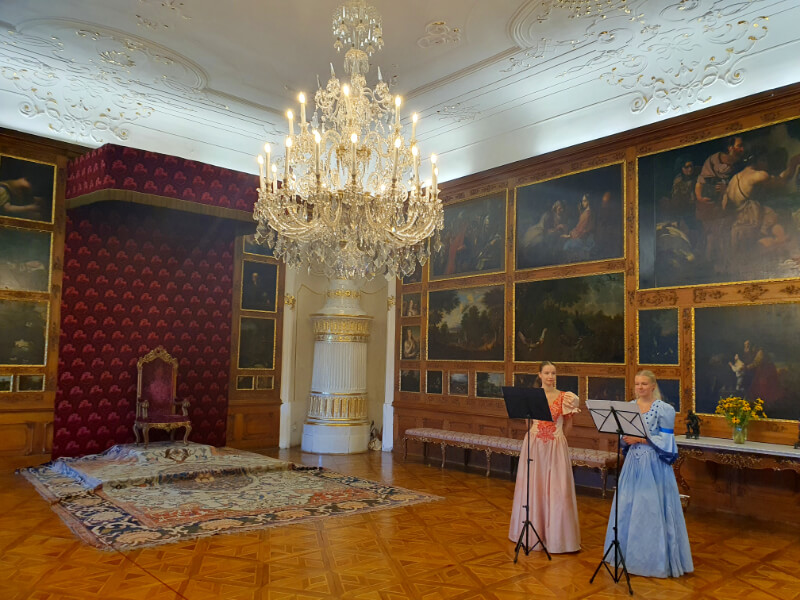
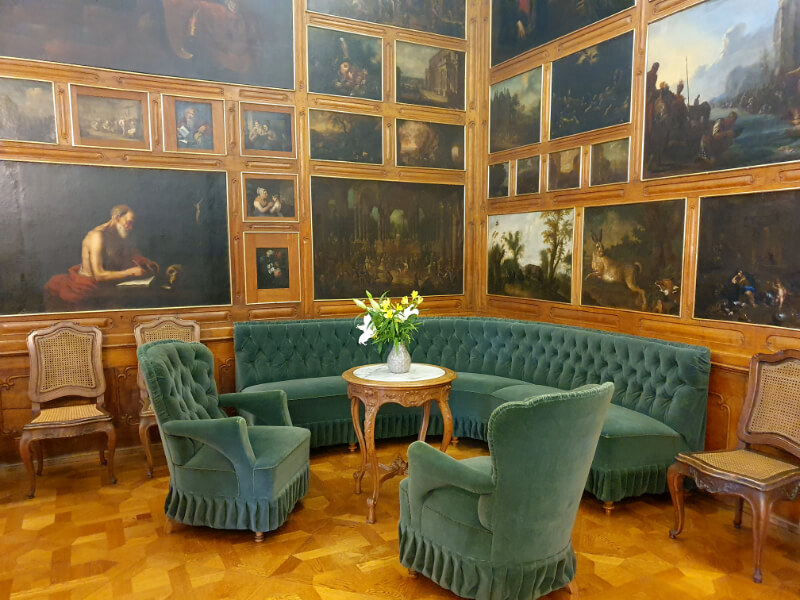
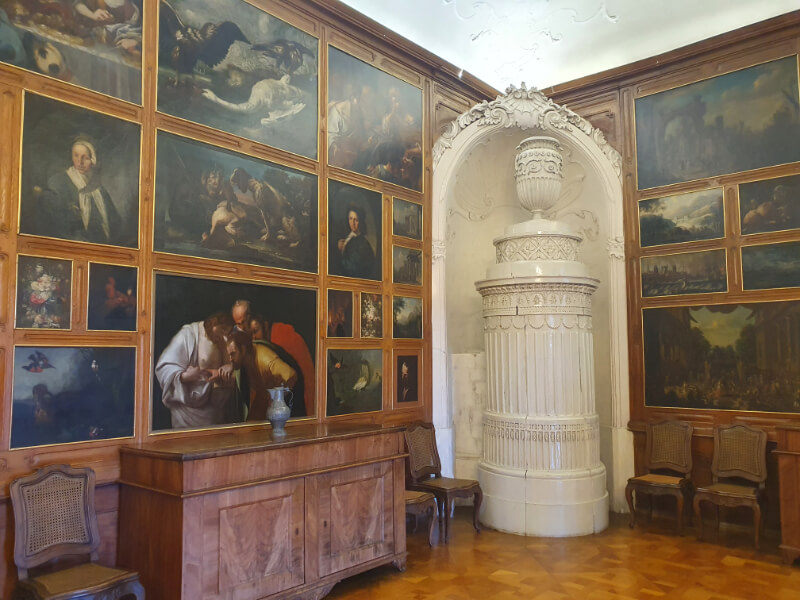
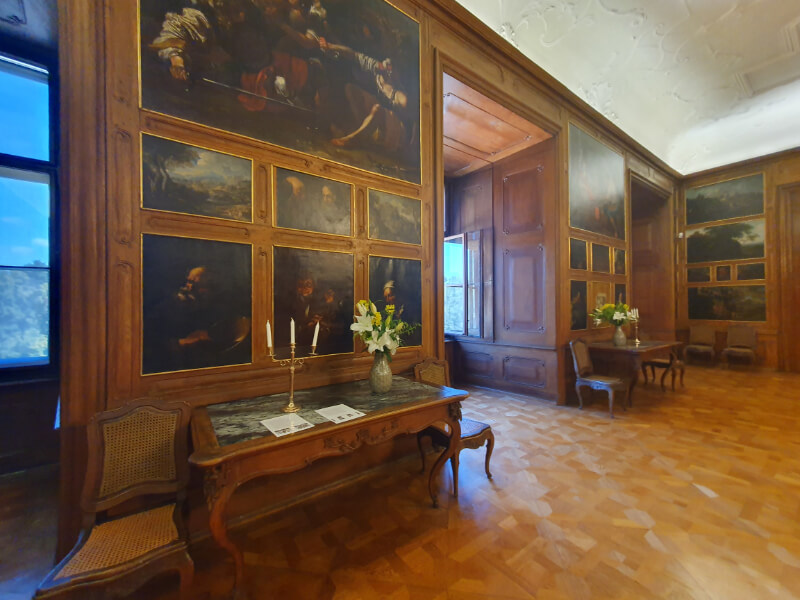
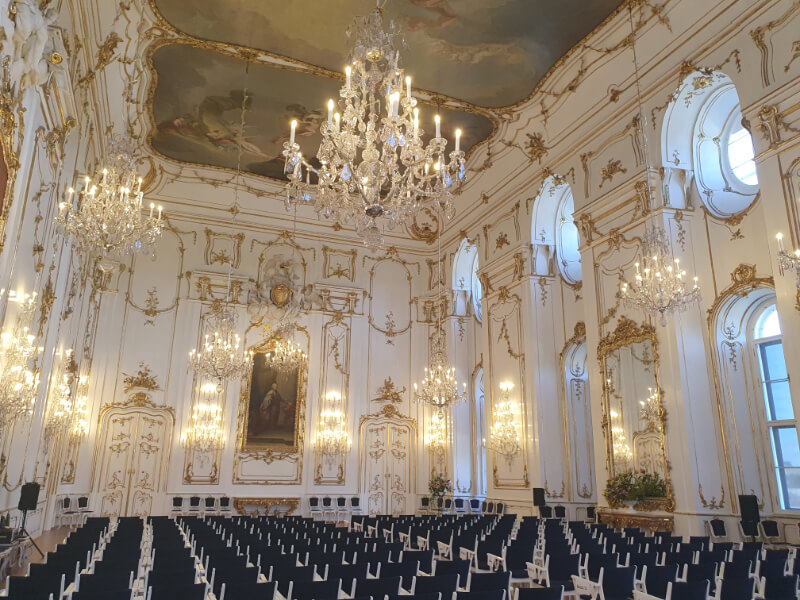
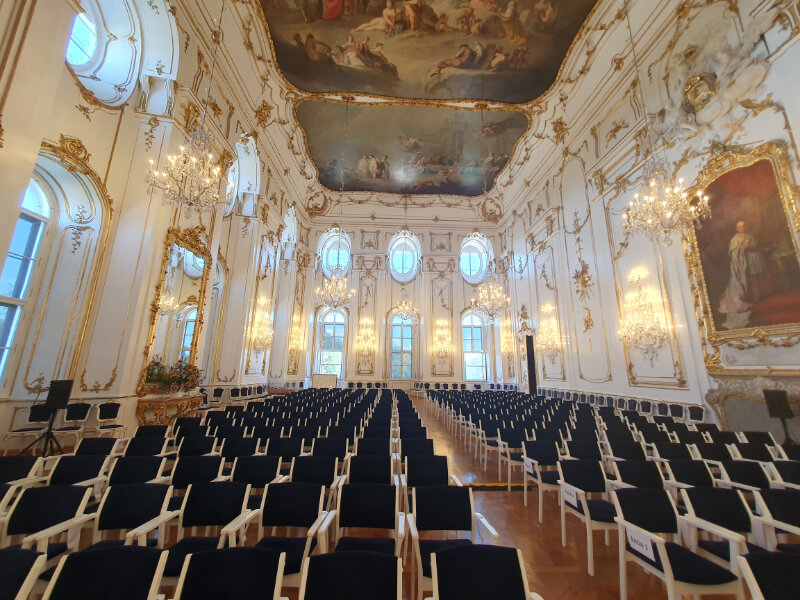
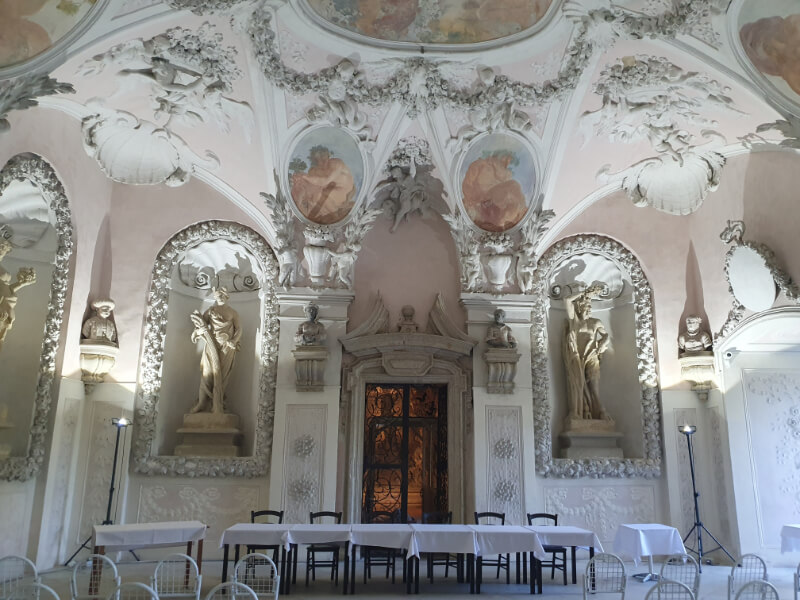
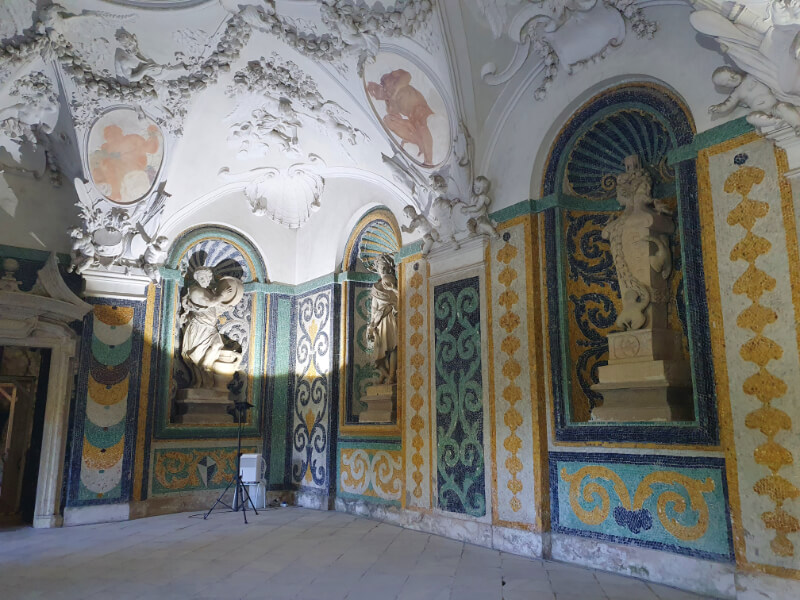
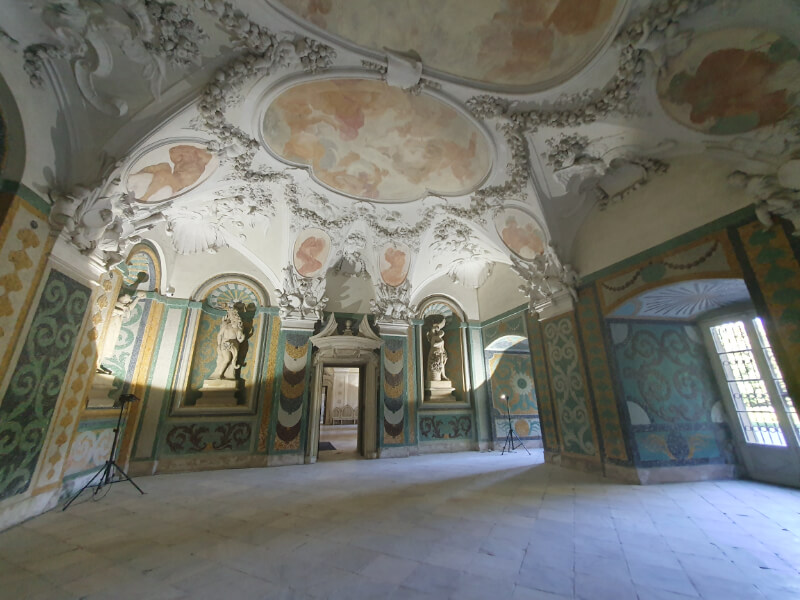
The palace’s Assembly Hall is one of the most beautiful rococo interiors in Central Europe, and is often used for film shoots. The Manx Hall is also very special, with its walls covered in artificial marble with gilded rococo carvings and breathtaking frescoes. On the ground floor of the palace is the Sala Terrana (Terran Room), which hosted musical and theatrical performances and provided a passage from the palace to the castle garden. It was designed in the 17th century by the Italian-Swiss architect Giovanni Pietro Tencalla.
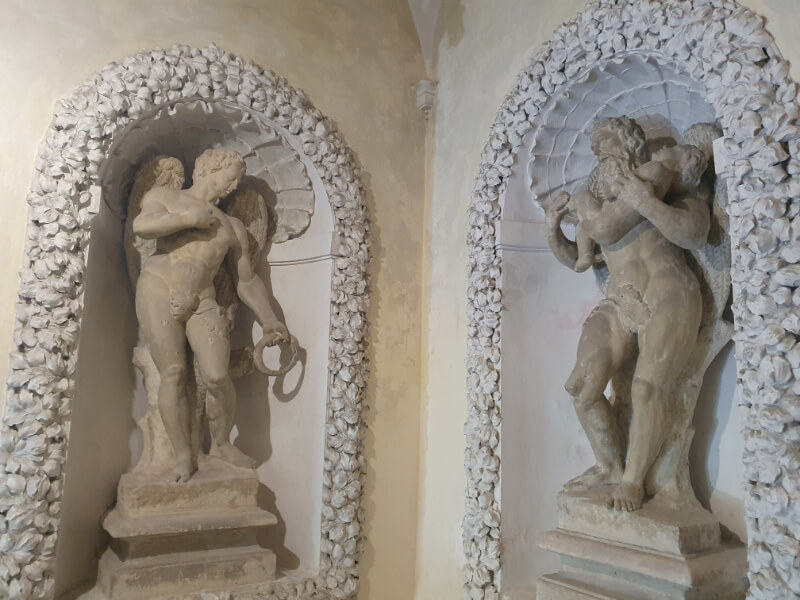
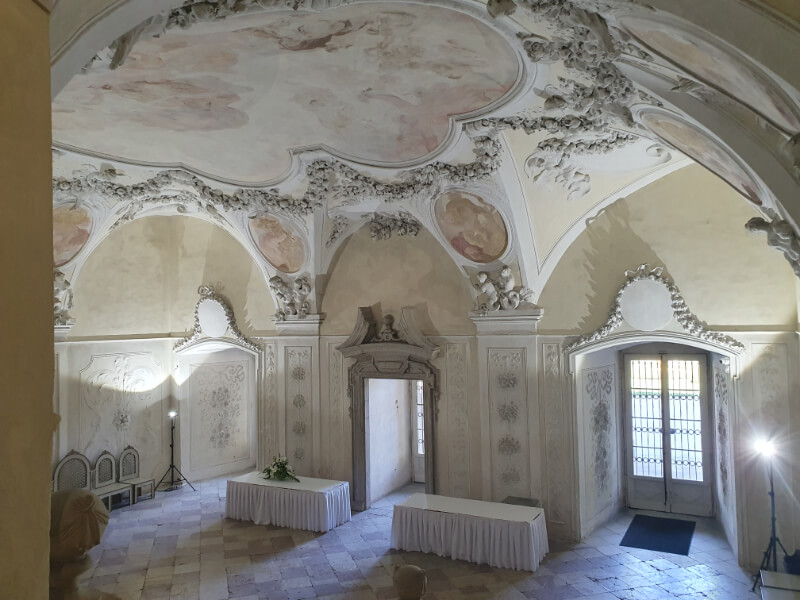
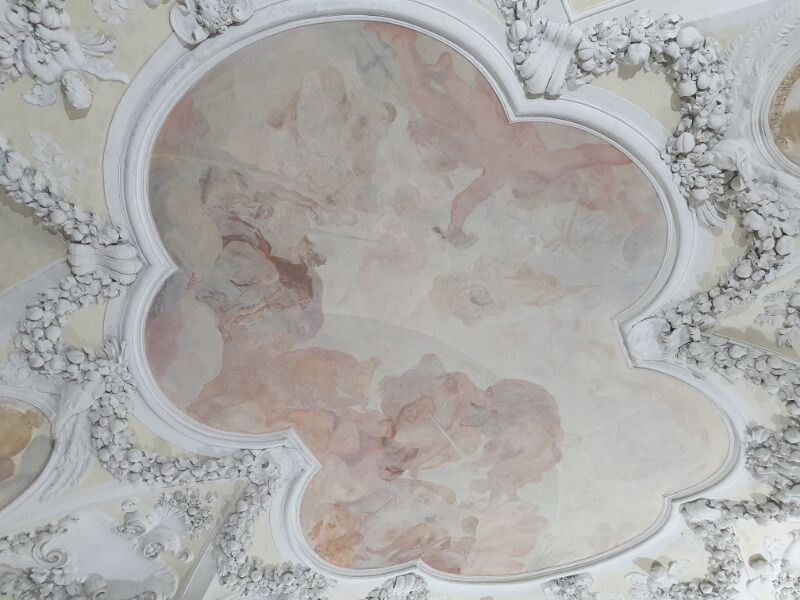
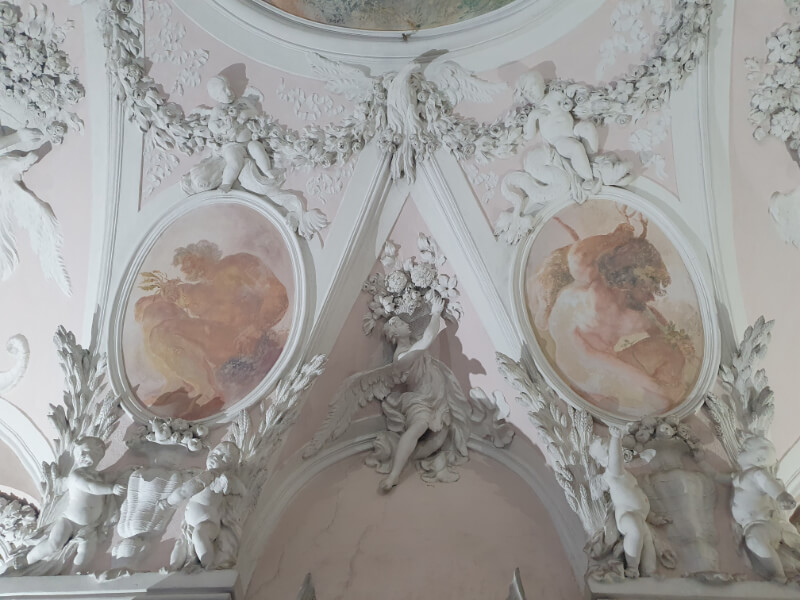
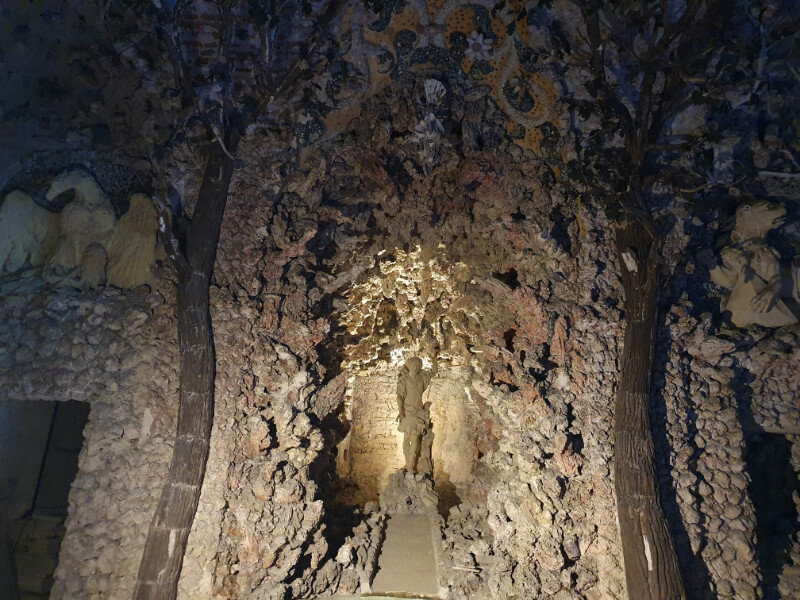
The frescoes are by the Italian painter Paolo Antonio Pagani, and the sculptures are by the sculptors Baldassare Fontana and Jean Baptiste Dusart. It consists of three large rooms with two artificial caves on the sides. The walls of the caves are decorated with artificial stalactites, minerals and shells and there is a fountain in the center. Even the floors in the rooms are special, with the imprints of the remains of sea animals. Furthermore, it is interesting to note that the Sala Terrana has retained its original 17th-century appearance to this day.
“Great buildings that move the spirit have always been rare. In every case they are unique, poetic, products of the heart.”
– Arthur Erickson
Castle Garden next to the palace
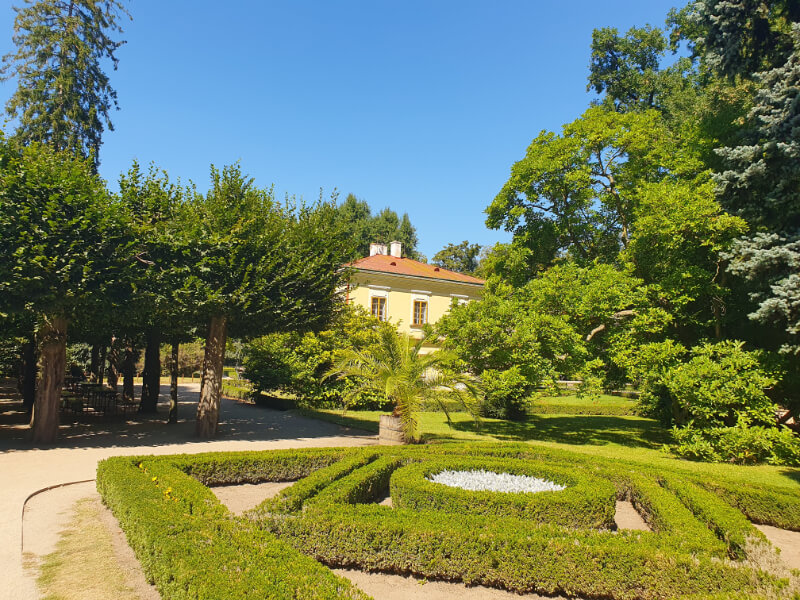
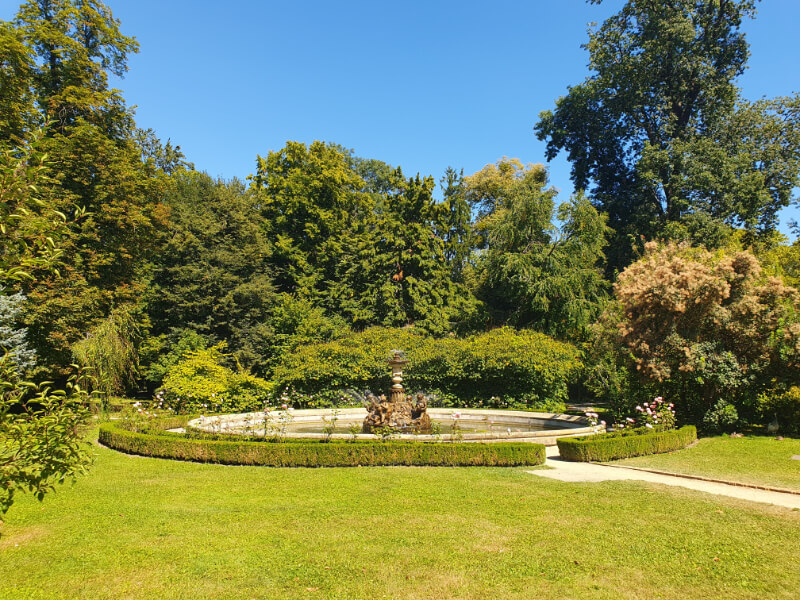
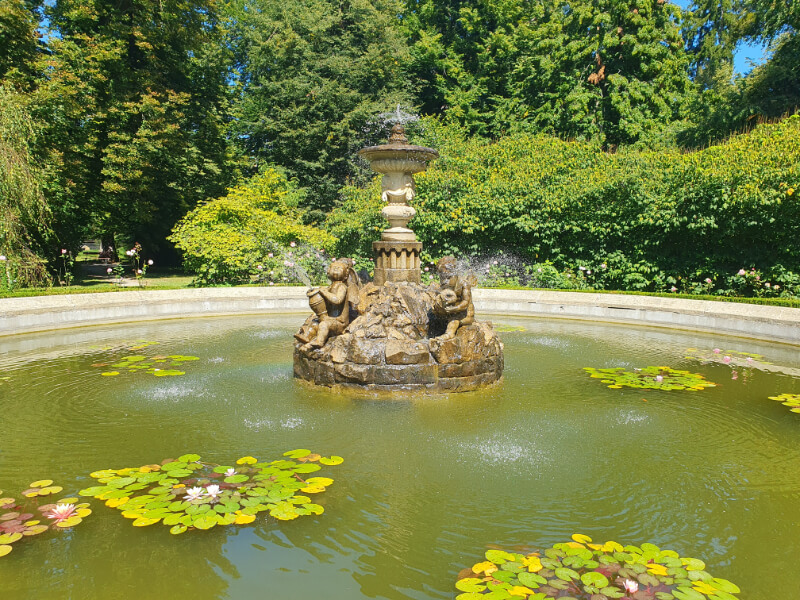
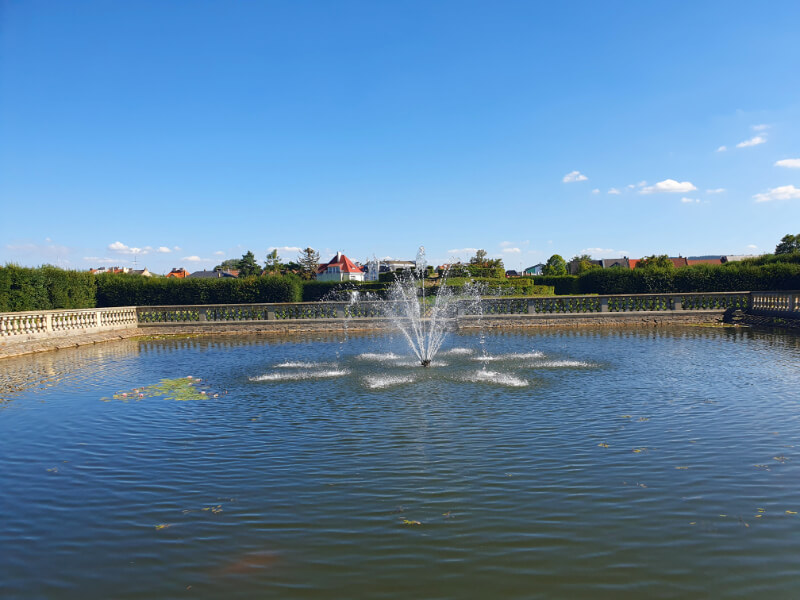
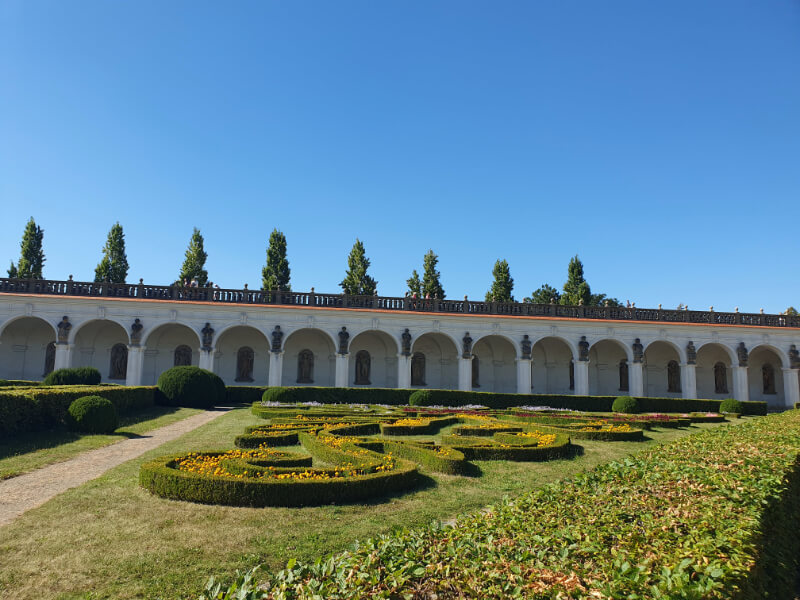
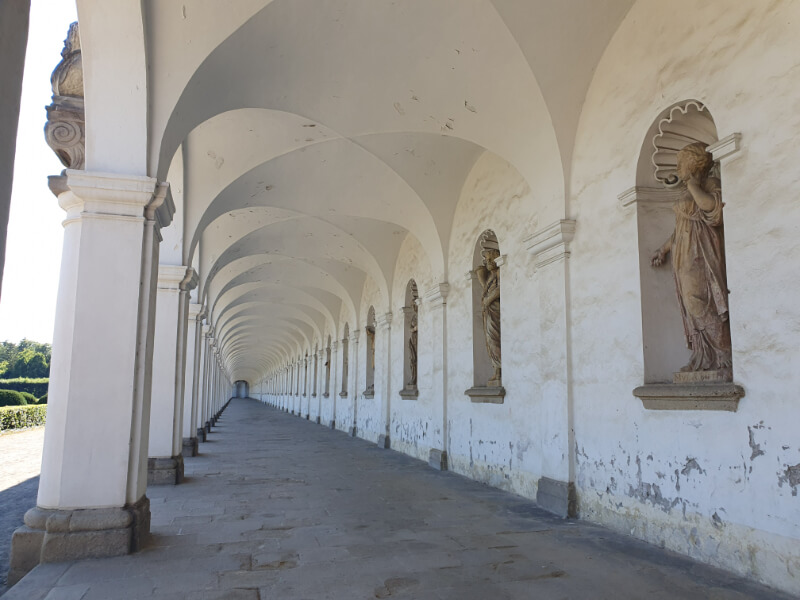
The Castle Garden was founded in the 16th century. Later it was transformed into an early Baroque style. At that time the ornamental garden with the central embroidery, fountain and sculptures was created. In the 18th century, further transformations were carried out. At that time, the colonnade with the flower terrace (giardino secreto) was built, as well as several smaller buildings, as well as summer houses, swings, artificial ruins with waterfalls. This park, designed in the style of an English garden, is located directly next to the chateau and covers an area of 64 hectares. It has several lakes, grassy areas and a unique collection of trees.
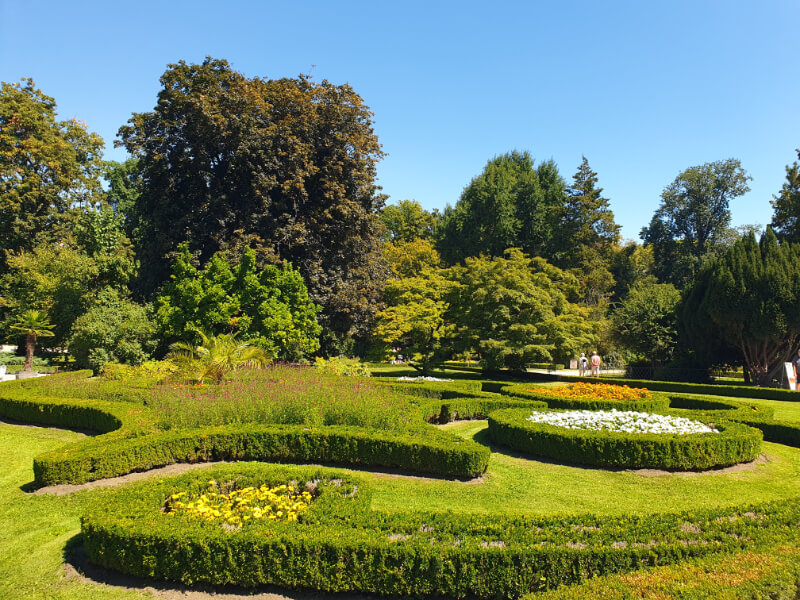
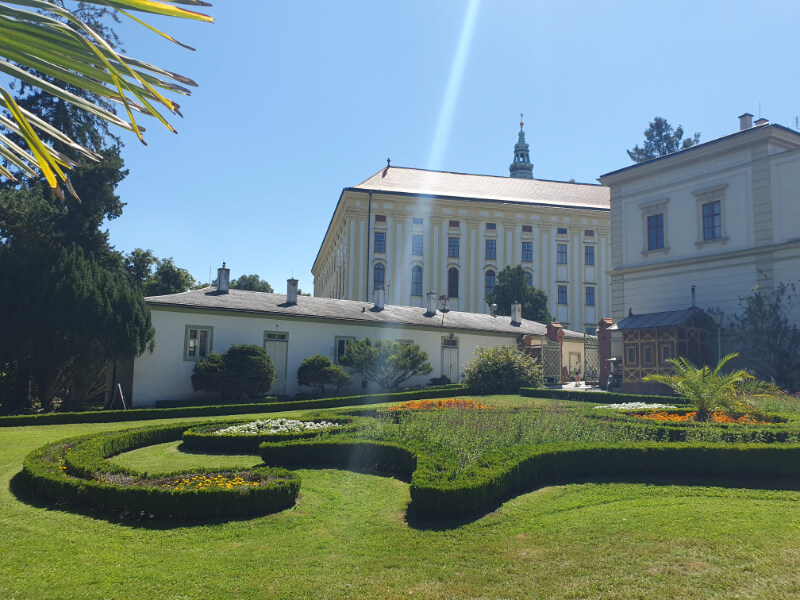
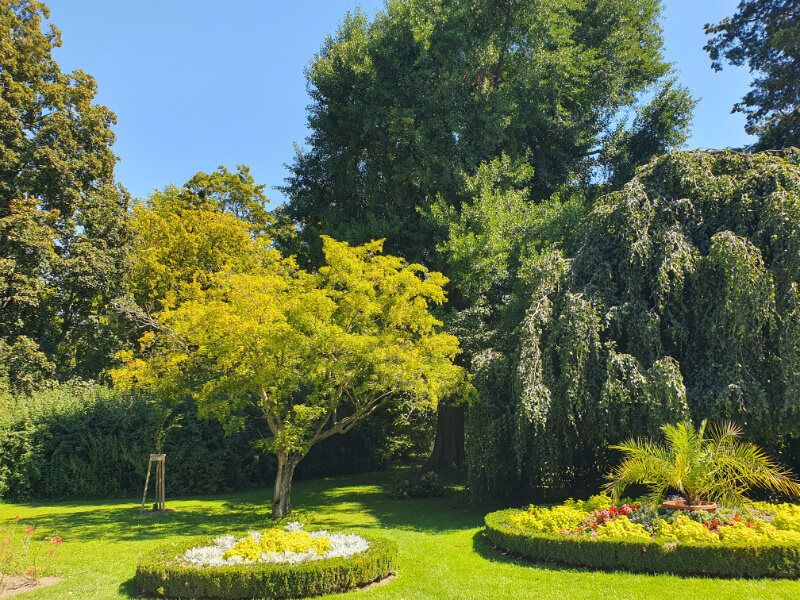
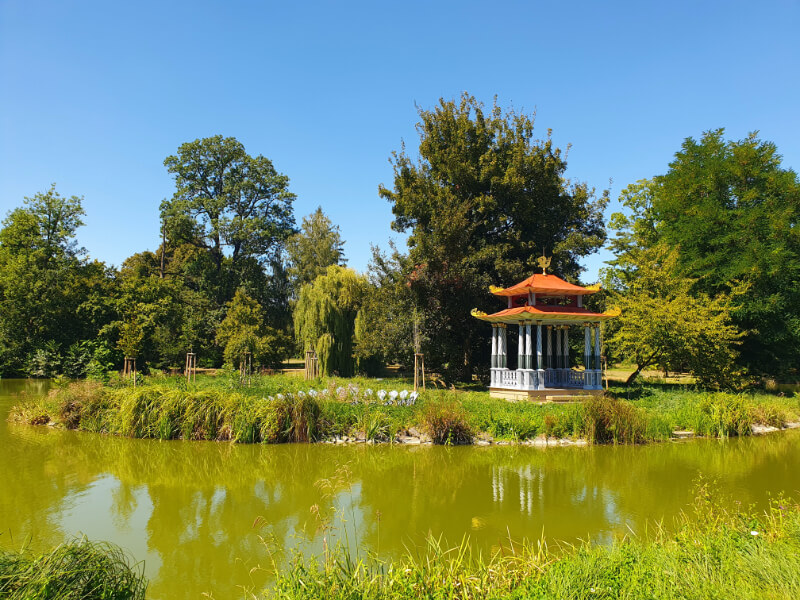
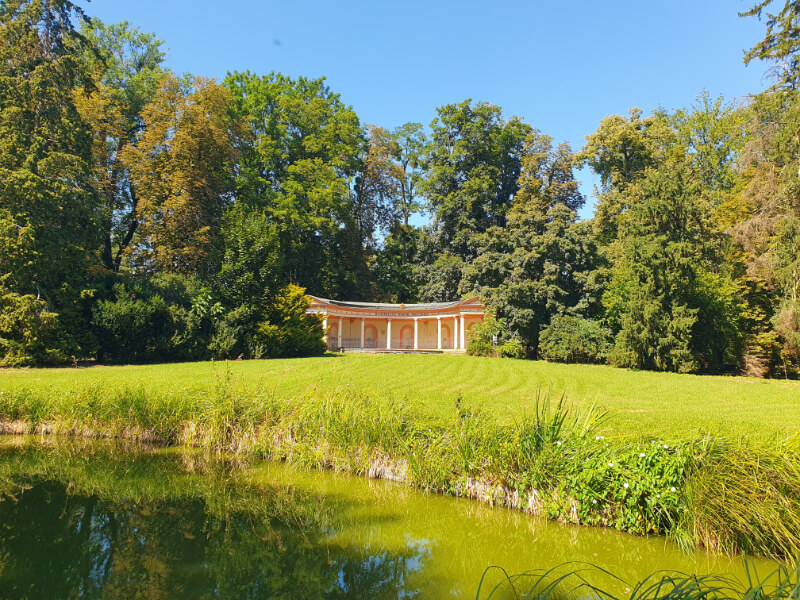
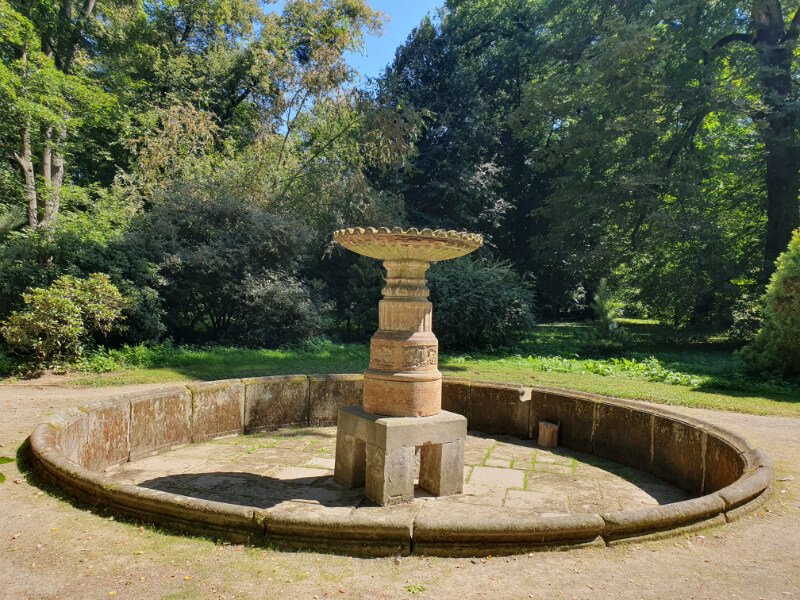
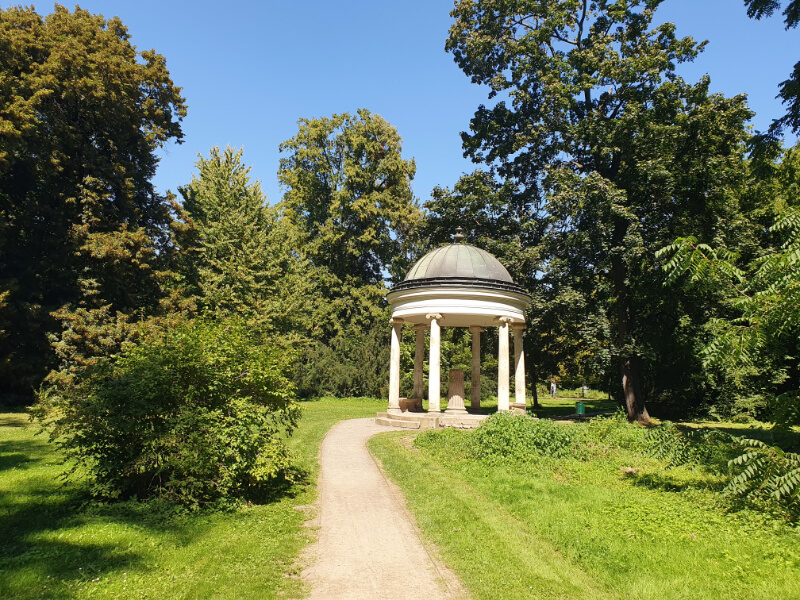
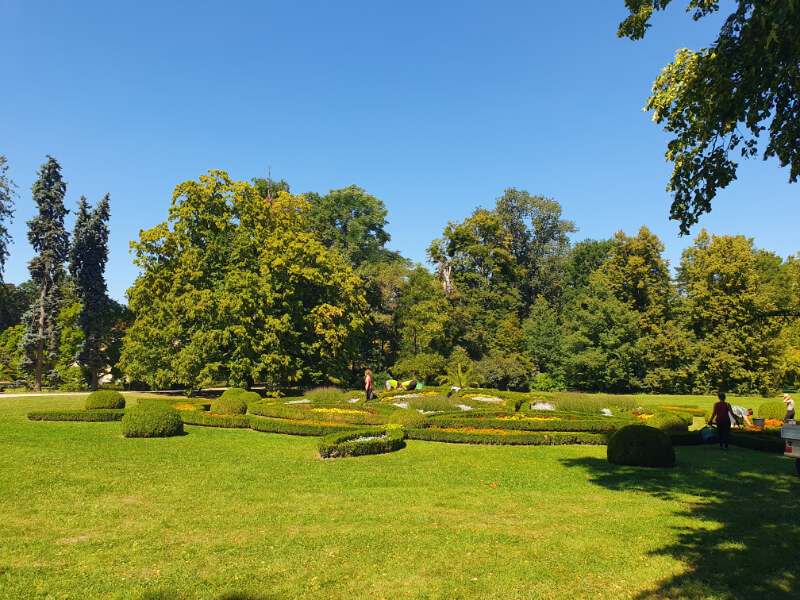
It contains many rare and exotic tree species from different parts of Europe, America and Asia. In addition, exotic birds and monkeys are kept here, and this area also serves as a nesting place for rare wild birds. In 1832 it was transformed into a nature reserve. They created the Pompeii colonnade, a network of waterways and bridges, the Fisherman’s Pavilion, the Gardener’s House, the Chinese Pavilion. I especially liked that the peacocks could walk freely in the garden.
Flower Garden
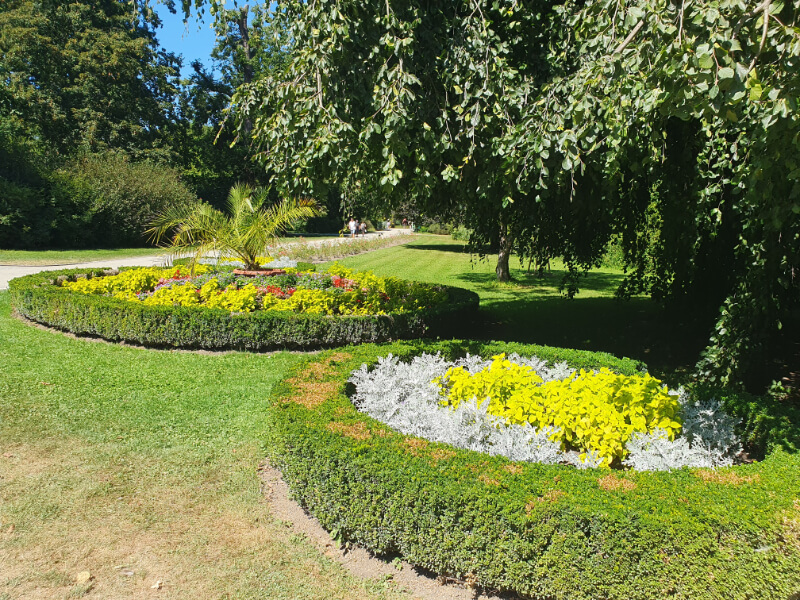
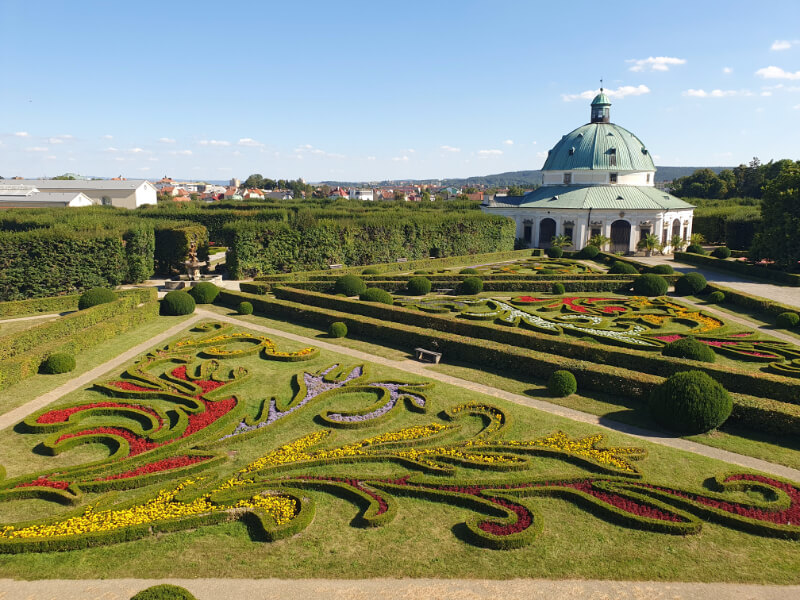
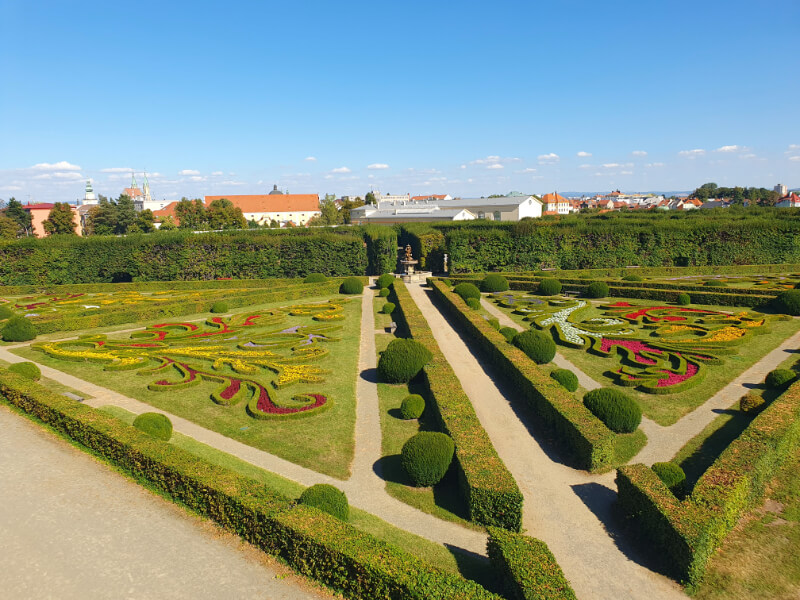
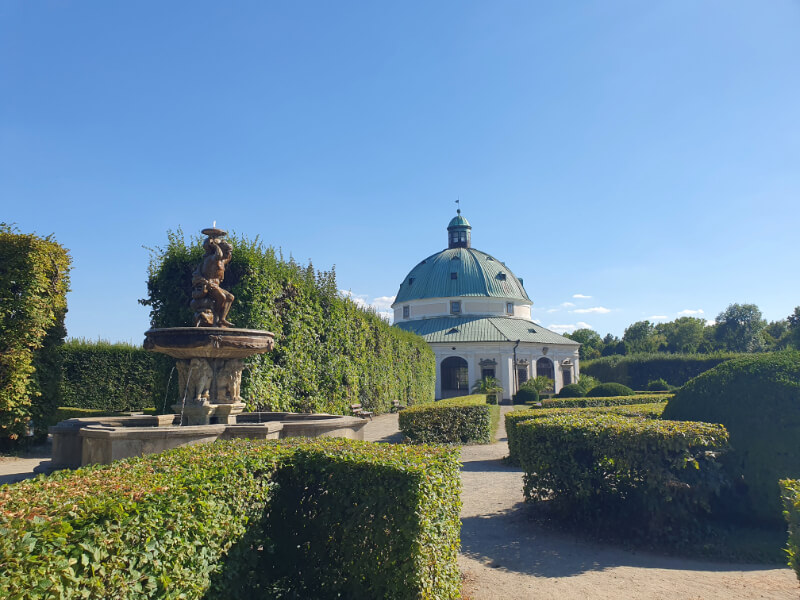
In the 17th century, the architects Filiberto Luchese and Giovanni Pietro Tencalla also designed the Baroque flower garden, which elegantly combines Italian and Dutch influences in its style. The garden was expanded in the 18th century with several greenhouses, and in the 19th century, its 53 hectares were transformed into a landscape park. Today, it is home to more than 200 rare tree species from different parts of Europe, America and Asia.
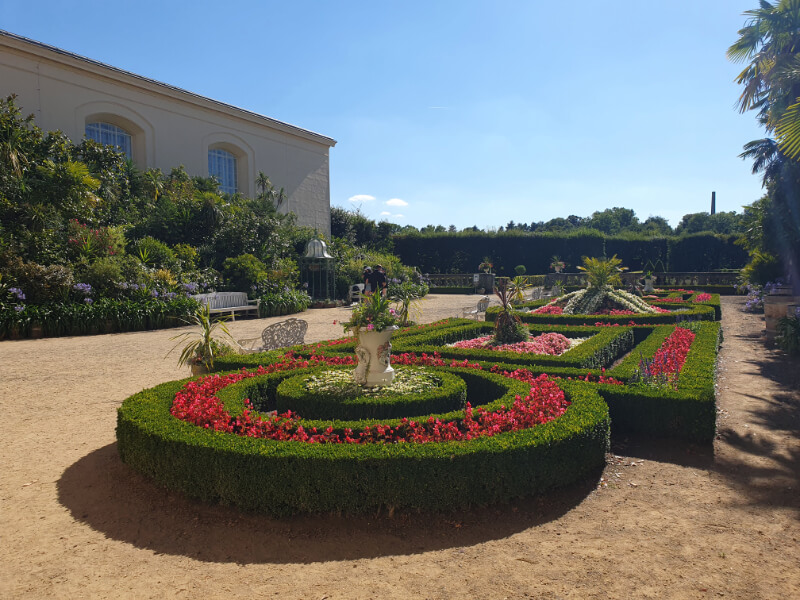
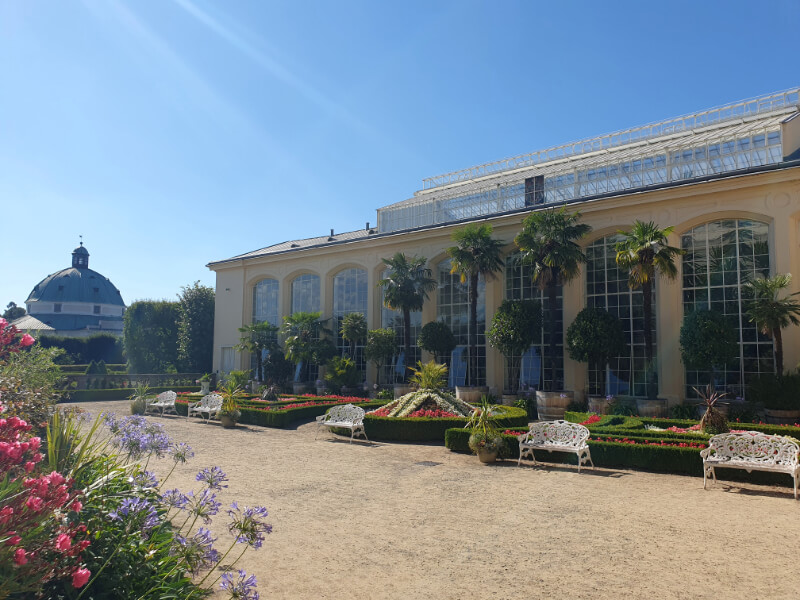
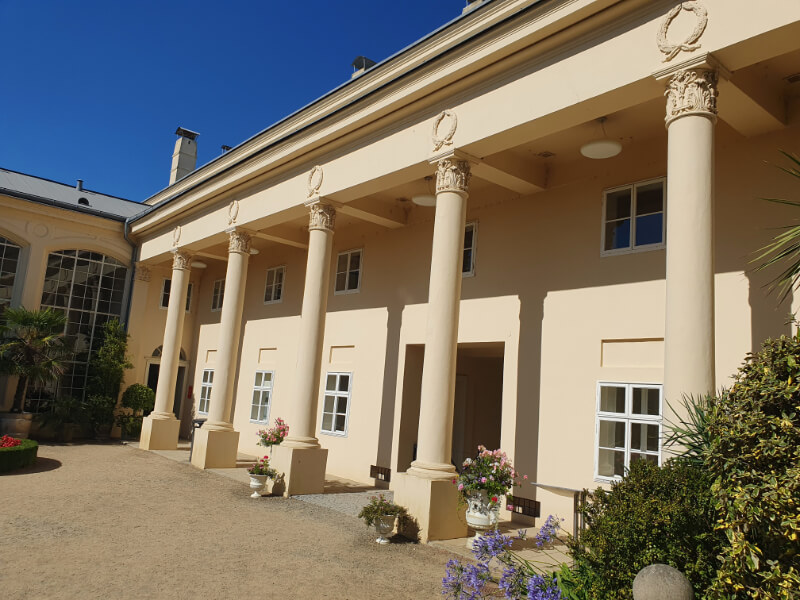
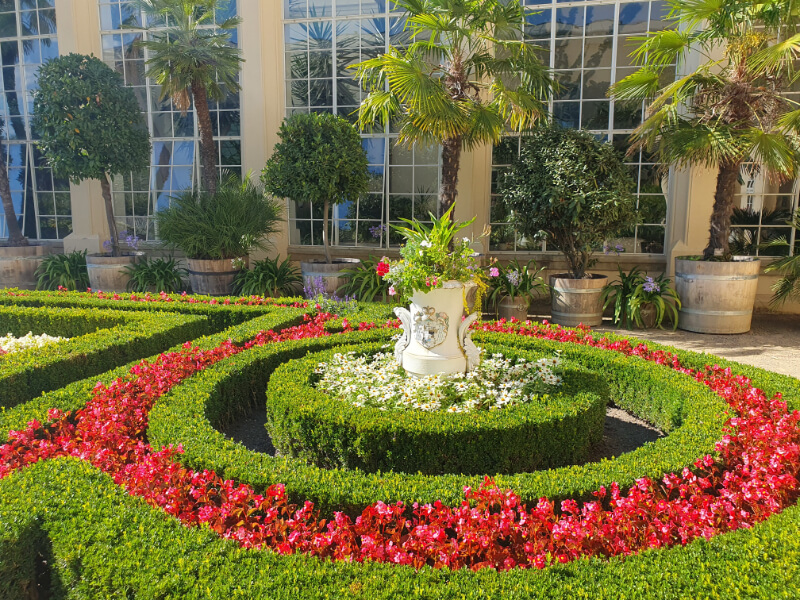
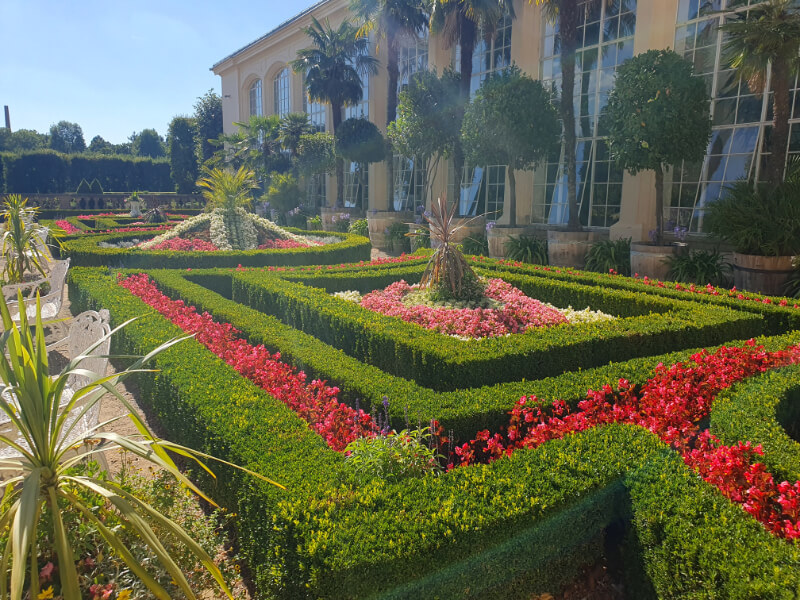
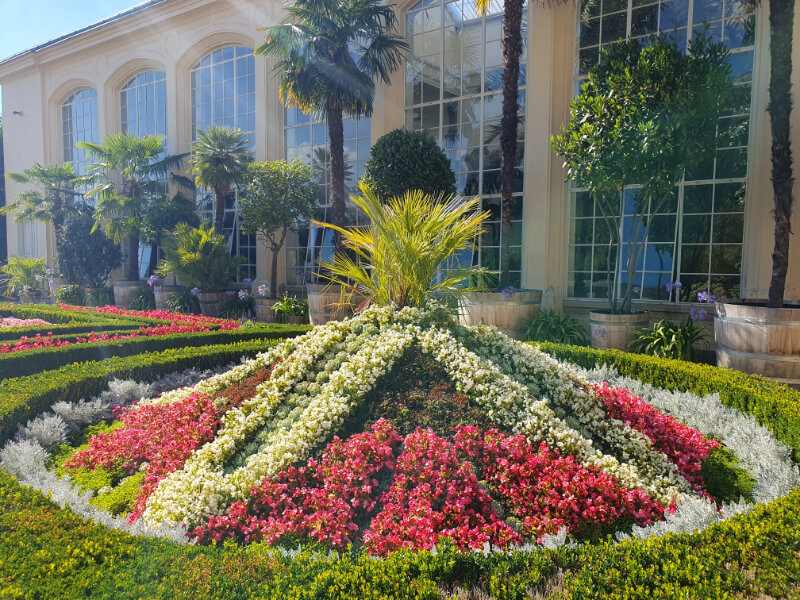
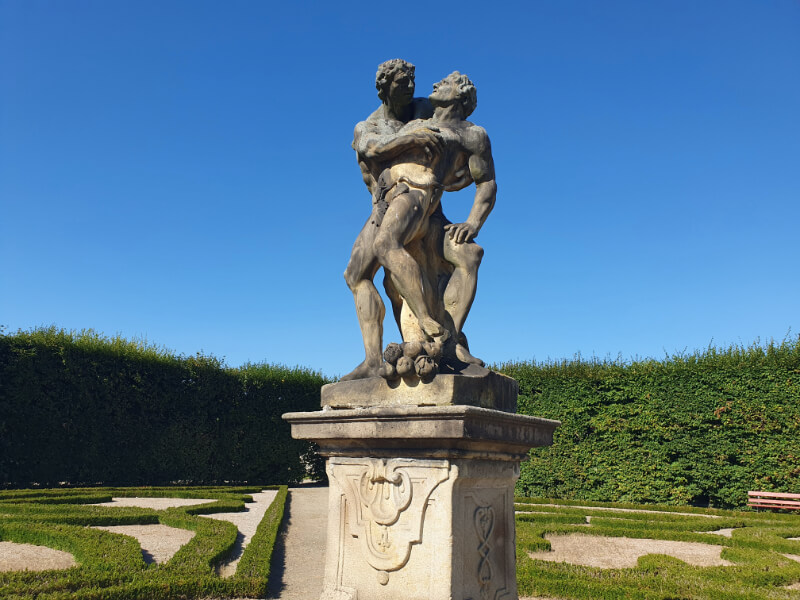
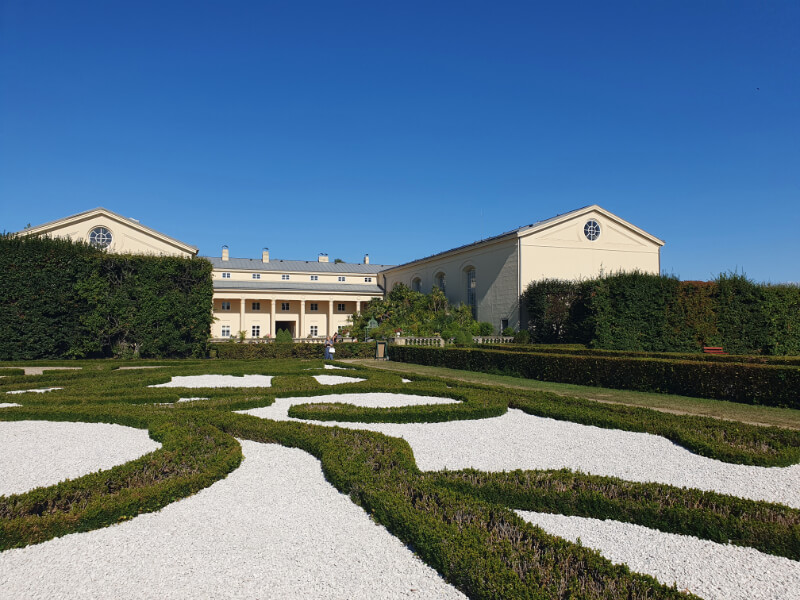
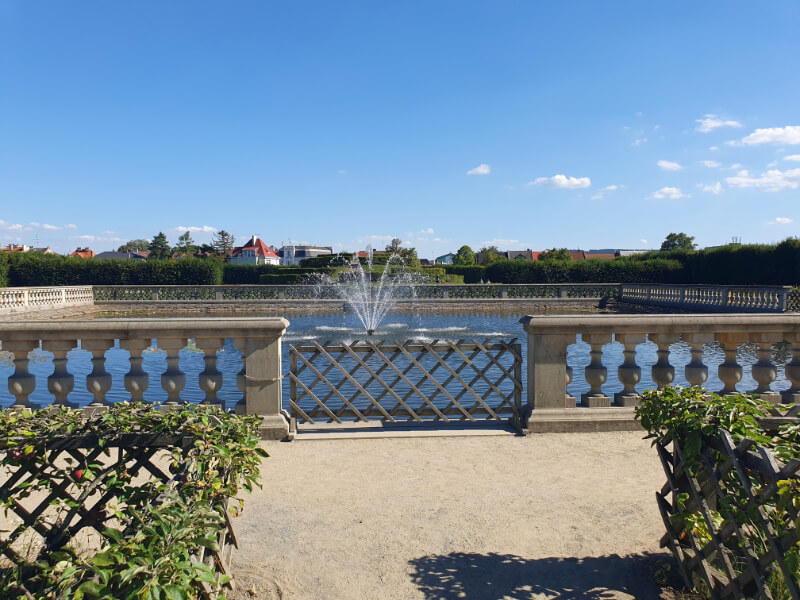
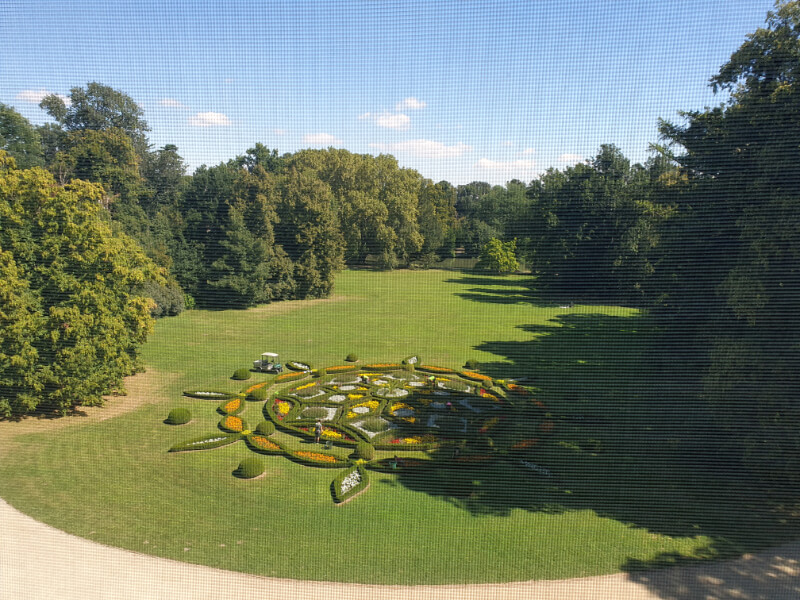
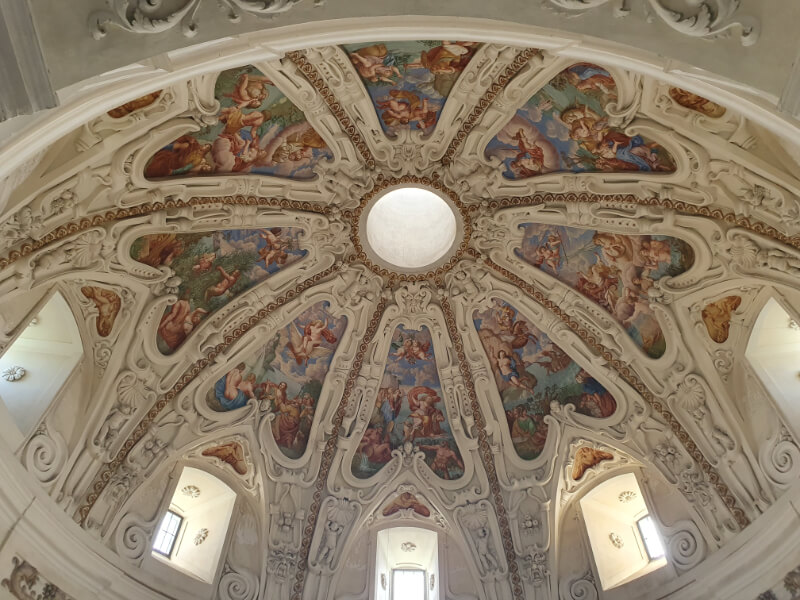
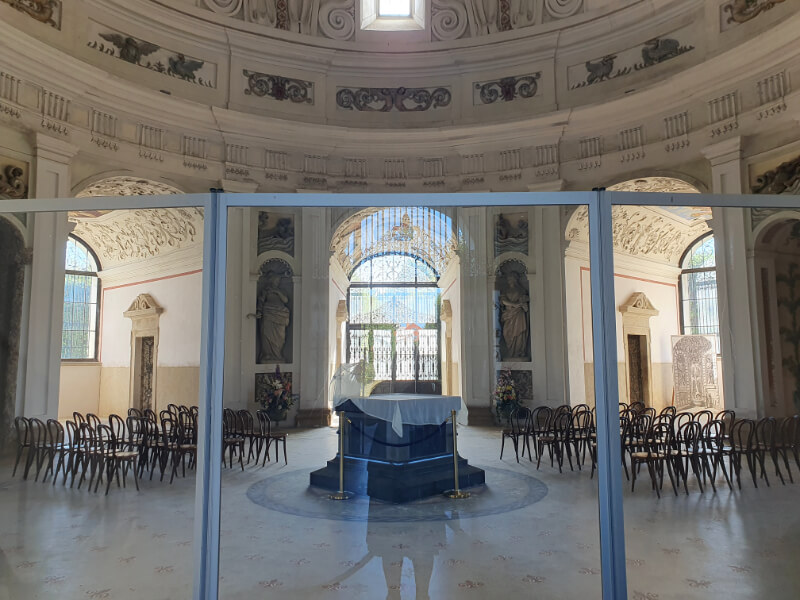
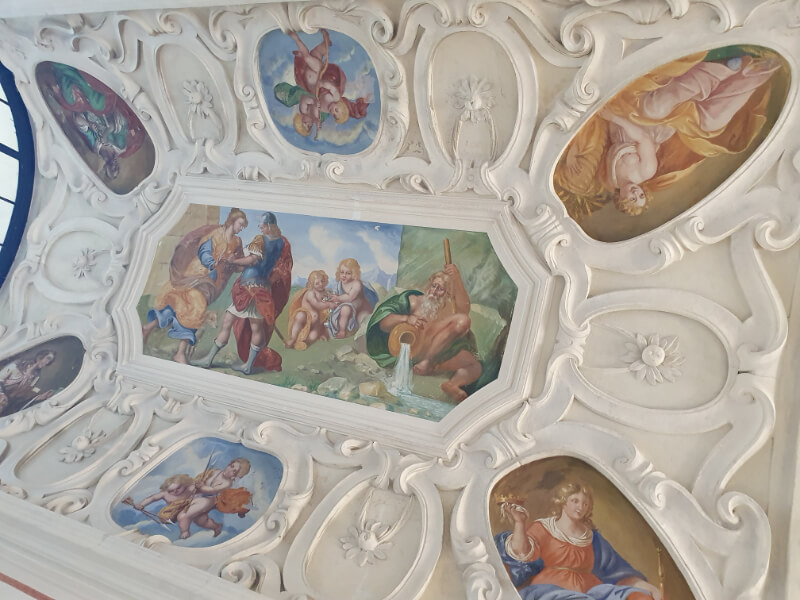
The garden has a regular geometric layout. It consists of two parts, a flower garden and an orchard, which are decorated with sculptures and fountains. The center of the garden is the Rotunda building. Its magical interior is richly decorated. The mosaic floor made of small pebbles, stained glass windows, sculptural decorations and ceiling paintings. The frescoes on the stucco ceiling of the dome depict eight mythological scenes, each of which was inspired by Ovid’s Metamorphoses. The garden around the rotunda has an embroidered layout, which we can also view from above.
“Beauty is the only thing that time cannot harm. Philosophies fall away like sand, creeds follow one another, but what is beautiful is a joy for all seasons, a possession for all eternity.”
– Oscar Wilde