The flourishing market town
Nedvědice, a town of only 1,300 inhabitants, is located in the South Moravian region, 30 kilometres (20 miles) northwest of Brno, at the confluence of the Svratka and Nedvědička rivers. The first written documentation of the town dates back to 1350, when it was a flourishing market town owned by the Pernštejn family.
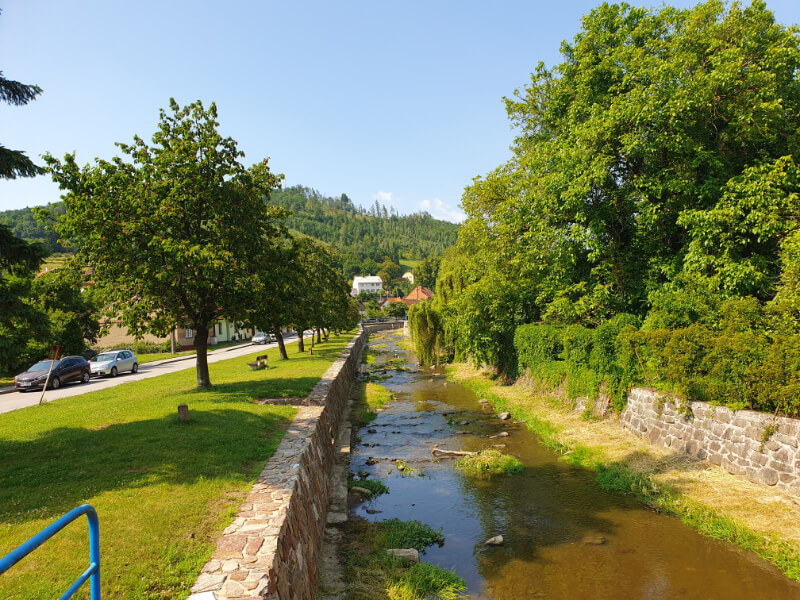
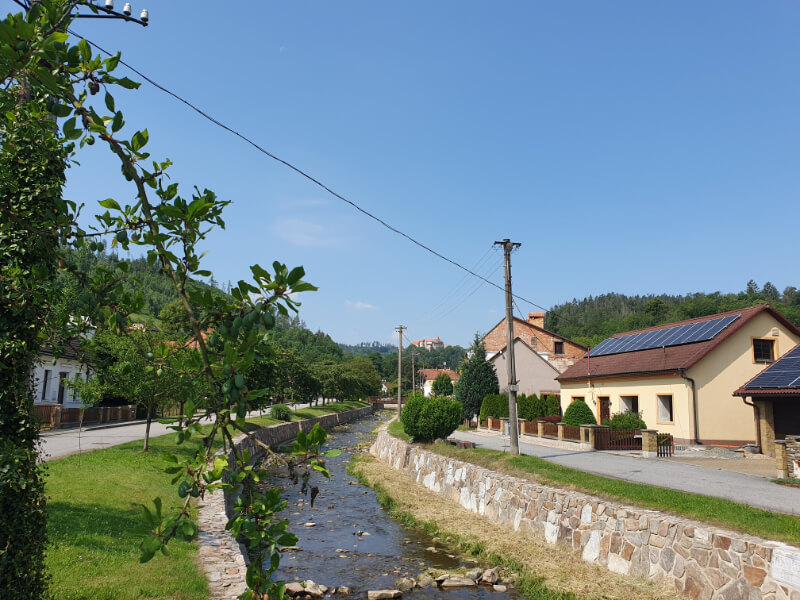
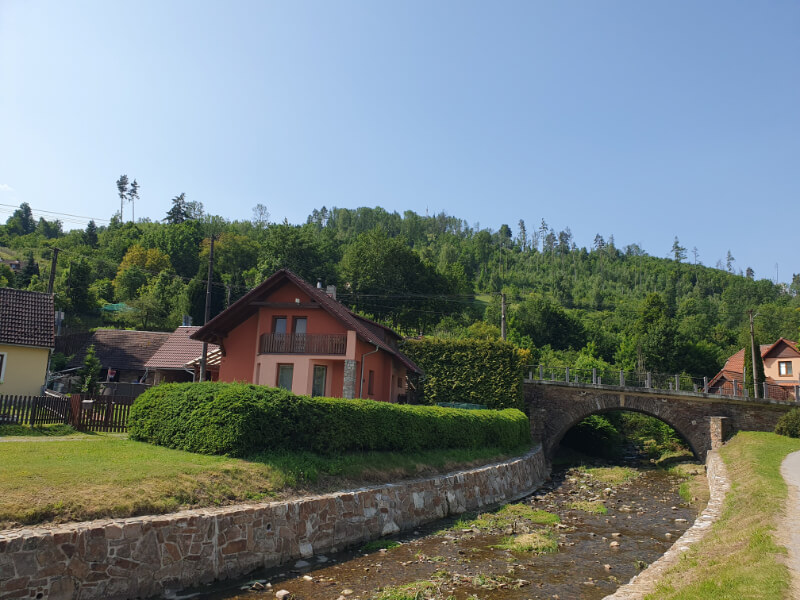
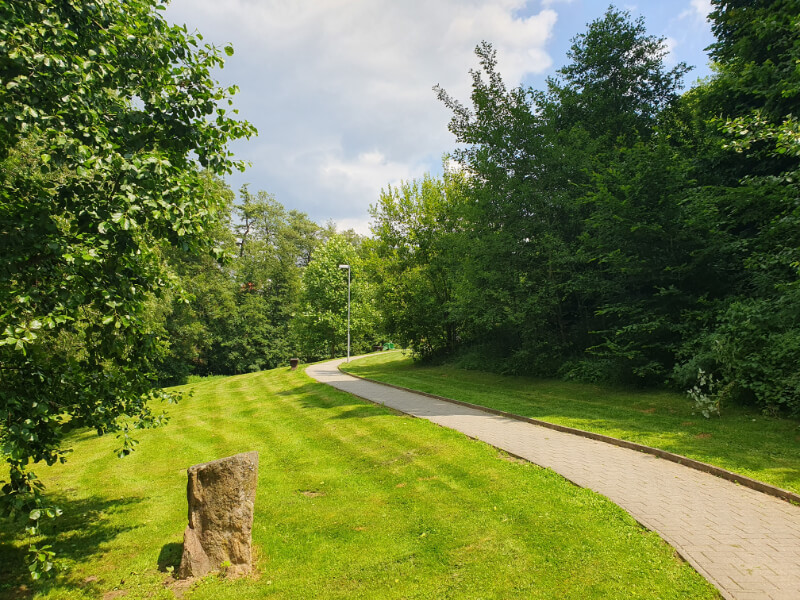
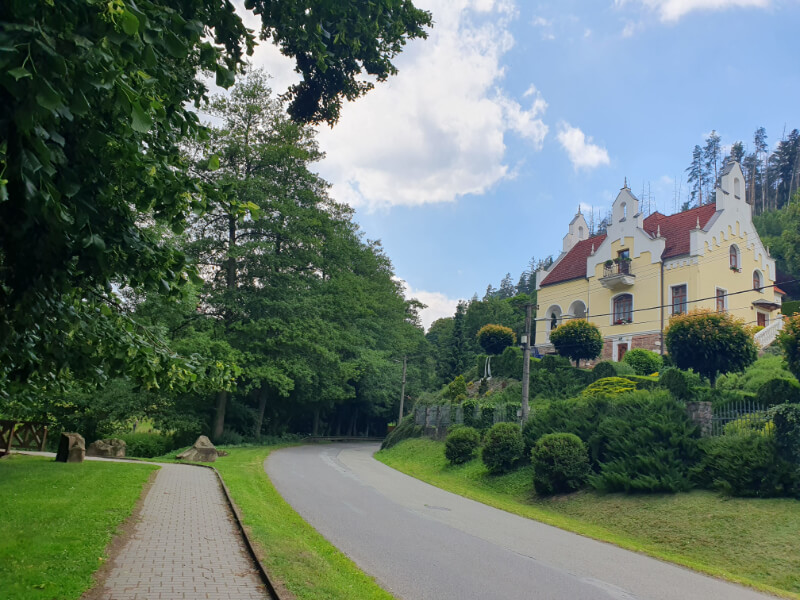
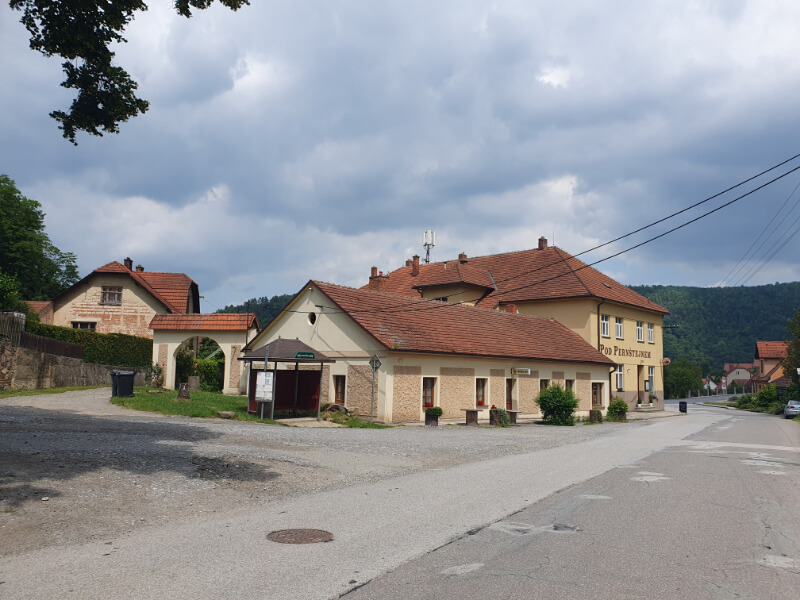
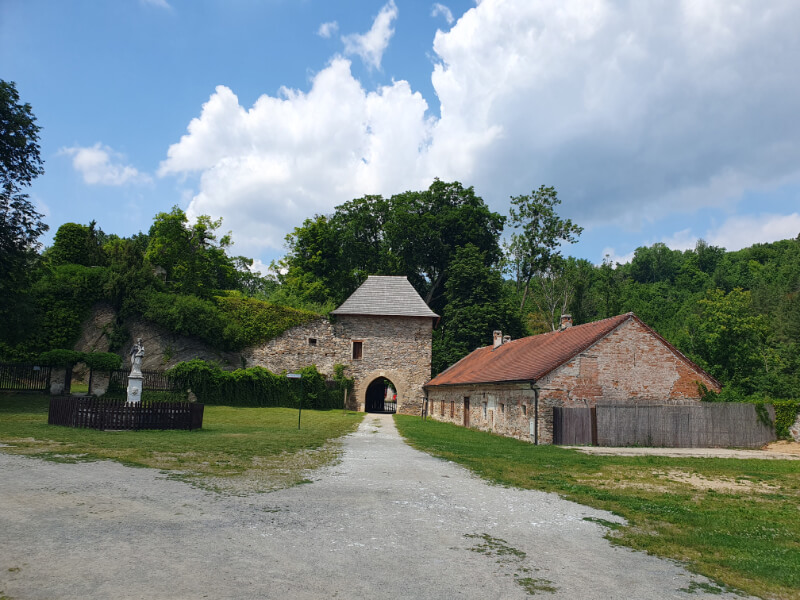
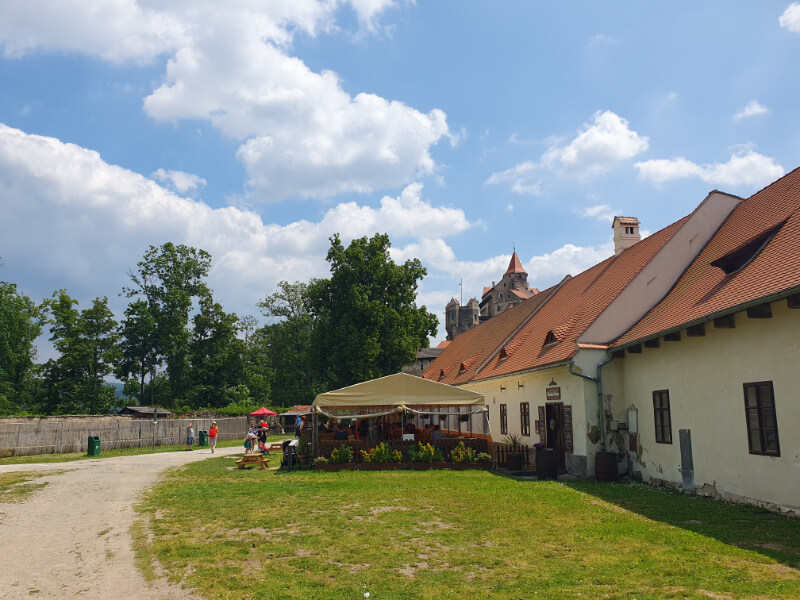
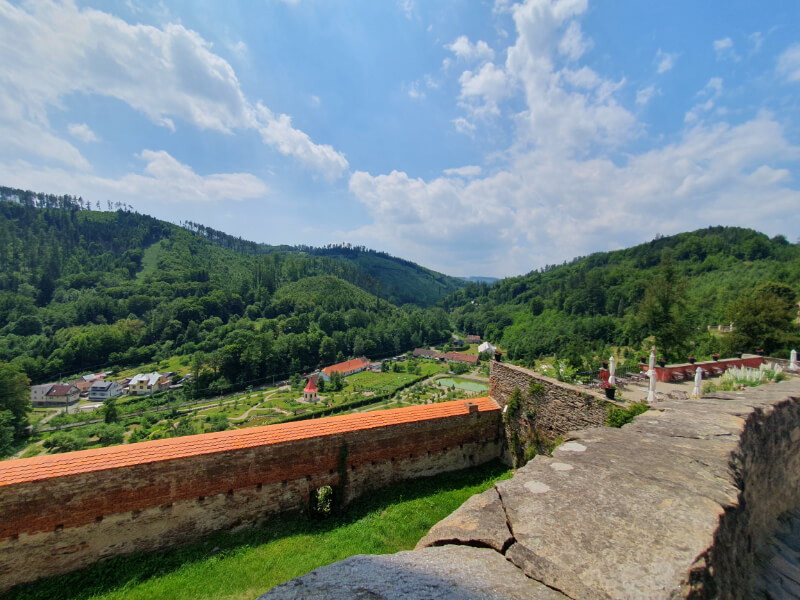
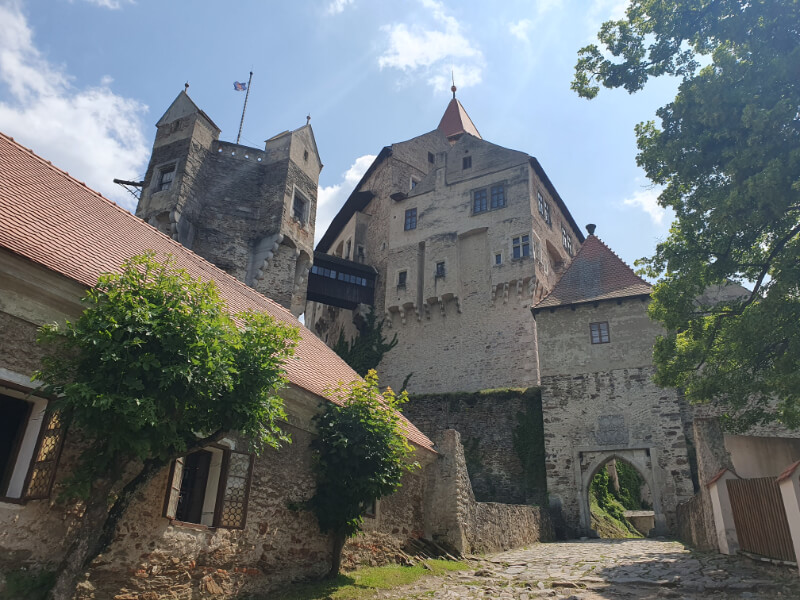
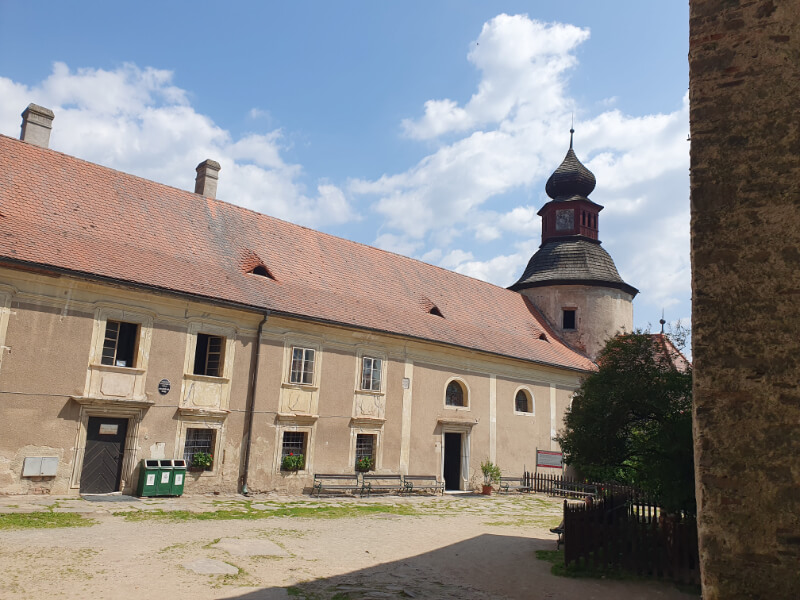
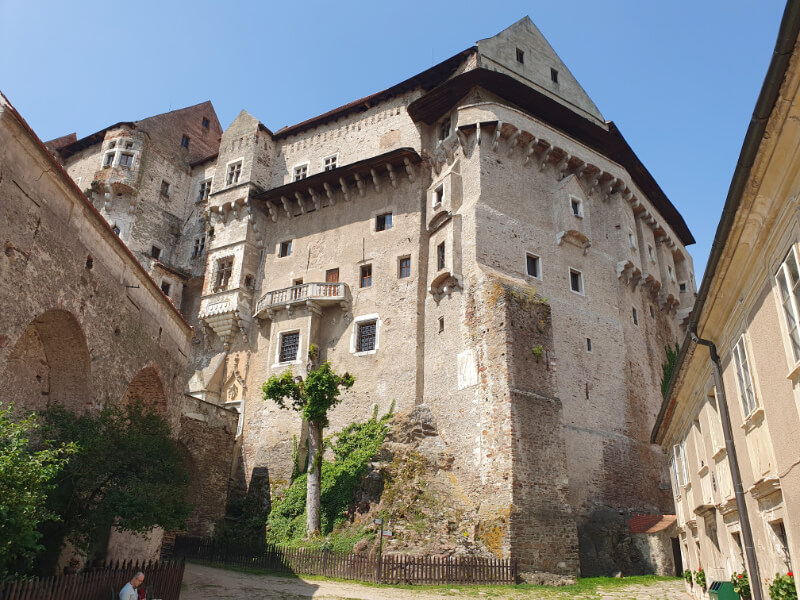
Its income came from brewing and crafts, with stonemasonry and marble mining being the most typical. A leisurely 40-minute walk through the market town, then turning right at the Y-junction and following the steep stony forest path on the left, leads straight to the breathtaking Perštejn Castle.
The Lords of Medlov
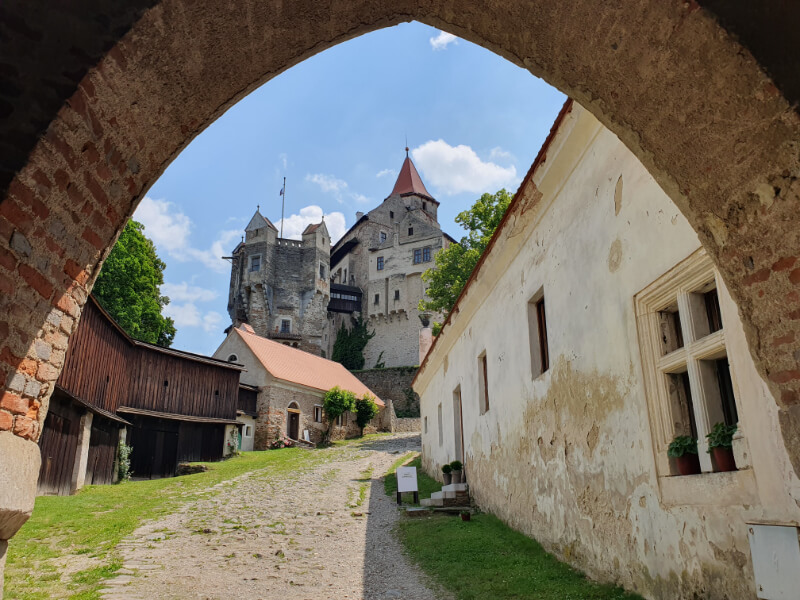
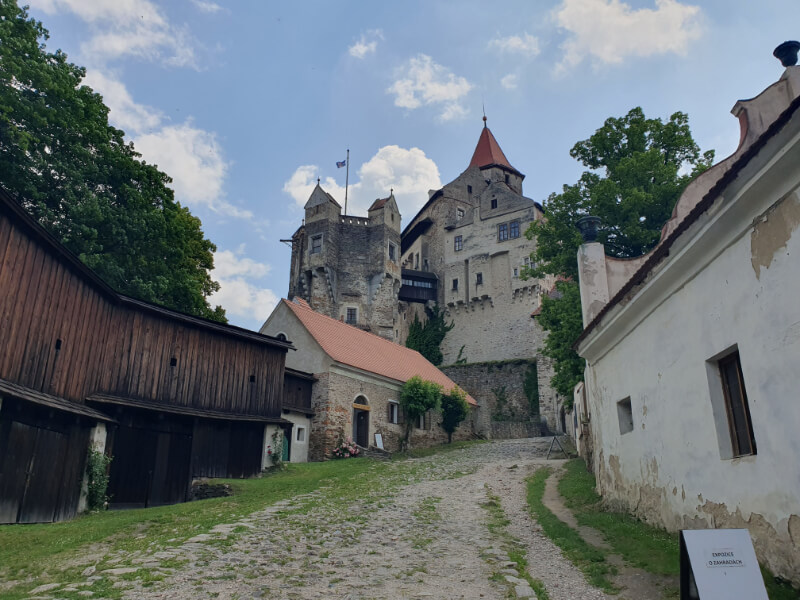
The castle was founded between 1270 and 1285 by the Lords of Medlov, who lived in the 13th century. Stephen I, Lord of Medlov (Štěpán I. z Medlova) took his name from the Pernštejn Castle, his first main seat. The Pernštejn House was one of the oldest Moravian noble families, who played an important role in the history of the Czech nobility.
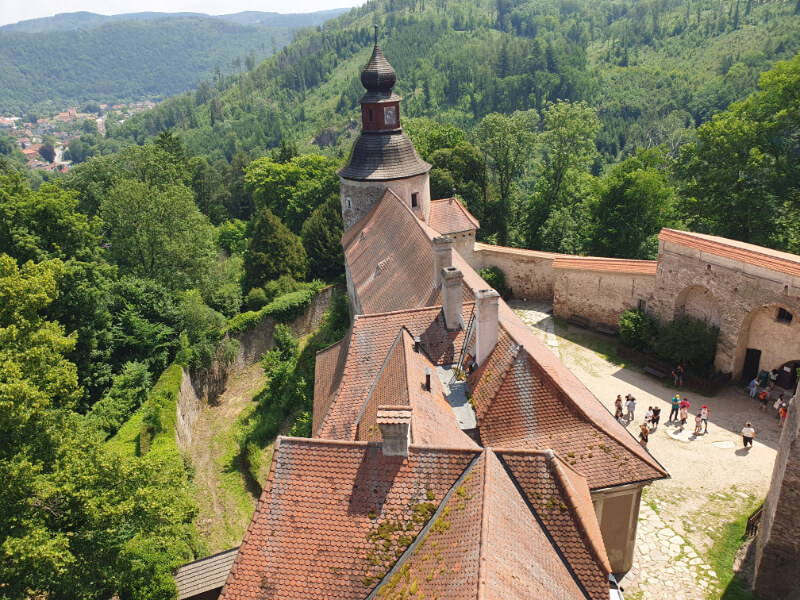
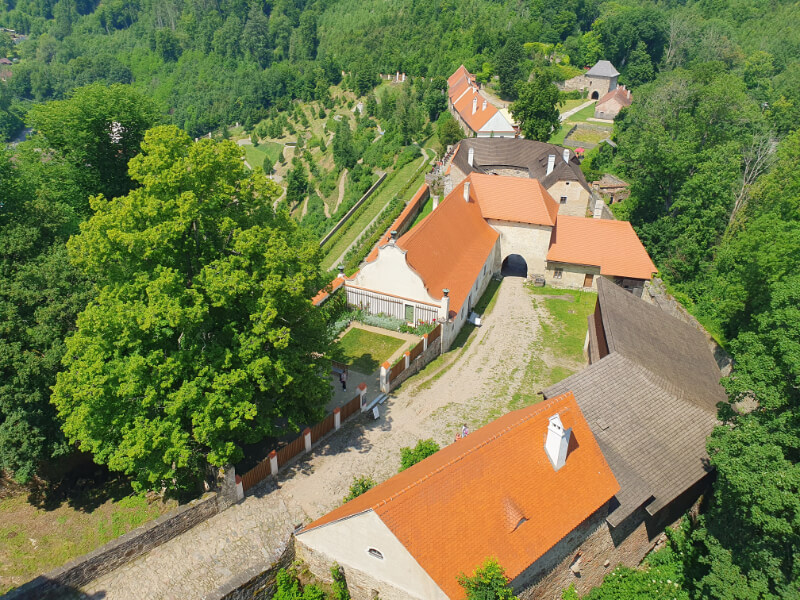
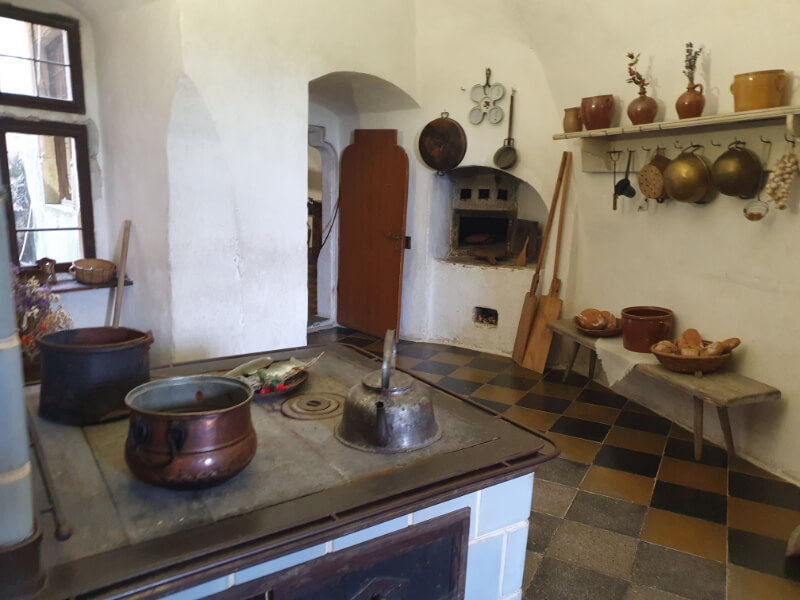
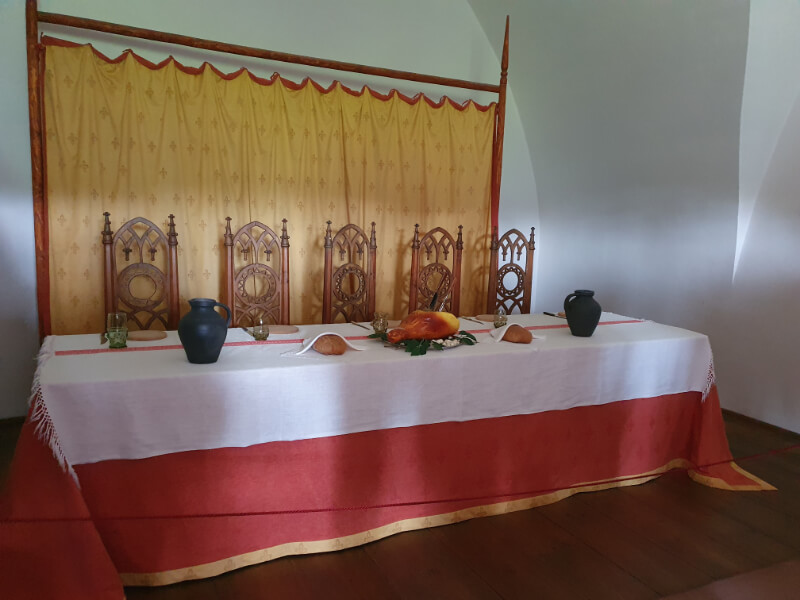
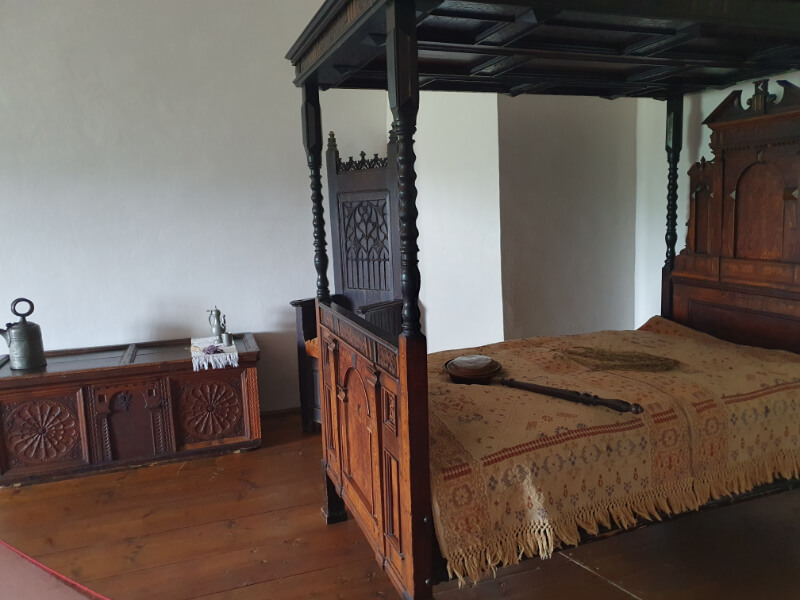
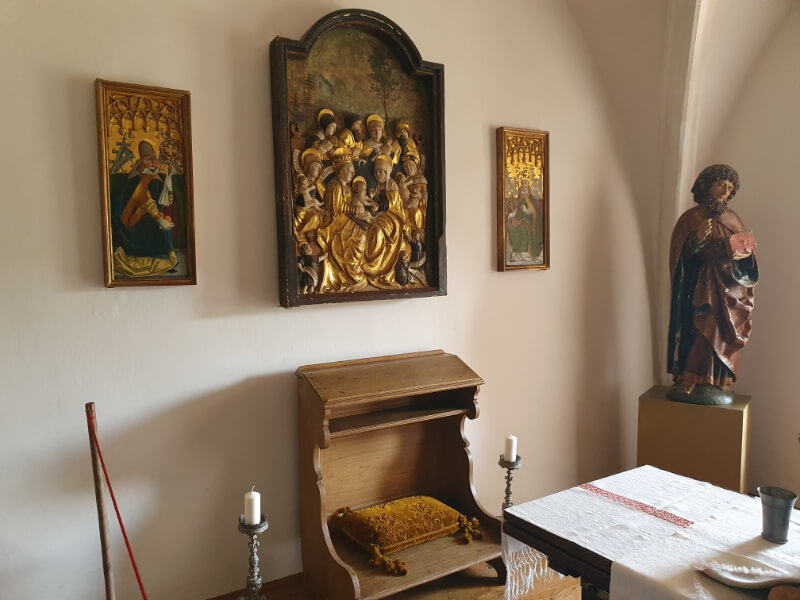
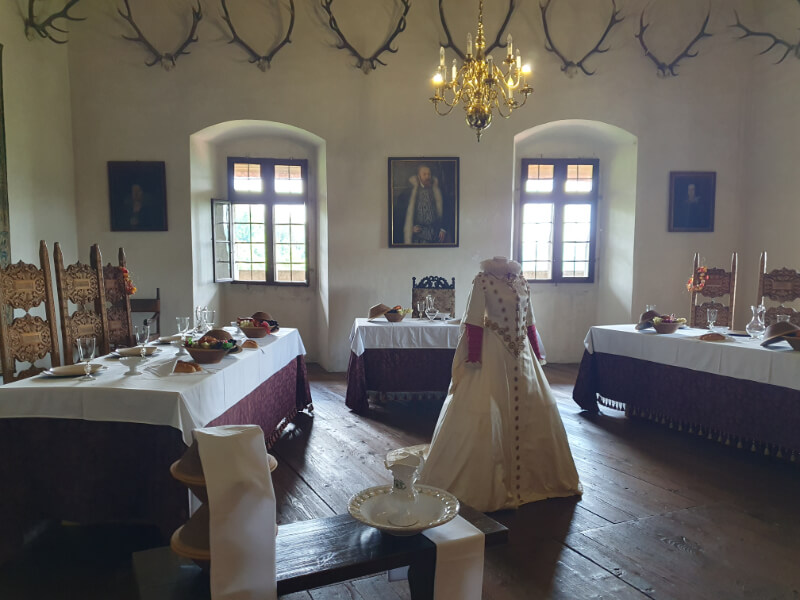
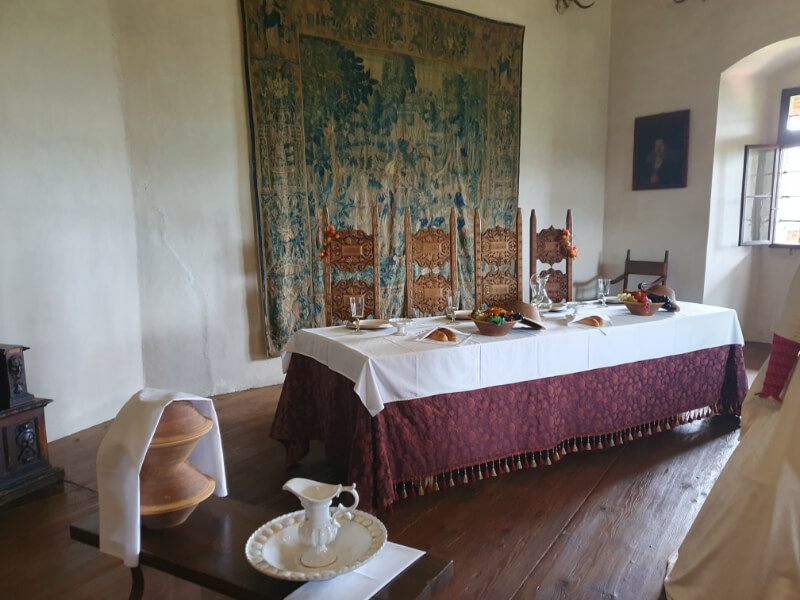
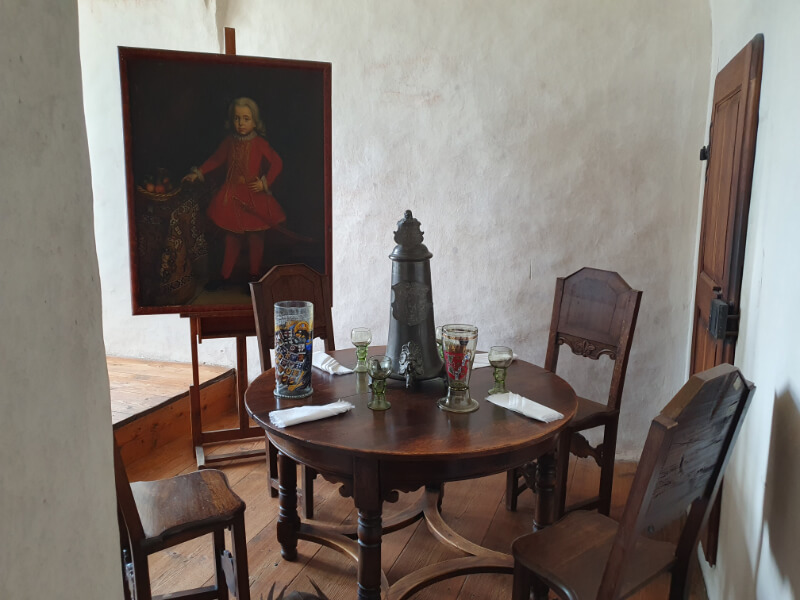
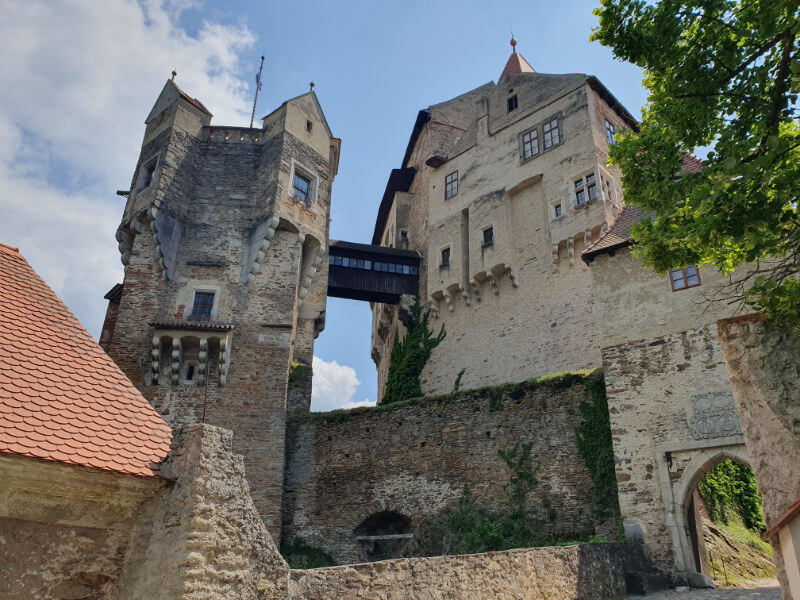
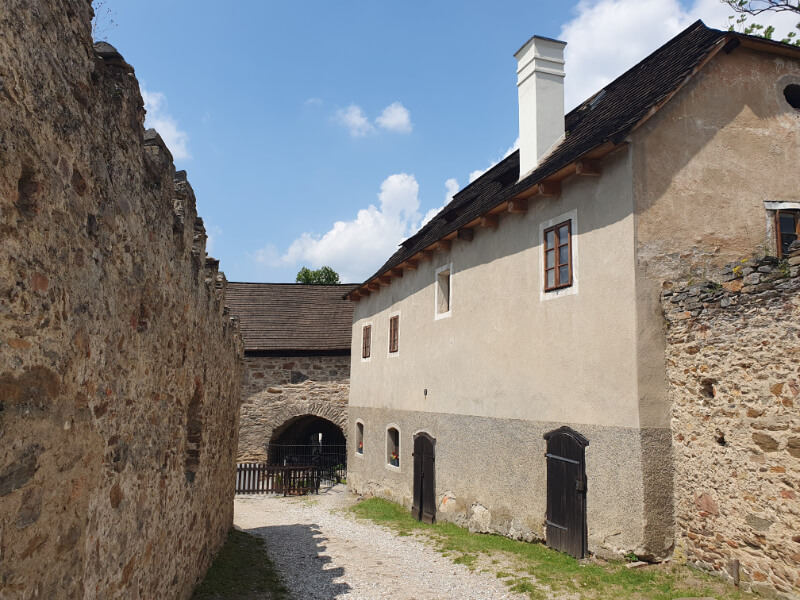
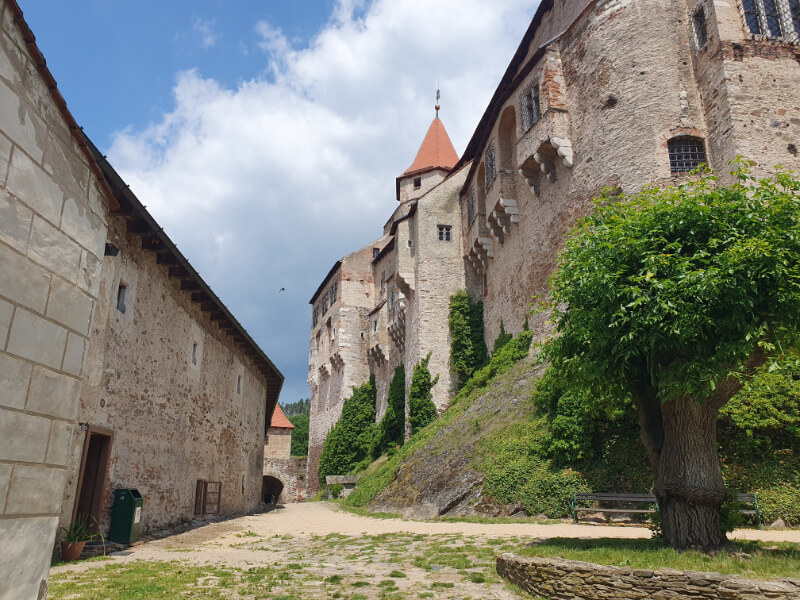
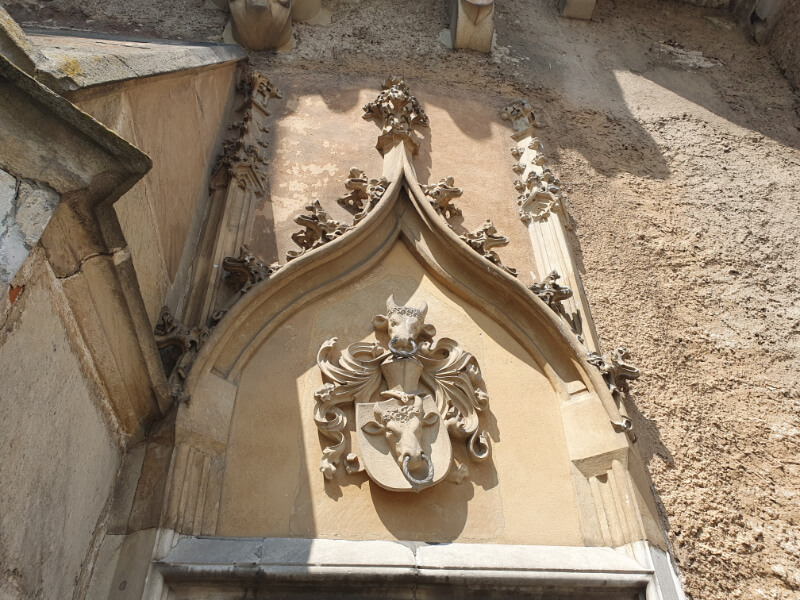
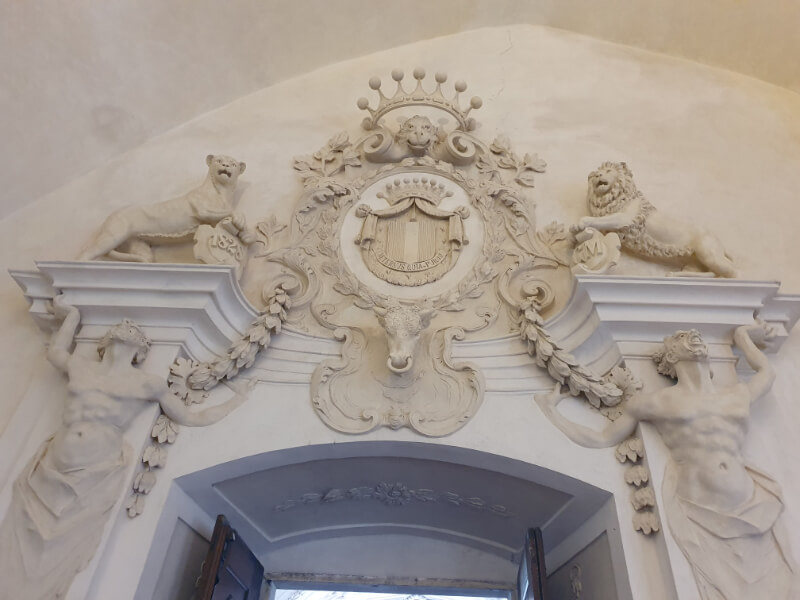
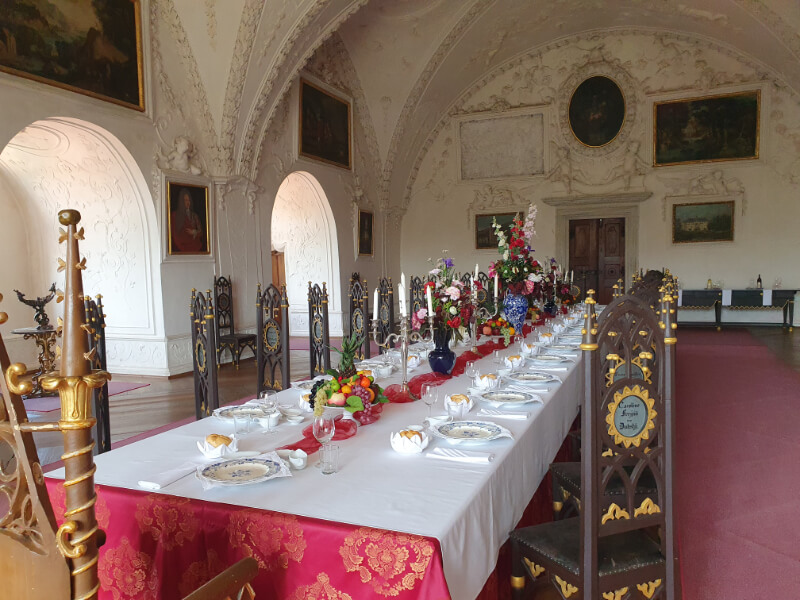
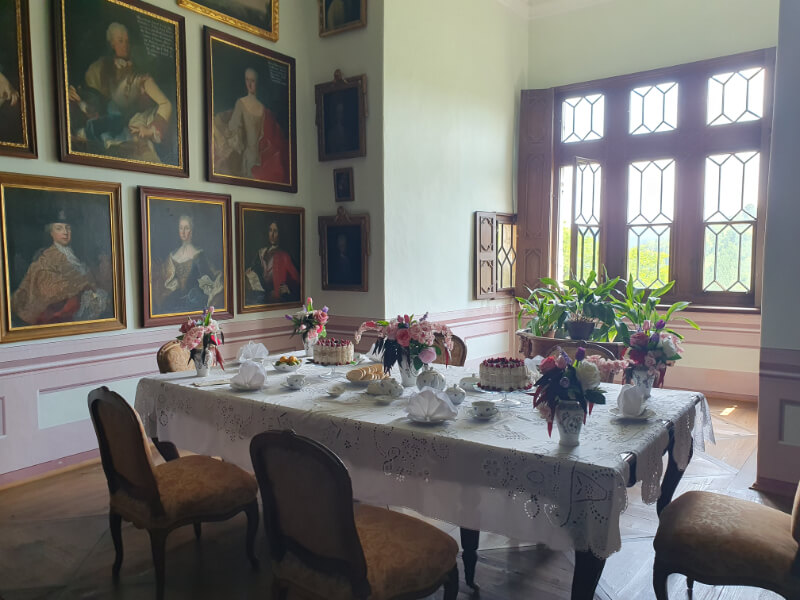
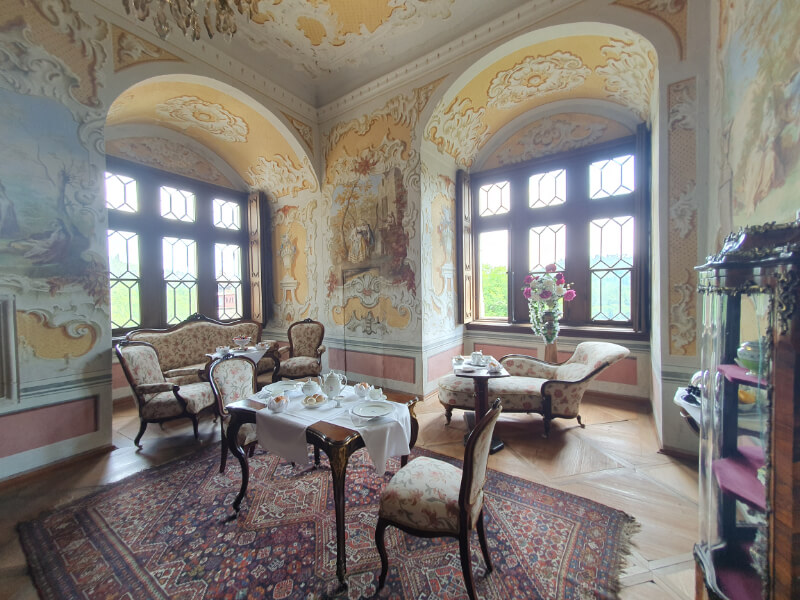
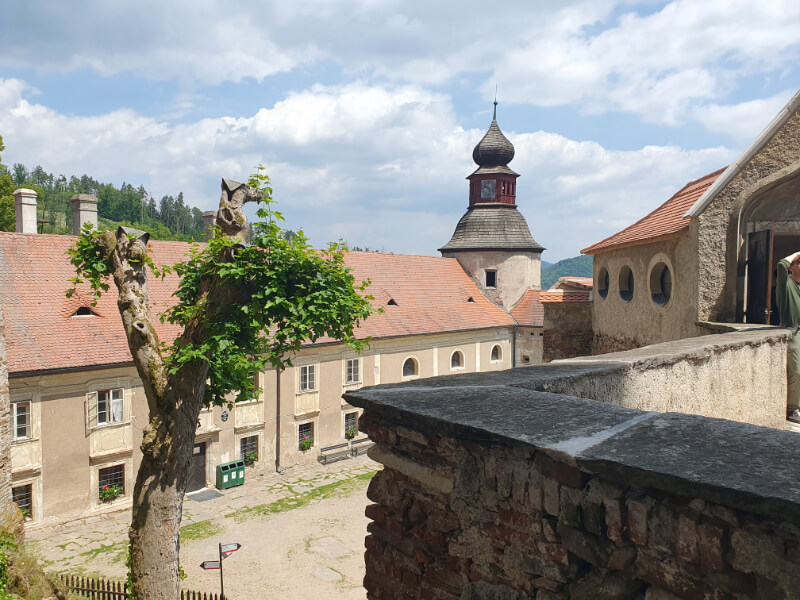
Pernštejn Castle was built in the medieval Renaissance style, so its architecture is characterized by symmetry, harmony and balance. Its facades are decorated with various carved stones and reliefs. Its elegance is evident both outside and inside: with ornate windows, coat of arms decorations, open arcaded corridors and large terraces with breathtaking views of the beautiful Moravian landscape.
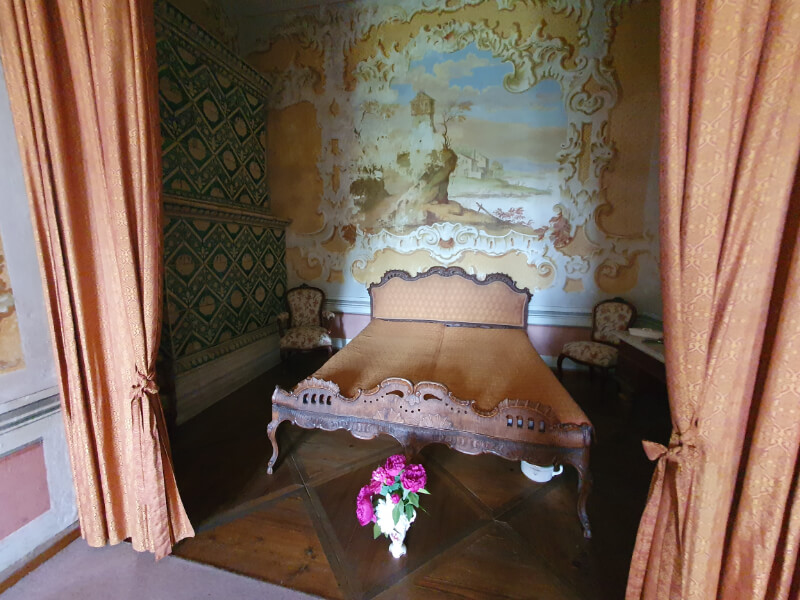
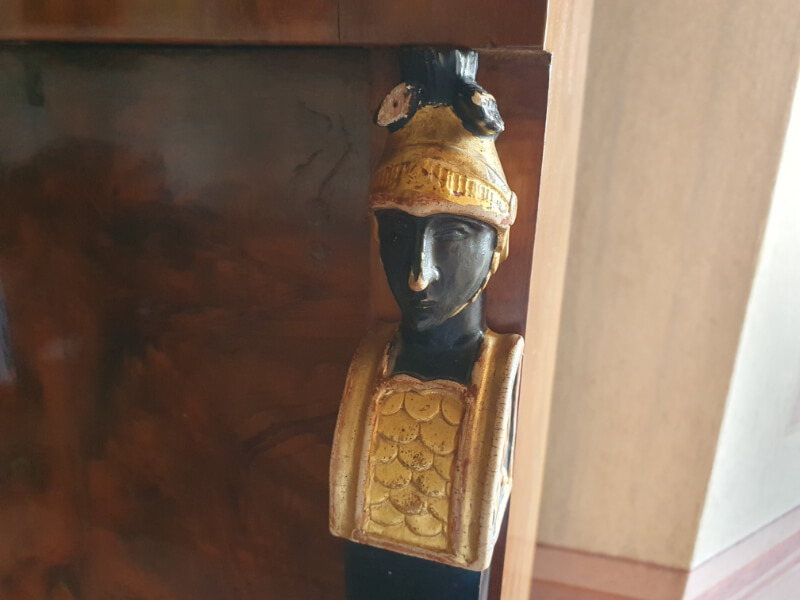
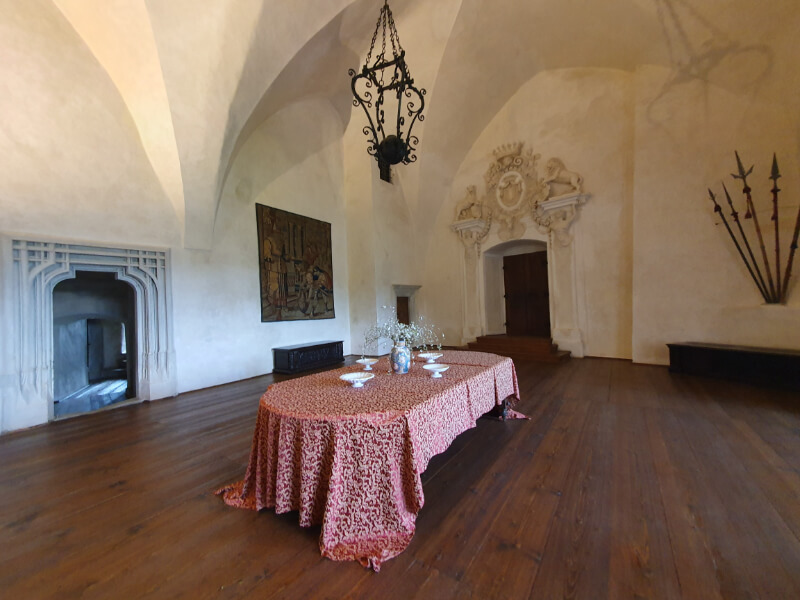
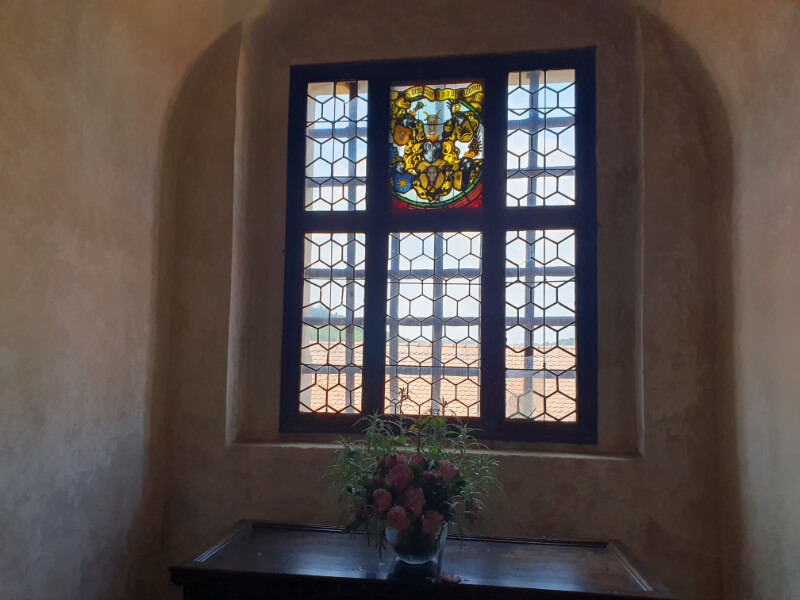
“Nobility of spirit has more to do with simplicity than ostentation, wisdom rather than wealth, commitment rather than ambition.”
– Riccardo Muti